
In the digital age, anonymity online is a fleeting concept, and even our phone calls can be tracked and identified. Yet, a persistent question for many is the functionality and purpose behind the simple yet powerful dialing sequence: “67″. This article delves into the world of “67″, exploring its technical underpinnings, practical applications within the realm of digital security and privacy, and its evolution in an increasingly connected world.
The Technical Mechanics of *67: A Deep Dive into Call Blocking
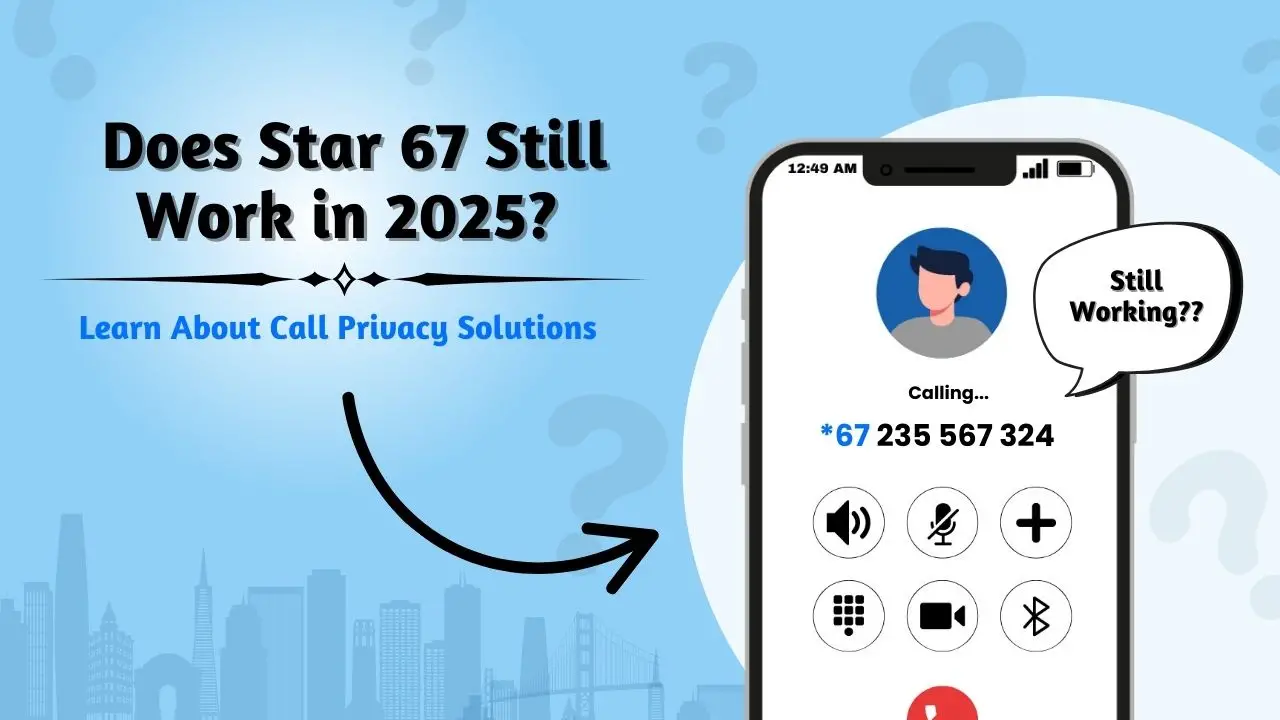
At its core, “*67” is a service provided by telecommunication carriers to enable users to temporarily block their caller identification (Caller ID) information from appearing on the recipient’s phone. This seemingly simple action involves a behind-the-scenes process governed by telecommunication protocols and network infrastructure.
How Caller ID Works: The Foundation of Blocking
Before understanding how “*67” blocks Caller ID, it’s crucial to grasp how Caller ID typically functions. When you make a phone call, your phone’s network provider sends a signal along with the call that contains your phone number and, in many cases, your name. This information is transmitted through a series of switches and servers within the Public Switched Telephone Network (PSTN). The recipient’s phone or network then receives this information and displays it, allowing them to see who is calling. This system is designed to facilitate communication and provide a level of accountability.
The *67 Signal: Intercepting and Modifying the Data Stream
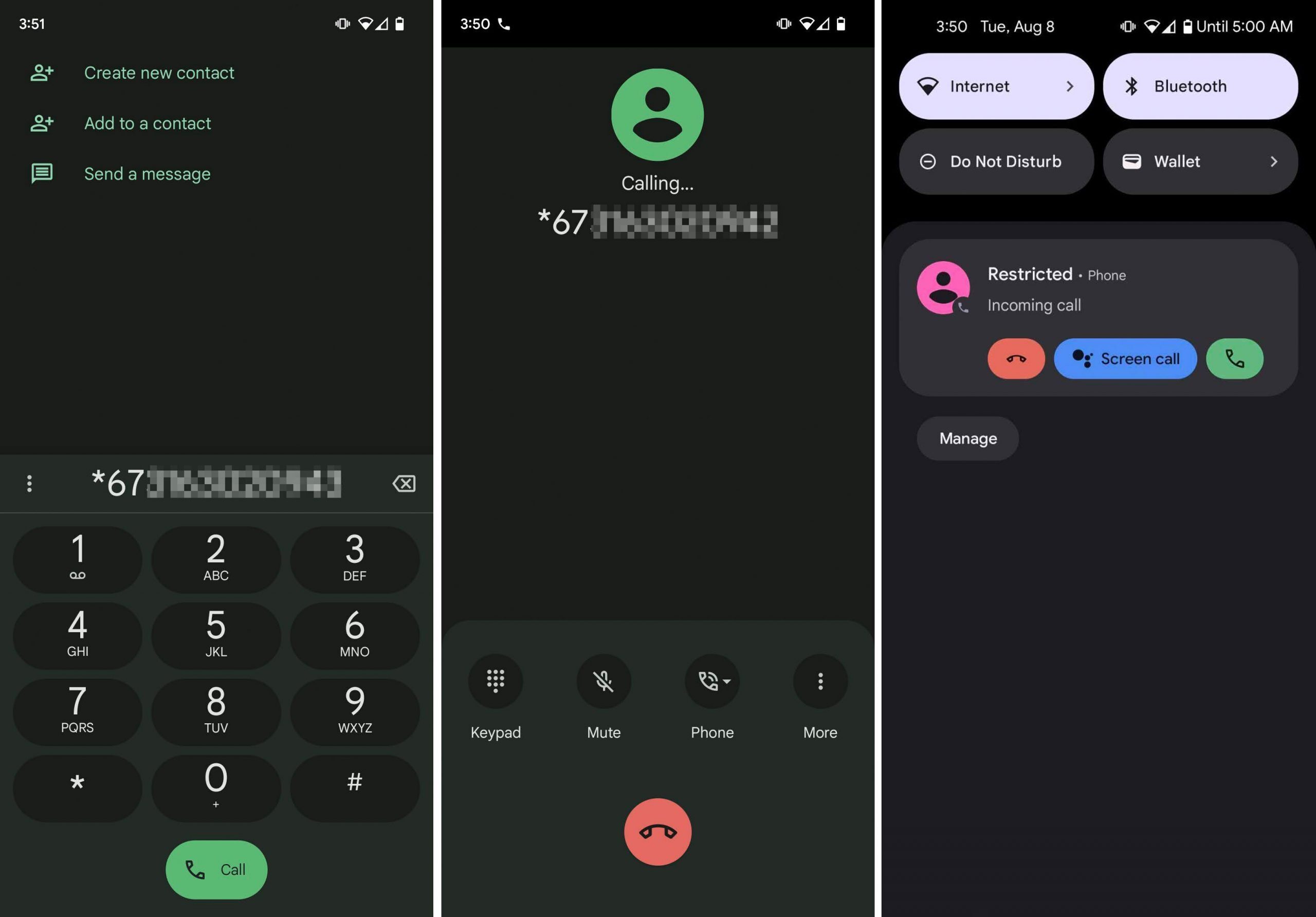
When you dial “*67” before initiating a call, you’re essentially sending a specific command to your telecommunication carrier’s network. This command instructs the network to temporarily suppress the transmission of your Caller ID information for that particular outgoing call. The process involves inserting a specific data packet or modifying an existing one that signifies “private” or “blocked” instead of your actual phone number.
The exact technical implementation can vary slightly depending on the carrier and the underlying network technology (e.g., traditional landlines versus Voice over Internet Protocol or VoIP). However, the fundamental principle remains the same: the carrier’s equipment intercepts the standard Caller ID data before it’s sent to the recipient’s network and replaces it with a generic indicator that your call is coming from a “Private,” “Unknown,” or “Blocked” number.
Network Infrastructure and Carrier Protocols
Telecommunication networks operate using complex signaling protocols. For instance, in the PSTN, signaling systems like SS7 (Signaling System No. 7) are used for call setup, routing, and management, including Caller ID services. When “*67” is dialed, it triggers a specific message within this signaling system. This message essentially tells the network to prepend a “privacy indicator” to the call’s data.
With the advent of VoIP and mobile networks, similar principles apply, albeit with different underlying protocols. The key is that the originating carrier’s network has the capability to interpret the “67″ command and modify the information sent to the downstream network. This modification is temporary, meaning it only affects the single call initiated immediately after dialing “67″. Subsequent calls will revert to transmitting your regular Caller ID information.
Practical Applications of *67 in Digital Security and Privacy
While “*67” might seem like a relic of older telephony, its functionality remains relevant for enhancing privacy and security in various modern contexts, particularly when dealing with sensitive communications.
Protecting Personal Privacy in Everyday Situations
One of the most common uses of “*67” is to protect personal privacy during routine calls. This can be beneficial when:
- Calling a Business with an Unclear Return Policy: If you’re inquiring about a product or service and are concerned about receiving unsolicited follow-up calls or marketing pitches, using “*67” can provide a shield.
- Contacting Individuals for Sensitive Matters: When making a personal call to someone who might be uncomfortable with their number being recorded or shared, blocking your Caller ID can foster a more comfortable and private conversation.
- Avoiding Unwanted Solicitation: While not foolproof, using “*67” can deter some telemarketers who might have systems in place to block calls from unknown numbers or to log numbers for future marketing.
- Job Searching and Professional Inquiries: When reaching out to potential employers or recruiters for initial inquiries, blocking your Caller ID can prevent your personal number from being associated with speculative job applications, offering a layer of professional detachment.
Enhancing Security Against Stalking and Harassment
In more serious situations, “*67” can serve as a tool for personal security. For individuals experiencing stalking, harassment, or even domestic abuse, the ability to make contact without revealing their location or identity is paramount.
- Reporting Suspicious Activity: If you witness suspicious activity and need to report it to authorities without revealing your identity for fear of reprisal, “*67” can be a crucial tool.
- Communicating with Support Services: When reaching out to hotlines, shelters, or legal aid services, the anonymity provided by “*67” can make individuals feel safer and more empowered to seek help.
- Maintaining a Safe Distance: In situations where an individual needs to communicate with someone who poses a threat, using “*67” allows for necessary contact while minimizing the risk of further unwanted attention or tracking.
Navigating Digital Legacies and Data Footprints
Even in our increasingly digital lives, phone calls still leave a footprint. While digital data is often easier to track, traditional phone records can still be accessed under certain circumstances. Using “*67” can help in managing this footprint, especially when engaging with unknown entities. It serves as a simple, immediate method to reduce the digital trace of a particular communication.
Limitations and Considerations of Using *67
Despite its utility, it’s important to understand the limitations and potential drawbacks of relying on “*67”. This service is not a panacea for all privacy concerns and has specific circumstances where it may not be effective.
When *67 Might Not Work
- Recipient Blocking: Many people now use call-blocking apps or services that automatically block calls from “Unknown,” “Private,” or “Blocked” numbers. In such cases, your call, even with “*67”, will not reach the intended recipient.
- Toll-Free Numbers and Emergency Services: While you can usually dial “*67” before calling most numbers, it’s generally not effective when calling toll-free numbers (like 1-800 numbers) or emergency services (like 911). These services often require your Caller ID to be visible for identification and dispatch purposes.
- Third-Party Services and Call Forwarding: If the recipient has call forwarding services or uses a third-party answering service, your blocked number might still be logged or passed along in some fashion, depending on the configuration of their system.
- Carrier-Specific Implementations: While widely adopted, the exact behavior and display of blocked calls can vary slightly between different telecommunication providers and countries.
Legal and Ethical Implications
While “*67” is a legitimate service, its use should be considered within legal and ethical boundaries.
- Misrepresentation and Deception: While blocking your identity is legal for privacy, using “*67” to impersonate someone else, to make threats, or to engage in fraudulent activities is illegal and unethical. The anonymity provided is for personal privacy, not for malicious intent.
- Not a Guarantee of Anonymity: It’s crucial to remember that “*67” only masks your Caller ID from the recipient’s display. Your telecommunication provider can still log your calls, and in cases of legal investigations, this information can be made available to law enforcement with appropriate warrants. Furthermore, advanced tracking technologies might still be able to identify a caller through other means, such as network triangulation.
Alternatives and Modern Solutions
In an era of sophisticated digital communication, “*67” is just one tool among many for managing privacy.
- VoIP Services with Advanced Features: Many VoIP providers offer more robust privacy features, including dynamic number masking, temporary virtual numbers, and advanced call routing options.
- Burner Phones and Second Numbers: For enhanced anonymity, especially in sensitive situations, using a pre-paid “burner” phone or a secondary virtual phone number service can be more effective than relying solely on “*67”. These services are designed from the ground up for temporary or anonymous use.
- Encrypted Messaging Apps: For text-based communication, end-to-end encrypted messaging apps offer a high degree of privacy and security, often surpassing the anonymity of a blocked phone call.
- Carrier-Specific Blocking Services: Some carriers offer permanent Caller ID blocking options, allowing users to block their number from appearing on all outgoing calls by default. This is different from the per-call blocking offered by “*67”.
The Evolving Landscape of Caller ID and Privacy
The simple act of dialing “*67” highlights a perpetual tension between the desire for privacy and the increasing interconnectedness of our world. As technology advances, so do the methods of both tracking and obscuring our digital and communicative identities.
The Rise of Digital Tracking and its Impact on Phone Calls
The proliferation of smartphones and the integration of communication platforms with online services mean that even seemingly private phone calls can be linked to broader digital profiles. Apps can request access to call logs, contacts, and even perform background checks. This makes the traditional method of simply hiding a phone number feel increasingly insufficient for comprehensive privacy.
How Technology Has Both Challenged and Supported Caller ID Blocking
On one hand, advanced analytics, AI-powered call screening, and even sophisticated surveillance technologies can potentially circumvent or analyze basic Caller ID blocking. On the other hand, new technologies have also empowered users with more sophisticated privacy tools. Features like spam call identification, granular app permissions, and robust end-to-end encryption offer users more control over their communications than ever before.
The Future of Anonymity in Telecommunications
The concept of a truly anonymous phone call is becoming more complex. While services like “67″ still serve a purpose, the future likely lies in a layered approach to privacy. This might involve using a combination of carrier services, secure communication apps, and a conscious understanding of one’s digital footprint. As telecommunication networks continue to evolve, the mechanisms for managing Caller ID and privacy will undoubtedly adapt, offering new ways for individuals to control their communicative presence in an increasingly transparent world. Understanding tools like “67″ is a fundamental step in navigating this evolving landscape and making informed decisions about personal privacy.
aViewFromTheCave is a participant in the Amazon Services LLC Associates Program, an affiliate advertising program designed to provide a means for sites to earn advertising fees by advertising and linking to Amazon.com. Amazon, the Amazon logo, AmazonSupply, and the AmazonSupply logo are trademarks of Amazon.com, Inc. or its affiliates. As an Amazon Associate we earn affiliate commissions from qualifying purchases.