
The phrase “Shabbat Shalom” resonates deeply within Jewish culture, serving as a ubiquitous greeting that extends far beyond a simple salutation. It embodies a rich tapestry of tradition, spirituality, and communal connection. For those unfamiliar with its origins and significance, understanding “Shabbat Shalom” is akin to deciphering a brand identifier—a unique marker that signals belonging, shared values, and a specific ethos. This article delves into the meaning and historical context of “Shabbat Shalom,” exploring its linguistic roots, religious significance, and, crucially, its implications as a powerful, albeit informal, brand within the Jewish community and its outward projection.
The Linguistic Roots and Literal Meaning of Shabbat Shalom
At its core, “Shabbat Shalom” is a Hebrew phrase composed of two distinct yet intrinsically linked components: “Shabbat” and “Shalom.” The literal translation offers a foundational understanding of its essence.
“Shabbat”: The Foundation of Rest and Sanctity
“Shabbat” (שַׁבָּת) is the Hebrew word for the Sabbath, the seventh day of the week, ordained in Jewish tradition as a day of rest, spiritual observance, and cessation from labor. The commandment to observe Shabbat is one of the Ten Commandments, highlighting its central importance in Jewish life. The concept of Shabbat predates the Exodus from Egypt, with its roots in the creation narrative found in the Book of Genesis, where God rested on the seventh day after completing the work of creation.
The word “Shabbat” itself is derived from the Hebrew root shin-bet-tav (ש.ב.ת), which signifies “to cease,” “to rest,” or “to stop.” This etymology underscores the fundamental purpose of the day: a period to pause from the daily grind, to step away from the demands of work and worldly pursuits, and to engage in activities that nurture the soul. This cessation is not merely a physical act but a spiritual imperative, a deliberate turning away from the mundane to embrace the sacred.
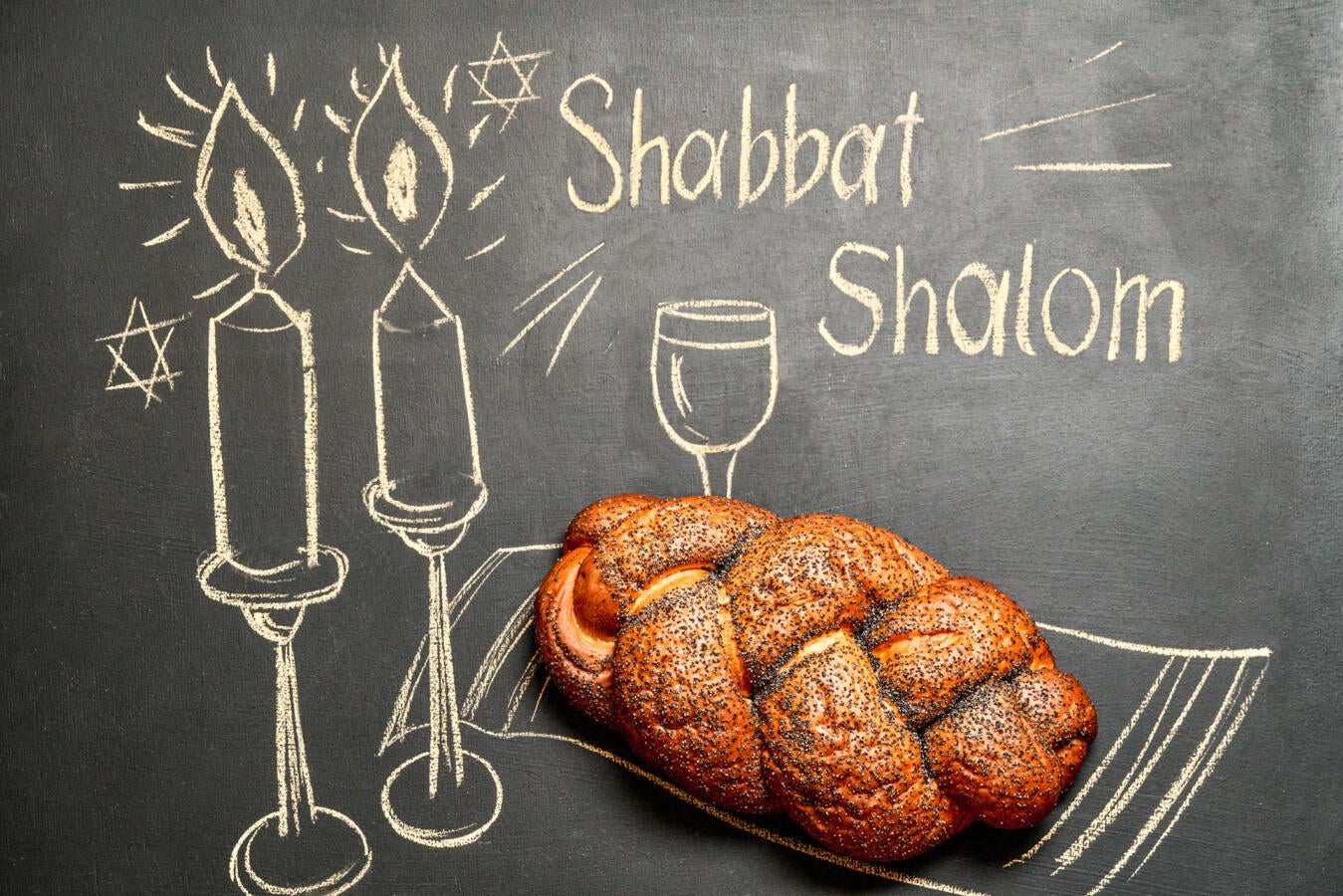
Historically, the observance of Shabbat has evolved, encompassing a wide array of practices aimed at sanctifying the day. These include abstaining from specific categories of prohibited labor (melachot), engaging in prayer services, studying Torah, sharing meals with family and community, and dedicating time to reflection and spiritual rejuvenation. The anticipation of Shabbat often begins on Friday afternoon, with preparations made throughout the week to ensure a seamless transition into this sacred time. The lighting of candles on Friday evening marks the official commencement of Shabbat, a visually poignant symbol of the day’s sanctity and the ushering in of peace.
“Shalom”: The All-Encompassing Concept of Peace and Wholeness
“Shalom” (שָׁלוֹם) is perhaps one of the most profound and multifaceted words in the Hebrew language. While often translated as “peace,” its meaning extends far beyond the mere absence of conflict. “Shalom” encompasses a state of wholeness, completeness, well-being, harmony, tranquility, and prosperity. It is a holistic concept that applies to individual lives, interpersonal relationships, societal structures, and even the relationship between humanity and the divine.
In its most basic sense, “Shalom” signifies peace between people, an absence of strife and hostility. However, it also implies a positive state of being – a sense of inner contentment, emotional balance, and spiritual serenity. Within families, “Shalom Bayit” (peace in the home) is a cherished ideal, reflecting a harmonious and loving domestic environment. On a broader societal level, “Shalom” envisions a world free from violence and injustice, where all individuals can thrive and live in mutual respect.
Theologically, “Shalom” is often associated with God’s presence and blessings. It is seen as a gift from God, a state of divine favor and contentment. The prophetic visions of a messianic era frequently speak of a time of ultimate “Shalom,” a period of universal peace and reconciliation.
When combined with “Shabbat,” the greeting “Shabbat Shalom” therefore conveys a profound wish: not just a peaceful Sabbath, but a Sabbath filled with wholeness, well-being, and divine harmony. It is a wish for the recipient to experience the full spiritual and communal richness that the day is intended to provide.
The Cultural and Communal Significance of Shabbat Shalom
Beyond its literal translation, “Shabbat Shalom” has evolved into a powerful cultural signifier, acting as a beacon of shared identity and communal connection for Jews worldwide. Its usage is deeply embedded in the fabric of Jewish social interaction.
A Universal Greeting and a Sign of Belonging
The adoption of “Shabbat Shalom” as a greeting is virtually universal within observant Jewish communities, and widely understood even by those with less religious observance. It is used on Friday evenings as Shabbat begins, throughout the day of Shabbat itself, and often on Saturday evenings as Shabbat concludes, in a modified form like “Good Shabbos” or a reiteration of “Shabbat Shalom” signifying the hope for a peaceful week ahead.
This shared language creates an immediate sense of familiarity and belonging. When one Jew encounters another during Shabbat, uttering “Shabbat Shalom” is a silent acknowledgement of shared tradition, a mutual recognition of the day’s significance, and an expression of goodwill. It bridges generational gaps, geographical distances, and variations in religious practice. It is a subtle yet potent affirmation of a collective identity, a common thread that binds individuals to a larger community and its historical narrative.
The Ritualistic and Observational Context
The greeting is intrinsically linked to the observance of Shabbat. Its deployment is often tied to specific rituals and communal gatherings. For instance, it is commonly exchanged after attending synagogue services on Friday night or Saturday morning. It is heard around Shabbat dinner tables, as families and friends gather to share meals and conversation. It might be spoken to neighbors, colleagues, or even strangers who are perceived to be Jewish, creating moments of unexpected connection.
The context in which “Shabbat Shalom” is used reinforces its meaning. The act of wishing someone “Shabbat Shalom” is not a perfunctory exchange; it is an intentional act of wishing them well within the framework of a sacred time. It encourages mindfulness of the day’s purpose and fosters an atmosphere of peace and respect. The mere sound of the phrase can evoke a sense of calm and anticipation, signaling a shift from the week’s activities to a period of spiritual and communal focus.
A Symbol of Jewish Identity and Resilience
In historical contexts, particularly during periods of persecution or diaspora, shared cultural markers like “Shabbat Shalom” played a crucial role in maintaining Jewish identity and fostering internal solidarity. The ability to communicate and connect through a common, religiously significant phrase provided a sense of continuity and resilience in the face of external pressures. It was a way of saying, “We are here, we remember our traditions, and we uphold our values, even in challenging times.”
Today, “Shabbat Shalom” continues to serve this purpose, albeit in more diverse and globalized settings. It remains a powerful symbol of Jewish continuity, a testament to the enduring strength of a people and their traditions. Its simple utterance carries the weight of millennia of history, religious devotion, and communal cohesion.
“Shabbat Shalom” as a Brand: Identity, Values, and Recognition
When viewed through the lens of branding, “Shabbat Shalom” functions as an informal yet highly effective brand identifier for the Jewish community. While not a commercial brand in the traditional sense, it embodies many of the same principles of identity, value proposition, and recognition.
Core Brand Identity: Rest, Peace, and Spirituality
The core “brand identity” of “Shabbat Shalom” is intrinsically linked to the concepts of rest, peace, and spirituality. These are the fundamental values that the phrase represents. Just as a corporate brand aims to evoke specific emotions and associations, “Shabbat Shalom” evokes feelings of tranquility, sacredness, and communal warmth.
- Value Proposition: The “product” or “service” being “marketed” by the phrase is the experience of Shabbat itself – a day of spiritual rejuvenation, family connection, and communal harmony. The greeting acts as an invitation to partake in this experience, promising respite from the mundane and an opportunity for deeper connection.
- Brand Promise: The promise inherent in “Shabbat Shalom” is one of peace, well-being, and a break from the ordinary. It suggests a return to foundational values and a focus on what truly matters.
- Brand Equity: The long history and widespread adoption of the phrase have built significant “brand equity.” It is instantly recognizable and carries a wealth of positive associations for those within the community and many outside it.
Target Audience and Market Penetration
The “target audience” for “Shabbat Shalom” is, primarily, the Jewish people. However, its “market penetration” extends to individuals who interact with Jewish communities, such as friends, colleagues, or acquaintances of Jewish individuals. The greeting is inclusive in its aspiration, wishing well to all who might engage with the spirit of Shabbat.
The phrase’s universality within Jewish communities, regardless of denomination or level of observance, demonstrates its successful penetration. It acts as a unifying element, transcending minor doctrinal differences and fostering a sense of shared experience.
Brand Messaging and Communication Channels
The “brand messaging” of “Shabbat Shalom” is simple, direct, and deeply resonant. It communicates a core set of values with minimal words. The “communication channels” are primarily verbal – spoken greetings exchanged in person, over the phone, or through digital messages. The ritualistic contexts of Shabbat (synagogue, family meals) serve as natural amplifiers for this messaging.
The visual representation of “Shabbat Shalom,” often seen in greeting cards, social media posts, and decorative items, further strengthens its brand presence. These visual cues reinforce the verbal message and extend its reach beyond direct personal interaction.

The Power of a Unifying Identifier
In essence, “Shabbat Shalom” functions as a potent unifying identifier for a diverse global community. It is a testament to the power of shared language and tradition to create a sense of collective identity and purpose. While it is a greeting rooted in religious observance, its impact extends into the realm of cultural branding, showcasing how a simple phrase can encapsulate profound meaning, foster connection, and serve as a recognizable symbol of a people. Understanding “Shabbat Shalom” is not just about knowing a translation; it’s about recognizing a deeply ingrained cultural brand that signifies peace, rest, and a shared spiritual heritage.
aViewFromTheCave is a participant in the Amazon Services LLC Associates Program, an affiliate advertising program designed to provide a means for sites to earn advertising fees by advertising and linking to Amazon.com. Amazon, the Amazon logo, AmazonSupply, and the AmazonSupply logo are trademarks of Amazon.com, Inc. or its affiliates. As an Amazon Associate we earn affiliate commissions from qualifying purchases.