
In the intricate world of home construction and renovation, the materials used form the very backbone of a structure’s longevity and functionality. Among these, plumbing systems are particularly critical, demanding durability, flexibility, and resistance to corrosion. For decades, traditional materials like copper and galvanized steel dominated the scene. However, a modern alternative has steadily gained traction, offering a compelling blend of advantages: PEX. This article delves into the essence of PEX, exploring its composition, benefits, applications, and why it’s becoming the go-to choice for plumbers and homeowners alike.
Understanding PEX: The Material Science
PEX, an acronym for cross-linked polyethylene, is not a single, static material but rather a type of plastic that undergoes a chemical process to increase its cross-linking, thereby enhancing its properties. This cross-linking process modifies the molecular structure of polyethylene, transforming it from a thermoplastic (which softens when heated and hardens when cooled) into a thermoset plastic (which, once cross-linked, retains its properties at higher temperatures and is more resistant to chemical attack and abrasion).

The Cross-Linking Process Explained
The creation of PEX involves several methods, each resulting in slightly different product characteristics. The most common methods include:
-
The Engel Process (PEX-a): This method utilizes organic peroxides at high temperatures and pressures to create cross-links. PEX-a is known for its flexibility, resistance to freeze-thaw cycles, and its ability to expand and contract without cracking. It’s often considered the most premium type of PEX due to its superior performance. The cross-linking is initiated by adding an organic peroxide to polyethylene, and then heating the mixture. During the curing process, the peroxide decomposes, creating free radicals that react with the polyethylene chains, forming cross-links.
-
The Modified Siemens Process (PEX-b): This method involves a silane-grafting process where moisture is used to activate the cross-linking reaction. PEX-b is also durable and cost-effective, though generally less flexible than PEX-a. It’s a popular choice for its balance of performance and price. In this process, a silane cross-linking agent is incorporated into the polyethylene during extrusion. After the pipe is formed, it’s immersed in hot water, which triggers the silane to react and form cross-links between the polyethylene chains.
-
The Hoechst Process (PEX-c): This method uses electron beam radiation to create cross-links. PEX-c offers good chemical resistance and is known for its purity, as no chemicals are added during the process. It’s a less common method compared to PEX-a and PEX-b, often used in specialized applications. The polyethylene is extruded and then exposed to high-energy electrons. These electrons excite the molecules, causing them to break bonds and then reform them, creating cross-links.
Regardless of the specific cross-linking method, the resulting PEX material exhibits a remarkable combination of properties that make it ideal for plumbing applications. It’s a dense, durable plastic that can withstand significant pressure and temperature fluctuations.
Physical and Chemical Properties of PEX
The cross-linking process imbues PEX with a unique set of physical and chemical properties that set it apart from traditional plumbing materials:
- Flexibility: PEX pipes can be bent and routed around obstacles without needing numerous fittings, simplifying installation and reducing potential leak points. PEX-a, in particular, is highly flexible.
- Durability and Strength: PEX is incredibly resistant to cracking, puncturing, and abrasion. It can withstand high water pressures and temperatures commonly found in residential and commercial plumbing systems.
- Corrosion and Scale Resistance: Unlike metal pipes, PEX does not corrode or rust, nor does it suffer from the buildup of mineral scale. This ensures consistent water flow and water quality over the lifespan of the system.
- Freeze-Thaw Resistance: In colder climates, PEX pipes offer superior resistance to bursting when exposed to freezing temperatures. The expansion of the pipe with ice formation is significantly less damaging than with rigid metal pipes.
- Chemical Inertness: PEX is resistant to most common household chemicals and treatments, ensuring that the integrity of the pipe and the quality of the water remain uncompromised.
- UV Resistance: While not designed for direct sunlight exposure, PEX generally possesses good resistance to UV radiation, which can be beneficial during installation or in certain less exposed applications.
- Quiet Operation: PEX pipes tend to dampen water hammer and reduce the noise associated with water flow compared to metal pipes, contributing to a more comfortable indoor environment.
The Advantages of PEX in Plumbing Systems
The inherent properties of PEX translate into a multitude of practical advantages for plumbing installations. These benefits extend from the installation process itself to the long-term performance and maintenance of the system.
Ease and Speed of Installation
One of the most significant benefits of PEX is its ease of installation, which can lead to substantial labor cost savings.
- Flexibility Reduces Fittings: The ability to bend PEX pipes significantly reduces the number of fittings required compared to rigid copper or CPVC. Fewer fittings mean fewer potential leak points and a faster installation process.
- Lightweight Material: PEX is considerably lighter than copper, making it easier to transport and handle on job sites, especially for large projects.
- Simple Connection Methods: PEX pipes are typically joined using crimp, clamp, or expansion fittings. These methods are generally faster and require less specialized equipment than soldering copper or cementing CPVC. The expansion system, unique to PEX-a, involves inserting an expansion ring and then expanding the pipe itself, which then shrinks back around the fitting, creating a very secure seal.
Cost-Effectiveness
When considering the total cost of a plumbing system, PEX often emerges as a more economical choice.
- Lower Material Costs: PEX piping is generally less expensive per linear foot than copper piping.
- Reduced Labor Costs: The faster and simpler installation process directly translates into lower labor expenses, which can be a substantial portion of the overall project cost.
- Fewer Fittings: As mentioned, the reduced need for fittings also contributes to cost savings on both material and labor.
- Reduced Waste: The flexibility of PEX allows for more efficient use of material, minimizing waste compared to cutting rigid pipes to specific lengths.
Enhanced Performance and Longevity
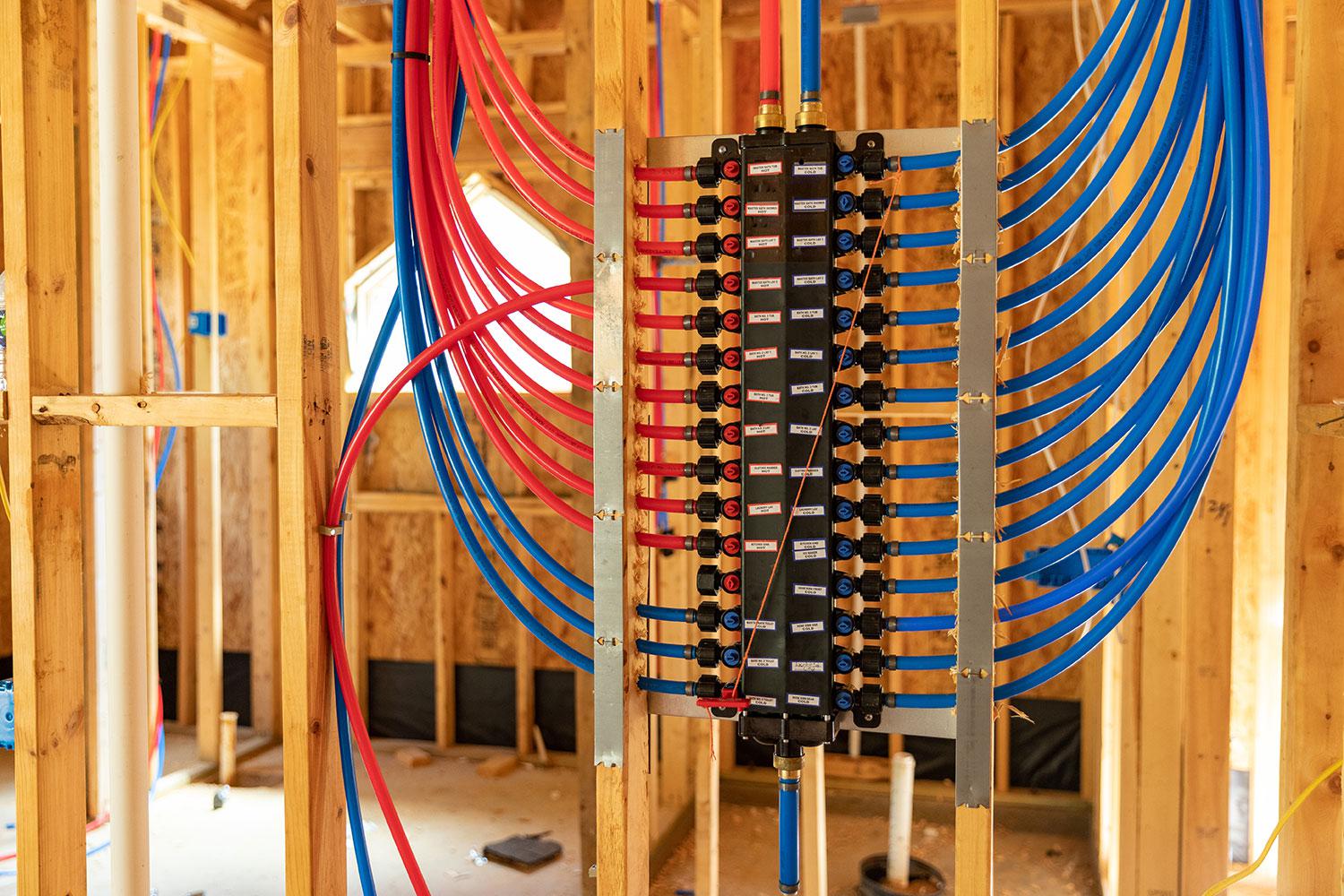
Beyond ease of installation, PEX offers tangible performance benefits that contribute to a more reliable and durable plumbing system.
- Superior Freeze Resistance: For homes in regions prone to freezing temperatures, PEX offers a critical advantage. Its ability to expand without bursting can prevent costly damage from frozen pipes.
- No Corrosion or Scale Buildup: The non-metallic nature of PEX means it will never corrode or rust. This eliminates the risk of pinhole leaks caused by corrosion and ensures consistent water flow and quality by preventing scale buildup.
- Protection Against Waterborne Contaminants: The smooth inner surface of PEX pipes is less prone to harboring bacteria compared to some other materials, contributing to better water hygiene.
- Long Lifespan: Properly installed PEX systems are designed to last for 50 years or more, providing a reliable and long-term solution for water supply.
Applications of PEX Piping
The versatility and numerous advantages of PEX have led to its widespread adoption across various plumbing applications, from residential new construction to complex commercial renovations.
Potable Water Supply Systems
This is the most common application for PEX. It’s used for both hot and cold water lines throughout homes and buildings, delivering clean water from the source to fixtures like sinks, showers, and toilets. Its resistance to corrosion and scale makes it particularly well-suited for maintaining water quality.
Radiant Floor Heating Systems
PEX is an ideal material for radiant floor heating systems. Its flexibility allows it to be easily laid in serpentine patterns under floors, efficiently distributing heat. Its ability to withstand higher temperatures and pressures, along with its durability and resistance to kinks, makes it a preferred choice for this application. The even heat distribution and energy efficiency of PEX-based radiant systems are significant advantages.
Hydronic Heating and Cooling Systems
Similar to radiant floor heating, PEX is used in closed-loop hydronic systems for both heating and cooling. Its ability to handle varying temperatures and pressures, coupled with its resistance to leaks, makes it a reliable choice for circulating heated or chilled water throughout a building.
Other Applications
Beyond the primary uses, PEX is also finding its way into other niche applications:
- Snow and Ice Melting Systems: Embedded in sidewalks and driveways, PEX can carry heated fluid to melt snow and ice, improving safety and reducing the need for manual snow removal.
- Industrial Applications: In certain industrial settings where corrosive fluids or specific temperature ranges are encountered, PEX can be a suitable material, depending on the specific chemical compatibility.
- Geothermal Systems: PEX is used in the ground loops of geothermal heating and cooling systems due to its durability and resistance to underground conditions.
Comparing PEX to Traditional Plumbing Materials
To fully appreciate the value of PEX, it’s essential to compare it against the traditional materials that have historically dominated the plumbing industry: copper and galvanized steel.
PEX vs. Copper
Copper has long been the gold standard for plumbing, known for its durability and resistance to fire. However, it comes with significant drawbacks compared to PEX:
- Cost: Copper is considerably more expensive than PEX, both in terms of material and installation.
- Installation: Soldering copper requires specialized tools, skill, and a heat source, making installation more time-consuming and posing a fire risk. PEX installation is significantly simpler and faster.
- Corrosion: While durable, copper can corrode over time, especially in certain water chemistries, leading to leaks and discoloration of water. PEX does not corrode.
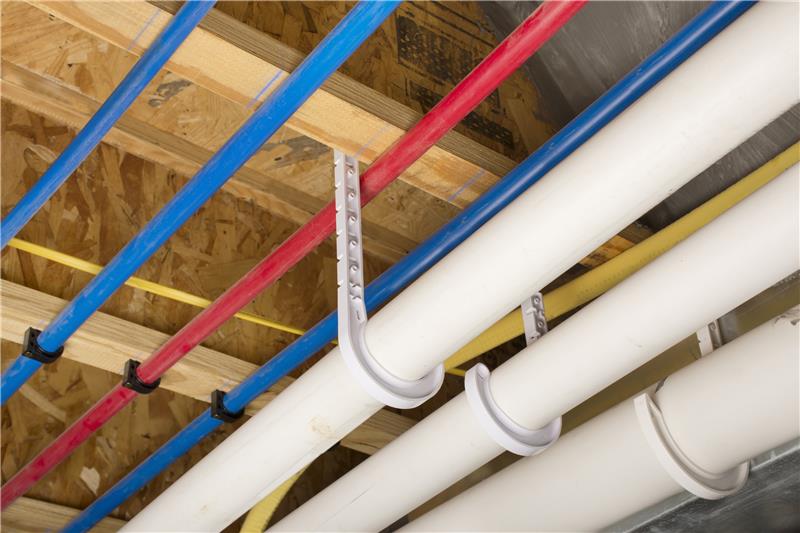
- Flexibility: Copper is rigid and requires numerous fittings to navigate turns and obstacles. PEX is highly flexible, reducing the need for fittings.
- Freeze Resistance: Copper is prone to bursting when water freezes inside, whereas PEX is much more resistant.
PEX vs. Galvanized Steel
Galvanized steel pipes were once common but have largely fallen out of favor due to significant performance issues:
- Corrosion: The zinc coating on galvanized steel wears away over time, exposing the iron to rust and corrosion. This can lead to reduced water flow, discolored water, and eventual pipe failure. PEX is immune to this type of corrosion.
- Scale Buildup: The rough interior surface of galvanized steel pipes is prone to mineral scale buildup, which further restricts water flow and can lead to clogs. PEX has a smooth interior, preventing significant scale buildup.
- Lifespan: Galvanized steel pipes typically have a much shorter lifespan than PEX pipes, often requiring replacement after 40-50 years, sometimes sooner depending on water quality.
- Installation: While not involving soldering, working with heavy steel pipes and threading connections is more labor-intensive than PEX.
While PEX offers numerous advantages, it’s important to acknowledge its limitations. PEX is not suitable for direct exposure to sunlight, as UV radiation can degrade the material over time. Furthermore, it is not rated for extremely high temperatures or pressures that might be found in some specialized industrial applications. However, for the vast majority of residential and commercial plumbing needs, PEX stands out as a modern, efficient, and cost-effective solution. Its continued adoption by the plumbing industry is a testament to its superior performance and adaptability in meeting the demands of contemporary construction and renovation projects.
aViewFromTheCave is a participant in the Amazon Services LLC Associates Program, an affiliate advertising program designed to provide a means for sites to earn advertising fees by advertising and linking to Amazon.com. Amazon, the Amazon logo, AmazonSupply, and the AmazonSupply logo are trademarks of Amazon.com, Inc. or its affiliates. As an Amazon Associate we earn affiliate commissions from qualifying purchases.