
The health of our canine companions is a topic of paramount importance, and advancements in technology are revolutionizing how we understand, diagnose, and manage diseases like canine parvovirus. While often discussed in veterinary and biological terms, a closer examination reveals how technological innovations are at the forefront of our fight against this potentially devastating illness. This article delves into parvovirus from a tech-centric viewpoint, exploring the digital tools, diagnostic methodologies, and data-driven approaches that are shaping its prevention and treatment.
The Evolving Landscape of Canine Parvovirus Detection and Diagnosis
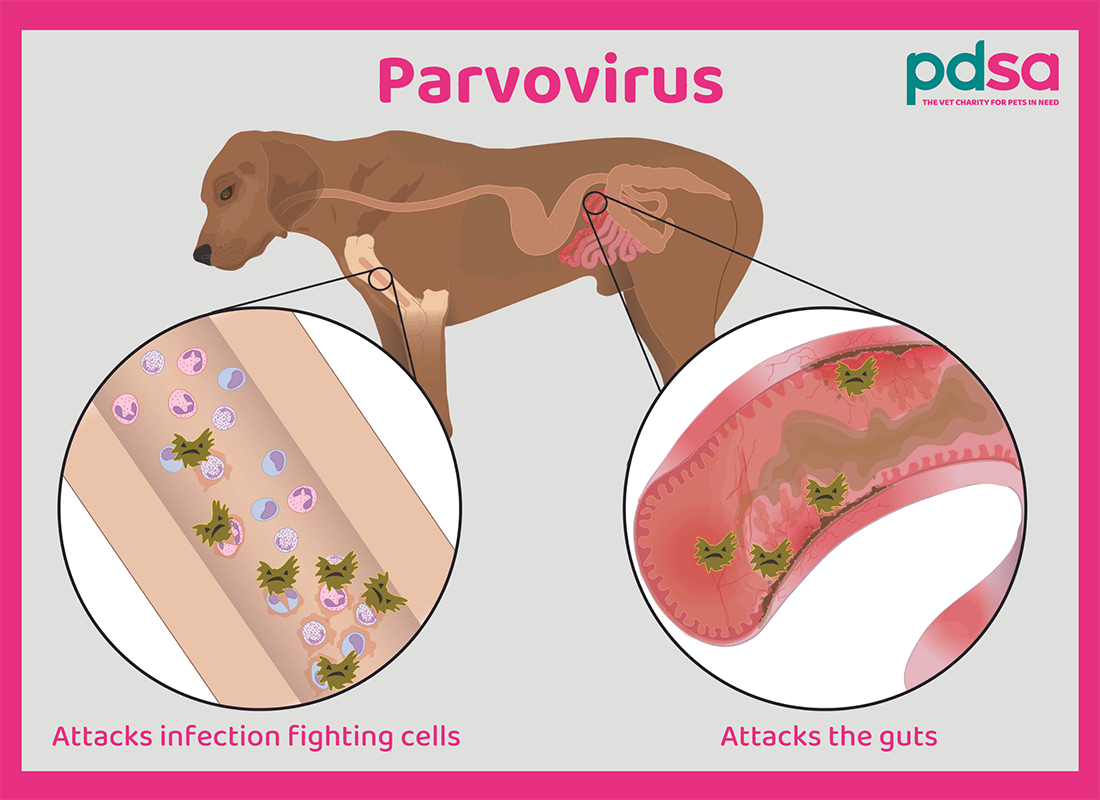
The swift and accurate diagnosis of parvovirus is critical for effective treatment and preventing its spread. Traditionally, diagnosis relied on clinical signs and laboratory tests like fecal antigen tests. However, the integration of advanced technologies has significantly enhanced our diagnostic capabilities, moving towards more sensitive, specific, and even predictive methods.
Advanced Diagnostic Technologies and Their Impact
The fight against parvovirus has been bolstered by a suite of sophisticated diagnostic tools. Polymerase Chain Reaction (PCR) testing has emerged as a gold standard. Unlike older ELISA-based antigen tests that detect viral proteins, PCR directly amplifies viral genetic material, offering unparalleled sensitivity and specificity. This allows for earlier detection, even before clinical signs manifest, which is crucial for rapid intervention and isolation to prevent further transmission.
Furthermore, advancements in real-time PCR (qPCR) enable not only detection but also quantification of the viral load. This quantitative data can be invaluable for monitoring treatment efficacy and predicting disease progression. The miniaturization of diagnostic equipment also means that sophisticated PCR capabilities are becoming more accessible in veterinary clinics, reducing the turnaround time for results and enabling quicker treatment decisions.
Beyond molecular diagnostics, the application of artificial intelligence (AI) and machine learning (ML) is beginning to shape the future of parvovirus detection. Researchers are exploring how AI algorithms can analyze subtle patterns in digitized diagnostic images or even video footage of canine behavior, potentially identifying early indicators of infection that might be missed by the human eye. While still in its nascent stages for parvovirus specifically, the broader application of AI in veterinary diagnostics suggests a future where proactive identification of diseases becomes more commonplace.
The Role of Digital Data and Cloud Computing in Diagnostics
The sheer volume of data generated by modern diagnostic tests, from PCR results to digital imaging, necessitates robust data management solutions. Cloud computing platforms play a pivotal role in storing, analyzing, and sharing this information. Veterinary clinics can securely upload and access patient diagnostic data, facilitating collaboration among veterinary professionals and enabling remote consultations.
Moreover, anonymized data collected from diagnostic tests across a wide geographical area can be aggregated and analyzed using advanced statistical and ML models. This Big Data approach allows for the identification of epidemiological trends, outbreak patterns, and the emergence of new viral strains. Such insights are invaluable for public health initiatives, vaccine development, and tailoring preventative strategies. The ability to access and process this vast digital repository of information empowers researchers and veterinarians with a deeper understanding of parvovirus dynamics.
Technological Innovations in Parvovirus Prevention and Management
Preventing parvovirus infection is the most effective strategy, and technology is playing an increasingly vital role in this area, from vaccine development to public health awareness campaigns.
The Digital Frontier of Vaccine Technology and Data Tracking
Vaccine development itself is a testament to technological progress. While traditional vaccine research relies on biological science, the process is increasingly informed by computational biology, bioinformatics, and data analytics. These fields allow for the rapid analysis of viral genomes, identification of key antigens, and computational modeling of immune responses, accelerating the development of more effective and safer vaccines.
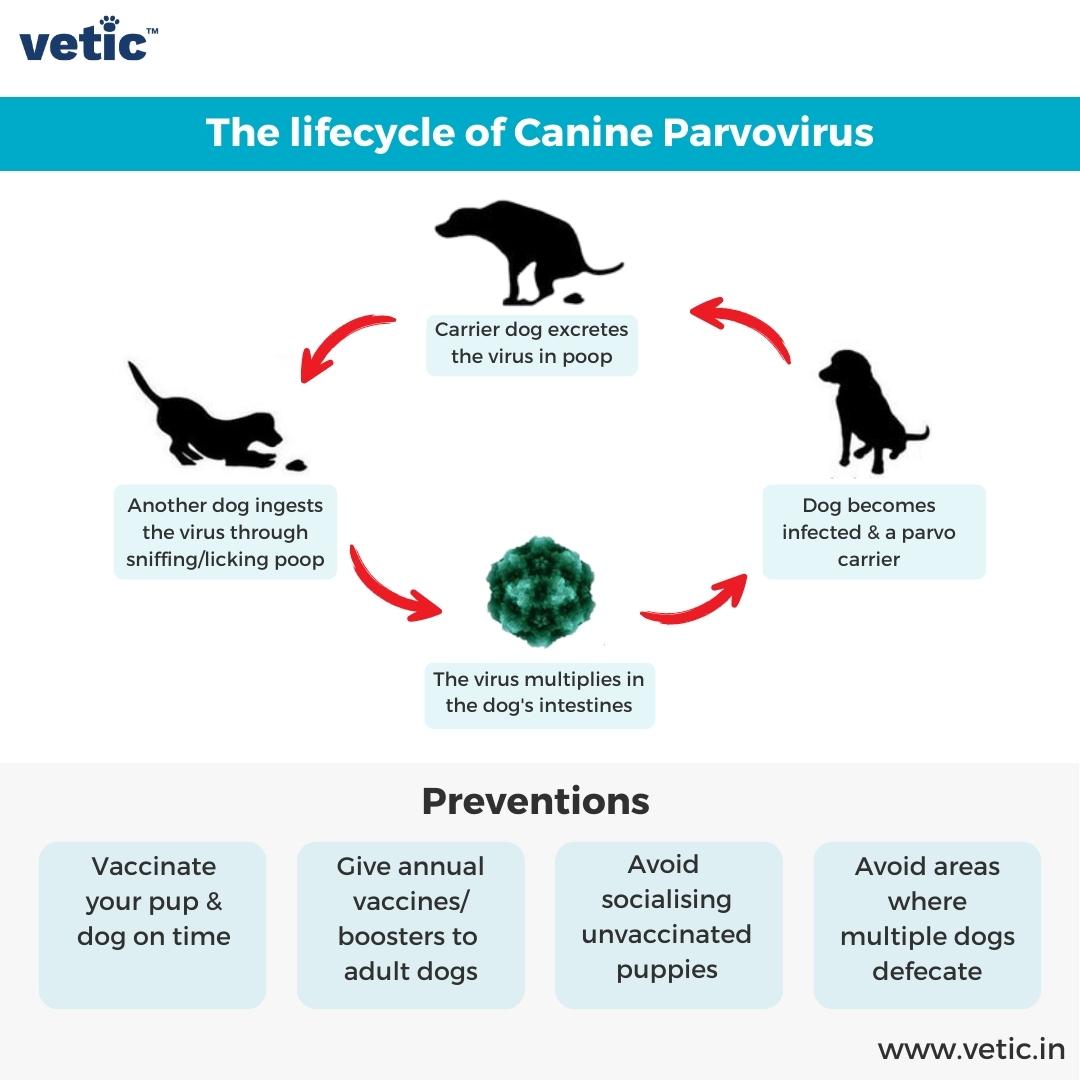
Beyond development, technology is enhancing how vaccines are tracked and administered. Digital vaccination records, often managed through secure cloud-based platforms or even blockchain technology, provide a tamper-proof and easily accessible history of a dog’s vaccination status. This is crucial for breeders, boarding facilities, and pet owners to ensure compliance with vaccination protocols, which directly impacts the herd immunity against parvovirus.
Furthermore, the development of smart devices and wearable technology for pets, while still emerging for disease-specific applications, holds potential for proactive health monitoring. Imagine a future where a smart collar could detect subtle changes in a dog’s activity levels or body temperature, correlating with early signs of illness and prompting an owner to seek veterinary attention or diagnostic testing. This proactive, tech-driven approach to preventative care could significantly reduce the incidence and severity of parvovirus outbreaks.
Leveraging Digital Platforms for Education and Public Health
The rapid dissemination of accurate information is a critical component of public health efforts against parvovirus. Digital platforms, including websites, social media, and dedicated mobile applications, have become indispensable tools for educating pet owners, breeders, and the general public about parvovirus. These platforms allow for the sharing of up-to-date information on symptoms, transmission, prevention, and the importance of vaccination.
Veterinary organizations and public health agencies utilize these digital channels to launch targeted awareness campaigns, especially during periods of increased risk. Data analytics derived from social media engagement and website traffic can help tailor these campaigns to reach the most at-risk demographics. Moreover, interactive tools like symptom checkers, powered by AI and curated by veterinary professionals, can guide pet owners on when to seek professional help, potentially leading to earlier diagnosis and intervention. The interconnectedness of the digital world allows for a swift and broad response to emerging health concerns, making parvovirus less of a threat through informed pet ownership.
The Future of Canine Parvovirus Management: AI, Big Data, and Precision Veterinary Medicine
The trajectory of managing canine parvovirus is inextricably linked to the continued evolution of technology. We are moving towards an era of precision veterinary medicine, where data-driven insights and advanced technological tools enable highly personalized approaches to disease prevention and treatment.
Artificial Intelligence in Predictive Analytics and Outbreak Response
The potential of AI in veterinary medicine is vast, and its application to parvovirus is a prime example. AI algorithms can analyze complex datasets, including genetic information of the virus, environmental factors, and population health data, to predict potential outbreak hotspots. By identifying geographical areas or dog populations at higher risk, public health resources and preventative measures can be deployed more effectively.
Furthermore, AI-powered diagnostic tools are becoming more sophisticated. Beyond image analysis, AI is being developed to interpret complex biochemical markers and even genomic sequences, offering a more holistic view of a dog’s health status and its susceptibility to diseases like parvovirus. This predictive capability shifts the paradigm from reactive treatment to proactive prevention and early intervention, significantly improving outcomes for affected animals.
Big Data and its Role in Understanding Viral Evolution and Vaccine Efficacy
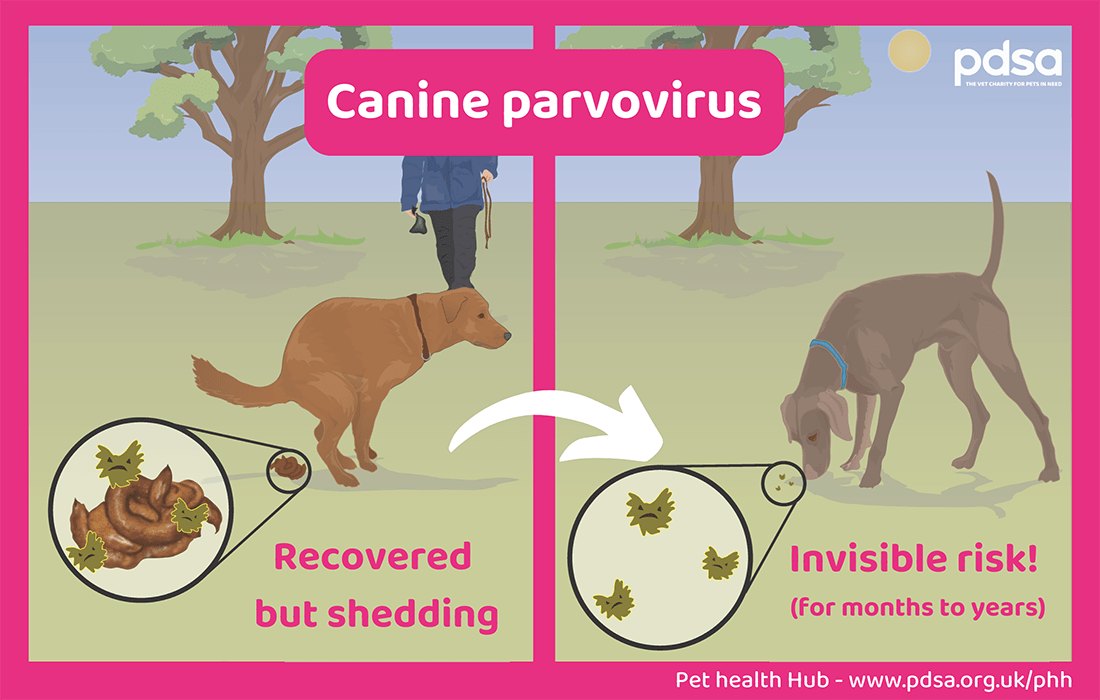
The ability to collect, store, and analyze massive datasets – Big Data – is transforming our understanding of parvovirus. By pooling anonymized diagnostic and epidemiological data from across the globe, researchers can gain unprecedented insights into viral evolution, the emergence of new strains, and the factors influencing their spread. This Big Data approach is crucial for ensuring that vaccines remain effective against circulating viral variants and for identifying any potential resistance developing over time.
The impact of Big Data extends to evaluating the real-world efficacy of vaccination programs. By analyzing vaccination rates against reported parvovirus cases, public health bodies can assess the effectiveness of current strategies and identify areas where interventions may be needed. This continuous feedback loop, powered by technology, ensures that our approach to managing parvovirus is dynamic and responsive to the ever-changing landscape of infectious diseases.
In conclusion, while parvovirus remains a significant health concern for dogs, the relentless march of technological innovation offers powerful new weapons in our arsenal. From the precision of PCR diagnostics and the predictive power of AI to the educational reach of digital platforms and the comprehensive insights of Big Data, technology is fundamentally reshaping how we combat this disease. By embracing these advancements, we are not only improving the health and well-being of individual dogs but also building a more resilient and technologically-informed future for canine health.
aViewFromTheCave is a participant in the Amazon Services LLC Associates Program, an affiliate advertising program designed to provide a means for sites to earn advertising fees by advertising and linking to Amazon.com. Amazon, the Amazon logo, AmazonSupply, and the AmazonSupply logo are trademarks of Amazon.com, Inc. or its affiliates. As an Amazon Associate we earn affiliate commissions from qualifying purchases.