
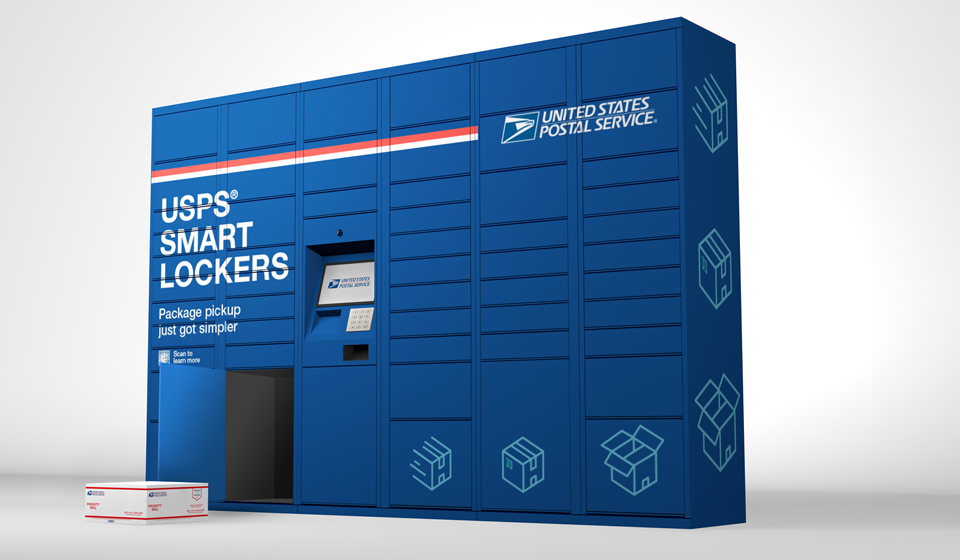
The United States Postal Service (USPS) has been a cornerstone of American commerce and communication for centuries. While its traditional services like letter delivery and package shipping remain vital, the organization is continually evolving to meet the demands of a rapidly modernizing world. One significant manifestation of this evolution is the introduction and expansion of USPS Parcel Lockers. These automated, secure self-service kiosks are transforming how consumers receive packages, offering a blend of convenience, security, and flexibility that addresses some of the inherent challenges in traditional doorstep delivery. This article delves into the world of USPS Parcel Lockers, exploring their technological underpinnings, operational nuances, and the broader implications for both consumers and the postal service itself.

The Technological Framework of USPS Parcel Lockers
USPS Parcel Lockers are more than just glorified mailboxes; they represent a sophisticated integration of hardware, software, and network connectivity designed for efficient and secure package management. The technology behind these lockers is central to their functionality, enabling a seamless user experience from notification to retrieval.
Smart Locking Mechanisms and Sensor Technology
At the heart of each parcel locker unit is an advanced locking system. These are not simple mechanical locks but rather electronically controlled actuators that respond to digital commands. When a package is deposited into a locker, sensors within the compartment confirm its presence and size, ensuring it fits securely. These sensors also play a crucial role in verifying that the locker door has been properly closed and locked. The locking mechanism itself is robust, designed to prevent unauthorized access and tampering, thus safeguarding the contents of the locker. The system is built to withstand various environmental conditions, ensuring reliable operation both indoors and outdoors.
Networked Connectivity and Real-Time Data Management
USPS Parcel Lockers are not standalone units; they are part of an interconnected network. Each locker is equipped with network capabilities, typically via cellular or Wi-Fi, allowing it to communicate with USPS’s central management system in real-time. This connectivity is fundamental for several key operations:
- Notification System: When a package is placed in a locker for a recipient, the system immediately updates its status. This triggers an automated notification to the recipient, usually via email or SMS, containing a unique access code and instructions for retrieval.
- Inventory Management: The network enables USPS to monitor the occupancy of each locker in real-time. This allows for efficient routing of incoming packages and helps in identifying locker banks that are nearing capacity, prompting timely restocking or maintenance.
- Security Monitoring: The system can also monitor the status of individual locker doors and the overall health of the unit. Any anomalies, such as a door being forced open or a system malfunction, can be flagged for immediate attention.
- Data Analytics: The collected data provides valuable insights into package volumes, peak usage times, and geographical demand. This information is crucial for USPS’s strategic planning, including the optimal placement of new locker locations and the allocation of resources.
User Interface and Access Control
The user interface of a USPS Parcel Locker is designed for simplicity and accessibility. Typically, this involves a touchscreen display and a keypad. The process is streamlined:
- Notification: The recipient receives a notification with a unique access code.
- Arrival at Locker: The recipient visits the locker location and selects the option to “Retrieve Package” on the touchscreen.
- Authentication: The recipient enters their access code. Some systems may also offer additional authentication methods for enhanced security.
- Locker Identification: The system identifies which specific locker compartment contains the recipient’s package and communicates this to the user via the screen.
- Access Grant: Upon successful authentication, the designated locker door electronically unlocks.
- Retrieval: The recipient opens the compartment, retrieves their package, and closes the door. The system then automatically re-locks the compartment.
The technology ensures that only the intended recipient, armed with the correct access code, can open their designated locker. This digital access control is a significant upgrade from traditional methods, reducing the risk of package theft and misdelivery.
Operational Efficiency and User Experience
The technology powering USPS Parcel Lockers translates directly into operational efficiencies for the postal service and an improved experience for customers. The adoption of these lockers represents a strategic shift towards a more modern, decentralized delivery model.
Streamlining Last-Mile Delivery
Traditionally, the “last mile” of delivery – the final leg of a package’s journey from a local facility to the recipient’s doorstep – is the most complex and costly part of the shipping process. By using parcel lockers, USPS can consolidate deliveries to a single point within a neighborhood or building complex. This means:
- Reduced Delivery Attempts: Instead of attempting to deliver to multiple individual residences, carriers can deliver a batch of packages to a locker bank. This significantly reduces the number of stops, saving time and fuel.
- Lower Redelivery Costs: Missed deliveries and the subsequent redelivery attempts are a major source of inefficiency and cost for postal services. Lockers eliminate this problem by providing a secure holding location that recipients can access at their convenience.
- Optimized Carrier Routes: With fewer individual stops, carrier routes can be optimized for greater efficiency, allowing them to cover more ground or handle higher volumes.
Enhanced Security and Reduced Theft
Package theft, often referred to as “porch piracy,” has become a growing concern for consumers. USPS Parcel Lockers offer a robust solution by moving package handoff from the exposed doorstep to a secure, access-controlled environment.
- Elimination of Porch Piracy: Once a package is secured within a locker, it is protected from theft until the recipient collects it. This provides peace of mind for both the sender and the recipient.
- Protection from Elements: Beyond theft, packages left on doorsteps are also vulnerable to weather damage. Lockers shield packages from rain, snow, and excessive heat.
- Reduced Risk of Misdelivery: The automated system and unique access codes minimize the chance of a package being delivered to the wrong address or collected by an unauthorized individual.
Flexible and Convenient Access for Recipients
The primary driver for the widespread adoption of parcel lockers is the enhanced convenience they offer to consumers, who increasingly demand flexibility in how and when they receive their purchases.
- 24/7 Access: Many parcel locker locations are accessible around the clock, allowing recipients to pick up their packages at any time that suits their schedule, whether it’s early in the morning, late at night, or during a lunch break.
- Consolidated Deliveries: For households with multiple online orders, lockers can consolidate packages from different retailers (if they are shipped via USPS) into a single, easy-to-access location.
- No Waiting for Pickups: Unlike traditional post office pickups, lockers eliminate the need to wait in line or adhere to specific post office hours. The retrieval process is typically very quick.
- Remote Location Options: Parcel lockers can be strategically placed in a variety of locations, including apartment complexes, university campuses, retail centers, and public transportation hubs, bringing the delivery point closer to where people live, work, and commute.
Integration with USPS Services and Future Potential
USPS Parcel Lockers are not an isolated initiative but rather a component of a broader strategy to modernize USPS operations and enhance its service offerings. Their integration with existing USPS platforms and their potential for future expansion are key to their long-term success.
Seamless Integration with USPS Platforms
For the user experience to be truly seamless, the parcel locker system must integrate effectively with other USPS digital services.
- Tracking and Notifications: Tracking information for packages directed to lockers is integrated into the existing USPS tracking system. Recipients receive timely updates and a clear notification when their package is ready for pickup. This is often managed through the USPS website or its mobile app.
- Sender Options: Senders can select parcel locker delivery as an option when shipping through USPS, similar to selecting home delivery or post office pickup. This capability is being rolled out across various USPS shipping platforms.
- Customer Support: While the automated system aims to minimize issues, there is a clear need for integrated customer support channels to address any problems that may arise, such as a locker not opening or a damaged package.
Expanding Reach and Accessibility
The USPS is continuously working to expand its network of parcel lockers to make this service accessible to a larger segment of the population.
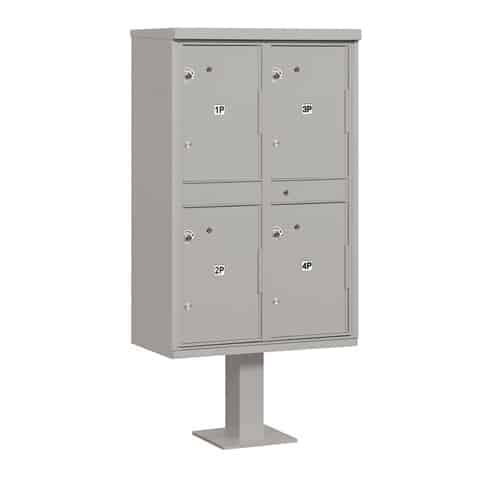
- Strategic Placement: The placement of new locker units is guided by data analytics, considering population density, package volume trends, and the demand for convenient delivery options. Locations are being strategically chosen in both urban and suburban areas.
- Partnerships: USPS is likely to collaborate with various partners, including property managers of apartment buildings, universities, and even retailers, to install and service locker units in convenient, high-traffic locations.
- Service Expansion: Beyond package retrieval, there is potential for parcel lockers to evolve into multi-functional service points, perhaps offering options for returns, stamp purchases, or even basic customer service inquiries in the future.
The Future of Parcel Locker Technology
The evolution of parcel locker technology is far from over. Several advancements are on the horizon that could further enhance their utility and user experience.
- Biometric Authentication: Future iterations could incorporate biometric authentication, such as fingerprint or facial recognition, for even more secure and convenient access, eliminating the need to remember or type in access codes.
- Smart Package Handling: Advancements in robotics and AI could lead to lockers that can automatically sort and deposit packages into their designated compartments, further increasing efficiency.
- Environmental Monitoring: Lockers could be equipped with sensors to monitor environmental conditions within compartments, ensuring packages are stored at optimal temperatures, especially for sensitive items.
- Integrated Returns: The functionality could be expanded to allow for easy package returns directly through the lockers, streamlining the reverse logistics process for both consumers and businesses.
In conclusion, USPS Parcel Lockers represent a significant technological leap in package delivery. By leveraging smart technology, networked connectivity, and user-centric design, they are addressing critical challenges in last-mile logistics, enhancing security, and providing unprecedented convenience for consumers. As the USPS continues to innovate and expand its parcel locker network, these secure, automated kiosks are poised to become an increasingly integral part of the modern mail and package delivery ecosystem.
aViewFromTheCave is a participant in the Amazon Services LLC Associates Program, an affiliate advertising program designed to provide a means for sites to earn advertising fees by advertising and linking to Amazon.com. Amazon, the Amazon logo, AmazonSupply, and the AmazonSupply logo are trademarks of Amazon.com, Inc. or its affiliates. As an Amazon Associate we earn affiliate commissions from qualifying purchases.