
The term “Murph” has gained significant traction within a specific domain, often sparking curiosity among those who encounter it. While it might sound like a colloquialism or a personal nickname, in the context of the fitness world, “Murph” refers to a specific, incredibly demanding, and highly respected workout. This workout, named in honor of a fallen hero, has become a benchmark of physical and mental fortitude for athletes, military personnel, and fitness enthusiasts alike. Understanding the origins, the execution, and the profound significance of Murph is key to appreciating its place in the landscape of modern functional fitness.
The Genesis of Murph: A Tribute to a Hero
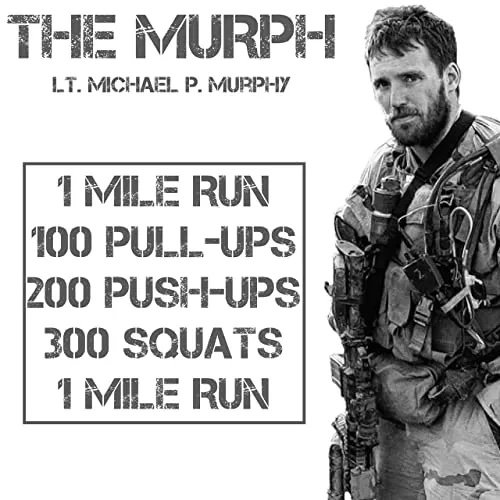
The workout known as “Murph” is more than just a physical challenge; it’s a powerful memorial. Its origins are deeply rooted in the story of Lieutenant Michael P. Murphy, a United States Navy SEAL who was killed in action in Afghanistan in 2005 during Operation Red Wings. He was posthumously awarded the Medal of Honor for his extraordinary heroism.
Lieutenant Michael P. Murphy: A Life of Service and Sacrifice
Michael P. Murphy was born on May 7, 1976, in Patchogue, New York. From a young age, he displayed a strong sense of duty and a commitment to service. He graduated from Pennsylvania State University in 1998, where he was a member of the Naval Reserve Officers Training Corps (NROTC). Upon commissioning, he joined the Navy SEALs, an elite special operations force known for its rigorous training and demanding missions.
Murphy’s distinguished career included multiple deployments to Afghanistan and Iraq. He was a highly skilled and courageous SEAL, known for his leadership and his unwavering dedication to his team. His final mission, on June 28, 2005, saw him and his SEAL team ambushed while attempting to capture a Taliban leader. Despite being critically wounded, Murphy repeatedly exposed himself to enemy fire to call for backup, ultimately saving the lives of his remaining team members. He succumbed to his injuries, a true testament to his bravery and sacrifice.
The Birth of the Workout: “Forged in the Name of the Fallen”
Following Lieutenant Murphy’s death, his fellow SEALs, and the broader military community, sought a way to honor his memory and embody the spirit of sacrifice and resilience he represented. The workout that is now famously known as “Murph” was one such initiative. It was designed to be a grueling test of endurance, strength, and mental toughness, reflecting the challenges faced by soldiers in combat.
The workout was initially performed by SEALs and later adopted by other military branches and CrossFit gyms worldwide. It quickly gained popularity as a challenging benchmark that allowed individuals to push their limits and pay homage to Lieutenant Murphy’s heroism. The annual Memorial Day Murph, held on the last Monday of May, has become a widespread tradition, bringing together thousands of people to participate in the workout as a collective act of remembrance and respect.
The Anatomy of the Murph Workout: A Comprehensive Breakdown
At its core, the Murph workout is deceptively simple in its components, yet brutally effective in its execution. It requires a specific sequence of exercises to be completed with minimal rest, pushing participants to their physical and mental limits.
The Core Components: A Trifecta of Endurance and Strength
The Murph workout consists of the following:
- 1-mile run: This is the opener, designed to elevate the heart rate and prepare the body for the subsequent exercises.
- 100 pull-ups: A classic bodyweight exercise that targets the upper body, specifically the back and biceps.
- 200 push-ups: Another fundamental bodyweight exercise focusing on the chest, shoulders, and triceps.
- 300 squats: A foundational lower body exercise that works the quadriceps, hamstrings, and glutes.
- 1-mile run: The finisher, demanding a strong mental and physical push to complete after the preceding exertion.
The “Partitioning” Strategy: Maximizing Efficiency and Minimizing Fatigue
While the exercises are straightforward, the order in which they are performed is crucial for managing fatigue and completing the workout within a reasonable timeframe. The most common strategy, and the one that allows for the most efficient completion, is to break down the bodyweight repetitions into smaller, manageable sets. This is often referred to as “partitioning” the reps.
The most popular partitioning strategy involves performing the repetitions in sets of 20 pull-ups, 40 push-ups, and 60 squats, repeated five times. This structure allows for more frequent, shorter bursts of each exercise, interspersed with a brief recovery before moving to the next block. For example, a participant might perform 20 pull-ups, followed by 40 push-ups, followed by 60 squats, and then repeat this sequence four more times. This approach helps to prevent muscular failure and allows for a more consistent pace throughout the workout.
Another common partitioning method is the “5-10-15” approach, where you complete 5 pull-ups, 10 push-ups, and 15 squats, repeating this 20 times. This is a more granular breakdown and can be beneficial for individuals who are not yet able to complete larger sets. Regardless of the chosen partitioning strategy, the goal remains the same: to complete all the prescribed repetitions and miles as efficiently as possible.
The Weighted Vest: Elevating the Challenge
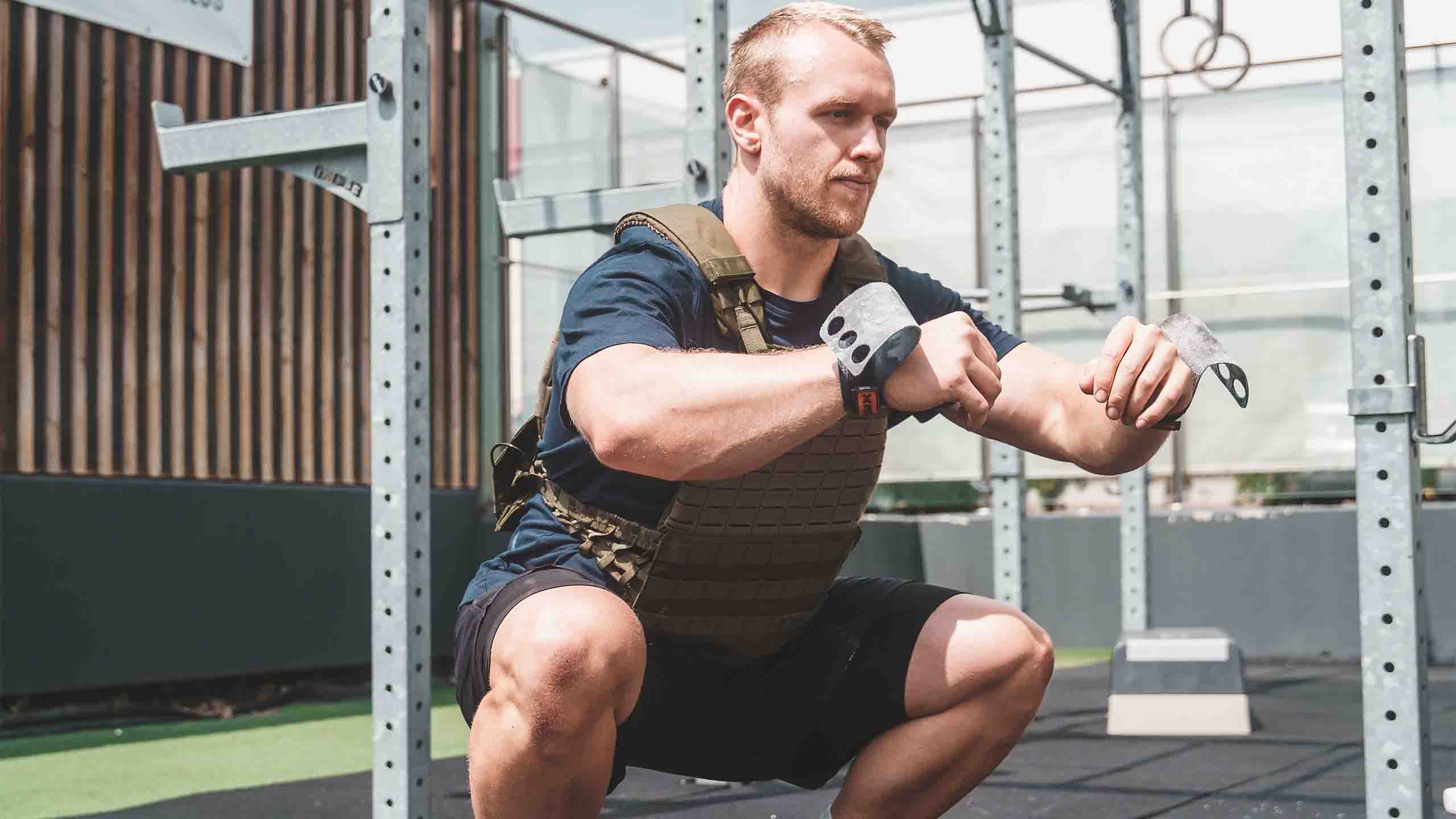
A significant variation of the Murph workout involves the addition of a weighted vest. This is a common practice, particularly in competitive settings and among seasoned athletes. The weight of the vest typically ranges from 10 to 20 pounds, but can be customized based on an individual’s strength and conditioning level.
Wearing a weighted vest significantly increases the difficulty of the workout. The added load places greater stress on the cardiovascular system and musculoskeletal structures, demanding more from every repetition of pull-ups, push-ups, and squats. The runs also become more challenging, requiring increased effort to propel the added weight forward. The weighted Murph is a testament to the commitment of those who undertake it, pushing the boundaries of human endurance and strength.
The Significance of Murph: More Than Just a Workout
The Murph workout transcends its physical demands; it carries a profound symbolic weight that resonates deeply within the fitness community and beyond. It’s a workout that tests not only the body but also the mind, fostering a unique sense of accomplishment and camaraderie.

A Test of Mental Fortitude and Grit
One of the most significant aspects of Murph is its mental challenge. The sheer volume of repetitions and the continuous nature of the workout can be daunting. There are moments during Murph when the body screams to stop, when the muscles ache, and the lungs burn. It is in these moments that mental fortitude becomes paramount. The ability to push through discomfort, to maintain focus, and to persevere despite the urge to quit is what truly defines success in Murph. This mental toughness translates to other areas of life, teaching resilience and the power of the human will.
Camaraderie and Collective Achievement
While Murph can be performed individually, it is often tackled in groups, especially during the Memorial Day tradition. The shared experience of pushing through this formidable workout fosters a strong sense of camaraderie. Participants cheer each other on, offer words of encouragement, and share in the collective struggle and eventual triumph. This communal aspect amplifies the significance of the workout, turning individual effort into a shared act of remembrance and support. The bond formed through completing Murph together is often described as profound and lasting.
A Modern Memorial and a Symbol of Resilience
Murph has evolved into a modern memorial for Lieutenant Michael P. Murphy and all those who have served and sacrificed for their country. By participating in the workout, individuals are not just exercising; they are actively engaging in a tangible act of remembrance. It’s a way to connect with the sacrifices made and to embody the spirit of service and resilience that Murphy exemplified. The workout serves as a powerful reminder of the values of courage, discipline, and selflessness, inspiring participants to strive for more in their own lives.
Mastering the Murph: Strategies for Success
Conquering the Murph workout requires more than just brute strength; it demands strategic preparation, intelligent execution, and a deep understanding of one’s own physical capabilities. For those aspiring to take on this ultimate test, a thoughtful approach is essential.
Building the Foundation: Essential Training Components
Before attempting Murph, especially the weighted version, a solid base of strength and cardiovascular fitness is crucial. This foundation is built through consistent training that targets the specific demands of the workout.
Strength Training: Building the Engine
The core strength exercises within Murph – pull-ups, push-ups, and squats – need dedicated attention.
- Pull-ups: For those who cannot yet perform unassisted pull-ups, assisted pull-up machines, resistance bands, or even inverted rows are excellent starting points. Gradually reducing assistance and increasing repetitions is key. Focus on proper form, engaging the back muscles and controlling the descent.
- Push-ups: A variety of push-up variations, including incline, decline, and knee push-ups, can help build strength. Aim for full range of motion and controlled movements.
- Squats: Bodyweight squats are fundamental, but incorporating variations like front squats, goblet squats, and weighted squats can significantly improve leg strength and endurance. Proper squat mechanics, with a deep, controlled descent, are vital.
Cardiovascular Conditioning: Fueling the Fire
The running components of Murph are significant. Regular cardiovascular training, including long-distance running and interval training, will improve your aerobic capacity and your ability to recover between sets. Incorporating hill sprints or tempo runs can also enhance your endurance and mental toughness for the runs.
Strategic Approaches to Execution
Once the foundational fitness is established, strategic planning for the workout itself becomes paramount.
Pacing and Partitioning: The Art of Efficiency
As discussed earlier, how you partition the repetitions is critical. Experiment with different partitioning strategies during your training to find what works best for your body. The goal is to find a rhythm that allows you to maintain consistent effort without hitting a wall too early. Avoid doing large, unbroken sets of pull-ups or push-ups unless you are exceptionally proficient. Breaking them down into smaller, more frequent sets is almost always more effective for completing the entire workout.
Mental Preparation: The Unseen Advantage
The mental game is as important as the physical. Visualize yourself completing the workout successfully. Break down the challenge into smaller, achievable goals. Focus on one set, one rep, or one mile at a time. When fatigue sets in, remind yourself of why you are doing this – to honor Lieutenant Murphy, to test your own limits, or to achieve a personal best. Develop mental cues or mantras that can help you push through difficult moments.
Recovery and Nutrition: Rebuilding and Replenishing
Adequate recovery is vital for muscle repair and performance. Ensure you are getting enough sleep and incorporating rest days into your training schedule. Proper nutrition, rich in lean protein, complex carbohydrates, and healthy fats, will provide the fuel for your workouts and aid in recovery. Hydration is also critical; drink plenty of water throughout the day, especially on training days.
The Enduring Legacy of Murph
The Murph workout has cemented its place in the pantheon of challenging fitness benchmarks. It is a testament to the power of tribute, the resilience of the human spirit, and the enduring impact of those who make the ultimate sacrifice. More than just a physical endeavor, Murph is a ritual of remembrance, a test of character, and a symbol of the strength that can be found when we push beyond our perceived limitations. Whether performed on Memorial Day or any other day of the year, the echoes of Lieutenant Michael P. Murphy’s bravery resonate through every mile run, every pull-up completed, and every push-up executed, inspiring individuals to be stronger, more resilient, and more dedicated to their own personal journeys of fortitude.
aViewFromTheCave is a participant in the Amazon Services LLC Associates Program, an affiliate advertising program designed to provide a means for sites to earn advertising fees by advertising and linking to Amazon.com. Amazon, the Amazon logo, AmazonSupply, and the AmazonSupply logo are trademarks of Amazon.com, Inc. or its affiliates. As an Amazon Associate we earn affiliate commissions from qualifying purchases.