
Jersey material, a term almost as ubiquitous as the garments it forms, evokes a sense of comfort, versatility, and often, a direct connection to athletic performance and casual wear. For brands in the apparel sector, understanding the nuances of jersey fabric is not merely an operational consideration; it’s a fundamental aspect of brand identity, product development, and consumer perception. The choice of jersey, its specific weave, composition, and finish, directly impacts the tactile experience, the drape of a garment, its durability, and ultimately, how a brand’s message of quality, style, or performance is communicated to its audience. This article will delve into the multifaceted world of jersey material, exploring its origins, variations, and the strategic brand implications of its use.

The Enduring Appeal of Jersey: From Origins to Modern Applications
The very name “jersey” hints at its historical roots, a testament to its enduring presence in textile history. Understanding this heritage provides crucial context for how brands leverage its qualities today.
A Tale of Two Islands: The Genesis of Jersey Fabric
The origins of jersey material are intrinsically linked to the Channel Island of Jersey. Historically, the local sheep on the island produced a wool that was exceptionally fine and elastic. Fishermen and farmers, needing durable yet flexible clothing for their demanding lives, developed a knitting technique that produced a smooth, single-knit fabric. This fabric was characterized by its elasticity, its ability to stretch without losing its shape, and its comfortable, soft handle. This inherent stretch was revolutionary for its time, allowing for greater freedom of movement than traditional woven fabrics.
The invention of the circular knitting machine in the mid-19th century democratized the production of jersey fabric, moving it beyond its artisanal origins. This technological advancement made jersey more accessible and affordable, paving the way for its widespread adoption in various forms of apparel. Brands quickly recognized its potential for creating comfortable, everyday clothing, and its association with ease and movement began to solidify.
The Modern Jersey Palette: Variations and Brand Signatures
While the foundational principles of jersey knitting remain, the material itself has evolved dramatically, offering brands a diverse palette to craft their collections. The key lies in the variations of composition and weave, each imbuing the fabric with distinct characteristics that can align with a brand’s specific positioning.
Compositions: The Foundation of Feel and Function
The most significant differentiator in modern jersey materials is their composition. While historically wool was dominant, today’s jersey is a blend of natural and synthetic fibers, each contributing unique properties that brands can exploit to define their product’s feel, performance, and price point.
-
Cotton Jersey: This is perhaps the most common and recognizable form of jersey. Brands often opt for 100% cotton jersey for its breathability, softness, and hypoallergenic qualities. High-quality cotton, such as Pima or Supima, is favored by premium brands for its superior softness and durability, conveying a sense of luxury and comfort. Organic cotton jersey appeals to brands with a sustainability focus, allowing them to communicate ethical sourcing and environmental responsibility. The versatility of cotton jersey makes it a cornerstone for casual wear, t-shirts, and loungewear, where comfort is paramount.
-
Polyester Jersey: Synthetic fibers like polyester offer enhanced durability, wrinkle resistance, and moisture-wicking properties. This makes polyester jersey a popular choice for activewear and performance apparel brands. Its ability to hold vibrant colors and resist fading is also a significant advantage for brands aiming for bold graphics and long-lasting visual appeal. Blends of polyester with cotton or other fibers can offer a balance of comfort and performance, catering to a wider market.
-
Rayon/Viscose/Modal/Lyocell Jersey: These regenerated cellulose fibers offer a luxurious drape, a silky smooth feel, and excellent breathability, often surpassing cotton. Brands looking to evoke a sense of elegance, fluidity, and sophisticated comfort often choose these jersey variations. Modal and Lyocell, in particular, are known for their exceptional softness and eco-friendly production processes, aligning with brands focused on premium comfort and sustainability.
-
Blended Jerseys: The true artistry for many brands lies in creating custom blends. Combining cotton with spandex, for instance, results in a jersey that retains the breathability of cotton but gains significant stretch and shape retention – ideal for form-fitting garments or those requiring greater flexibility. Blends with wool can offer warmth and natural odor resistance, suitable for transitional weather apparel. The strategic use of blends allows brands to fine-tune the performance characteristics, tactile experience, and price point of their products.
Weaves and Knits: The Subtle Art of Texture
While “jersey” typically refers to a single knit, variations in the knitting process and the introduction of different yarn types can subtly alter the fabric’s texture and appearance, offering brands opportunities for subtle differentiation.
-
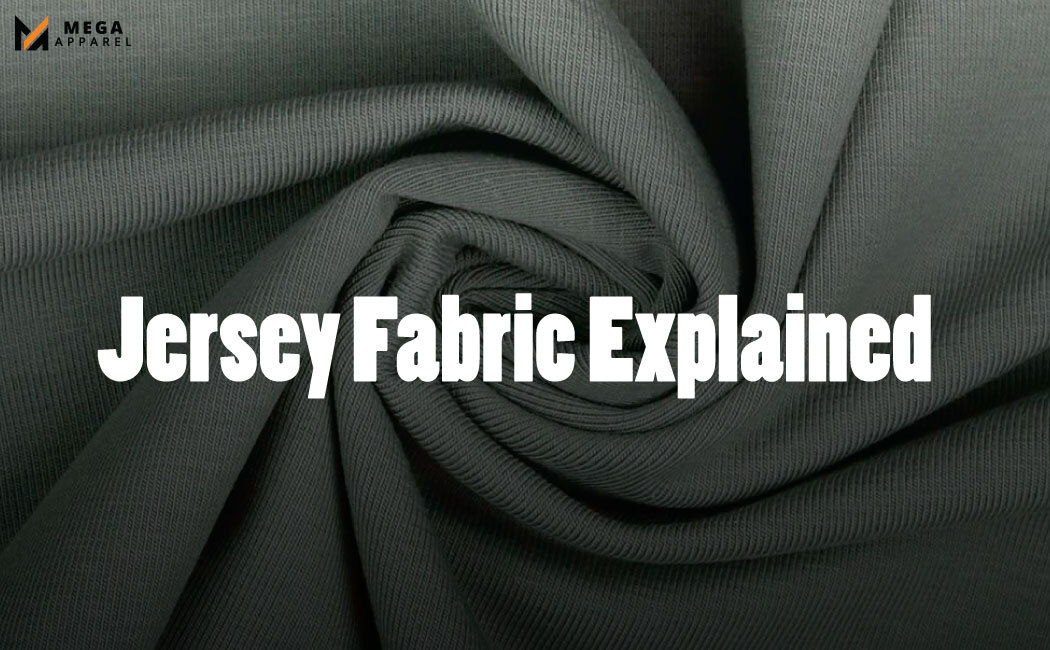
Single Jersey (Plain Jersey): This is the most common type, characterized by its smooth face and slightly ribbed back. It’s lightweight, comfortable, and drapes well, making it the go-to for everyday t-shirts and tops. Brands that prioritize effortless style and everyday comfort often rely heavily on high-quality single jersey.
-
Double Jersey (Ponte Knit, Interlock): These knits are created using two sets of needles, resulting in a thicker, more stable fabric with a smooth finish on both sides. Double jersey offers excellent structure, making it suitable for more structured garments like dresses, skirts, and jackets. Brands that aim for a polished, structured look without sacrificing comfort will often choose double jersey. Ponte knit, a popular type of double jersey, is particularly prized for its smooth finish and flattering drape.
-
Rib Knit Jersey: Characterized by its prominent vertical ribs, this jersey offers exceptional elasticity and recovery. It’s often used for cuffs, neckbands, and fitted garments where a snug yet comfortable fit is desired. Brands might use rib knit jersey strategically to highlight specific design elements or to create garments with a more vintage or athletic aesthetic.
The Brand Lexicon: Jersey as a Communicator of Value and Identity

For a brand, the choice of jersey material is far from arbitrary. It’s a deliberate decision that speaks volumes about the brand’s values, target audience, and the story it wishes to tell.
Crafting the Consumer Experience: Tactility, Comfort, and Performance
The sensory experience of clothing is paramount to consumer satisfaction. Jersey material, in its myriad forms, plays a critical role in this.
-
The Promise of Comfort: Brands that build their identity around comfort – be it for loungewear, casual essentials, or activewear – will meticulously select jersey compositions that deliver on this promise. The softness of premium cotton, the fluid drape of modal, or the gentle stretch of a cotton-spandex blend all contribute to a feeling of well-being for the wearer. This tactile comfort becomes synonymous with the brand itself, creating a loyal customer base that seeks out that familiar, pleasant sensation.
-
The Performance Edge: For athletic and outdoor brands, the functional attributes of jersey are paramount. Moisture-wicking polyester or breathable blends are not just about fabric; they are about enabling the wearer to perform at their best. Brands in this space will highlight these performance characteristics, using the jersey material as a tangible representation of their commitment to innovation and supporting an active lifestyle. The durability and ease of care of certain jersey types also contribute to the perception of value and practicality.
-
The Signature Drape and Silhouette: The way a garment hangs and moves is deeply influenced by the fabric. Jersey’s natural elasticity and drape allow for a wide range of silhouettes, from relaxed and flowing to form-fitting and sculpted. Brands that emphasize elegant lines or body-conscious designs will select jerseys that provide the desired fluidity and shape retention, ensuring their garments flatter the wearer and embody the brand’s aesthetic. A brand’s signature silhouette can be instantly recognizable, and the jersey used to achieve it becomes an integral part of that recognition.
Strategic Differentiation: Beyond the Basic Tee
While the t-shirt is a ubiquitous garment, the discerning use of jersey material allows brands to elevate even the simplest of items and to create distinctive product lines.
-
Elevating the Everyday: Premium brands can transform basic jersey staples into aspirational pieces by investing in superior cottons, unique blends, or specialized finishes. The difference between a standard cotton t-shirt and one made from Supima cotton with a meticulously engineered fit and a subtle brand logo lies in the perceived value, which is intrinsically tied to the material choice. This approach allows brands to command higher price points and to cultivate an image of understated luxury.
-
Building a Performance Narrative: Activewear brands will often develop proprietary jersey blends, marketed with specific names and performance claims. These custom fabrics become a key selling proposition, differentiating them from competitors and reinforcing their expertise in athletic apparel. The technological innovation behind these jersey materials is then woven into the brand’s marketing narrative, creating a compelling story that resonates with performance-oriented consumers.
-
Championing Sustainability: The growing consumer demand for ethically produced and environmentally conscious products has made jersey material a focal point for sustainable branding. Brands are increasingly turning to organic cotton, recycled polyesters, and Tencel™ Lyocell jersey. By transparently communicating the origin and production methods of their jersey materials, brands can build trust and loyalty with a conscious consumer base, positioning themselves as responsible stewards of the planet. This commitment to sustainable sourcing becomes a core tenet of their brand identity.
The Future of Jersey in Brand Building: Innovation and Conscious Consumption
The evolution of jersey material is far from over. As consumer expectations shift and technological advancements continue, brands will find new and innovative ways to leverage this versatile fabric.
Material Innovation and the Next Generation of Jersey
The textile industry is constantly pushing the boundaries of fiber science and manufacturing. This innovation directly impacts the possibilities for jersey material.
-
Smart Textiles and Enhanced Functionality: Future jersey materials may incorporate integrated technologies, such as temperature regulation, UV protection, or even biometric monitoring. Brands that embrace these advancements will be at the forefront of performance apparel, offering consumers garments that are not just comfortable but also actively contribute to their well-being and performance.
-
Circular Economy and Biodegradability: The focus on sustainability is driving the development of jersey materials that are fully recyclable or biodegradable. Brands committed to a circular economy will prioritize these innovations, ensuring that their products have a minimal environmental footprint throughout their lifecycle. This commitment will become a powerful differentiator and a cornerstone of their brand ethos.
The Evolving Consumer and the Language of Fabric
Today’s consumers are more informed and discerning than ever before. They are not just buying a garment; they are buying into a brand’s story, its values, and its commitment to quality.
-
Transparency and Authenticity: Brands will need to be increasingly transparent about their use of jersey materials, from sourcing to production. Consumers want to know what they are wearing and how it was made. Brands that can provide this information authentically will build stronger connections with their audience. The material itself becomes a verifiable part of the brand’s promise.
-
The Tactile Connection: In an increasingly digital world, the tactile experience of clothing offers a unique and grounding connection. Brands that understand the power of a well-chosen jersey – one that feels good against the skin, drapes beautifully, and performs as expected – will continue to win consumer loyalty. This focus on the fundamental sensory appeal of the fabric remains a timeless strategy for brand building.
In conclusion, jersey material is far more than just a textile. For brands, it is a powerful tool for communication, a cornerstone of product development, and a critical element in shaping consumer perception. From its humble origins to its sophisticated modern iterations, jersey’s adaptability and inherent qualities make it a perpetual favorite. Brands that master the art of selecting, utilizing, and marketing their jersey materials will undoubtedly continue to weave successful narratives and build lasting connections with their customers.
aViewFromTheCave is a participant in the Amazon Services LLC Associates Program, an affiliate advertising program designed to provide a means for sites to earn advertising fees by advertising and linking to Amazon.com. Amazon, the Amazon logo, AmazonSupply, and the AmazonSupply logo are trademarks of Amazon.com, Inc. or its affiliates. As an Amazon Associate we earn affiliate commissions from qualifying purchases.