
The term “inseam” is a fundamental measurement in the world of apparel, particularly when it comes to trousers and, most crucially, jeans. For many consumers, understanding and correctly identifying their inseam measurement is the difference between a perfectly fitting pair of denim and a frustrating shopping experience. While seemingly a simple numerical value, the inseam plays a pivotal role in how jeans drape, feel, and ultimately, look on the wearer. This article delves into the intricacies of what constitutes an inseam, why it’s so vital for achieving the ideal jean fit, and how to accurately measure and utilize this information in your purchasing decisions.

The inseam is not merely a measurement; it’s a key descriptor that dictates the length of your jeans from a crucial internal point. When considering the vast array of styles, brands, and cuts available in the denim market, the inseam stands out as a consistent and essential piece of information for ensuring comfort and aesthetic appeal. Without a clear understanding of what the inseam represents and how it’s measured, navigating the complexities of jean shopping can lead to a trial-and-error process that is both time-consuming and potentially costly.
The Technical Definition and Measurement of Inseam
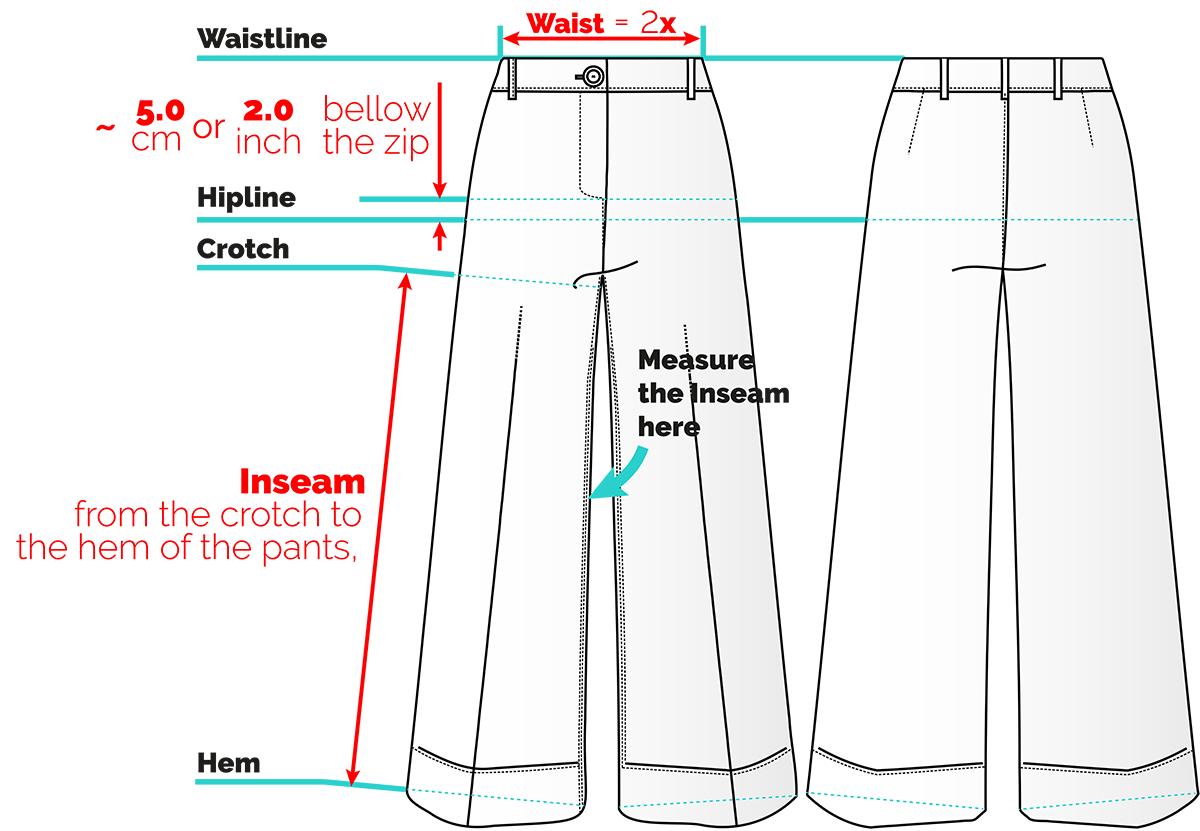
At its core, the inseam of a pair of jeans refers to the length of the fabric on the inside of the leg, from the crotch seam down to the hem. This measurement is taken along the inner side of the leg, distinguishing it from the outseam, which runs along the outer side of the leg from the waistband to the hem. The precise point where the inseam begins is critical; it’s typically at the very bottom of the stitch that joins the two leg pieces together at the crotch. The endpoint is unequivocally the bottom edge of the jean leg opening.
Understanding this definition is the first step in demystifying jean sizing. While many brands provide a general size (e.g., waist size 32, 34), the inseam offers a secondary, more granular layer of fit customization. It’s this specific measurement that determines how far down the leg your jeans will fall, impacting whether they bunch at the ankle, skim the shoe perfectly, or are too short.
How to Accurately Measure Your Inseam
To accurately determine your inseam, you can either measure a pair of well-fitting jeans you already own or measure yourself directly.
Measuring Existing Jeans:
- Lay Flat: Take a pair of jeans that fit you comfortably in length and lay them flat on a hard surface. Ensure the front and back are aligned smoothly, without any wrinkles or folds.
- Identify the Crotch Seam: Locate the seam where the two legs of the jeans are joined together at the crotch. This is usually a triangular or V-shaped seam.
- Measure from Crotch to Hem: Using a measuring tape, start at the absolute lowest point of the crotch seam. Extend the tape measure straight down the inside of one of the legs to the bottom edge of the hem. Be sure to keep the tape measure taut and aligned with the fabric.
- Record the Measurement: Note down the measurement in inches or centimeters. Most brands in the United States use inches for inseam measurements.
Measuring Yourself:
- Wear Light Clothing: Wear lightweight clothing or undergarments. It’s best to be barefoot or wear the type of footwear you typically wear with jeans.
- Stand Tall: Stand with your back against a wall, ensuring your posture is upright and your feet are together.
- Have a Helper: It is highly recommended to have another person assist with this measurement for accuracy.
- Position a Book or Level: Have your helper place a book, a ruler, or a T-square horizontally between your legs, as if it were the crotch of your jeans. This should be snug but not uncomfortably tight, ensuring it’s level.
- Measure from the Top of the Book to the Floor: Your helper will then measure from the top edge of the book (where the crotch seam would be) straight down to the floor. This measurement is your inseam length.
- Consider Shoe Height: If you plan to wear your jeans with specific shoes that have a significant heel, you might want to adjust the measurement slightly. For example, if you want your jeans to just touch the top of your boots, you’d measure to the top of the boot. However, for general purposes, measuring to the floor is standard.
It’s important to remember that different brands might have slight variations in their inseam measurements due to manufacturing tolerances. However, having your precise inseam length provides a solid baseline for comparison.
The Impact of Inseam on Jean Fit and Style
The inseam is a critical determinant of how a pair of jeans will fit and how they contribute to your overall style. It influences everything from the drape of the fabric to the way the hem interacts with your footwear. A correctly chosen inseam ensures comfort, elongates the leg, and prevents awkward bunching or an unkempt appearance.
Different Inseams for Different Looks and Silhouettes
The choice of inseam length is intrinsically linked to the desired aesthetic and the cut of the jeans. Different inseams are designed to complement specific styles and footwear.
-
Short Inseams (e.g., 28-30 inches): These are generally considered a “cropped” or “ankle” length. They are ideal for showcasing footwear, especially sneakers, sandals, or ankle boots. Short inseams can create a more casual and contemporary look. They work well with slimmer cuts of jeans, like skinny or straight leg, preventing excessive fabric from pooling around the ankle. For individuals with shorter legs, a shorter inseam can be a practical choice to avoid the need for alterations.
-
Medium Inseams (e.g., 31-33 inches): This range is often considered standard for most men and a common choice for women. A medium inseam typically falls to the top of the shoe or just slightly above the sole. This versatile length works well with a wide variety of jean styles, from straight leg to bootcut and even some relaxed fits. It provides a clean, polished look without being too long or too short, making it a safe and reliable choice for many occasions.
- Long Inseams (e.g., 34-36 inches and above): Longer inseams are designed to accommodate taller individuals or for those who prefer a stacked or slightly pooled effect at the ankle. This can be particularly desirable with very slim-fitting jeans (like super skinny jeans) where the extra fabric creates a deliberate “stack” over the shoe. It can also work with wider leg styles to ensure the hem reaches the desired point without appearing too short. However, for those who prefer a clean hemline, long inseams often require hemming to achieve the perfect fit.
How Inseam Affects Leg Length and Proportions
The inseam measurement has a significant influence on the perceived length of your legs and the overall proportion of your silhouette.
-
Elongating the Legs: A well-chosen inseam that ends precisely at the top of your shoe can create the illusion of longer legs. This is particularly true when wearing darker wash jeans or jeans in a color that matches your footwear. The continuous line from the hem to the shoe visually extends the leg.
-
Avoiding the “High Water” Look: Jeans that are too short, with an inseam that is significantly above the shoe, can create an unflattering “high water” effect. This can make the legs appear shorter and disproportionate.
-
The Problem of Excess Fabric: Conversely, jeans with an inseam that is too long can result in excess fabric bunching around the ankles. This can make your legs look shorter and wider, and the overall look can appear sloppy and unkempt, detracting from the intended style of the jeans. This is why understanding your ideal inseam is crucial, especially if you have a preference for a specific type of shoe.
Navigating Jean Purchases with Inseam Knowledge
Armed with the understanding of what inseam is and its importance, you can approach jean shopping with greater confidence and precision. This knowledge empowers you to make informed decisions, reduce returns, and ultimately, find denim that fits your body and your style perfectly.
Choosing the Right Inseam for Different Occasions and Styles
The inseam isn’t just about fit; it’s also a stylistic choice that can influence the formality and impression of your jeans.
-
Casual Everyday Wear: For a relaxed and casual look, a slightly shorter to standard inseam that just touches the top of your sneakers or casual shoes is ideal. This maintains a clean line and a comfortable feel.
-
Smart Casual and Dressing Up Denim: When aiming for a more polished look, a standard inseam that perfectly skims the top of your dress shoes or boots is key. This creates a streamlined silhouette that is more sophisticated. Consider a slightly longer inseam if you plan to wear heels, ensuring the hem grazes the top of the shoe without being overly long.
-
Fashion-Forward and Trendy Looks: For specific fashion statements, like the stacked denim trend with skinny jeans, a longer inseam might be intentionally chosen. Alternatively, a cropped or ankle-length inseam can be a deliberate stylistic choice to highlight statement footwear.

The Role of Inseam in Online Shopping and Customization
The digital age has revolutionized how we shop for clothing, and understanding inseam is paramount for success in online purchases.
-
Essential for Online Retailers: Most reputable online denim retailers will clearly list the inseam measurement alongside the waist size. This is a critical piece of information that allows shoppers to compare different brands and styles. Before purchasing online, always check the product description for the inseam measurement. If it’s not listed, consider contacting customer service or seeking out a different retailer.
-
Customization and Made-to-Measure Services: For those who struggle to find off-the-rack jeans that fit perfectly, understanding your inseam opens the door to customization. Many brands offer “made-to-measure” or “custom fit” options where you can specify your exact inseam (along with other measurements) to create a truly bespoke pair of jeans. This is an investment in quality and fit that can pay dividends in terms of comfort and longevity.
-
The Importance of Trying On: While measuring is crucial, nothing can fully replace the experience of trying on a pair of jeans. Different brands and cuts can fit differently even with the same inseam measurement. Therefore, if possible, try on jeans in-store. If buying online, be sure to check the retailer’s return policy to ensure you can easily exchange or return items that don’t fit as expected.
In conclusion, the inseam is far more than just a number on a tag. It is a fundamental measurement that dictates the length, drape, and overall aesthetic of your jeans. By understanding what inseam is, how to measure it accurately, and its impact on fit and style, you can navigate the complex world of denim with confidence, ensuring that every pair you choose is a step towards perfect comfort and sartorial success.
aViewFromTheCave is a participant in the Amazon Services LLC Associates Program, an affiliate advertising program designed to provide a means for sites to earn advertising fees by advertising and linking to Amazon.com. Amazon, the Amazon logo, AmazonSupply, and the AmazonSupply logo are trademarks of Amazon.com, Inc. or its affiliates. As an Amazon Associate we earn affiliate commissions from qualifying purchases.