
Glasses, those ubiquitous tools for vision correction and fashion statements, are far more than simple panes of glass. The materials composing eyewear have evolved dramatically over centuries, driven by technological advancements, a desire for improved performance, and the pursuit of both aesthetic appeal and functional durability. Understanding the composition of glasses offers a fascinating glimpse into material science, manufacturing innovation, and the very foundations of how we perceive the world. This article delves into the primary components of modern eyeglasses, exploring the science behind lenses and frames, and how these choices impact our visual experience and the overall user experience.
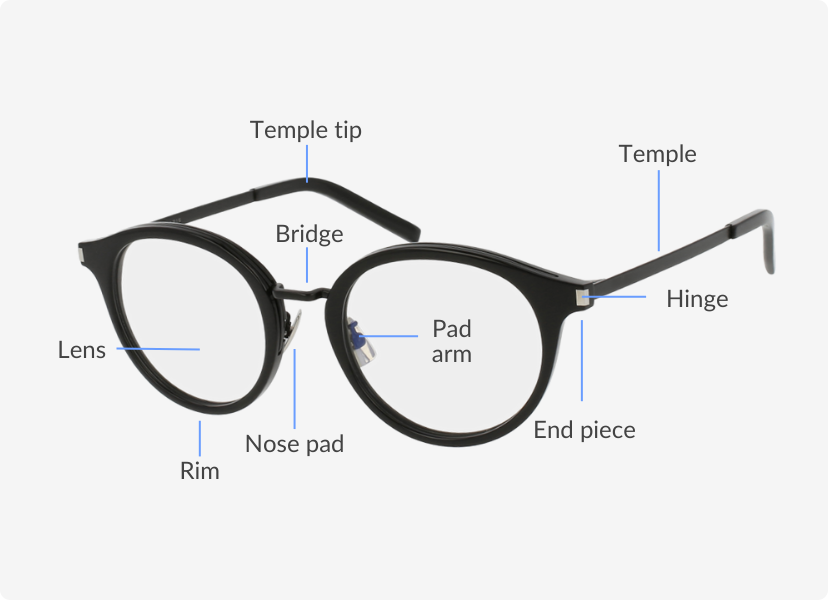
The Lens: A Window Engineered for Clarity
The heart of any pair of glasses lies in its lenses. These carefully crafted optical surfaces are responsible for manipulating light to correct refractive errors, such as myopia (nearsightedness), hyperopia (farsightedness), astigmatism, and presbyopia. While historically made from glass, modern eyeglass lenses are predominantly manufactured from advanced plastic materials, offering a superior balance of properties.
Plastic Revolution: The Dominance of Polycarbonate and High-Index Materials
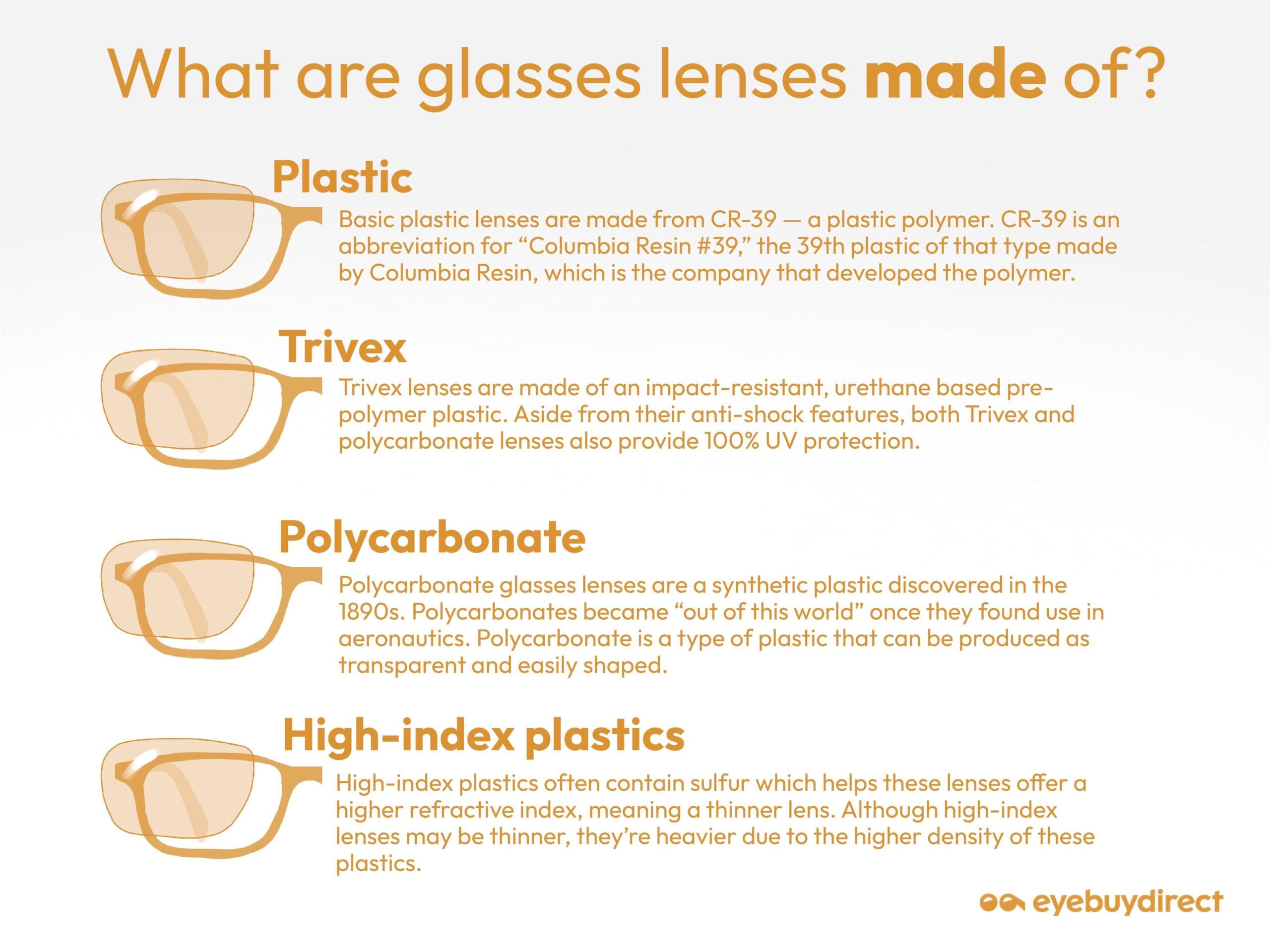
The transition from glass to plastic lenses was a monumental leap in eyewear technology. Glass, while optically excellent, was heavy, prone to shattering, and offered limited design flexibility. Plastic lenses, on the other hand, revolutionized eyewear by providing a safer, lighter, and more versatile alternative.
Polycarbonate has become a dominant material in the lens market. Its exceptional impact resistance makes it incredibly durable and shatterproof, a crucial safety feature, especially for children and active individuals. Polycarbonate lenses are also inherently UV-blocking, offering natural protection against harmful ultraviolet radiation without the need for additional coatings. Despite their strength, they are significantly lighter than glass, contributing to greater comfort for the wearer. However, polycarbonate lenses can be more prone to scratching than other plastic materials, necessitating scratch-resistant coatings.
High-index plastics represent another significant advancement, catering to individuals with stronger prescriptions. As prescriptions increase, so does the thickness of the lens. High-index materials possess a higher refractive index, meaning they can bend light more efficiently. This allows for thinner and lighter lenses, even for high prescriptions, which is both aesthetically pleasing and more comfortable to wear. Common high-index materials include materials with refractive indices of 1.60, 1.67, and even 1.74. The higher the index, the thinner the lens will be for a given prescription. These materials also typically offer good impact resistance and UV protection.
Glass Lenses: Still Relevant for Specific Needs
While less common than plastic, glass lenses are not entirely obsolete. Their primary advantage lies in their superior optical clarity and scratch resistance. For individuals who prioritize the absolute crispest vision and are less concerned about weight or the risk of breakage, glass can still be a viable option. However, the significant weight and potential for shattering have relegated them to a niche market. When used, glass lenses are often made from materials like crown glass or high-refractive index glass.
Lens Treatments and Coatings: Enhancing Performance and Durability
Beyond the base material, lenses are enhanced with a variety of coatings and treatments that significantly improve their performance and longevity. These additions are crucial in optimizing the visual experience and protecting the lenses from everyday wear and tear.
Scratch-resistant coatings are applied to the surface of most plastic lenses to protect them from minor abrasions caused by cleaning, handling, and everyday use. These coatings are typically a transparent hard plastic polymer that is bonded to the lens surface, making it more resilient to scratches.
Anti-reflective (AR) coatings are perhaps one of the most impactful treatments. They reduce glare from light sources reflecting off the lens surface. This not only improves visual clarity and contrast, especially in low-light conditions or when driving at night, but also makes the wearer’s eyes more visible to others, creating a more natural and engaging appearance. AR coatings work by minimizing the amount of light that bounces off the front and back surfaces of the lens.
UV-blocking coatings are essential for protecting the eyes from the damaging effects of ultraviolet radiation. Prolonged exposure to UV rays can contribute to cataracts, macular degeneration, and other eye conditions. Most modern plastic lenses, particularly polycarbonate, offer inherent UV protection. However, for other lens materials, a dedicated UV-blocking coating is applied to ensure comprehensive protection.
Blue-light filtering coatings have gained popularity with the increased use of digital devices. These coatings are designed to reduce the amount of high-energy visible (HEV) blue light that reaches the eyes. While some blue light is natural and beneficial, excessive exposure from screens has been linked to eye strain, disrupted sleep patterns, and potential long-term retinal damage. These coatings selectively filter out a portion of the blue light spectrum.
Hydrophobic and oleophobic coatings repel water and oil, respectively. This makes lenses easier to clean and less prone to smudging from fingerprints or water spots. This is particularly beneficial for active individuals or those in environments where lenses are frequently exposed to moisture or oils.
The Frame: The Foundation of Style and Support
The frame of a pair of glasses serves as the structural support for the lenses, holding them in place and resting on the wearer’s face. Beyond its functional role, the frame is a significant element of personal style and expression. The materials used in frame manufacturing are diverse, each offering unique aesthetic, durability, and hypoallergenic properties.
Metals: Durability, Strength, and a Sleek Aesthetic
Metal frames have long been a staple in eyewear, prized for their strength, thinness, and often sophisticated appearance. A variety of metals are employed, each with its own characteristics.
Monel is a popular alloy known for its corrosion resistance and ability to be easily shaped and colored. It’s a relatively inexpensive and versatile material, making it a common choice for mass-produced frames. However, some individuals can experience allergic reactions to nickel, which is often present in Monel alloys.
Titanium is a highly prized material for its exceptional strength-to-weight ratio. Frames made from titanium are incredibly lightweight, durable, and resistant to corrosion and tarnishing. Titanium is also hypoallergenic, making it an excellent choice for individuals with sensitive skin or metal allergies. While often more expensive than Monel, its superior properties make it a worthwhile investment for many.
Stainless steel offers a good balance of strength, durability, and corrosion resistance. It’s also a hypoallergenic option for many individuals. Stainless steel frames can be made quite thin, offering a sleek and modern look.
Flexon is a trademarked titanium alloy known for its “memory metal” properties. Frames made from Flexon can be bent and twisted significantly and will return to their original shape. This makes them exceptionally durable and resistant to damage from accidental bending or impact, a significant advantage for active users.
Plastics and Acetates: Color, Texture, and Versatility
Plastic frames, particularly those made from cellulose acetate, offer a vast spectrum of colors, patterns, and finishes, providing immense creative freedom for designers. Cellulose acetate is a hypoallergenic, durable, and lightweight material derived from cotton linters and wood pulp. It can be manufactured into opaque, translucent, or transparent sheets, allowing for a wide range of aesthetic possibilities, from vibrant tortoiseshell patterns to bold solid colors.
Nylon is another common plastic used in eyewear, particularly for sports and performance frames. It’s lightweight, flexible, and very impact-resistant, making it suitable for demanding activities. Nylon frames are often found in wraparound styles designed for athletic pursuits.
TR-90 (thermoplastic resin) is a popular material for its durability, flexibility, and lightness. It is often used in sports and children’s eyewear due to its ability to withstand bending and impact without breaking. TR-90 is also hypoallergenic.
Combination Frames: The Best of Both Worlds
Many modern frames utilize a combination of materials to leverage the strengths of each. For instance, a frame might feature acetate rims for color and style, paired with metal temples for strength and flexibility. This approach allows for a wide range of design possibilities and optimized performance characteristics.
Hypoallergenic Considerations
For individuals with sensitive skin or metal allergies, the choice of frame material is paramount. Materials like titanium, stainless steel, and plastics like cellulose acetate and TR-90 are generally considered hypoallergenic. Frames that use nickel-free alloys or have a coating over the metal can also be suitable options.
The Future of Eyewear Materials: Innovation on the Horizon
The evolution of eyewear materials is far from over. Ongoing research and development are continually pushing the boundaries, aiming for lighter, stronger, more durable, and even “smarter” eyewear.
3D printing is revolutionizing frame manufacturing, allowing for highly customized designs and on-demand production. This technology enables intricate geometries and personalized fits that were previously impossible or cost-prohibitive. It also opens doors for the use of novel composite materials and recycled plastics in frame creation.
Advancements in smart materials may lead to self-healing coatings for lenses, or frames that can adapt their shape or tint based on environmental conditions. The integration of electronic components into eyewear for augmented reality or health monitoring is also driving innovation in the materials used for both lenses and frames, demanding materials that are conductive, flexible, and biocompatible.
In conclusion, the seemingly simple object we call “glasses” is a testament to sophisticated material science and manufacturing ingenuity. From the precisely engineered surfaces of the lenses that correct our vision to the carefully chosen materials of the frames that adorn our faces, each component plays a vital role in our daily lives. As technology continues to advance, the materials that shape our eyewear will undoubtedly become even more remarkable, further enhancing both our sight and our style.
aViewFromTheCave is a participant in the Amazon Services LLC Associates Program, an affiliate advertising program designed to provide a means for sites to earn advertising fees by advertising and linking to Amazon.com. Amazon, the Amazon logo, AmazonSupply, and the AmazonSupply logo are trademarks of Amazon.com, Inc. or its affiliates. As an Amazon Associate we earn affiliate commissions from qualifying purchases.