
In the high-octane world of motorcycling, performance is often measured by engine displacement, torque curves, and horsepower. However, as any mechanical engineer or professional racer will attest, the most powerful engine in the world is useless if it cannot efficiently punch through the wall of air in front of it. This is where “fairing” technology comes into play.
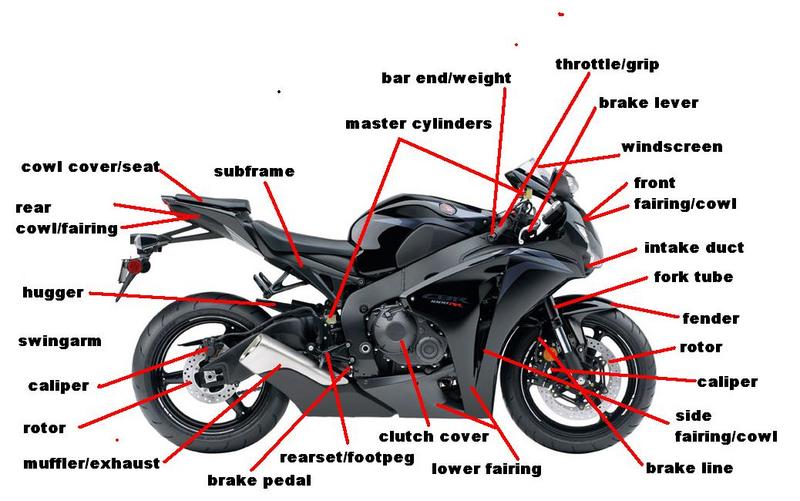
A fairing is a shell placed over the frame of a motorcycle—particularly high-performance sportbikes and touring models—to reduce air drag and protect the rider from the elements. While it may look like a simple aesthetic choice, the modern bike fairing is a marvel of material science, computational fluid dynamics (CFD), and ergonomic engineering. This article explores the technical intricacies of fairing design, the materials that define their performance, and how the tech is shifting from passive shells to active, AI-optimized components.
The Physics of Speed: How Fairings Redefine Motorcycle Aerodynamics
At its core, the fairing is a solution to a fundamental problem in fluid mechanics: aerodynamic drag. When a motorcycle moves, it creates a high-pressure zone in the front and a low-pressure, turbulent wake behind it. This pressure differential acts as an invisible tether, pulling the bike backward.
Drag Reduction and the Science of the Wind Tunnel
Modern fairing development starts long before a prototype touches asphalt. Engineers use Wind Tunnel Testing and Computational Fluid Dynamics (CFD) software to map how air molecules interact with the bike’s surface. The primary goal is to achieve a low Coefficient of Drag ($C_d$). By streamlining the front of the motorcycle, fairings allow the air to flow smoothly (laminar flow) over the rider and the machine, rather than crashing into the forks, engine, and rider’s chest.
A well-designed fairing doesn’t just make the bike faster; it makes it more efficient. For electric motorcycles, where battery range is a primary concern, aerodynamic efficiency is even more critical. By reducing drag, manufacturers can extend the range of an EV bike by up to 15% without adding a single kilowatt of battery capacity.
Downforce and Stability: The Role of Modern Winglets
In the last five years, we have seen a technological spillover from MotoGP into consumer “Superbike” gadgets: the winglet. These are small, aerodynamic foils integrated into the side fairings. Unlike the main body of the fairing, which focuses on drag reduction, winglets are designed to create downforce.
At high speeds, the air traveling over the winglets creates downward pressure on the front tire. This prevents “wheelies” during hard acceleration and increases front-end grip during high-speed cornering. This is “active” tech in a mechanical sense—using the environment to modify the bike’s physical behavior in real-time.
Material Science in Fairing Design: From Fiberglass to Carbon Fiber
The “tech” of a fairing isn’t just in its shape; it’s in its molecular structure. As bikes become faster, the demand for materials that offer high structural integrity with minimal weight has led to a revolution in manufacturing.
Lightweighting and Structural Integrity
Early fairings were often made of heavy aluminum or primitive fiberglass. Today, the industry standard for consumer bikes is Acrylonitrile Butadiene Styrene (ABS) plastic. ABS is favored for its balance of strength, flexibility, and impact resistance. However, in the “tech-heavy” premium segment, we see a shift toward advanced composites.
Carbon Fiber Reinforced Polymer (CFRP) represents the pinnacle of fairing technology. Carbon fiber is significantly lighter than ABS but offers higher rigidity. This “lightweighting” reduces the bike’s overall mass, improving the power-to-weight ratio and allowing for more agile handling. Furthermore, advanced composites allow engineers to vary the thickness of the fairing at specific stress points, optimizing the shell for both crash protection and weight savings.
Thermal Management and Integrated Sensors
A fairing is more than a windbreaker; it is a thermal management system. High-performance engines generate immense heat that can degrade components and cause rider discomfort. Modern fairing designs utilize “NACA ducts” and specialized venting to vacuum hot air away from the engine bay and exhaust it behind the rider.
Additionally, the fairing has become the “housing” for a bike’s digital nervous system. Modern “Tech” bikes integrate Inertial Measurement Units (IMUs), radar sensors for adaptive cruise control, and LiDAR for proximity sensing directly into the fairing structure. This requires materials that do not interfere with electromagnetic signals while still providing a rugged shield for the sensitive electronics tucked beneath the surface.
Categorizing Fairing Systems: Tech for Every Rider
Not all fairings are created equal. The technology is tailored based on the intended use-case of the vehicle, ranging from maximum aerodynamic efficiency to long-distance rider ergonomics.
Full Fairings: Maximum Efficiency for Racing and Sport
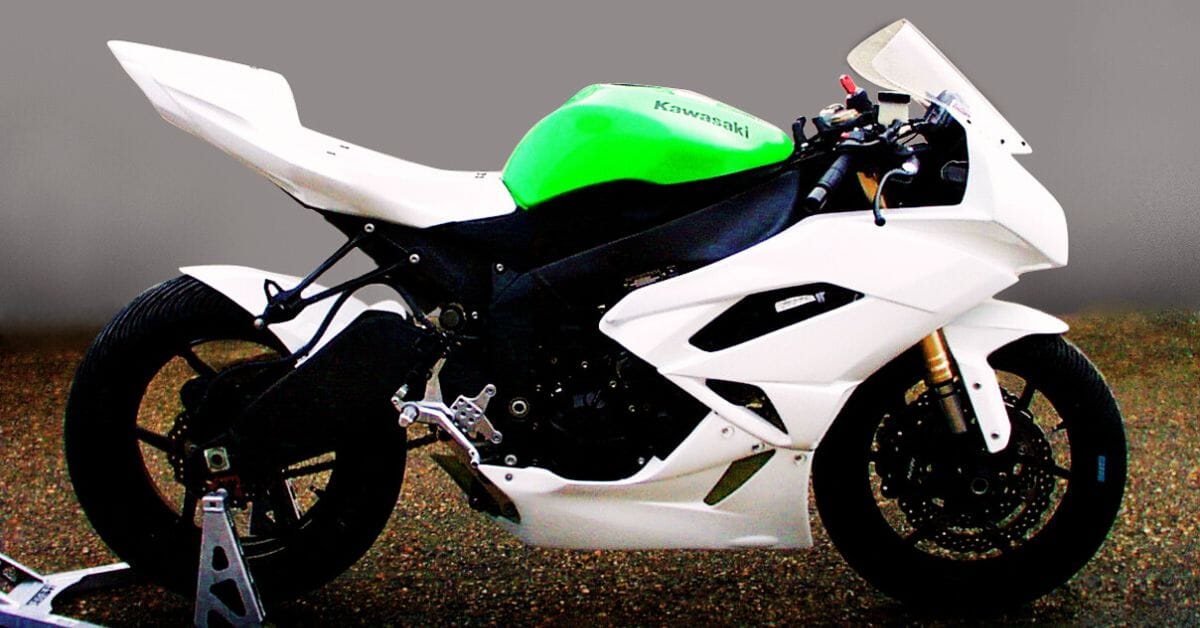
Full fairings cover almost the entire motorcycle, usually leaving only the wheels exposed. This is the gold standard for sportbikes. Technically, these systems are designed to create a “cocoon” for the rider. When the rider “tucks” behind the windscreen, they become part of the bike’s aerodynamic profile. The full fairing reduces the “dirty air” (turbulence) created by the engine’s complex shapes, allowing for top speeds that would be impossible on a “naked” bike with the same horsepower.
Half and Quarter Fairings: Balancing Comfort and Utility
For the touring and “sport-touring” segments, the tech focus shifts from top-speed velocity to fatigue reduction. A half-fairing usually includes a windscreen and a shell that covers the upper portion of the engine.
The engineering goal here is “buffeting reduction.” Using fluid dynamics, designers create fairings that push the air blast just over the rider’s helmet and around their shoulders. This reduces the physical strain on the rider’s neck muscles during a six-hour ride. Many of these fairings now feature adjustable windscreen technology—electronically controlled motors that allow the rider to change the bike’s aerodynamic profile on the fly via a handlebar switch.
The Future of Fairings: Active Aerodynamics and AI-Driven Design
The next frontier of motorcycle technology lies in “Active Aerodynamics.” Much like the DRS (Drag Reduction System) found in Formula 1 racing, the future of bike fairings is no longer static.
Active Aero: Moving Parts for Variable Conditions
We are seeing the emergence of fairings with moving flaps. These flaps, controlled by the bike’s onboard computer, can open or close based on lean angle, speed, and braking force. For example, during heavy braking, the fairing flaps might open to create maximum air resistance (acting as an air brake) and increase stability. During a straight-line sprint, they retract to minimize the bike’s frontal area. This level of integration between mechanical hardware and software sensors is the future of motorcycle tech.
Computational Fluid Dynamics (CFD) and Generative Design
The design process itself is being revolutionized by Artificial Intelligence. Instead of a human designer drawing a shape and testing it, engineers are now using “Generative Design.”
By inputting parameters—such as maximum weight, required downforce, and cooling requirements—into an AI-driven CAD (Computer-Aided Design) system, the software can iterate through thousands of potential fairing shapes that a human might never conceive. These AI-optimized shapes often look organic or “alien,” but they offer the most efficient path for airflow possible.

Conclusion
The question “what is fairing in bikes” leads down a rabbit hole of high-level engineering and digital innovation. What began as a simple piece of plastic to keep the wind off a rider has evolved into a sophisticated aerodynamic tool that is essential to the performance of modern machinery.
From the use of carbon fiber composites to the integration of radar sensors and the development of active aerodynamic flaps, the fairing is the “skin” that allows the “brain” (the ECU) and the “heart” (the engine) of the motorcycle to perform at their absolute limits. As we move further into the era of electric propulsion and AI-assisted riding, the fairing will continue to be the primary battleground for technological efficiency in the world of two wheels.
aViewFromTheCave is a participant in the Amazon Services LLC Associates Program, an affiliate advertising program designed to provide a means for sites to earn advertising fees by advertising and linking to Amazon.com. Amazon, the Amazon logo, AmazonSupply, and the AmazonSupply logo are trademarks of Amazon.com, Inc. or its affiliates. As an Amazon Associate we earn affiliate commissions from qualifying purchases.