
In an era defined by rapid digital transformation and an increasing awareness of environmental impact, the term “Eco Mode” has transitioned from a niche feature in household appliances to a fundamental component of the modern technology ecosystem. Whether you are navigating the settings of a flagship smartphone, optimizing a high-performance workstation, or managing an array of smart home devices, Eco Mode represents a sophisticated interplay between software algorithms and hardware limitations. At its core, Eco Mode—often referred to as Power Saving Mode, Battery Saver, or Low Power Mode—is a specialized state of operation designed to reduce power consumption while maintaining essential functionality.
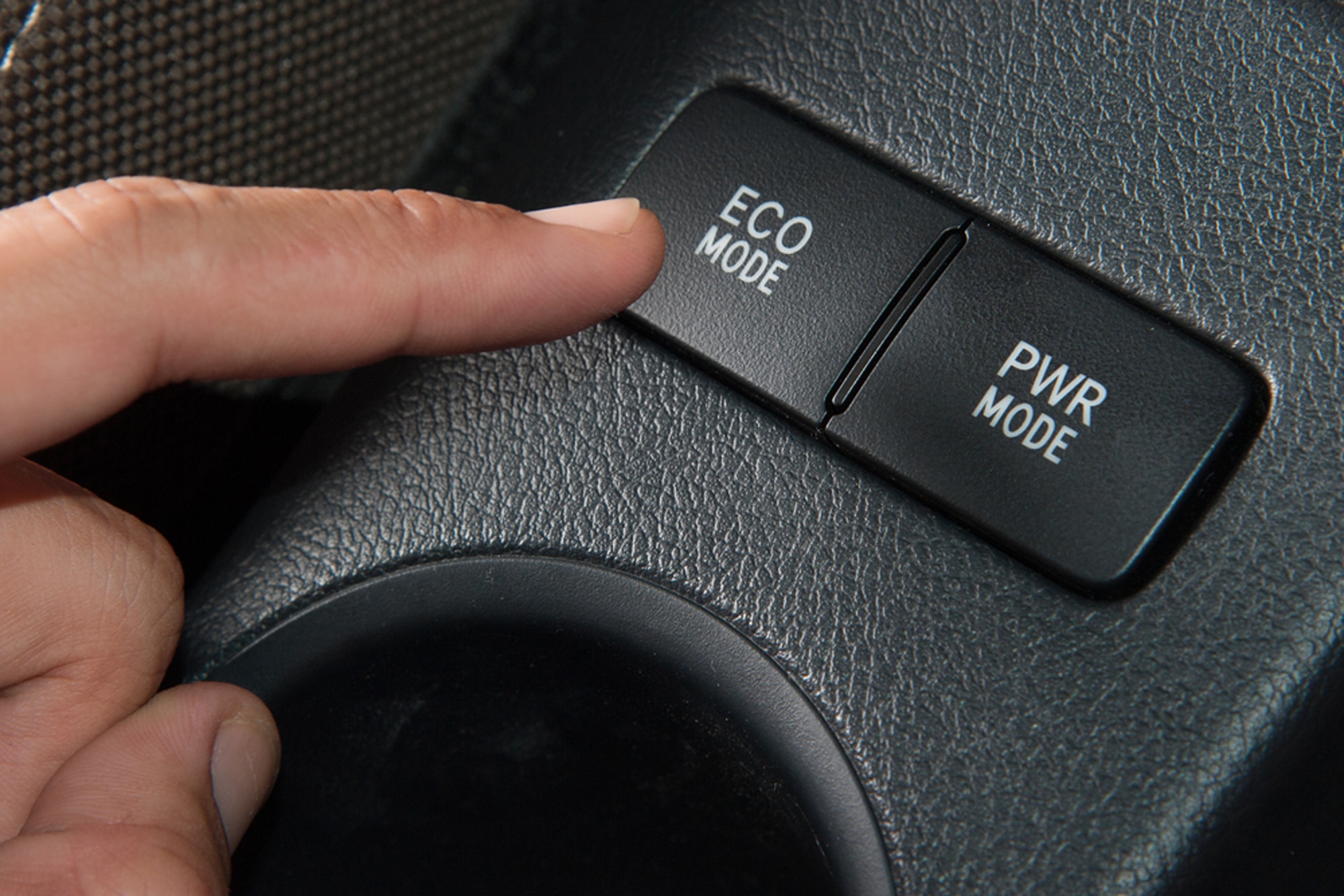
Understanding the mechanics of Eco Mode is no longer just about saving a few cents on an electricity bill or extending a phone’s battery life by twenty minutes. It is about understanding how modern software interacts with silicon, how background processes affect thermal management, and how the tech industry is pivoting toward a more sustainable digital future. This article explores the technical nuances of Eco Mode, its implementation across various categories of gadgets, and the trade-offs users must consider when prioritizing efficiency over peak performance.
The Technical Framework: How Eco Mode Optimizes Hardware
To appreciate what Eco Mode does, one must first understand how modern hardware consumes energy. Most electronic devices are designed to operate at “peak performance” by default, meaning the hardware is allowed to draw as much power as it needs to complete tasks as quickly as possible. Eco Mode interrupts this “performance-first” philosophy through several technical interventions.
CPU Throttling and Voltage Regulation
The Central Processing Unit (CPU) is the primary consumer of power in most digital devices. Eco Mode typically employs “undervolting” or “downclocking” techniques. By reducing the clock speed (the frequency at which a processor executes instructions), the device generates less heat and requires less voltage. In a smartphone or laptop, this might mean the difference between the processor running at 3.0 GHz and being capped at 1.8 GHz. While this results in slightly longer processing times for complex tasks, the energy savings are exponential due to the relationship between voltage and power consumption.
Background Process Management and “Deep Sleep” States
Modern operating systems (OS) are rarely truly idle. Dozens of background processes—ranging from cloud synchronization and app updates to location tracking—constantly cycle in the background. When Eco Mode is engaged, the OS’s scheduler becomes much more aggressive. It suspends non-essential background tasks, increases the polling intervals for mail servers, and forces apps into “Deep Sleep” states. This ensures that the hardware is only “waking up” when absolutely necessary, drastically reducing the idle power draw.
Display and Peripheral Optimization
In gadgets with high-resolution screens, the display is often the largest power drain. Eco Mode implements several software-driven visual adjustments. This includes reducing the maximum brightness, lowering the refresh rate (for example, switching from 120Hz to 60Hz), and decreasing the screen timeout duration. In devices with OLED technology, Eco Mode may even trigger a system-wide “Dark Mode,” as OLED pixels consume significantly less power (or none at all) when displaying black.
Eco Mode in Personal Computing and Mobile Ecosystems
The implementation of energy-efficient modes varies significantly between portable mobile devices and stationary computing hardware, reflecting the different priorities of their respective users.
Smartphones: The Push for All-Day Battery Life
In the mobile tech space, Eco Mode (Low Power Mode on iOS or Battery Saver on Android) is a critical survival tool. Beyond the hardware throttling mentioned previously, mobile Eco Modes often disable high-bandwidth features. This includes turning off 5G in favor of 4G LTE, disabling “Always-on Display” features, and muting haptic feedback (vibration motors). These small software-side changes collectively reduce the strain on the lithium-ion battery, extending the device’s operational window during critical low-battery moments.
Laptops and Workstations: Balancing Mobility and Power
For laptop users, Eco Mode is often a tiered experience. Windows and macOS offer “Power Profiles” that allow the user to choose between “Best Performance,” “Balanced,” and “Best Energy Efficiency.” In the high-efficiency tier, the OS may disable “Turbo Boost” features on the processor and limit the power delivery to the dedicated Graphics Processing Unit (GPU). For professionals working in software development or video editing, this mode is ideal for lighter tasks like writing documentation or web browsing, preserving battery for when the machine is untethered from a power outlet.
The Role of Software Optimization
Software developers are increasingly optimizing their applications to be “Eco Mode aware.” Using specific APIs, an app can detect when a device has entered a power-saving state and voluntarily reduce its resource footprint. For instance, a video streaming app might lower the default playback resolution or disable high-dynamic-range (HDR) processing to assist the hardware in maintaining a low-energy profile.
The Smart Home and IoT: Efficiency at Scale
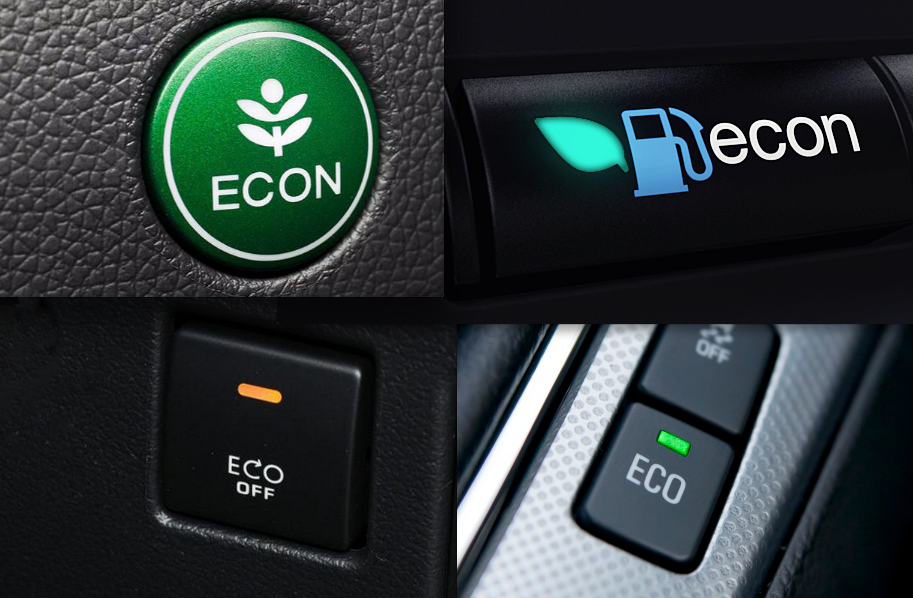
As our homes become more connected, the cumulative energy consumption of “always-on” Internet of Things (IoT) devices has become a focal point for tech innovation. Eco Mode in the smart home isn’t just a setting; it’s an architectural necessity.
Intelligent Thermostats and Climate Tech
Smart thermostats like those from Google Nest or Ecobee are perhaps the most prominent examples of Eco Mode in action. These devices use machine learning to analyze occupancy patterns and environmental data. When “Eco Mode” is active, the device adjusts the HVAC (Heating, Ventilation, and Air Conditioning) setpoints to a wider range when the home is unoccupied. The tech behind this involves complex predictive modeling to ensure the home returns to a comfortable temperature just as the user arrives, minimizing energy waste without sacrificing user experience.
Low-Power Communication Protocols
IoT gadgets, such as smart sensors and light bulbs, utilize Eco Mode principles at the protocol level. Technologies like Zigbee, Z-Wave, and the new Matter standard are designed to be “low-power” by nature. Eco Mode in these devices often involves putting the wireless radio into a dormant state, waking it up only for milliseconds to transmit a burst of data before going back to sleep. This allow small sensors to run for years on a single button-cell battery.
Connected Appliances and Remote Monitoring
Modern washing machines, dishwashers, and refrigerators now come equipped with Wi-Fi connectivity and dedicated Eco Modes. These modes often utilize “Smart Grid” technology, where the appliance communicates with the utility provider (via an app or hub) to run cycles during off-peak hours when electricity is cheaper and more likely to be sourced from renewable energy. The “Eco” cycle itself usually involves lower water temperatures and optimized motor speeds, managed by onboard microcontrollers.
Performance Trade-offs: When to Avoid Eco Mode
While Eco Mode is an invaluable tool for sustainability and battery preservation, it is not a “set-and-forget” feature for all scenarios. There are distinct technological trade-offs that can impact the user experience.
Impact on Gaming and Creative Workflows
For users engaged in high-resource activities like 3D rendering, competitive gaming, or 4K video editing, Eco Mode can be a hindrance. The reduction in CPU and GPU clock speeds leads to lower frame rates (FPS), increased render times, and potential “stuttering” in software performance. In these contexts, the “bottlenecking” created by Eco Mode prevents the hardware from reaching its engineered potential.
Latency and Connectivity Issues
Eco Mode often compromises on “instantaneity.” Because the device is frequently putting its wireless chips to sleep to save power, users may experience slight delays in receiving notifications or a momentary “lag” when re-establishing a Wi-Fi or Bluetooth connection. For digital security professionals or users who rely on real-time data streams, this latency can be a significant drawback.
The Myth of “Always-On” Eco Mode
Some users believe that keeping a device in Eco Mode permanently is the best way to preserve hardware longevity. However, this is not always the case. Modern hardware is designed to handle thermal cycles, and constantly running at a throttled state can sometimes lead to a sub-optimal user experience that prompts unnecessary hardware upgrades. The key is “contextual usage”—utilizing high-performance modes when plugged in and switching to Eco Mode when mobility and efficiency are the priorities.
The Future of Eco-Tech: AI and Predictive Energy Management
The next frontier for Eco Mode lies in Artificial Intelligence. We are moving away from static toggles and toward dynamic, AI-driven energy management.
Machine Learning in Battery Management
Future iterations of Android and iOS are integrating neural processing units (NPUs) to predict a user’s daily routine. If the AI knows you typically don’t use your phone heavily between 2:00 PM and 5:00 PM, it can automatically engage a “Micro-Eco Mode,” throttling performance during that window without the user ever needing to flip a switch. This “invisible efficiency” is the gold standard for modern tech design.

Sustainable Hardware and the Circular Economy
Beyond software, “Eco Mode” is influencing how hardware is built. Silicon manufacturers like ARM, Intel, and Apple (with their M-series chips) are prioritizing “performance-per-watt” as their primary metric. This shift ensures that even at full speed, modern chips are inherently more “eco-friendly” than their predecessors. Furthermore, the rise of modular gadgets and “Right to Repair” movements ensures that the hardware itself remains efficient and functional for longer, reducing the digital waste generated by the tech industry.
In conclusion, Eco Mode is far more than a simple battery-saving toggle. It is a sophisticated suite of optimizations that spans the entire tech stack—from the way electrons move through a processor to the way a smart home communicates with the cloud. As technology continues to permeate every aspect of our lives, the intelligent use of Eco Mode will remain essential for balancing our thirst for high-performance computing with the global necessity for energy conservation. Understanding how these systems work empowers users to make better decisions about their gadgets, ensuring a seamless harmony between digital productivity and environmental responsibility.
aViewFromTheCave is a participant in the Amazon Services LLC Associates Program, an affiliate advertising program designed to provide a means for sites to earn advertising fees by advertising and linking to Amazon.com. Amazon, the Amazon logo, AmazonSupply, and the AmazonSupply logo are trademarks of Amazon.com, Inc. or its affiliates. As an Amazon Associate we earn affiliate commissions from qualifying purchases.