
BMW xDrive is more than just an acronym; it’s BMW’s proprietary all-wheel-drive system, a cornerstone of their driving dynamics and a key differentiator in the premium automotive market. It represents a sophisticated technological integration designed to enhance traction, stability, and driving pleasure across a wide spectrum of road conditions and driving scenarios. At its core, xDrive is about intelligently distributing power to the wheels that have the most grip, ensuring optimal performance and safety whether you’re navigating icy roads, tackling a winding mountain pass, or simply accelerating out of a corner. This article delves into the intricate workings of BMW xDrive, exploring its evolution, its technological underpinnings, and the tangible benefits it offers to drivers, firmly positioning it as a significant advancement within the realm of automotive technology.
The Evolution of BMW’s All-Wheel-Drive Technology
BMW’s journey into all-wheel-drive technology has been a progressive one, driven by a desire to marry the legendary “Sheer Driving Pleasure” associated with their rear-wheel-drive heritage with the enhanced capabilities that AWD systems can provide. Early iterations of AWD in BMW vehicles were often supplementary, built upon existing platforms. However, the development and refinement of xDrive marked a significant leap forward, transforming it from a mere option to a deeply integrated system that influences the very character of the driving experience.
From Early Implementations to a Dedicated System
Before the widespread adoption of the xDrive nomenclature, BMW experimented with various forms of all-wheel-drive. These early systems often prioritized simplicity and robustness, sometimes being more reactive than proactive. However, the fundamental principle of distributing power to all four wheels remained, offering advantages in adverse weather. As automotive technology advanced, so too did BMW’s ambitions. The goal wasn’t just to add AWD, but to create a system that felt distinctly “BMW,” meaning it would enhance, rather than detract from, the car’s inherent agility and responsiveness. The introduction of xDrive represented a paradigm shift, signifying a dedicated and intelligently engineered approach to all-wheel-drive. This system was designed from the ground up to work seamlessly with BMW’s chassis dynamics, engine management, and stability control systems.
The Rationale Behind xDrive: Beyond Simple Traction
While enhanced traction in slippery conditions is the most obvious benefit of any all-wheel-drive system, BMW’s motivation for developing xDrive extended far beyond this basic requirement. The company sought to leverage AWD technology to further elevate the driving dynamics that are synonymous with the brand. This involved a strategic focus on how power distribution could influence cornering ability, acceleration performance, and overall vehicle stability, even in optimal driving conditions. The aim was to provide a feeling of confidence and control, allowing drivers to push the boundaries of performance safely and enjoyably. xDrive was conceived as a tool to actively improve the driving experience, not just to mitigate risks.
The Technological Heartbeat of BMW xDrive
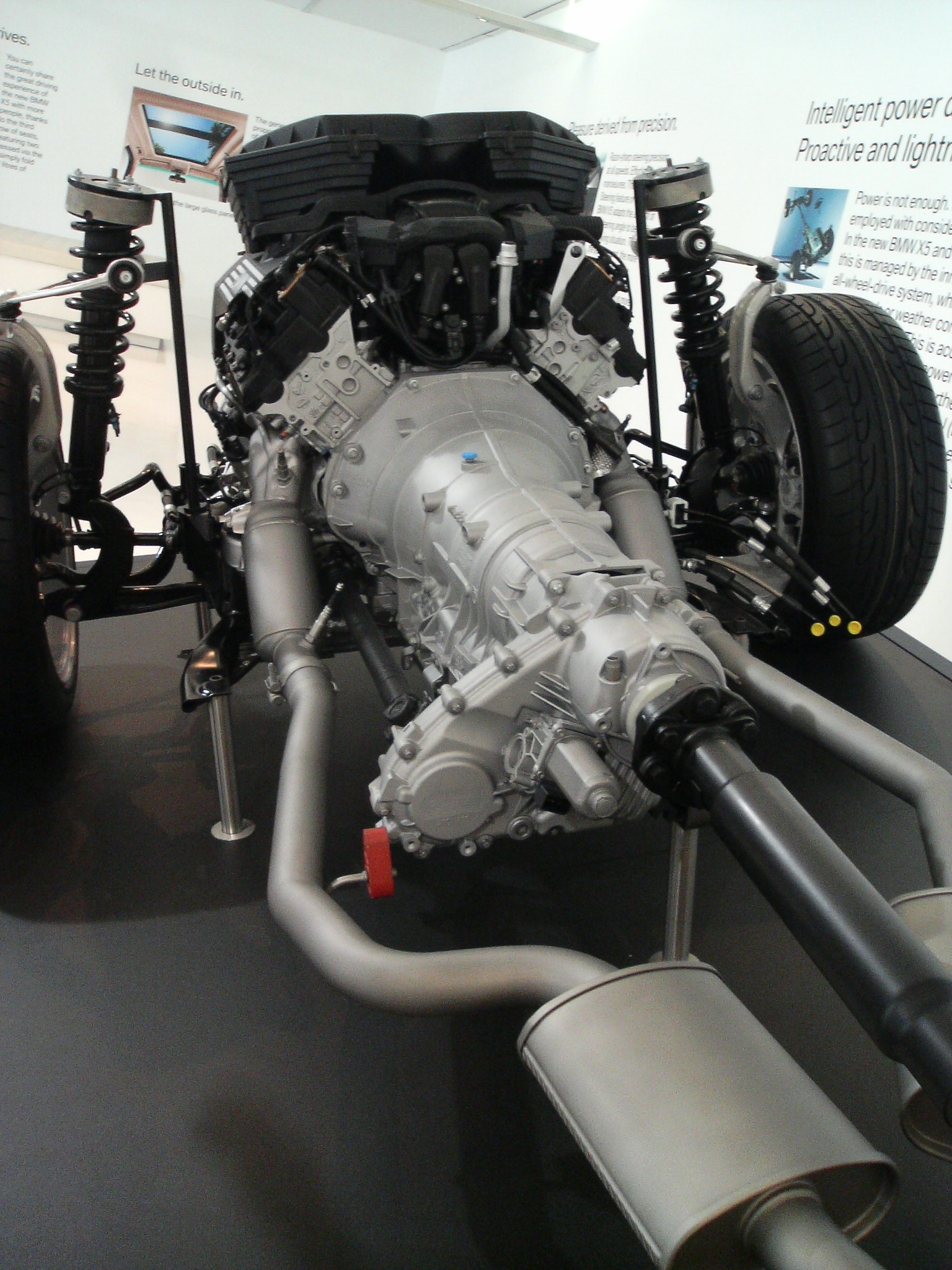
At the core of BMW xDrive is a sophisticated network of sensors, actuators, and intelligent control units that work in concert to manage power distribution in real-time. Unlike simpler AWD systems that might permanently lock a certain percentage of power to the front or rear, xDrive is dynamically variable, capable of instantaneously adapting to changing grip levels and driver inputs. This adaptability is the key to its performance and its ability to maintain BMW’s signature driving feel.
Intelligent Power Distribution: The Variable Torque Split
The defining characteristic of BMW xDrive is its ability to variably distribute torque between the front and rear axles. In normal driving conditions, xDrive typically biases power towards the rear wheels, preserving the car’s rear-wheel-drive feel and promoting a more dynamic handling characteristic. However, as soon as the system detects wheel slip, or anticipates a loss of traction based on steering angle, acceleration, or braking inputs, it can instantaneously reallocate power. This might mean sending a significant portion of torque to the front axle to regain grip, or even diverting it to individual wheels to counteract understeer or oversteer. This fluid and intelligent torque split is managed by a central transfer case, which utilizes a multi-plate clutch system controlled electronically.
Integration with Dynamic Stability Control (DSC)
The true genius of xDrive lies in its seamless integration with BMW’s Dynamic Stability Control (DSC) system. DSC, a well-established technology that uses sensors to monitor wheel speed, steering angle, and lateral acceleration, is designed to prevent skids and maintain vehicle control. xDrive works hand-in-hand with DSC. If DSC detects a loss of traction on one or more wheels, it will initiate interventions such as braking individual wheels or reducing engine power. Simultaneously, xDrive will adjust the torque distribution to assist DSC. For example, if the rear wheels begin to lose grip, xDrive will send more power to the front wheels to help pull the car through the turn. This synergistic relationship means that xDrive doesn’t just react to wheel slip; it proactively works with stability control to ensure maximum grip and a predictable, confidence-inspiring driving experience.
The Role of Sensors and Electronic Control Units (ECUs)
The intelligence behind xDrive is powered by a complex array of sensors scattered throughout the vehicle. These sensors constantly feed data to dedicated Electronic Control Units (ECUs). Key sensors include wheel speed sensors, yaw rate sensors, steering angle sensors, and accelerometers. The ECUs process this information at lightning speed, analyzing the vehicle’s dynamics, road conditions, and driver inputs. Based on this analysis, the ECUs make split-second decisions about how to best distribute torque. This constant dialogue between sensors, ECUs, and the xDrive transfer case allows the system to adapt to virtually any driving scenario, from a gentle cruise to an aggressive driving maneuver, with unparalleled responsiveness.
Tangible Benefits of BMW xDrive
The technological sophistication of BMW xDrive translates into a host of tangible benefits for the driver, impacting everything from safety and security to driving pleasure and everyday usability. These advantages become particularly apparent when venturing beyond the confines of dry, predictable roads.
Enhanced Traction and Stability in All Conditions
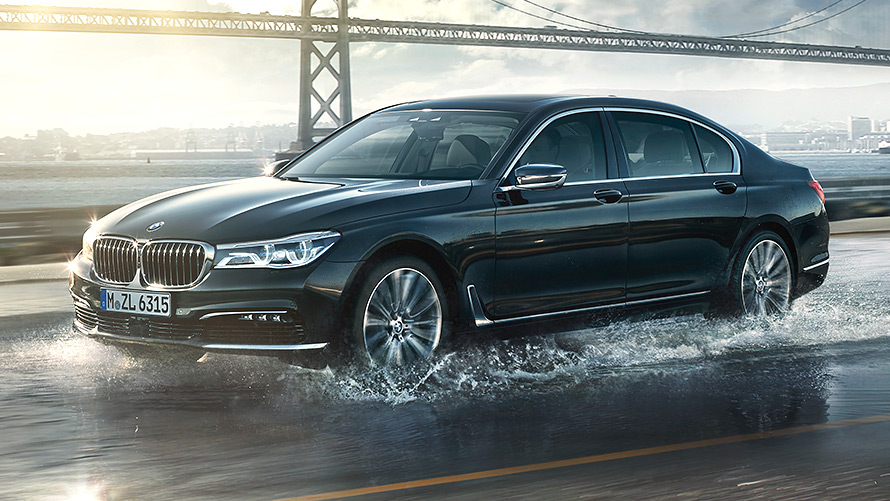
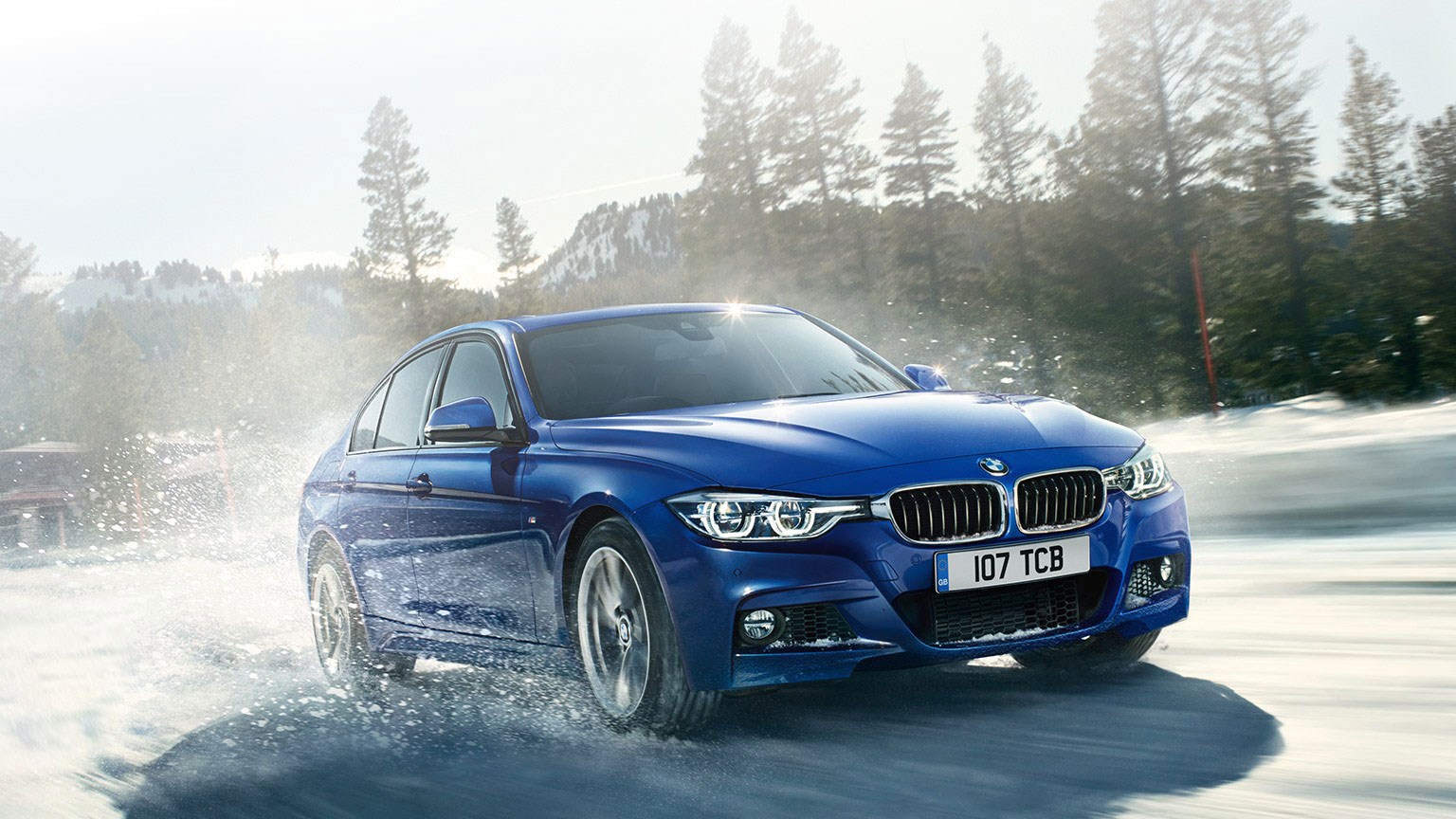
The most immediate and apparent benefit of xDrive is its superior traction. Whether navigating rain-slicked streets, tackling snowy or icy patches, or accelerating on loose gravel, the system ensures that power is delivered to the wheels with the most grip. This significantly reduces the likelihood of wheel spin, improving acceleration and braking performance in adverse conditions. Beyond mere traction, xDrive enhances overall vehicle stability. By intelligently distributing power, it helps to keep the vehicle planted and predictable, reducing the tendency for oversteer or understeer, especially during cornering. This translates to a heightened sense of security and control for the driver, regardless of the external environment.
Improved Driving Dynamics and Performance
Contrary to the misconception that AWD systems can compromise a car’s agility, BMW xDrive is engineered to enhance driving dynamics. By allowing for a rearward torque bias in normal driving, it preserves the engaging, rear-wheel-drive feel that BMW enthusiasts cherish. Furthermore, during spirited driving, xDrive can actively assist in cornering. By directing power to the front wheels, it can help to pull the car through a corner, counteracting understeer and allowing for a more precise and dynamic line. This intelligent power management contributes to a more engaging and performance-oriented driving experience, even when all four wheels are receiving power.
Increased Confidence and Safety
The cumulative effect of enhanced traction, stability, and driving dynamics is a significant boost in driver confidence and overall safety. Knowing that your vehicle is actively managing power to maintain grip provides peace of mind, especially when encountering unexpected road hazards or challenging weather. This is particularly beneficial for drivers who frequently encounter diverse climates or those who simply value an extra layer of security. The proactive nature of xDrive, working in concert with DSC, means that the system is often anticipating and correcting potential issues before the driver even becomes aware of them, contributing to a safer journey.
BMW xDrive in Practice: Models and Applications
BMW xDrive is not a one-size-fits-all solution; it is meticulously tuned and integrated into a wide range of BMW models, from compact sedans and sporty coupes to versatile SUVs and performance-oriented M cars. The specific tuning and capabilities of xDrive can vary slightly depending on the vehicle’s platform and intended purpose, ensuring that the system complements the unique driving characteristics of each model.
Application Across the BMW Model Lineup
From the nimble BMW 3 Series and the robust BMW X5 to the high-performance BMW M3 and M4, xDrive is a prevalent feature, often offered as standard equipment on many variants, particularly SUVs and performance models. In sedans and coupes, xDrive provides an all-weather advantage without significantly compromising the sporty feel. In BMW’s Sports Activity Vehicles (SAVs) and Sports Activity Coupes (SACs), xDrive is integral to their go-anywhere capability and confident on-road performance. The system’s adaptability means it can be tuned to deliver a more off-road-biased capability in vehicles like the X3 or X7, while in M cars, it’s calibrated to maximize track performance and acceleration.
xDrive vs. Other AWD Systems: The BMW Distinction
While many automakers offer all-wheel-drive systems, BMW xDrive distinguishes itself through its sophisticated electronic control, its deep integration with the vehicle’s chassis and stability systems, and its commitment to preserving the brand’s core driving DNA. Many simpler AWD systems rely on mechanical differentials that can be slower to react or may have a more fixed power split. BMW’s emphasis on real-time electronic control and variable torque distribution allows for a more nuanced and responsive performance. This intelligent management ensures that xDrive enhances, rather than dilutes, the engaging and dynamic driving experience that is the hallmark of every BMW.
Conclusion: A Technological Edge for Driving Excellence
BMW xDrive stands as a testament to BMW’s unwavering commitment to technological innovation and driving pleasure. It is a sophisticated system that transcends the basic definition of all-wheel-drive, offering a dynamic and intelligent solution for enhanced traction, stability, and performance in virtually any driving condition. By seamlessly integrating advanced electronics, precise sensors, and a meticulously engineered transfer case, xDrive actively contributes to the confidence, security, and exhilarating driving experience that defines the BMW brand. Whether you’re a daily commuter facing unpredictable weather or a performance enthusiast seeking an edge, BMW xDrive provides a tangible technological advantage, ensuring that every journey is undertaken with supreme control and unparalleled driving enjoyment.
aViewFromTheCave is a participant in the Amazon Services LLC Associates Program, an affiliate advertising program designed to provide a means for sites to earn advertising fees by advertising and linking to Amazon.com. Amazon, the Amazon logo, AmazonSupply, and the AmazonSupply logo are trademarks of Amazon.com, Inc. or its affiliates. As an Amazon Associate we earn affiliate commissions from qualifying purchases.