
In the hyper-competitive landscape of the global beverage industry, coffee is no longer just a commodity; it is a canvas for sophisticated brand strategy. When consumers walk into a high-end cafe or browse the aisles of a premium grocer, they are met with a lexicon designed to evoke specific emotions and lifestyle aspirations. One of the most successful examples of this linguistic and marketing pivot is the rise of “Blonde Roast” coffee.
To the uninitiated, blonde roast is simply a light-roast coffee. However, from a brand perspective, it represents a calculated shift in market positioning, a response to changing consumer demographics, and a masterclass in how to rename a product to alter its perceived value. Understanding what blonde roast coffee is requires looking past the bean and into the corporate identities that brought it to the mainstream.

Reimagining the Light Roast: The Power of Strategic Renaming
The term “Blonde Roast” did not emerge from a vacuum of botanical necessity; it was a response to a branding problem. For decades, the specialty coffee industry struggled with the term “Light Roast.” In the minds of many casual coffee drinkers, “light” was synonymous with “weak,” “underdeveloped,” or even “diet.” It suggested a lack of intensity that many associate with the traditional, bold, dark-roasted coffee culture.
From “Light” to “Blonde”: A Masterclass in Consumer Psychology
When Starbucks introduced its Blonde Roast in 2012, it wasn’t just launching a new product; it was executing a massive rebranding of a flavor profile. By choosing the word “Blonde,” the brand tapped into a different set of associations. Blonde evokes brightness, sunlight, approachability, and a certain modern elegance. It moved the conversation away from the strength of the coffee and toward the personality of the coffee.
From a brand strategy perspective, this was a move to capture the “milder” coffee drinker—a demographic that found dark roasts too bitter or charred. By branding it as “Blonde,” the industry effectively signaled that this coffee was vibrant and nuanced, rather than just “not dark.” This shift allowed brands to command premium pricing for a product that was previously viewed as an entry-level or niche offering.
Filling the Gap in the Product Portfolio
Every successful brand strategy seeks to identify and fill “white space” in the market. Before the widespread adoption of the blonde roast moniker, the “Big Coffee” brands were heavily invested in the dark roast identity. Dark roast was marketed as “European,” “Sophisticated,” and “Intense.” However, this left a significant portion of the market—those who preferred a smoother, more caffeinated, and acidic cup—feeling underserved.
The blonde roast allowed companies to round out their product portfolios. It gave them a “low-intensity/high-flavor” pillar to stand alongside their “high-intensity/bold-flavor” offerings. This balanced portfolio approach ensures that no matter a customer’s palate, there is a branded solution waiting for them. It transformed the menu from a list of roasts into a spectrum of experiences.
Market Positioning and the Third Wave Influence
To understand why the branding of blonde roast became so essential, one must look at the “Third Wave” coffee movement. This movement treats coffee as an artisanal foodstuff, like wine or craft beer, rather than a commodity. Third-wave roasters championed light roasts because they preserve the unique “terroir”—the flavor characteristics of the specific region where the beans were grown.
Appealing to the Millennial and Gen Z Palette
The demographic shift has been a primary driver in the success of blonde roast branding. Younger consumers, particularly Millennials and Gen Z, have shown a distinct preference for lighter, fruitier, and more complex flavor profiles. They are less interested in the “burnt” traditionalism of their parents’ coffee and more interested in the “clarity” of the drink.
Brands have capitalized on this by positioning blonde roast as the “modern” choice. The marketing imagery often features bright colors, minimalist design, and an emphasis on the “craft” behind the roast. This aligns the product with the values of transparency and quality that these demographics prioritize. Blonde roast isn’t just a drink; it’s a signifier of a sophisticated, contemporary lifestyle.
Differentiation in a Crowded Marketplace
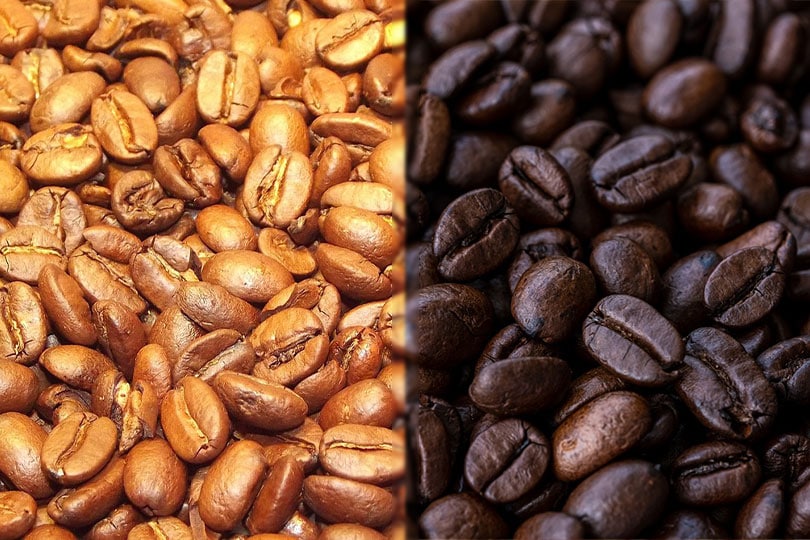
In a marketplace where every grocery store shelf is crowded with dozens of coffee options, differentiation is the only path to survival. The term “Blonde Roast” acts as a powerful differentiator. While “Light Roast” might blend in with generic house blends, “Blonde” stands out. It creates a proprietary feel for a common roasting technique.
Furthermore, this branding allows for the creation of sub-brands. For instance, the “Blonde Espresso” has become a powerhouse in the retail space. By applying the “Blonde” brand to espresso—traditionally the darkest and most intense form of coffee—brands successfully challenged the status quo. This “disruptive branding” encouraged loyal dark-roast drinkers to try something new, effectively increasing the “share of wallet” for the company.
Corporate Identity and Global Expansion
The success of the blonde roast is also a testament to how global brands use product consistency to build corporate identity. When a multinational corporation rolls out a “Blonde” profile, it must be identical in New York, Tokyo, and London. This requires a massive investment in logistics and quality control, which then becomes part of the brand’s value proposition: reliability.
Standardizing the Experience
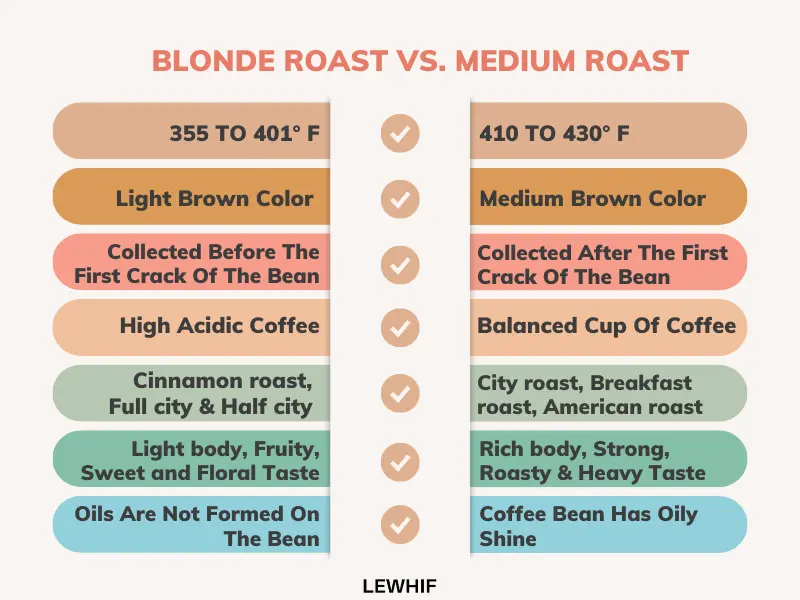
A major part of branding is the promise of a predictable experience. By standardizing the “Blonde” profile, brands have created a shorthand for consumers. If a traveler is in an unfamiliar city and sees a “Blonde Roast” on the menu, they know exactly what to expect: high acidity, citrus notes, and a caffeinated kick.
This standardization builds trust. In the world of branding, trust is the ultimate currency. The blonde roast has become a “safe harbor” for consumers who want a premium experience without the unpredictability of independent roasters. The brand becomes the guarantor of quality, and the “Blonde” label is the seal of that guarantee.
Impact on Loyalty and Subscription Models
The introduction of blonde roast has also significantly impacted customer loyalty programs and subscription models. By offering a distinct “Blonde” track, companies can more effectively segment their marketing efforts. Data-driven brands can track which customers prefer lighter roasts and serve them personalized advertisements for new light-roast origins or blonde-based seasonal drinks.
This level of granular branding keeps the customer engaged with the ecosystem. If a consumer identifies as a “Blonde Roast drinker,” they are less likely to switch to a competitor who only offers generic “Light” or “Medium” options. The specific branding creates a sense of belonging and identity, which are key drivers of long-term brand loyalty.
The Future of Niche Coffee Branding
As the coffee market continues to evolve, the lessons learned from the “Blonde Roast” phenomenon will shape future product launches. We are already seeing the emergence of even more specific branding, such as “White Coffee” or “Oxygen-Free Roasts.” The “Blonde” success story proves that the name of the product is often as important as the product itself.
Sustainability as a Brand Pillar
The next phase of blonde roast branding is likely to lean heavily into sustainability. Light roasts require high-quality beans because there is no dark-roast “char” to hide defects. Brands are beginning to use this as a way to highlight their ethical sourcing practices. The “Blonde” brand is being tied to “Clean” labels and “Direct Trade” narratives.
By associating blonde roast with “purity”—both in flavor and in ethics—brands can justify the higher price points associated with specialty coffee. This aligns the corporate identity with the growing consumer demand for social responsibility. In this context, blonde roast becomes a symbol of a “lighter” footprint on the planet, extending the metaphor of the name even further.
Conclusion: Why the Name Matters More Than the Bean
In conclusion, when we ask “what is blonde roast coffee,” we are not just asking about the duration of a bean in a roaster. We are asking about a pivotal moment in beverage marketing history. The blonde roast is a triumph of brand strategy over technical terminology. It represents the successful attempt by major corporations to reclaim “light roast” from the fringes of specialty coffee and bring it into the mainstream by giving it a name that evokes beauty, clarity, and modernity.
The “Blonde” moniker transformed a perceived weakness (lightness) into a premium strength. It allowed brands to reach new demographics, expand their menus with “Blonde Espresso,” and create a standardized global experience that builds immense brand equity. As the coffee industry moves forward, the “Blonde” phenomenon will remain a definitive case study in how strategic branding can reshape an entire industry’s flavor profile and consumer expectations. It proves that in the world of global brands, the right name can make even the oldest product feel entirely new.
aViewFromTheCave is a participant in the Amazon Services LLC Associates Program, an affiliate advertising program designed to provide a means for sites to earn advertising fees by advertising and linking to Amazon.com. Amazon, the Amazon logo, AmazonSupply, and the AmazonSupply logo are trademarks of Amazon.com, Inc. or its affiliates. As an Amazon Associate we earn affiliate commissions from qualifying purchases.