
RPM, an acronym that stands for Revolutions Per Minute, is a fundamental metric in understanding how your car’s engine operates. It’s not just a number on your dashboard; it’s a direct indicator of your engine’s speed and, by extension, a crucial element for optimizing performance, fuel efficiency, and even the longevity of your vehicle. For anyone interested in the inner workings of their automobile from a technological standpoint, grasping the concept of RPM is essential. This isn’t about the monetary cost of components or the marketing strategies behind vehicle design; it’s about the raw, mechanical operation of the machine itself.
The Heartbeat of the Engine: Understanding Rotational Speed
At its core, an engine’s purpose is to convert fuel into rotational motion. This motion is then transferred to the wheels, propelling the car forward. RPM measures how many times the crankshaft, the central rotating shaft of the engine, completes a full rotation within one minute. Think of it as the engine’s heartbeat – a faster heartbeat signifies more intense activity.
How the Crankshaft Orchestrates Power
The crankshaft is a marvel of mechanical engineering, designed to transform the linear, up-and-down motion of the pistons into a rotary motion. Inside each cylinder, a piston moves up and down. This motion is converted into a rotational force by a connecting rod, which attaches the piston to an offset journal on the crankshaft. As the pistons are driven down by the combustion of fuel and air, they push on the connecting rods, causing the crankshaft to spin. The more forcefully and frequently these pistons are pushed, the faster the crankshaft rotates, and thus, the higher the RPM.
The Role of Cylinders and Their Cycles
The number of cylinders in an engine (commonly 4, 6, or 8) influences how smoothly and powerfully this rotational motion is generated. Each cylinder goes through a four-stroke cycle: intake, compression, power, and exhaust. During the “power” stroke, the combustion of the fuel-air mixture pushes the piston down, directly contributing to the crankshaft’s rotation. The frequency of these power strokes across all cylinders dictates the overall speed and torque output of the engine, which is reflected in the RPM reading.
From Combustion to Rotation: The Conversion Process
The transformation from a controlled explosion within a cylinder to the spinning of the crankshaft is a precise and rapid sequence. When the spark plug ignites the compressed fuel-air mixture in the cylinder, a rapid expansion of gases occurs. This expansion exerts immense pressure on the piston, forcing it downwards. This downward force is translated through the connecting rod to a specific point on the crankshaft, creating a torque that causes the crankshaft to rotate. This continuous process, happening thousands of times per minute across multiple cylinders, is the fundamental mechanism behind engine operation and is what RPM quantifies.
The Dashboard’s Insight: The Tachometer Explained
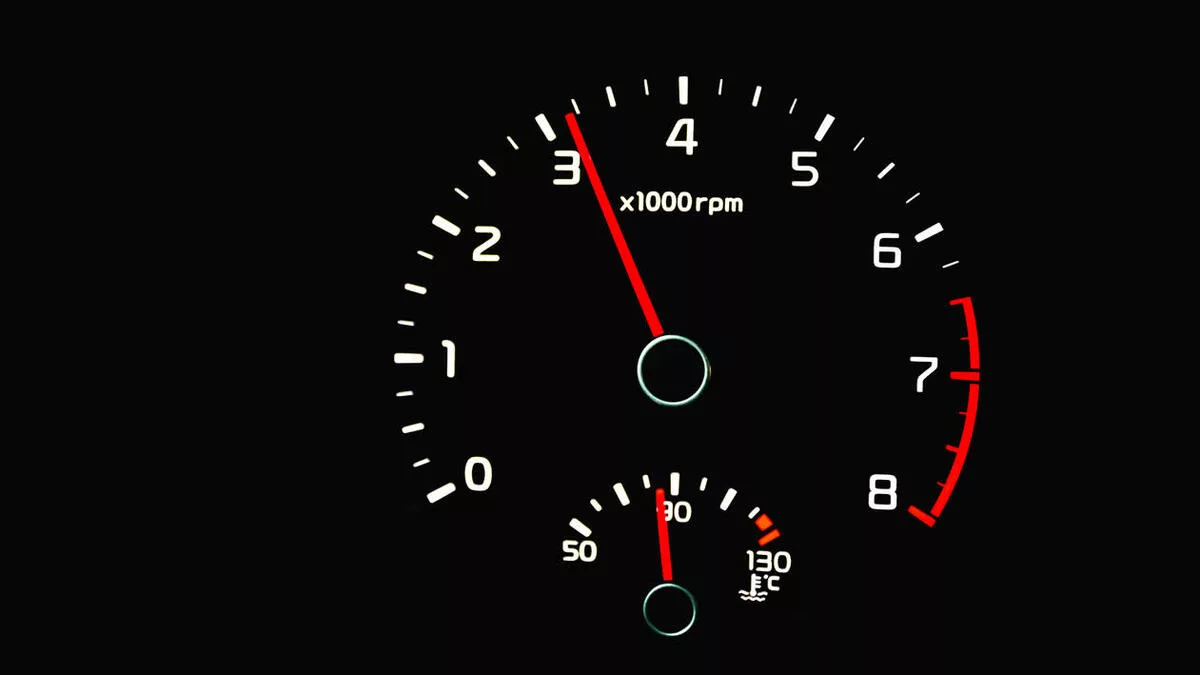
The instrument on your car’s dashboard that displays RPM is called the tachometer. It’s typically a circular gauge, often located near or integrated into the speedometer, with a needle that points to the current engine speed. Understanding how to read and interpret the tachometer is a key aspect of being a technically savvy driver.
Reading the Tachometer: Numbers and Scales
Tachometers usually display RPM values in increments of hundreds or thousands. For instance, you might see markings like “1,” “2,” “3,” indicating 1000, 2000, and 3000 RPM, respectively. The needle’s position relative to these markings tells you precisely how fast the engine is spinning. Some digital tachometers display the RPM as a numerical value directly. It’s crucial to be aware of the redline – a marked zone on the tachometer, usually in red, indicating the maximum safe operating speed for the engine. Exceeding the redline can lead to severe engine damage.
The Interplay Between Tachometer and Speedometer
While the speedometer tells you how fast the car is moving, the tachometer reveals how fast the engine is working to achieve that speed. These two metrics are intrinsically linked, but they don’t always correlate directly in a 1:1 fashion. For example, you can be driving at 60 mph in a high gear at a low RPM, or in a lower gear at a much higher RPM. The gear you are in acts as a crucial intermediary, multiplying or reducing the engine’s rotational speed before it reaches the wheels.
Practical Applications: Monitoring Engine Health and Performance
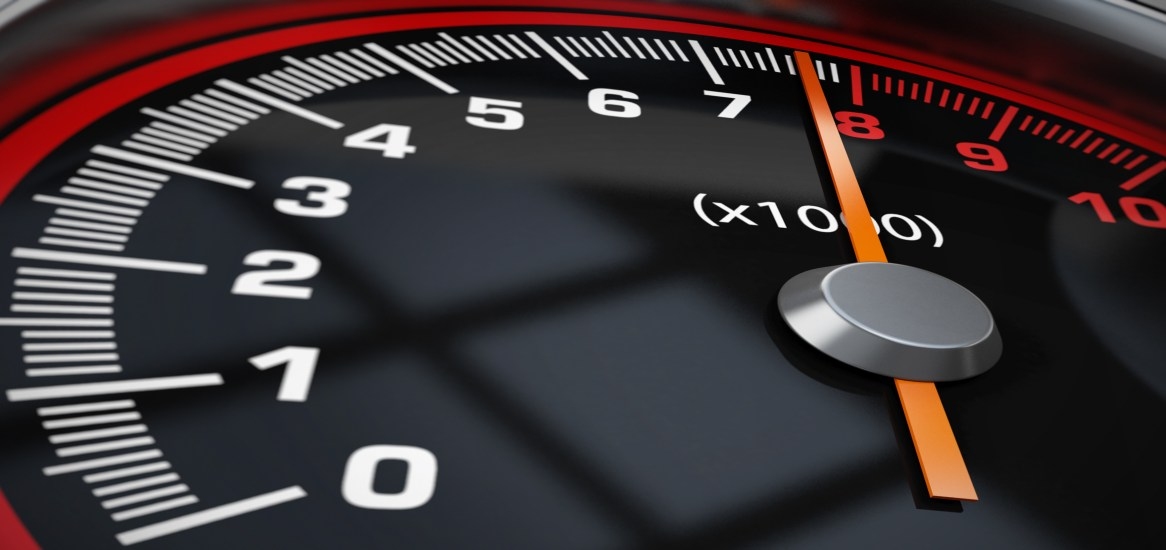
Monitoring your tachometer isn’t just about curiosity; it’s a practical tool for understanding your car’s behavior. A sudden, unexplained jump in RPM without a corresponding increase in speed might indicate a transmission issue, such as a slipping clutch. Conversely, an engine that struggles to reach higher RPMs could signal performance problems, such as fuel delivery or ignition issues. Keeping an eye on RPM also helps in understanding how different driving styles affect engine load and fuel consumption.
RPM’s Influence on Performance and Efficiency
The RPM at which an engine operates has a profound impact on both the power it produces and the fuel it consumes. Drivers can consciously manipulate RPM through gear selection and throttle control to achieve different driving objectives.
Torque and Horsepower: The Engine’s Output
Engineers design engines to operate most efficiently and powerfully within specific RPM ranges. Torque, the rotational force an engine can produce, is often at its peak at lower RPMs, giving the car strong acceleration from a standstill. Horsepower, which is a measure of how quickly work can be done (essentially, the rate at which torque is produced over time), typically peaks at higher RPMs. Understanding this relationship allows drivers to select gears that keep the engine in its optimal power band for acceleration or cruising.
Fuel Economy: The Balancing Act
Higher RPMs generally mean the engine is working harder and consuming more fuel. Driving at a consistent, lower RPM, especially on the highway, is a key strategy for maximizing fuel efficiency. This is why modern transmissions are designed with more gears, allowing the engine to remain in a lower, more economical RPM range even at higher road speeds. Shifting gears at appropriate RPMs is therefore a fundamental skill for fuel-conscious driving.
The Sweet Spot: Finding Optimal Engine Performance
Every engine has an “optimal operating range” where it delivers the best combination of power, responsiveness, and fuel efficiency. This range is often referred to as the “sweet spot.” For spirited driving, you might aim to keep the engine within its peak horsepower range, which means higher RPMs. For economical cruising, you’ll want to keep the RPMs as low as possible while still maintaining comfortable acceleration and avoiding lugging the engine (operating it at too low an RPM for the load).
Advanced Concepts: Beyond Basic RPM Readings
While understanding the basic function of RPM is important, delving deeper into its implications reveals a more nuanced picture of engine technology and its management.
Variable Valve Timing (VVT) and its RPM Impact
Modern engines often employ Variable Valve Timing (VVT) systems. These technologies dynamically adjust the timing of the intake and exhaust valves opening and closing. By altering valve timing, VVT systems can optimize engine performance across a wider RPM range, improving both power output at higher RPMs and fuel efficiency at lower RPMs. This means the engine can be more responsive and economical simultaneously, a feat that was once challenging to achieve.
Engine Load and RPM: A Dynamic Relationship
Engine load refers to how hard the engine is working. This is influenced by factors like throttle position, vehicle speed, and terrain. There’s a dynamic relationship between engine load and RPM. When you accelerate, you increase the throttle, increasing engine load and, consequently, RPM. When you crest a hill, the engine load increases to maintain speed, and RPM might rise. Understanding this interplay is crucial for efficient driving and for diagnosing potential engine issues.

The Role of the Engine Control Unit (ECU)
The Engine Control Unit (ECU), often called the car’s computer, plays a vital role in managing RPM. It constantly monitors various sensor inputs, including throttle position, engine speed, manifold pressure, and oxygen levels. Based on this data, the ECU precisely controls fuel injection, ignition timing, and VVT systems to maintain optimal engine performance and efficiency at all times, keeping the RPM within safe and effective parameters.
In conclusion, the humble RPM reading on your car’s dashboard is far more than just a number. It’s a direct window into the mechanical symphony occurring under the hood, a critical indicator of performance, and a key to unlocking optimal fuel efficiency. By understanding what RPM is and how it relates to your vehicle’s operation, you can become a more informed, efficient, and potentially safer driver, appreciating the intricate technology that makes your car move.
aViewFromTheCave is a participant in the Amazon Services LLC Associates Program, an affiliate advertising program designed to provide a means for sites to earn advertising fees by advertising and linking to Amazon.com. Amazon, the Amazon logo, AmazonSupply, and the AmazonSupply logo are trademarks of Amazon.com, Inc. or its affiliates. As an Amazon Associate we earn affiliate commissions from qualifying purchases.