
In the realm of modern automotive technology, the simple act of starting a car has undergone a radical digital transformation. Gone are the days when a simple piece of carved metal was all that stood between a thief and your vehicle. Today, the centerpiece of vehicle access is the transponder key—a sophisticated piece of hardware that blends mechanical engineering with wireless communication and digital encryption.
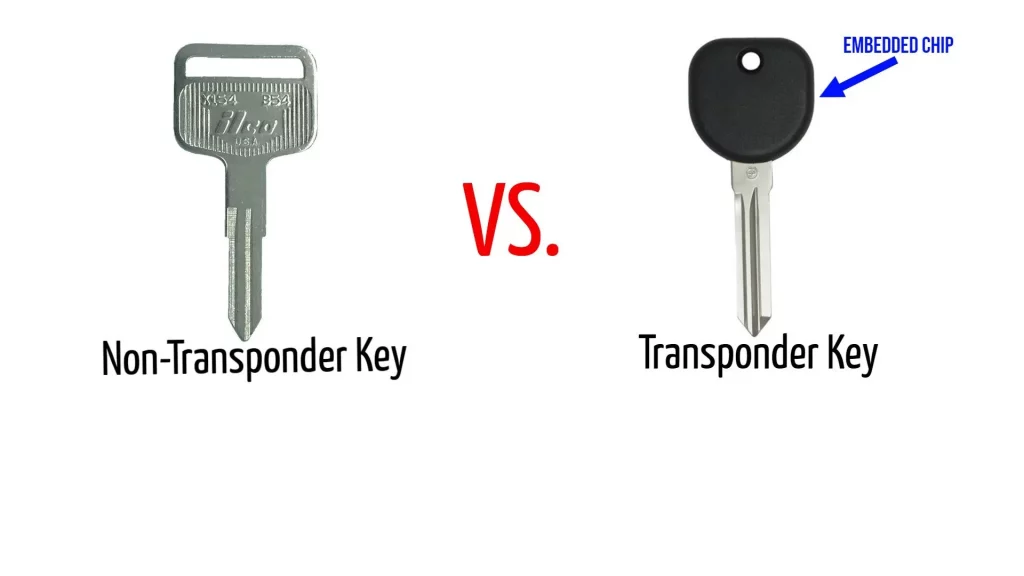
The term “transponder” is a portmanteau of “transmitter” and “responder.” At its core, a transponder key is an ignition key with a built-in RFID (Radio Frequency Identification) chip that provides an extra layer of security for the vehicle. While it looks like a standard key, its internal circuitry performs a high-speed digital “handshake” with the car’s computer before the engine is even allowed to turn over. This technology has become the industry standard, drastically reducing vehicle theft rates globally.
The Mechanics Behind the Chip: How Transponder Technology Works
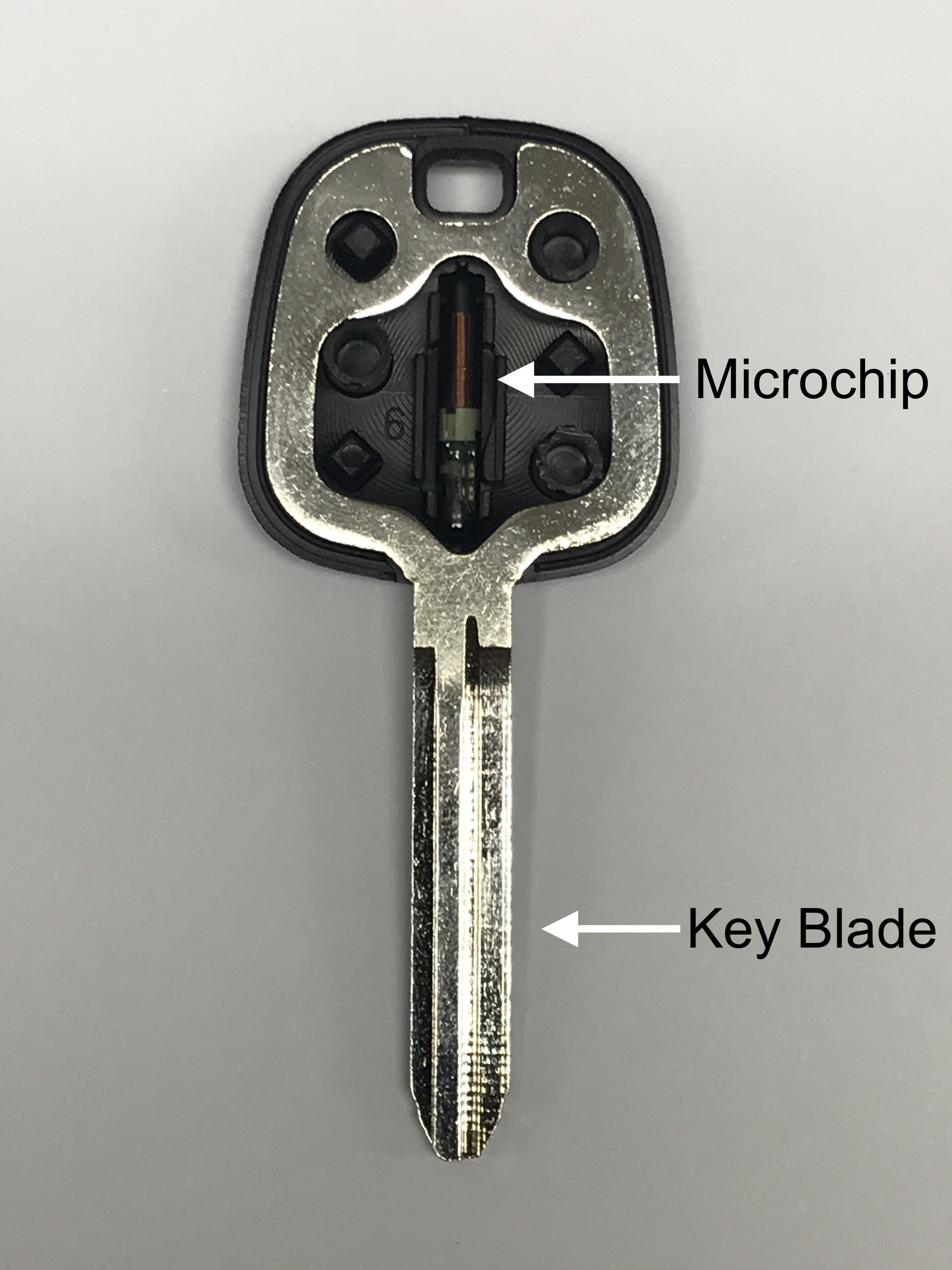
To understand what a transponder key is, one must look beneath the plastic casing of the key head. Unlike a standard remote or a simple metal key, the transponder key operates on a passive wireless system. This means the key itself does not usually require a battery to perform its primary security function; instead, it draws power from the vehicle.
The Fundamentals of RFID and Induction
The magic of the transponder key lies in electromagnetic induction. When you insert the key into the ignition cylinder or bring a smart fob within range of the start button, an induction coil surrounding the ignition lock sends out a burst of electromagnetic energy. This energy creates a small magnetic field that powers the microchip inside the key.
Once powered, the chip—which is an RFID tag—broadcasts a unique alphanumeric code. This code is picked up by the vehicle’s receiver and sent to the Engine Control Unit (ECU). If the code matches the one programmed into the car’s memory, the immobilizer is disarmed, and the car starts. If the code is missing or incorrect, the fuel pump and starter remain disabled, rendering the car a very expensive paperweight for any potential intruder.
The Digital Authentication Handshake
This process happens in milliseconds. It is a sophisticated “challenge-response” mechanism. In modern high-security systems, the communication is encrypted. The car’s computer sends a “challenge” to the key, and the key must perform a specific mathematical calculation using its internal algorithm to provide the correct “response.” This ensures that even if a thief manages to intercept the wireless signal, they cannot simply “replay” it later to steal the car, as the required response changes with every attempt.
Evolution of Vehicle Security: From Mechanical Cuts to Encrypted Signals
The transition to transponder technology was born out of necessity. During the 1980s and early 1990s, car theft was at an all-time high because mechanical locks were relatively easy to bypass. Professional thieves could “slim jim” a door and “hotwire” an ignition in under a minute.
The Vulnerability of Traditional Mechanical Keys
A traditional key relies entirely on physical bitting—the ridges and valleys cut into the blade. These cuts move pins inside the lock cylinder to a specific “shear line,” allowing the cylinder to turn. The flaw in this system is that it is purely physical. Tools like lock picks, bump keys, or even a heavy-duty screwdriver can force a mechanical ignition to turn. Furthermore, once the cylinder is turned, the electrical circuit to the starter motor is completed, and the engine starts. There was no secondary verification that the person turning the key was actually authorized to do so.
The Introduction of Anti-Theft “Immobilizer” Systems
In the mid-1990s, manufacturers like BMW and General Motors began introducing the first iterations of immobilizer systems. The first systems were primitive, sometimes using resistors embedded in the key (like the GM VATS system). However, the true leap forward came with the integration of digital chips. By moving the security check from the mechanical lock to the digital ECU, manufacturers created a barrier that physical tools could not overcome. This integration transformed the key from a simple lever into a digital security token.
Types of Modern Transponder Systems
As digital security has evolved, so have the types of transponder systems found in modern vehicles. The tech has branched into several distinct categories based on how they handle data and user interaction.
Fixed Code vs. Rolling Code Systems
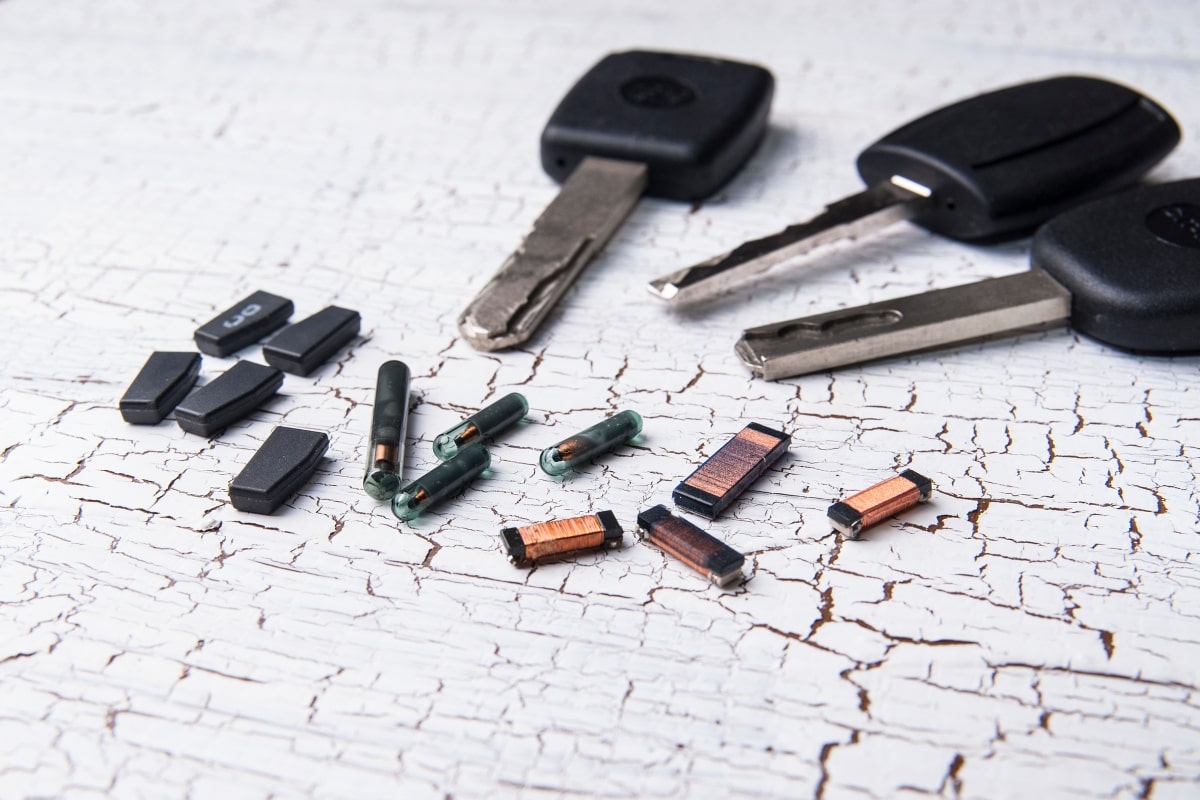
Early transponder keys utilized “fixed codes.” This meant the chip sent the exact same identification string every time it was used. While revolutionary at the time, fixed codes were vulnerable to “sniffing”—where a tech-savvy thief could use a radio receiver to capture the code and clone it onto a blank chip.
To counter this, the industry moved to “rolling code” or “encrypted” systems. In a rolling code system, the key and the car use an algorithm to create a new code every time the ignition is used. There are billions of possible combinations, making it mathematically impossible for a thief to predict what the next code will be. This is the same logic used in secure banking tokens and high-end digital security systems.
Proximity Fobs and Smart Key Integration
The latest evolution of the transponder is the “Smart Key” or “Proximity Key.” In these systems, the transponder is much more powerful. You no longer need to insert the key into a slot; the car senses the presence of the transponder via localized antennas (usually within a 3-to-5-foot radius).
These systems use a “Passive Entry, Passive Start” (PEPS) protocol. The car and the fob are in constant, low-power communication. When you touch the door handle, the car “pings” the fob, the fob responds with an encrypted authorization, and the door unlocks. The same happens when you press the “Start” button. While more convenient, these systems require sophisticated power management and advanced encryption to prevent “relay attacks,” where thieves use signal boosters to trick a car into thinking a key is nearby when it is actually inside the owner’s house.
Technical Challenges: Programming, Replacement, and Maintenance
The high-tech nature of transponder keys means that they are not as easily serviced as their mechanical ancestors. Managing these devices requires specialized software and hardware interfaces.
The Role of the On-Board Diagnostics (OBD-II) Port
When a new transponder key is created, it isn’t just “cut”; it must be “learned” by the vehicle. This is typically done through the vehicle’s OBD-II port—the same port mechanics use to diagnose engine trouble. Using specialized diagnostic tools, a technician accesses the car’s security module and enters a “programming mode.”
The vehicle is then told to look for a new transponder signature. Once the key is introduced, the ECU writes the key’s unique ID into its “allow list.” This prevents unauthorized keys from being added easily, as most vehicles require a “security PIN” or a pre-existing authorized key to enter this programming mode. This creates a secure chain of custody for vehicle access.
Cybersecurity and the Digital Key Landscape
As transponder keys have become more digital, they have also become targets for cybersecurity research. Researchers have found vulnerabilities in the proprietary encryption algorithms used by some manufacturers (such as the Megamos Crypto system). This has led to a constant arms race between automotive engineers and digital “white hat” hackers. Modern transponders now use 128-bit or even 256-bit encryption, matching the security standards used in modern web browsers and secure communications.
The Future of Automotive Access: Beyond the Physical Transponder
The transponder key, as a physical object, is slowly beginning to fade. We are currently entering an era where the “key” is becoming entirely virtual, moving from a dedicated plastic fob to a multi-purpose digital device.
Biometric Integration and Smartphone Digital Keys
The next frontier in the “Tech” of vehicle access is the Smartphone Digital Key. Utilizing Near Field Communication (NFC) and Ultra-Wideband (UWB) technology, companies like Tesla, Apple, and BMW are allowing users to turn their smartphones into transponders. UWB is particularly important because it allows for high-precision spatial awareness, meaning the car knows exactly where the phone is (e.g., inside the cabin vs. outside the trunk), preventing accidental lockouts or unauthorized starts.
Furthermore, we are seeing the rise of biometric transponders. Some vehicles now feature fingerprint scanners or facial recognition cameras (similar to FaceID). In these systems, the “transponder” is the user’s unique biological data, which is encrypted and stored locally within the vehicle’s secure enclave.
Conclusion
The transponder key is a perfect example of how digital security has permeated every aspect of our physical lives. It is no longer just a tool for turning a lock; it is a sophisticated node in a vehicle’s network. From the simple RFID chips of the 90s to the ultra-wideband digital keys of today, the transponder remains the silent guardian of the modern automobile, ensuring that the intersection of convenience and security remains seamless for the user. As we move toward a keyless future, the principles of the transponder—authentication, encryption, and wireless communication—will continue to be the foundation of automotive tech.
aViewFromTheCave is a participant in the Amazon Services LLC Associates Program, an affiliate advertising program designed to provide a means for sites to earn advertising fees by advertising and linking to Amazon.com. Amazon, the Amazon logo, AmazonSupply, and the AmazonSupply logo are trademarks of Amazon.com, Inc. or its affiliates. As an Amazon Associate we earn affiliate commissions from qualifying purchases.