
The term “State ID number” might conjure up images of official documents and government bureaucracy, and while that’s not entirely inaccurate, understanding what it truly represents, especially in the context of our digital and financial lives, is increasingly crucial. This isn’t just about identification; it’s about a foundational element that intersects with personal finance, security, and the way we interact with various institutions. In the realm of Money, a State ID number is more than just a string of digits; it’s a key that unlocks access to essential financial services, verifies your identity for transactions, and plays a silent but significant role in safeguarding your financial well-being.
The Genesis and Purpose of a State ID Number
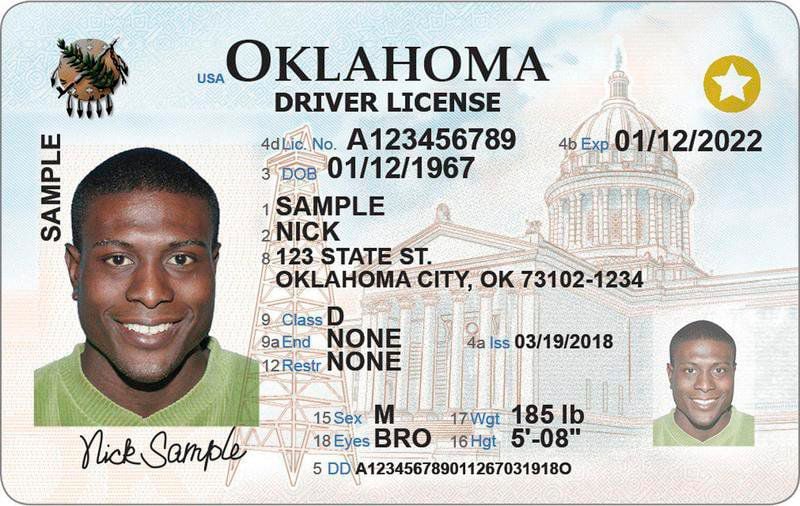
At its core, a State ID number is a unique identifier assigned by a state government to its residents who are not eligible for or do not possess a driver’s license. It serves as a primary form of identification, proving your residency and age. However, its implications extend far beyond simply having a piece of plastic in your wallet. In the financial landscape, this number is a linchpin for several critical functions, all designed to ensure security, compliance, and efficient access to services.
Understanding the Issuing Authority and Legal Standing
State ID cards are typically issued by the Department of Motor Vehicles (DMV) or a similar state agency responsible for driver’s licensing and identification. This governmental backing lends significant weight to the State ID number as a legitimate and recognized form of identification. Its legal standing is paramount in financial transactions. When you need to open a bank account, apply for a loan, or even perform certain high-value transactions, financial institutions rely on your State ID number to confirm your identity and verify that you are who you say you are. This is a fundamental aspect of Know Your Customer (KYC) regulations, designed to prevent fraud and money laundering.
Distinguishing State ID Numbers from Other Identifiers
It’s important to differentiate a State ID number from other common identifiers you might encounter.
Social Security Number (SSN): The Cornerstone of Financial Identity
The Social Security Number (SSN) is arguably the most critical identifier in the United States for financial matters. Issued by the Social Security Administration, it’s primarily used for tracking earnings, calculating benefits, and is a cornerstone for credit reporting, tax purposes, and employment verification. While a State ID number verifies your identity and residency, your SSN is deeply entwined with your financial history and creditworthiness. Financial institutions will almost always require your SSN in addition to your State ID for applications and account management.
Driver’s License Number: An Alternative Primary ID
A driver’s license number, also issued by state DMVs, functions very similarly to a State ID number in its capacity as a primary identification document. For individuals who drive, their driver’s license often serves as their primary form of ID, and its number can be used interchangeably with a State ID number in many financial contexts. The key difference lies in the primary purpose: driver’s licenses are for operating a motor vehicle, while State IDs are for identification purposes for non-drivers.
Passport Number: International Recognition and Its Financial Implications
A passport number is issued by the U.S. Department of State and is primarily used for international travel. While it is a highly recognized form of identification globally, its application in domestic financial transactions can be more limited compared to a State ID or SSN. However, for certain international banking needs or when dealing with financial institutions that have international operations, a passport number can be a valuable identifier. It’s crucial to note that while a passport serves as proof of identity, it doesn’t inherently hold the financial transaction history that an SSN does.
The Practical Applications of Your State ID Number in Personal Finance
The State ID number, while seemingly simple, plays an integral role in a myriad of financial activities. It’s not just about proving you are an adult; it’s about establishing trust and enabling secure access to the financial world.
Opening and Managing Bank Accounts: The First Financial Hurdle
When you decide to open a checking or savings account, one of the first things a bank will ask for is your identification. A valid State ID card, along with its associated number, is a standard requirement. This allows the bank to verify your identity, confirm your residency, and comply with federal regulations designed to prevent financial crimes. The State ID number ensures that the account is opened in your name and that you are a legitimate individual eligible to hold such an account. It also plays a role in subsequent interactions with your bank, such as applying for credit cards or personal loans, where your identity needs to be re-verified.
Accessing Loans and Credit: Building Your Financial Foundation

Applying for any form of credit, whether it’s a mortgage, an auto loan, a personal loan, or a credit card, necessitates robust identity verification. Your State ID number is a crucial piece of this puzzle. Alongside your SSN, it helps lenders confirm your identity, assess your risk, and ensure that the credit being extended is to the rightful individual. The consistency of information between your State ID and other financial documents is vital for a smooth approval process. A discrepancy could flag your application for further review, potentially causing delays or even rejection.
Securing Your Finances: Identity Protection and Fraud Prevention
In an age where identity theft is a significant concern, your State ID number, like any other personal identifier, needs to be protected. While it’s not as frequently exposed online as your SSN might be, it’s still a valuable piece of information for fraudsters. When applying for services or making significant purchases, always ensure you are dealing with reputable institutions and that your information is being handled securely. Understanding the role of your State ID number in verification processes helps you appreciate why its security is paramount. It’s a key that helps institutions lock down your financial accounts and prevent unauthorized access.
Beyond the Basics: Less Common but Important Uses of Your State ID Number
While opening bank accounts and applying for loans are the most common financial uses of a State ID number, its utility extends to other areas that impact your financial life and overall well-being.
Verifying Age for Age-Restricted Purchases and Services
Many financial transactions and services are age-restricted. This includes purchasing alcohol or tobacco, entering casinos, or even accessing certain online financial platforms. Your State ID number, by confirming your age and date of birth, is the primary document used to verify your eligibility for these activities. While this might seem minor, it’s a fundamental aspect of legal and financial compliance that your State ID number facilitates.
Essential for Government Benefits and Programs
When you apply for various state or federal government benefits, such as unemployment insurance, housing assistance, or certain social programs, your State ID number will often be required as part of the application process. This helps the government agencies verify your identity, confirm your residency within the state, and ensure that benefits are distributed to eligible individuals. Proper documentation, including your State ID, is crucial for accessing these vital financial safety nets.
The Role in Financial Audits and Legal Matters
In the unfortunate event of a financial dispute, legal proceedings, or even routine audits, your State ID number can serve as a reference point for verifying your identity and your connection to specific financial activities or accounts. While not the primary document for proving financial transactions, it acts as a foundational layer of identity confirmation that can be crucial in establishing your credentials within a legal or investigative context.
Protecting Your State ID Number: A Financial Security Imperative
The security of your State ID number is not merely a matter of personal privacy; it’s a critical component of your overall financial security. Recognizing its value and understanding how it’s used empowers you to take proactive steps to protect it.
Recognizing and Preventing Identity Theft
Identity theft can have devastating financial consequences. While your SSN is often the primary target for sophisticated identity thieves, a stolen State ID number can still be used for various fraudulent activities, such as opening fraudulent accounts or gaining access to your existing services. Be vigilant about who you provide your State ID number to. Legitimate institutions will clearly state why they need it, and you should feel empowered to ask for clarification.
Securely Storing and Transmitting Your Information
When you need to provide your State ID number, whether it’s in person, over the phone, or through a secure online portal, ensure the environment is safe. Avoid sharing it in public places, over unsecured Wi-Fi networks, or through unencrypted emails. If you are storing a physical copy of your State ID, keep it in a secure location. For digital copies, use password-protected files or secure cloud storage solutions.

Staying Informed and Vigilant in the Digital Age
The financial landscape is constantly evolving, and with it, the methods by which your personal information can be compromised. Staying informed about common scams and phishing attempts is crucial. Always scrutinize requests for your State ID number and cross-reference them with official communication channels. If something feels suspicious, err on the side of caution and contact the institution directly using a verified phone number or website. Your State ID number is a vital piece of your financial identity, and treating its security with the seriousness it deserves is an essential step towards safeguarding your financial well-being.
aViewFromTheCave is a participant in the Amazon Services LLC Associates Program, an affiliate advertising program designed to provide a means for sites to earn advertising fees by advertising and linking to Amazon.com. Amazon, the Amazon logo, AmazonSupply, and the AmazonSupply logo are trademarks of Amazon.com, Inc. or its affiliates. As an Amazon Associate we earn affiliate commissions from qualifying purchases.