
The allure of the porterhouse steak is undeniable. Often considered the king of steaks, it’s a centerpiece for celebratory dinners and a benchmark for steak aficionados. But beyond its succulent flavor and impressive size lies a complex interplay of factors that determine its value, making it a significant consideration within the realm of culinary economics and discerning consumer spending. Understanding what constitutes a porterhouse steak is not just about identifying a cut of beef; it’s about appreciating the investment in quality, the intricacies of butchery, and the market forces that dictate its price.

The Anatomy of a Premium Cut: Defining the Porterhouse
The porterhouse steak is a highly prized cut due to its unique composition and superior eating experience. Its defining characteristic is its significant portion of two distinct muscles, separated by a characteristic “T”-shaped bone. This duality is what elevates the porterhouse, offering diners two steak experiences in one.
The True T-Bone: Understanding the Bifurcation
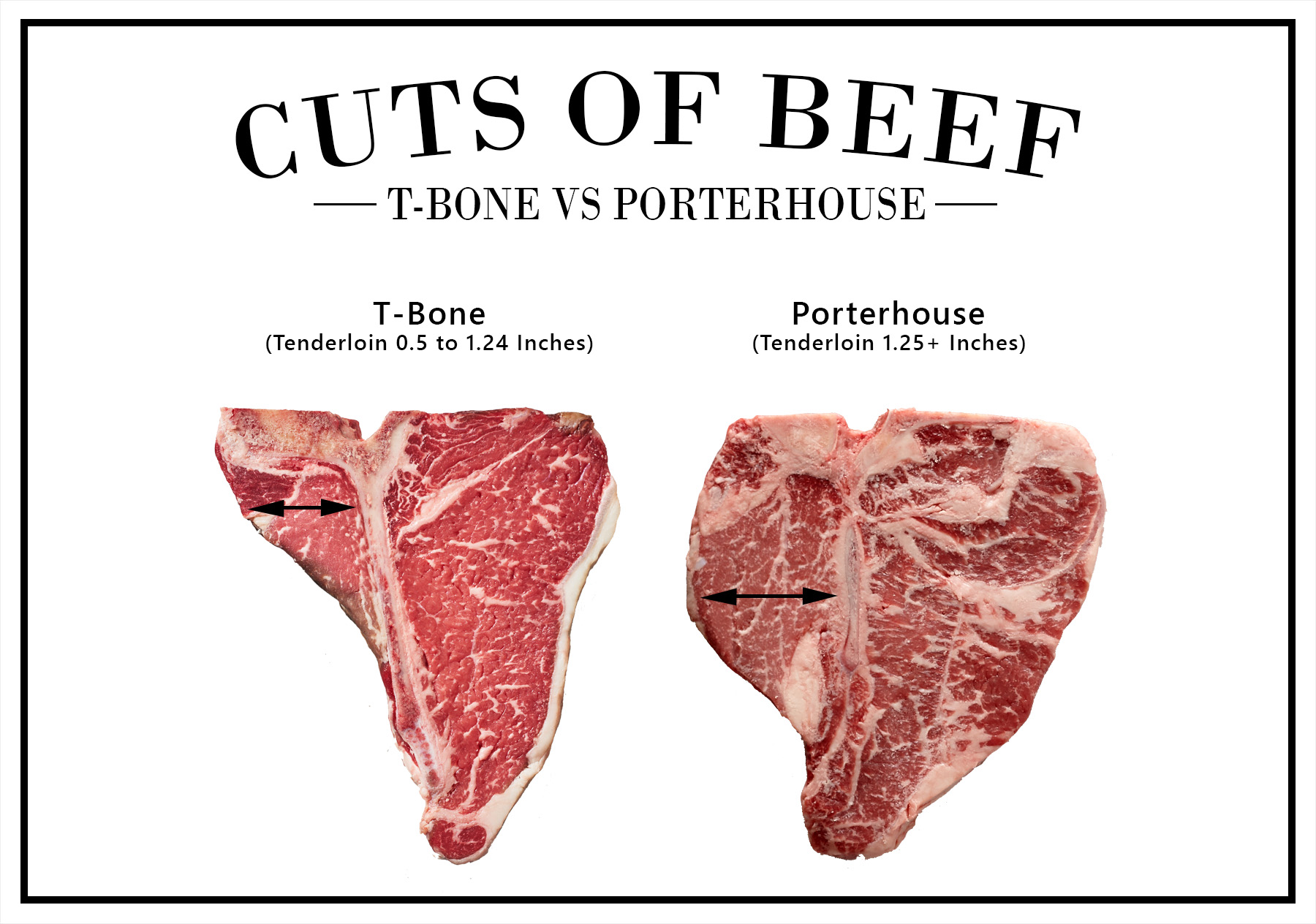
At the heart of the porterhouse is the “T”-shaped bone, which is actually a lumbar vertebra. This bone bifurcates the steak into two distinct muscle groups. The larger, more prominent portion is the strip steak (also known as the New York strip or Kansas City strip), renowned for its robust beefy flavor and satisfying chew. On the other side of the bone, you’ll find the filet mignon, a portion of the tenderloin. This muscle is prized for its exceptional tenderness and milder, buttery flavor. The presence of both these muscles in a single, substantial cut is the primary reason for the porterhouse’s premium status and its corresponding price point.
The Critical Bone Measurement: The Filet Differentiator
The key distinction between a porterhouse and its close relative, the T-bone steak, lies in the size of the filet mignon. According to USDA regulations, for a steak to be classified as a porterhouse, the filet mignon portion must measure at least 1.25 inches in width at its widest point. A T-bone steak will have a smaller portion of the filet, typically less than 1.25 inches. This size requirement for the filet is a significant factor contributing to the porterhouse’s higher market value, as the tenderloin is a more expensive cut to begin with. This strict definition ensures that consumers paying for a porterhouse are indeed receiving a substantial portion of the highly sought-after tenderloin.
The Economics of Excellence: Why the Porterhouse Commands a Premium
The elevated price of a porterhouse steak is not arbitrary; it is a direct reflection of the costs and processes involved in its production, selection, and presentation. Several economic factors converge to justify its position at the higher end of the steak market.
Sourcing and Quality: The Foundation of Value
The journey of a porterhouse steak begins with the cattle themselves. High-quality porterhouse steaks typically originate from well-marbled, prime or above-grade beef. This means the cattle have been raised with specific dietary regimens and genetic lines that promote intramuscular fat, commonly known as marbling. This marbling is crucial for tenderness, juiciness, and flavor. The investment in raising such cattle, including premium feed, careful husbandry, and specialized breeding programs, adds significantly to the overall cost of the beef. Furthermore, the specific primal cut from which the porterhouse is harvested – the short loin – is a less abundant section of the cow compared to other areas. This limited availability, coupled with the demand for superior marbling, drives up the raw material cost.
Butchery and Yield: The Art and Science of the Cut

The butchery process for a porterhouse steak is also a significant factor in its cost. Unlike many other steaks, the porterhouse requires precise cutting to ensure the characteristic T-bone and the substantial portions of both the strip and filet. This intricate butchery demands skilled butchers who understand the anatomy of the animal and can execute these cuts with precision to maximize yield and quality. A poorly cut porterhouse can result in uneven cooking, reduced tenderness, and a less aesthetically pleasing presentation. The expertise and time invested by these skilled artisans contribute to the final price. Moreover, the yield from a whole short loin for porterhouse steaks is lower than for other cuts, as the bone itself is not consumed, and significant trimming might be necessary to meet the USDA’s specific size requirements for the filet. This reduced yield further amplifies the cost per pound.
Market Demand and Perceived Value: The Psychology of Price
The porterhouse steak occupies a unique position in the culinary landscape, often associated with special occasions, fine dining, and a luxurious dining experience. This perception of exclusivity and indulgence plays a crucial role in its market value. High demand from consumers willing to pay a premium for this exceptional cut allows retailers and restaurants to command higher prices. The psychological aspect of enjoying a porterhouse – the anticipation, the shared experience, and the sheer indulgence – contributes to its perceived value, which often transcends the mere cost of production. This perceived value, driven by cultural associations and marketing, allows the porterhouse to consistently fetch a higher price than other, less celebrated cuts.
The Financial Implications of Purchasing a Porterhouse
For the consumer, the decision to purchase a porterhouse steak is an investment in a particular dining experience. Understanding the financial implications allows for informed choices and an appreciation for the value being exchanged.
The Price Per Pound: A Deeper Dive
When comparing prices, the “price per pound” of a porterhouse steak often appears higher than that of other popular cuts. This is a direct consequence of the economic factors previously discussed: the cost of sourcing high-grade beef, the skilled labor involved in butchery, and the limited yield. It’s essential to recognize that you are not just buying raw meat; you are purchasing a meticulously prepared cut that offers a dual flavor and texture experience. The cost of the filet mignon portion, which is inherently more expensive, significantly influences the overall price of the porterhouse. Therefore, while the initial outlay might seem substantial, the value proposition lies in the combination of two premium steaks in one.
Cost-Benefit Analysis: Is it Worth the Investment?
The decision of whether a porterhouse steak is “worth it” is subjective and depends on individual priorities and the occasion. For a celebratory meal, a special anniversary, or a discerning diner seeking the ultimate steak experience, the porterhouse often delivers exceptional value. The unique combination of the robust strip and the tender filet offers a complex and satisfying culinary journey. However, for everyday dining or for those who prefer a single flavor profile, other cuts might offer a more cost-effective solution. It’s a matter of aligning your spending with your dining aspirations and recognizing the unique attributes that the porterhouse brings to the table.
Where to Find the Best Value: Strategic Purchasing
When seeking to purchase a porterhouse steak, strategic purchasing can help optimize your investment. Buying directly from reputable butchers often provides better quality and potentially better pricing than pre-packaged supermarket options, as you can often discuss the specific cut and its provenance. Comparing prices between different purveyors and considering the grade of beef (e.g., prime, choice) will also influence the final cost. For restaurant dining, the markup on a porterhouse will be significantly higher due to the service, ambiance, and preparation involved. Understanding these nuances allows consumers to make informed financial decisions when indulging in this premium cut.
Conclusion: The Porterhouse as a Culinary Financial Statement
The porterhouse steak is more than just a cut of beef; it is a culinary statement, a product of meticulous sourcing, expert butchery, and significant market demand. Its price reflects the investment made throughout its journey from farm to fork, embodying a confluence of quality, craftsmanship, and consumer desire. For those who appreciate its unique duality and unparalleled taste, the porterhouse represents a worthwhile financial indulgence. Understanding its anatomy, the economic drivers behind its cost, and the implications for your own budget allows for a more informed and appreciative engagement with this legendary steak. It is a testament to the fact that in the world of gastronomy, some of the most exquisite experiences come with a price tag that reflects their inherent value.
aViewFromTheCave is a participant in the Amazon Services LLC Associates Program, an affiliate advertising program designed to provide a means for sites to earn advertising fees by advertising and linking to Amazon.com. Amazon, the Amazon logo, AmazonSupply, and the AmazonSupply logo are trademarks of Amazon.com, Inc. or its affiliates. As an Amazon Associate we earn affiliate commissions from qualifying purchases.