
The term “DC,” or Direct Current, is a fundamental concept that underpins a vast array of modern technologies, from the smallest microchip to the global power grids that energize our world. While often discussed in contrast to Alternating Current (AC), understanding DC is crucial for anyone seeking to grasp the inner workings of electronics, digital devices, and the very infrastructure of our technological society. This article delves into the essence of DC, exploring its characteristics, applications, and its indispensable role in the digital landscape.
The Fundamental Nature of Direct Current
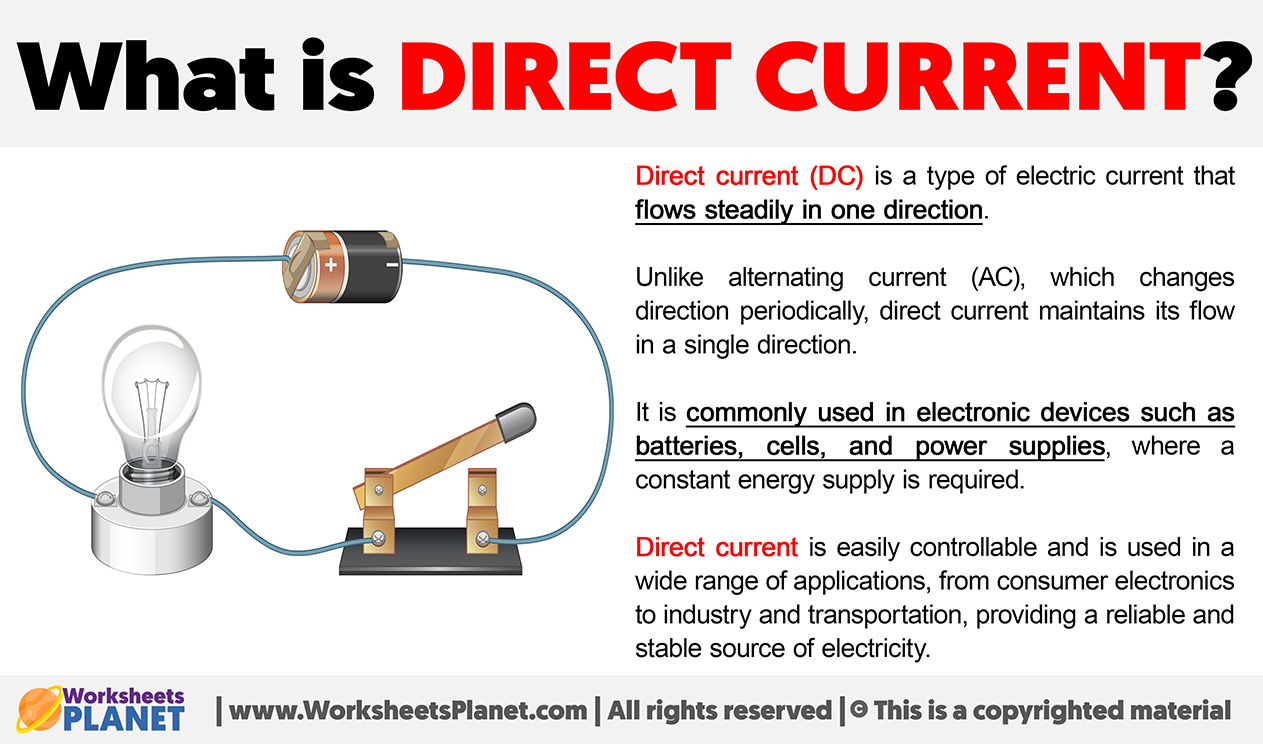
At its core, Direct Current is an electrical phenomenon characterized by the unidirectional flow of electric charge. Unlike Alternating Current, where the direction of charge flow periodically reverses, DC maintains a constant polarity. This seemingly simple distinction has profound implications for how electrical energy is stored, transmitted, and utilized in various devices.
Defining the Flow: Unidirectional vs. Reversing
The defining feature of DC is its constant direction of flow. Imagine a river flowing steadily in one direction; that’s analogous to DC. The electrons in a DC circuit consistently move from a region of higher potential (negative terminal) to a region of lower potential (positive terminal). This consistent flow is what allows for predictable and stable operation in many electronic components.
In contrast, AC’s flow oscillates back and forth. Think of a pendulum swinging; that’s a rough analogy for AC. This periodic reversal of direction is achieved by generators that rotate magnets within coils, inducing a fluctuating voltage and thus an alternating current. While AC is efficient for long-distance power transmission due to its ability to be easily stepped up and down by transformers, DC reigns supreme within the intricate circuits of our digital devices.
Key Characteristics: Voltage, Current, and Polarity
Understanding DC involves comprehending its key characteristics:
- Voltage (V): This is the electrical potential difference that drives the flow of charge. In a DC circuit, the voltage from a source like a battery or a DC power supply remains constant over time. This stability is vital for sensitive electronic components that can be damaged by fluctuating voltage levels.
- Current (I): This refers to the rate of flow of electric charge. In a DC circuit, the current also remains constant (or nearly constant) over time, assuming a steady voltage source and resistance.
- Polarity: DC sources have distinct positive (+) and negative (-) terminals. This fixed polarity is critical for connecting components correctly. Reversing the polarity can damage sensitive electronics or prevent them from functioning altogether. For instance, a diode, a fundamental electronic component, will only allow current to flow in one direction, determined by its polarity.
Sources of Direct Current
The ubiquity of DC in our technological lives is a testament to its diverse sources:
- Batteries: Perhaps the most common and recognizable source of DC power. From the AA batteries in our remote controls to the lithium-ion batteries in our smartphones and laptops, these electrochemical devices store chemical energy and convert it into a steady electrical current.
- Solar Panels: Photovoltaic cells convert sunlight directly into DC electricity. This makes solar power a significant source of clean DC energy for both residential and industrial applications.
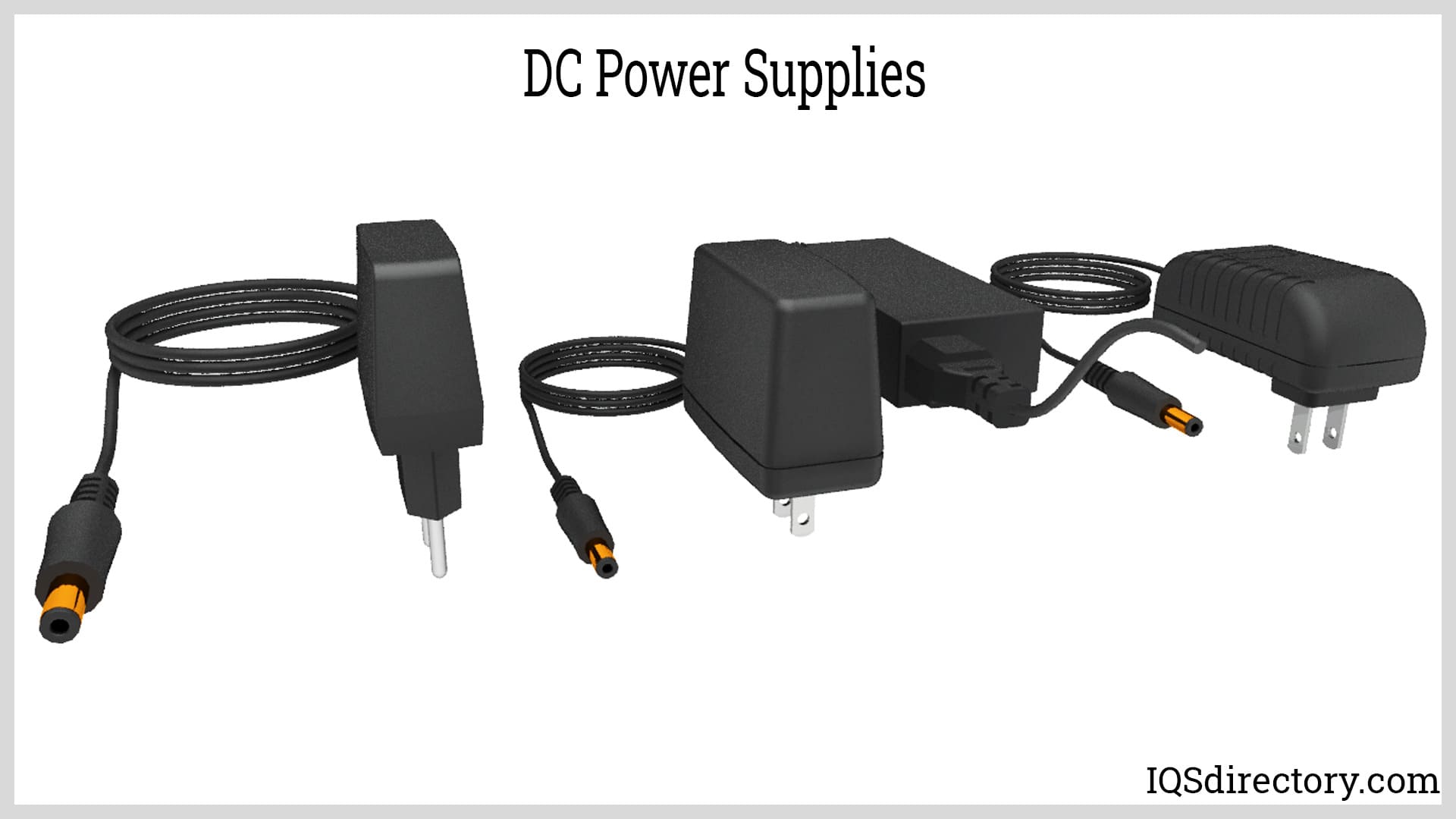
- DC Power Supplies: These devices convert AC power from the wall outlet into DC power. They are essential for powering a wide range of electronic devices, including computers, televisions, and gaming consoles. Internally, they rectify the AC to DC and then regulate the voltage to the desired level.
- Fuel Cells: These devices generate electricity through a chemical reaction, producing DC power as a byproduct. They are gaining traction as a clean energy alternative.
- Generators (with Commutators): While most large-scale power generation uses AC, specialized DC generators exist, often employing a commutator to convert the induced AC into DC.
The Indispensable Role of DC in Electronics and Computing
The digital revolution, from the earliest computers to the sophisticated smartphones we carry today, is intrinsically linked to the properties of Direct Current. Its stable and predictable nature makes it the ideal choice for powering the intricate circuitry that defines modern electronics.
Powering the Digital Brain: Microprocessors and Integrated Circuits
The heart of any digital device is its microprocessor, a complex integrated circuit (IC) that performs calculations and controls operations. These ICs, along with countless other microchips and transistors, operate on very low DC voltages, typically ranging from 1.2V to 5V, and sometimes even lower. The precise and unwavering DC supply is absolutely critical for the correct functioning of billions of transistors within these chips. Any fluctuation or reversal in voltage could lead to errors, data corruption, or permanent damage to the delicate silicon structures.
Data Storage and Transmission: The Foundation of Digital Information
Digital data is fundamentally represented by binary states: 0s and 1s. These states are often encoded and manipulated using electrical signals, which are inherently DC. For example, a high voltage might represent a “1,” while a low voltage represents a “0.” The flow of electrons in a circuit, modulated by these voltage levels, carries and processes the information. While AC is used for transmitting data over long distances in some communication systems (like radio waves), the internal processing and storage of digital information within devices rely almost exclusively on DC.
The Evolution of Power Management in Digital Devices
Modern digital devices have become remarkably efficient in their power consumption, and this efficiency is often managed through sophisticated DC power regulation and distribution.
- Voltage Regulation: DC power supplies within devices often incorporate voltage regulators. These circuits ensure that the DC voltage supplied to different components remains within their specified operating ranges, even as the overall power draw from the battery fluctuates. This prevents overvoltage or undervoltage conditions.
- Power Saving Modes: When a device enters a low-power or sleep mode, components that are not actively in use are often powered down or supplied with significantly reduced DC voltage. This intelligent power management, driven by DC, is crucial for extending battery life in portable electronics.
- Battery Charging: The process of recharging batteries, whether in a smartphone or an electric vehicle, involves converting AC power from the grid into DC power that can be stored by the battery. This highlights the symbiotic relationship between AC and DC in our technological ecosystem.
DC in Energy Storage and Renewable Power Systems
Beyond individual devices, DC plays a pivotal role in energy storage and the burgeoning field of renewable energy, fundamentally reshaping how we power our world.
The Essence of Battery Technology
As previously mentioned, batteries are the cornerstone of portable electronics and electric vehicles, and they are inherently DC power sources. The chemical reactions within a battery produce a direct flow of electrons, generating a DC voltage. This makes them ideal for powering devices where portability and independence from the main power grid are essential.
The development of advanced battery technologies, such as lithium-ion and solid-state batteries, continues to be a major focus in the tech industry. These advancements aim to increase energy density, improve charging speeds, and enhance safety, all while delivering reliable DC power.
Integrating Renewable Energy: The DC Connection
Renewable energy sources, particularly solar and wind power, have a natural affinity for DC.
- Solar Energy: Solar panels directly generate DC electricity. While this DC power can be used directly in some applications (like charging batteries or powering DC appliances), it is often converted to AC using an inverter to be fed into the conventional AC power grid or to power standard AC appliances.
- Wind Turbines: While wind turbines generate AC power, the conversion process to feed into certain grids or to store in batteries often involves rectifying the AC to DC.
The increasing integration of these DC-producing renewable sources into our energy infrastructure is leading to a greater emphasis on DC power management and distribution systems. This can involve the use of DC microgrids, which operate entirely on DC power, offering potential efficiency gains and simplifying the integration of distributed renewable energy sources.
Challenges and Future Directions in DC Technology
Despite its fundamental importance, the widespread use of DC also presents challenges and drives ongoing innovation.
Transmission Losses and the AC Advantage
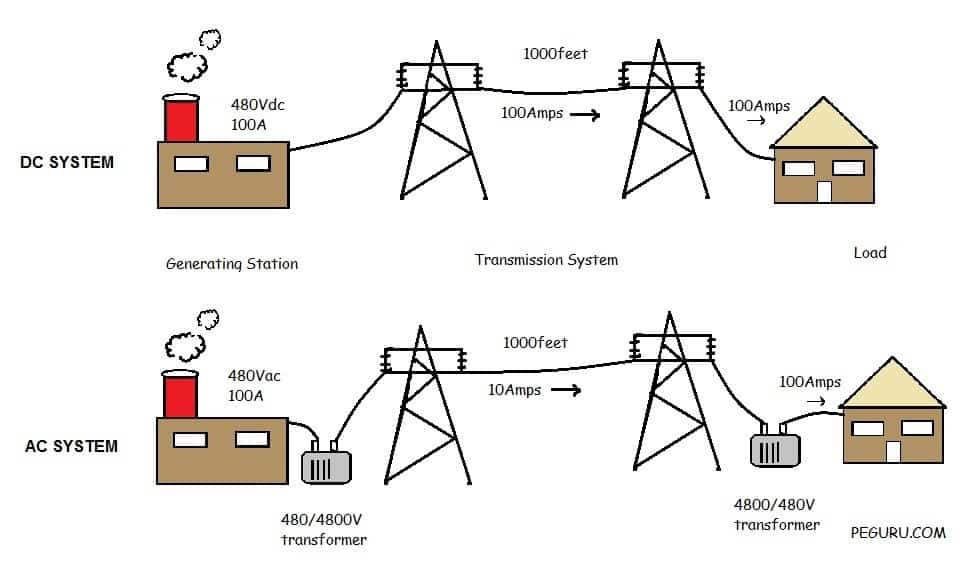
For long-distance power transmission, AC has historically held an advantage over DC. High-voltage AC can be efficiently stepped up for transmission across vast distances, minimizing energy loss due to resistance in the wires. While High-Voltage Direct Current (HVDC) transmission technology exists and offers advantages in certain scenarios (like transmitting power over very long distances or underwater), the infrastructure for AC transmission is more established and cost-effective for general distribution.
However, the increasing decentralization of power generation, with a rise in localized renewable energy sources, is prompting a re-evaluation of transmission strategies. HVDC technology is becoming more competitive and is being deployed in various large-scale projects.
The Rise of DC Microgrids and Smart Grids
The concept of the “smart grid” is an evolving landscape of interconnected electricity networks that utilize digital communication technology to detect and react to local changes in usage. Within this framework, DC microgrids are gaining traction. These localized grids can operate independently or be connected to the main AC grid.
By keeping power in its DC form for longer within these microgrids, several benefits can be realized:
- Increased Efficiency: Eliminating unnecessary AC-DC conversions within a localized system can reduce energy losses.
- Seamless Integration of Renewables: Directly connecting DC-producing sources like solar panels to a DC microgrid simplifies the system and avoids inversion losses.
- Enhanced Resilience: Microgrids can continue to operate even if the main AC grid experiences an outage, providing a more reliable power supply for critical infrastructure.
Advancements in Power Electronics and DC-DC Conversion
The efficiency and sophistication of power electronics, particularly DC-DC converters, are critical for optimizing DC power usage. These devices are essential for stepping up or down DC voltages, enabling the precise power delivery required by different electronic components. Ongoing research and development in this area are focused on creating smaller, more efficient, and more robust converters, further enhancing the capabilities of DC-powered systems.
Conclusion: The Unseen Engine of the Digital World
Direct Current, though often operating behind the scenes, is the invisible engine that powers much of our modern technological world. From the intricate workings of our smartphones and computers to the integration of renewable energy sources, DC’s stable and predictable nature makes it indispensable. As our reliance on digital technologies and sustainable energy solutions continues to grow, the understanding and mastery of Direct Current will become ever more crucial. The ongoing advancements in power electronics, energy storage, and grid management promise to further solidify DC’s position as a cornerstone of our digital future, driving innovation and efficiency in ways we are only beginning to fully comprehend.
aViewFromTheCave is a participant in the Amazon Services LLC Associates Program, an affiliate advertising program designed to provide a means for sites to earn advertising fees by advertising and linking to Amazon.com. Amazon, the Amazon logo, AmazonSupply, and the AmazonSupply logo are trademarks of Amazon.com, Inc. or its affiliates. As an Amazon Associate we earn affiliate commissions from qualifying purchases.