
The term “cult classic” evokes a specific kind of cinematic magic – films that, while perhaps not box office smashes upon release, have cultivated passionate, dedicated followings and achieved a lasting cultural significance. While the phenomenon itself is rooted in audience reception and cultural impact, the enduring life and evolution of these films are inextricably linked to the technological advancements that allow them to be discovered, shared, and celebrated across generations. From the grainy allure of 16mm prints to the hyper-connected landscape of streaming and social media, technology has been a silent, yet powerful, co-author of the cult classic narrative.

The Technological Evolution of Discovery and Accessibility
The initial hurdle for a film to achieve cult status was often its lack of mainstream appeal, leading to limited theatrical runs and scarce home video releases. However, technological shifts have dramatically democratized access and amplified the mechanisms of discovery.
From Midnight Screenings to Digital Archives
In the early days, the primary avenue for cult films to find their audience was through experimental programming in independent cinemas. Midnight screenings, particularly for films with unconventional narratives, boundary-pushing content, or distinctive visual styles, became breeding grounds for cult followings. These events were a communal experience, fostering a sense of shared understanding and appreciation among viewers who felt outsiders to mainstream tastes. The physical media of the time – 16mm and 35mm prints – were often distributed through less conventional channels, adding to the mystique and exclusivity of these showings.
The advent of home video formats, starting with VHS and Betamax, was a significant technological leap. It allowed enthusiasts to revisit films repeatedly, dissecting them frame by frame and sharing them with friends. This was a crucial step in solidifying fan bases, enabling a deeper engagement with the material beyond a single theatrical viewing. The tangible nature of these tapes, the ritual of renting or purchasing them, and the often-quirky packaging all contributed to the tactile appreciation of these cinematic artifacts.
The Internet and the Democratization of Fandom
The internet, however, revolutionized cult film accessibility and fostered an unprecedented level of community. Early online forums and Usenet groups provided digital spaces for fans to connect, discuss theories, share trivia, and debate interpretations. These platforms allowed geographically dispersed individuals to find kindred spirits, transcending the limitations of local cinemas. Websites dedicated to specific cult films began to emerge, offering comprehensive resources, fan art, and behind-the-scenes information that was previously inaccessible.
The rise of digital distribution platforms and online marketplaces further transformed the landscape. Suddenly, obscure films were no longer confined to dusty archives or the niche collections of specialized video stores. Platforms like YouTube, with its unearthing of rare clips and fan-made tributes, and later, dedicated cult film streaming services, made these movies available to a global audience. This ease of access significantly lowered the barrier to entry for new generations to discover and fall in love with these unconventional cinematic gems. The ability to search, bookmark, and share links instantly meant that a film once lost to obscurity could be rediscovered with a few clicks.
The Digital Realm of Fandom and Creation
Beyond mere accessibility, technology has profoundly shaped how cult film fandom is expressed, nurtured, and amplified. The digital age has empowered fans to become active participants in the life cycle of these films, transforming passive consumption into dynamic engagement.
Social Media and the Amplification of Buzz
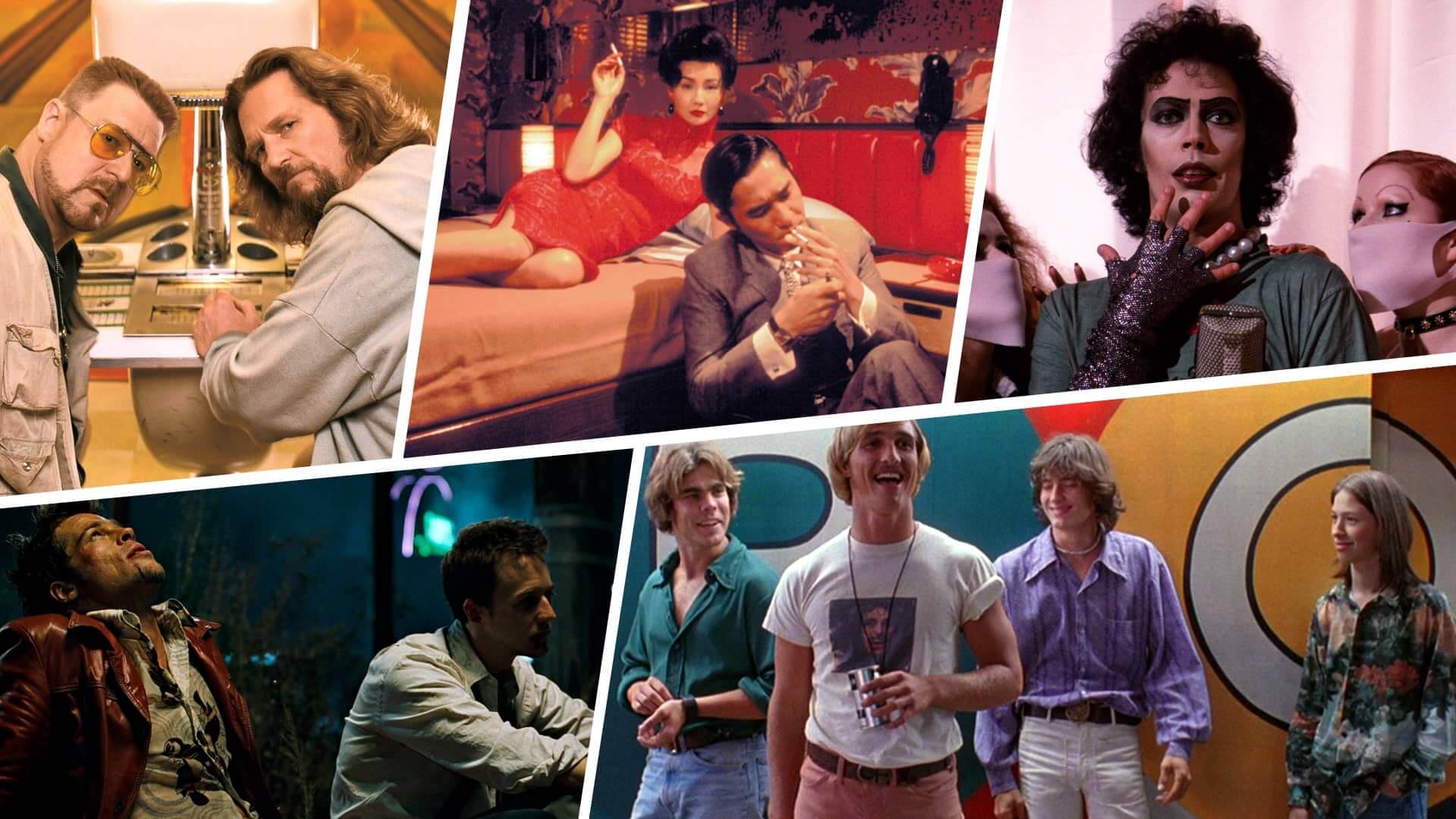
Social media platforms have become powerful engines for cultivating and sustaining cult followings. Targeted advertising, algorithmic recommendations, and the viral nature of content sharing mean that even a niche film can find its audience. Fans can create dedicated pages, share memes and GIFs, and engage in real-time discussions, creating a constant stream of buzz that keeps the film alive in the cultural consciousness. Hashtags can coalesce disparate fans into a unified online community, making it easier to organize events, celebrate anniversaries, or even campaign for a sequel or a restored re-release.
The ability to visually share iconic scenes, memorable quotes, or striking imagery from these films has been instrumental. A well-timed tweet, an engaging Instagram story, or a compelling TikTok video can introduce a cult classic to an entirely new demographic, sparking curiosity and driving them to seek out the full experience. This user-generated content acts as a continuous form of marketing, driven by genuine passion rather than corporate oversight. The algorithms that power these platforms, while sometimes controversial, can also act as serendipitous discoverers, introducing users to content that aligns with their nascent interests.
Fan-Created Content and Digital Preservation
The digital age has democratized content creation, empowering fans to contribute to the legacy of their favorite cult films in unprecedented ways. Fan fiction, fan art, video essays, retrospectives, and even fan-made trailers are now easily produced and disseminated online. These creations not only demonstrate a deep level of engagement but also offer new interpretations and perspectives on the films, further enriching the cult experience. For films that may have suffered from poor transfers or limited special features on their original releases, fan communities often take it upon themselves to create supplementary material, such as detailed wikis or meticulously researched video essays.
Furthermore, digital tools and technologies have played a crucial role in the preservation and restoration of cult classics. As original film elements age and degrade, digital scanning and restoration techniques can breathe new life into these cinematic treasures. This has allowed for the release of director’s cuts, extended editions, and high-definition versions that offer fans a superior viewing experience, often accompanied by new digital bonus features like interviews or behind-the-scenes documentaries that wouldn’t have been feasible in earlier eras. The ability to meticulously color-correct, remove scratches, and enhance audio has made older cult films more palatable and enjoyable for contemporary audiences.
The Algorithmic Influence on Cult Film Curation
While organic discovery and fan-driven passion are paramount, it’s impossible to ignore the increasing influence of algorithms in shaping what content we see, including cult classics. Streaming platforms, in particular, leverage sophisticated algorithms to recommend content, impacting how cult films are surfaced and experienced.
Personalized Recommendations and the Echo Chamber Effect
Streaming services employ complex algorithms to analyze user viewing habits, ratings, and search queries to generate personalized recommendations. For cult films, this can be a double-edged sword. On one hand, if a user demonstrates an interest in unconventional or niche genres, the algorithm can effectively surface a wealth of cult classics they might otherwise never encounter. This can lead to a rapid onboarding process into a particular cult following.
On the other hand, these algorithms can also create echo chambers. If a user primarily engages with content within a narrow set of tastes, the algorithm may continue to feed them similar material, potentially limiting their exposure to genuinely diverse cult offerings. The serendipitous discovery of a film outside one’s established viewing patterns can become less frequent. However, the very nature of cult films, with their often unconventional narratives and thematic depth, can sometimes break through these algorithmic bubbles, as viewers actively seek out content that challenges their expectations. The “users who watched this also watched…” feature, for instance, can be a powerful tool for navigating the adjacent landscape of cult cinema.
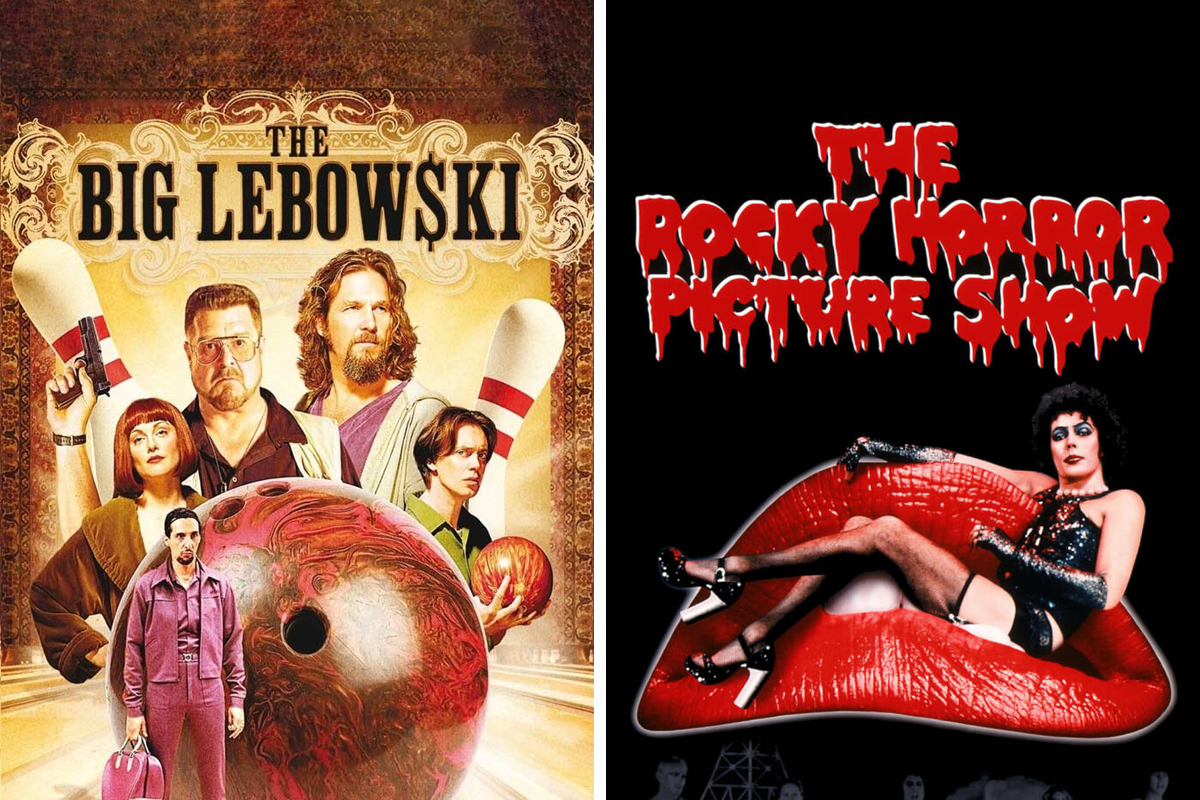
The Data Behind Demand and Revival
The data generated by streaming platforms – viewing hours, completion rates, user feedback – provides invaluable insights into the sustained demand for cult classics. This data can influence decisions about re-releasing films, investing in remakes or sequels, or even commissioning new documentaries about their impact. Studios and distributors can see, in real-time, which older, less conventional films are still resonating with audiences, justifying the investment in digital restoration or expanded marketing campaigns.
This data-driven approach can lead to unexpected revivals. A film that underperformed commercially decades ago might suddenly experience a surge in popularity thanks to a trending TikTok soundbite, a prominent mention in a popular podcast, or a curated playlist on a streaming service. The algorithms, in processing this increased engagement, can then further amplify the film’s visibility, creating a feedback loop that propels it back into the cultural spotlight. This demonstrates a symbiotic relationship where technology not only facilitates but also actively shapes the trajectory and renewed relevance of cult classic cinema.
aViewFromTheCave is a participant in the Amazon Services LLC Associates Program, an affiliate advertising program designed to provide a means for sites to earn advertising fees by advertising and linking to Amazon.com. Amazon, the Amazon logo, AmazonSupply, and the AmazonSupply logo are trademarks of Amazon.com, Inc. or its affiliates. As an Amazon Associate we earn affiliate commissions from qualifying purchases.