
The modern corporate landscape is a complex ecosystem, driven by diverse strategic objectives. Within this intricate structure, various leadership roles emerge to steer the organization towards its goals. Among these, the Chief Administrative Officer (CAO) stands out as a pivotal figure, often serving as the operational backbone and strategic enabler for a company’s administrative functions. Far from being a purely clerical position, the CAO is a senior executive responsible for a broad spectrum of operational and organizational responsibilities that directly impact a company’s efficiency, culture, and ultimately, its brand perception.
Understanding the role of a CAO requires a nuanced appreciation of its multifaceted nature. It’s a position that bridges the gap between C-suite strategy and day-to-day execution, ensuring that the internal machinery of the organization runs smoothly and in alignment with overarching business objectives. In essence, the CAO is the architect and guardian of the company’s operational integrity and administrative excellence.
The Evolving Landscape of the CAO Role
Historically, administrative functions might have been segmented or handled by individuals with less executive authority. However, the increasing complexity of global operations, the demand for seamless internal processes, and the growing emphasis on employee experience have elevated the administrative domain to a strategic imperative. This evolution has necessitated a dedicated, high-level executive to oversee these critical areas. The CAO role has thus transformed from a tactical manager to a strategic partner.
From Support Function to Strategic Pillar
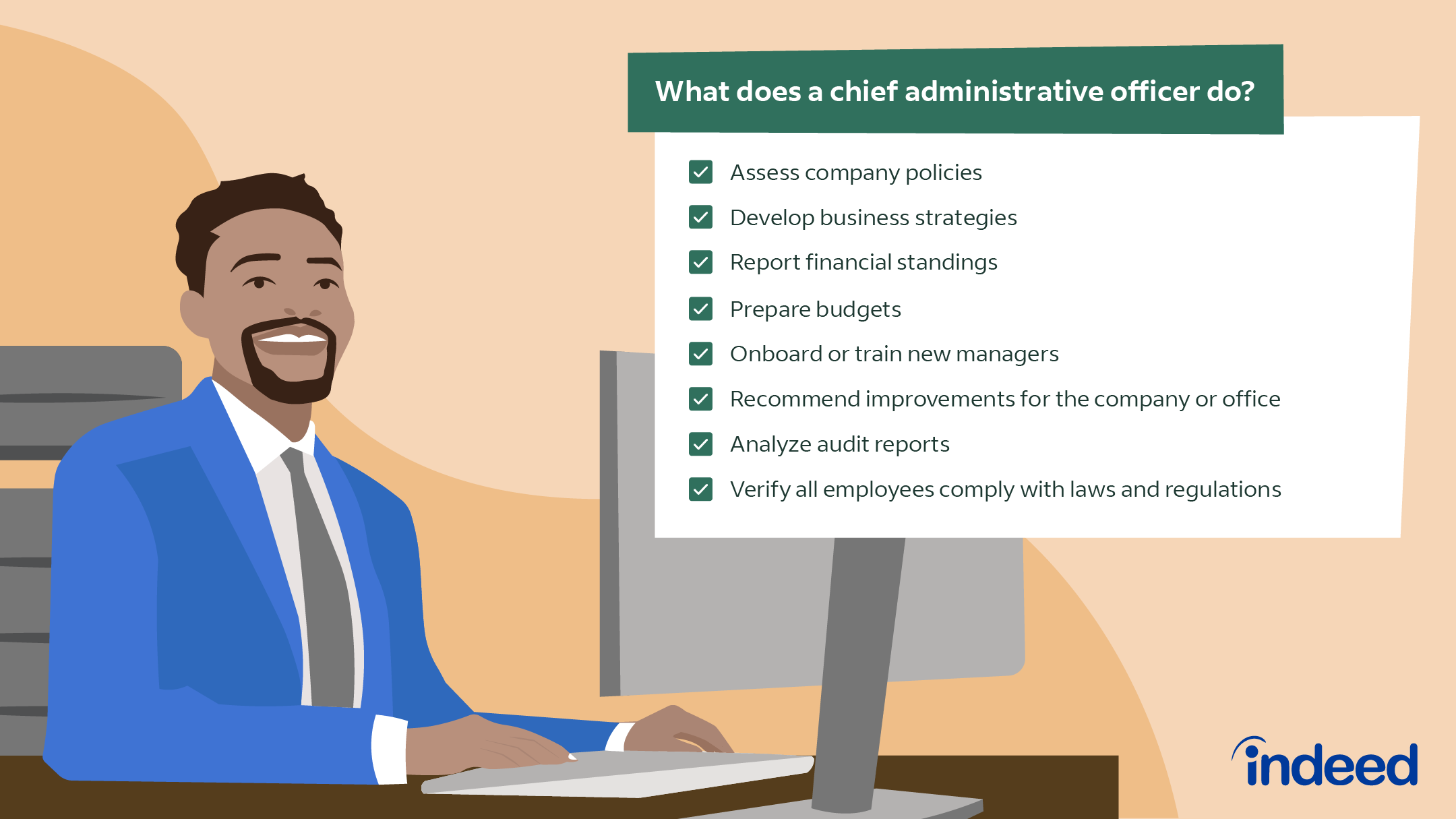
The traditional perception of administrative departments as mere support functions has significantly shifted. Today, these departments – encompassing human resources, facilities management, IT support, legal operations, and procurement, among others – are recognized as direct contributors to a company’s competitive advantage. A well-managed human resources department, for instance, is crucial for attracting and retaining top talent, directly impacting innovation and productivity. Efficient facilities management ensures a productive and safe work environment, contributing to employee morale and operational continuity. Robust IT infrastructure and support are non-negotiable for any modern business, enabling communication, data management, and technological advancement.
The CAO’s mandate is to ensure these functions are not just operational but are strategically aligned with the company’s long-term vision. This involves identifying opportunities for improvement, implementing best practices, and leveraging technology to enhance efficiency and effectiveness. The CAO, therefore, acts as a strategic pillar, supporting and enabling all other aspects of the business.
Defining the Scope: Variability Across Industries and Organizations
It’s important to note that the precise responsibilities and organizational reporting structure of a CAO can vary significantly. This variability is influenced by several factors, including the size of the organization, its industry, its stage of growth, and its specific strategic priorities. In some companies, the CAO might have direct oversight over departments like Human Resources, Legal, IT, and Real Estate. In others, their focus might be more concentrated on specific operational areas or cross-departmental process optimization.
For example, in a rapidly growing tech startup, the CAO might be heavily involved in scaling HR processes to accommodate rapid hiring and establishing robust IT infrastructure to support product development. In a large, established manufacturing firm, the CAO’s responsibilities might lean more towards optimizing supply chain logistics, ensuring regulatory compliance across multiple facilities, and managing large-scale real estate portfolios. This adaptability is a hallmark of the CAO role, allowing it to serve the unique needs of diverse business contexts.
Core Responsibilities and Strategic Contributions
While the specific duties can be fluid, a CAO typically shoulders a significant responsibility for ensuring the smooth and efficient operation of an organization’s administrative and operational infrastructure. This encompasses a wide range of functions, all of which contribute to the company’s overall health, sustainability, and strategic execution.
Operational Excellence and Efficiency
At its core, the CAO is tasked with driving operational excellence. This involves a continuous evaluation and refinement of internal processes to maximize efficiency, minimize waste, and optimize resource allocation. This can manifest in various ways, such as streamlining workflows in departments like finance and procurement, implementing robust project management methodologies, or ensuring that facilities are maintained to support optimal productivity. The CAO’s focus on efficiency directly impacts the bottom line, reducing costs and freeing up resources that can be reinvested in growth and innovation. This relentless pursuit of operational excellence is crucial for maintaining a competitive edge in today’s fast-paced business environment.
Human Capital Management and Organizational Culture
Human Capital Management (HCM) is often a significant component of the CAO’s portfolio. While the Chief Human Resources Officer (CHRO) may have direct oversight, the CAO often plays a critical role in shaping and implementing the overarching HR strategy. This includes fostering a positive and productive organizational culture, developing effective talent acquisition and retention programs, overseeing employee development initiatives, and ensuring fair and equitable compensation and benefits. A strong CAO understands that the company’s people are its most valuable asset and works to create an environment where employees can thrive, contribute their best, and feel a strong sense of belonging. This, in turn, strengthens the company’s brand as an employer of choice.
Resource Management and Infrastructure Oversight
The CAO is typically responsible for the strategic oversight of a company’s physical and technological resources. This can include managing office spaces, ensuring compliance with safety regulations, overseeing the procurement and maintenance of equipment, and directing the IT infrastructure. In an era where technology is central to every business function, the CAO’s role in ensuring robust and secure IT systems is paramount. This also extends to managing vendor relationships, negotiating contracts, and ensuring that the company has the necessary resources to operate effectively and scale as needed. Effective resource management not only ensures operational continuity but also contributes to cost control and risk mitigation.
Risk Management and Compliance
Navigating the complex web of legal and regulatory requirements is another critical aspect of the CAO’s role. They often work closely with the legal department to ensure that the organization adheres to all applicable laws and industry regulations. This can include overseeing the development and implementation of internal policies and procedures, managing compliance training programs, and responding to any regulatory inquiries or audits. Furthermore, the CAO plays a vital role in identifying and mitigating potential risks across all operational areas, from cybersecurity threats to physical security and operational disruptions. Proactive risk management is essential for protecting the company’s assets, reputation, and long-term viability.
The CAO as a Brand Ambassador and Strategic Partner
Beyond internal operations, the CAO plays a crucial role in shaping and reinforcing the company’s brand, both internally and externally. Their actions and decisions have a tangible impact on how employees perceive the organization and how stakeholders view its operational integrity and ethical conduct.
Cultivating a Positive Employee Experience
The CAO’s influence on the employee experience is profound. By ensuring efficient HR processes, a well-maintained and supportive work environment, and clear communication channels, the CAO contributes directly to employee satisfaction and engagement. A positive employee experience is a powerful driver of productivity, creativity, and retention. When employees feel valued, supported, and have the resources they need to succeed, they become the most authentic brand ambassadors. Their enthusiasm and commitment radiate outwards, influencing customer interactions and strengthening the company’s reputation.
Driving Organizational Efficiency and Innovation
The CAO’s commitment to operational efficiency directly supports the company’s ability to innovate. By streamlining processes, eliminating bottlenecks, and ensuring access to the right tools and technologies, the CAO frees up valuable time and resources for employees to focus on creative problem-solving and the development of new products or services. Furthermore, by fostering a culture that embraces continuous improvement, the CAO encourages a mindset of innovation across the organization. This strategic partnership between administration and innovation is vital for long-term growth and market leadership.
Ensuring Operational Integrity and Trust
In today’s environment, operational integrity is inextricably linked to brand trust. Customers, investors, and partners alike expect organizations to operate ethically, efficiently, and in compliance with all regulations. The CAO, through their oversight of compliance, risk management, and transparent operational practices, plays a key role in building and maintaining this trust. A company that is known for its operational excellence and its commitment to ethical conduct inherently possesses a stronger, more resilient brand. The CAO’s leadership in these areas directly contributes to the company’s reputation for reliability and accountability.

Conclusion: The Indispensable Role of the CAO
The Chief Administrative Officer is far more than an administrative manager; they are a strategic leader whose purview touches nearly every aspect of an organization’s functioning. From ensuring the seamless execution of daily operations to fostering a thriving workplace culture and safeguarding the company’s reputation, the CAO is an indispensable figure in modern business. Their ability to translate high-level strategic goals into effective administrative realities empowers the entire organization, driving efficiency, innovation, and ultimately, the enduring strength of the company’s brand. As businesses continue to evolve, the strategic importance of the CAO role will only grow, solidifying its position as a critical executive function in the C-suite.
aViewFromTheCave is a participant in the Amazon Services LLC Associates Program, an affiliate advertising program designed to provide a means for sites to earn advertising fees by advertising and linking to Amazon.com. Amazon, the Amazon logo, AmazonSupply, and the AmazonSupply logo are trademarks of Amazon.com, Inc. or its affiliates. As an Amazon Associate we earn affiliate commissions from qualifying purchases.