
Dolores Umbridge, a character whose name alone evokes a visceral reaction in fans of the Harry Potter universe, is more than just a villain; she is a meticulously crafted embodiment of specific branding principles. While the superficial question of her Hogwarts House might seem like a simple plot point, a deeper analysis reveals her as a masterclass in corporate identity, personal branding, and the insidious power of meticulously controlled messaging. This exploration delves into the “house” of Umbridge not as a physical place, but as a strategic construction of brand, identity, and the calculated projection of power.

The Unshakeable Foundation: Slytherin’s Shadow and the Serpent’s Cunning
Dolores Umbridge’s association with Slytherin House, though never explicitly stated within the narrative of the books, is a widely accepted and thematically fitting conclusion for many readers. While the Sorting Hat’s final pronouncement for each student is public, the underlying traits and affiliations of characters often transcend explicit declarations. Umbridge’s core characteristics align powerfully with the values often associated with Slytherin: ambition, cunning, resourcefulness, and a relentless pursuit of power.
Ambition as the Driving Force
Umbridge’s ambition is not subtle; it’s a ravenous hunger that fuels her every action. From her initial appointment as Senior Undersecretary to the Minister for Magic to her eventual usurpation of the Headmistress position at Hogwarts, her ascent is marked by a ruthless efficiency and a disregard for any who stand in her way. This drive for advancement is a hallmark of Slytherin ambition, which often prioritizes personal gain and power above all else. Her willingness to betray, manipulate, and exploit others to climb the ladder speaks volumes about the brand of “ambition” she cultivates. This isn’t just about wanting more; it’s about believing she is inherently deserving of it and will employ any means necessary to achieve it.
Cunning and Manipulation as Tools of Trade
The Slytherin trait of cunning is perhaps most evident in Umbridge’s strategic deployment of her authority. She doesn’t rely on brute force or overt aggression in the initial stages; instead, she employs insidious tactics, bureaucratic manipulation, and the weaponization of rules and regulations. Her mastery of legalese and her ability to twist existing laws to suit her agenda are prime examples of Slytherin cunning. She crafts an image of legitimacy while subtly dismantling any opposition. Her famous use of the Blood Quill, for instance, is a brutal but undeniably effective form of manipulation, forcing her victims to internalize her ideology through self-inflicted pain. This calculated application of control, disguised under a veneer of order, is a potent branding strategy.
The Cultivation of a Pure-Blood Ideology
While not all Slytherins are inherently prejudiced, a significant undercurrent of pure-blood supremacy has historically run through the house. Umbridge embodies this ideology with terrifying clarity. Her disdain for Muggle-borns and her fervent belief in the inherent superiority of pure-blood wizards aligns perfectly with the darker aspects of Slytherin’s legacy. This is not just a personal belief; it becomes a core tenet of her brand, a justification for her oppressive policies, and a rallying point for those who share her exclusionary views. Her rhetoric consistently reinforces a “us vs. them” mentality, a classic branding tactic to foster loyalty and define an in-group against an out-group.
Crafting the Aura of Authority: The Pink and the Patronizing
Umbridge’s personal brand is a masterclass in visual branding and carefully constructed public persona. Her distinctive aesthetic and her saccharine, yet menacing, demeanor are not accidental; they are deliberate choices designed to project a specific image and disarm those who might otherwise question her authority.
The Visual Language of Oppression: Pink, Polka Dots, and Primness
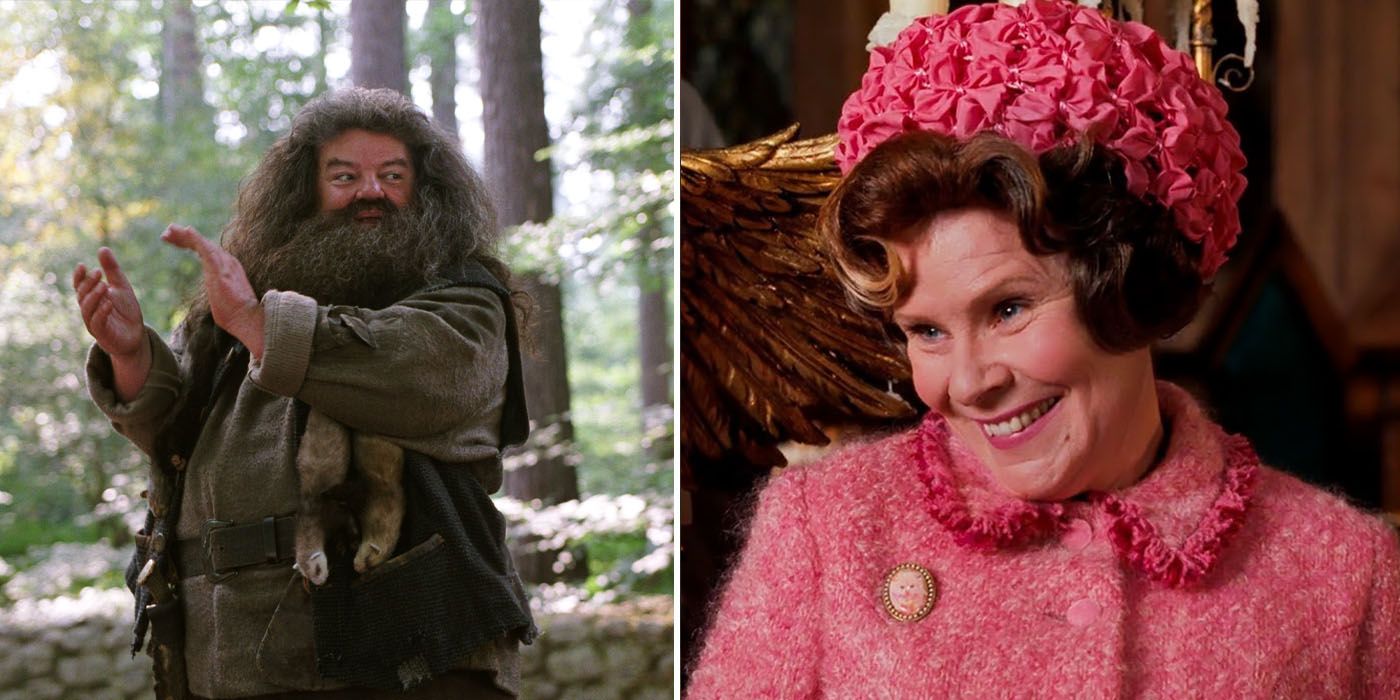
Umbridge’s iconic penchant for pastel pinks, frilly dresses, and an almost excessive primness creates a jarring dissonance with her cruel nature. This visual branding serves a dual purpose. Firstly, it projects an image of innocence and harmlessness, a disarming facade that lulls potential opposition into a false sense of security. Who would suspect such a sweet-looking woman of genuine malice? Secondly, it serves as a constant, almost suffocating, reminder of her presence and her rigid control. The very overwhelming nature of her pastel aesthetic becomes a form of psychological dominance, a visual representation of the suffocating bureaucracy she embodies. This is akin to a brand that uses overly cheerful packaging to mask a product’s deficiency or a company’s exploitative practices.
The Weaponization of Niceties: “Cat” and Patronizing Pet Names
Umbridge’s language is as carefully curated as her wardrobe. Her liberal use of patronizing pet names, such as “dear,” “sweetie,” and her infamous obsession with cats, serves to infantilize and dismiss those she interacts with. This is a deliberate branding strategy designed to undermine the perceived intelligence and agency of others, particularly those she deems inferior. By speaking to them as if they are children, she subtly reinforces her own perceived intellectual and authoritative superiority. Her incessant purring and the frequent deployment of cat-related imagery in her office further solidify this persona, creating a brand that is both unsettlingly maternal and ruthlessly authoritative. This is a calculated manipulation of perception, turning perceived weakness (sentimentality) into a tool of psychological warfare.
The Ministry’s Mandate: Bureaucracy as a Brand Extension
Umbridge’s rise to power is inextricably linked to her role within the Ministry of Magic. She doesn’t just represent herself; she represents the Ministry, or at least a particular, twisted interpretation of its authority. Her decrees, her Educational Decrees, and her systematic dismantling of Hogwarts’ autonomy are all framed as Ministry mandates. This allows her to cloak her personal agenda in the legitimacy of governmental power. Her brand becomes synonymous with the Ministry’s bureaucracy, making resistance to her feel like defiance of the established order. This is a powerful branding tactic, leveraging the established trust and authority of a larger entity to promote a singular, often harmful, vision.
The House of Hogwarts: A Battleground for Ideological Branding
Hogwarts, for Umbridge, is not merely a school; it’s a prime territory for the expansion of her ideological brand. Her goal is not to educate but to indoctrinate, to reshape the institution in her own exclusionary image.
The Erosion of Academic Freedom: Control Through Curriculum
Umbridge’s initial reforms at Hogwarts are a textbook example of controlling a brand’s narrative by dictating its content. Her insistence on theoretical magic over practical application, her banning of any teaching that challenges the Ministry’s narrative, and her focus on rote memorization are all designed to stifle independent thought and critical analysis. This is akin to a company dictating its marketing message to ensure a uniform and unchallenged brand perception. By controlling what is taught and how it is taught, she aims to shape the minds of the next generation, ensuring they align with her vision of the wizarding world.
The Perversion of Discipline: Order Through Fear
Umbridge’s approach to discipline is a stark illustration of how fear can be employed as a branding tool. Her notorious “punishments,” such as the Blood Quill and her penchant for detention that involves increasingly humiliating and painful tasks, are designed to instill a visceral fear of transgression. This creates an environment where obedience is paramount, and questioning authority is met with swift and severe retribution. This “order through fear” brand is highly effective in silencing dissent and maintaining control, but it comes at the cost of genuine respect and ethical leadership. It’s a short-term branding strategy that ultimately erodes trust and fosters resentment.
The Defense Against the Dark Arts: A Perverted Mandate
The very subject Umbridge is tasked with overseeing, Defense Against the Dark Arts, becomes a twisted platform for her own brand of oppression. Instead of preparing students for genuine threats, she uses the curriculum to promote the Ministry’s propaganda and to demonize those who oppose it, particularly Harry Potter. This is a masterful, albeit sinister, co-option of a curriculum to serve a personal and political agenda. It highlights how even established institutions and subject matters can be rebranded and repurposed to align with a dominant ideology, demonstrating the pervasive power of ideological branding.

Conclusion: The Enduring Brand of Oppression
Dolores Umbridge’s “house” is not a physical dwelling or a Hogwarts dormitory, but a meticulously constructed brand built on ambition, cunning, and the strategic deployment of authority. Her personal branding, characterized by its disarming aesthetic and patronizing language, is a testament to the power of visual and verbal cues in shaping perception. By leveraging the authority of the Ministry and systematically reshaping institutions like Hogwarts, she demonstrates how a powerful ideology can be effectively branded and disseminated. While her reign of terror eventually ends, the case study of Dolores Umbridge remains a chilling and insightful exploration of how individuals and entities can craft and project powerful, albeit oppressive, brands, leaving an indelible mark on the collective consciousness of the wizarding world and serving as a potent reminder of the importance of critical engagement with authority and messaging. Her brand, though abhorrent, is undeniably memorable and instructive for anyone studying the nuances of branding, identity, and the pervasive influence of carefully constructed narratives.
aViewFromTheCave is a participant in the Amazon Services LLC Associates Program, an affiliate advertising program designed to provide a means for sites to earn advertising fees by advertising and linking to Amazon.com. Amazon, the Amazon logo, AmazonSupply, and the AmazonSupply logo are trademarks of Amazon.com, Inc. or its affiliates. As an Amazon Associate we earn affiliate commissions from qualifying purchases.