
The name “Adam & Eve” is inextricably linked to the oldest story in human history, but in the world of modern commerce, it represents one of the most successful and resilient brand strategies of the last half-century. While many legacy brands struggle to adapt to the shifting sands of digital transformation and cultural change, Adam & Eve has managed to evolve from a controversial mail-order startup into a multi-million dollar powerhouse that dominates its niche.
Understanding what happened to Adam & Eve requires a deep dive into the mechanics of brand strategy, corporate identity, and the ability to pivot in the face of legal and social adversity. This article explores how the brand moved from the fringes of society into the corporate mainstream, maintaining its market leadership through calculated marketing and a unique social mission.
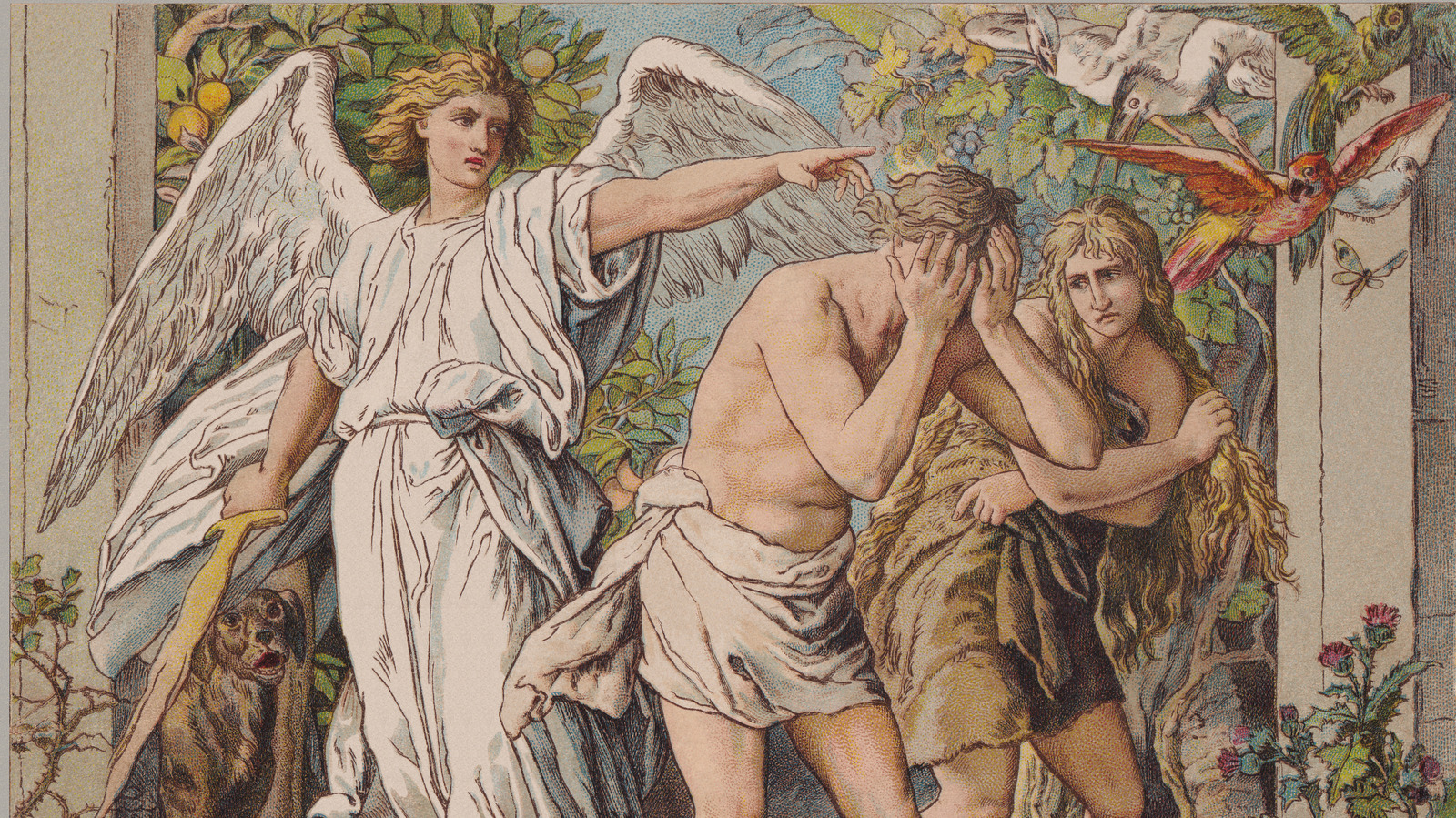
The Genesis of the Brand: From Social Mission to Commercial Giant
To understand the current state of Adam & Eve, one must look at its non-traditional origins. Unlike many corporations that begin with a purely profit-driven motive, the brand emerged from a socio-political goal. Founded in the early 1970s by Phil Harvey and Timothy Black, the organization was initially an offshoot of Population Services International (PSI), a non-profit dedicated to family planning and birth control in developing nations.
The Social Enterprise Model
The original brand strategy was a “social enterprise” before the term became a corporate buzzword. The founders realized that to fund their global health initiatives, they needed a sustainable domestic revenue stream. This led to the creation of a mail-order business selling contraceptives—a product category that was difficult to access in many parts of the United States at the time. This dual identity—a commercial entity funding a humanitarian cause—gave the brand an ethical foundation that most of its competitors lacked.
Transitioning from Non-Profit to For-Profit
As the business grew, the brand had to navigate the complexities of separating its commercial identity from its non-profit roots. This transition was a masterclass in brand positioning. By moving the commercial operations into a separate entity, PHE, Inc., the brand was able to scale its marketing efforts aggressively while continuing to donate a significant portion of its profits to global health. This “Genesis” phase established the brand as a pioneer in the “buy-one-give-one” or “profit-for-purpose” models long before they were popularized by companies like TOMS or Warby Parker.
Navigating the “Forbidden” Market: Building a Clean Corporate Identity
The greatest challenge for the Adam & Eve brand was the stigma associated with its product category. In the 1970s and 80s, the “adult” industry was largely localized, disorganized, and associated with “seedy” brick-and-mortar establishments. Adam & Eve’s strategy was to disrupt this perception by professionalizing the experience.
Destigmatization Through Professional Marketing
What happened to Adam & Eve during the 1980s was a calculated effort to “de-stigmatize” the shopping experience. They moved away from the neon-lit tropes of the industry and adopted a clean, catalog-style marketing approach. Their catalogs were designed to look like high-end retail brochures, emphasizing privacy, quality, and customer service. This branding strategy appealed to a much broader demographic, particularly women and couples, who felt excluded or intimidated by the traditional industry.
The Power of the “Plain Brown Envelope”
A key component of their brand identity was the promise of discretion. The “plain brown envelope” became a symbol of the brand’s commitment to customer privacy. In terms of brand strategy, this was a brilliant move. It acknowledged the customer’s potential embarrassment while positioning the company as a trusted, silent partner. By making privacy a core brand pillar, Adam & Eve built a level of loyalty and trust that was virtually unheard of in their market segment.
Legal Battles and the Fortification of Brand Equity

The history of Adam & Eve is not just one of marketing, but of legal survival. During the late 1980s and early 1990s, the brand faced significant existential threats from the United States government, specifically during the Meese Commission era. These challenges could have ended the company, but instead, they served to fortify its brand equity.
Surviving Federal Scrutiny
In 1986, the brand was targeted in a massive federal crackdown on the adult industry. Phil Harvey and his company faced multiple indictments across different jurisdictions. The brand strategy during this time was one of “defiant transparency.” Rather than hiding, the company leaned into its identity as a defender of the First Amendment. This repositioned the brand from a mere retailer to a champion of civil liberties.
Establishing Legal Precedents as a Brand Asset
The brand eventually won its legal battles, leading to landmark rulings that protected the right to sell and distribute its products via mail. This victory became a massive brand asset. It gave Adam & Eve a “first-mover” advantage that was legally protected, creating a high barrier to entry for potential competitors. The brand emerged from this era not as a “bad actor,” but as a resilient, legally-vetted institution. This period solidified their reputation for reliability and longevity, which remains a cornerstone of their identity today.
The Digital Pivot: Transforming a Catalog Brand into an E-commerce Leader
When the internet arrived in the late 1990s, many legacy mail-order brands failed to make the leap. However, Adam & Eve recognized early on that the digital space was the natural evolution of their privacy-focused model. The transition from physical catalogs to e-commerce was a pivotal moment in the brand’s history.
Leveraging Existing Data for Digital Success
While new tech-native competitors were starting from scratch, Adam & Eve possessed one of the largest and most detailed customer databases in the world. Their brand strategy involved migrating these customers to the web by offering “digital-only” exclusives and maintaining the same commitment to discrete shipping. They didn’t just build a website; they built a digital extension of the trust they had cultivated for three decades.
Influencer Marketing and New Media
In the modern era, “what happened” to the brand is a shift toward contemporary marketing channels. Adam & Eve has become a leader in podcast advertising and influencer partnerships. By partnering with mainstream influencers and sponsoring popular podcasts, they have successfully integrated their brand into the daily media diet of millennials and Gen Z. This strategy has allowed them to maintain a “youthful” brand image despite being over 50 years old. They have mastered the art of “normalized” branding, where their products are discussed with the same frankness as health supplements or beauty products.
The Legacy and Future Outlook: A Blueprint for Brand Longevity
Today, Adam & Eve stands as a global leader, with a massive online presence, hundreds of franchised retail stores, and a brand name that is recognized worldwide. Their journey offers a blueprint for how a brand can navigate controversy, legal challenges, and technological shifts without losing its core identity.
Maintaining a Competitive Edge in a Saturated Market
As the market has become increasingly saturated with boutique startups and direct-to-consumer (DTC) brands, Adam & Eve has maintained its lead through diversification. They have expanded their private-label offerings, ensuring that they control the entire supply chain from manufacturing to retail. This vertical integration allows them to maintain brand consistency and higher profit margins, ensuring the brand’s financial health remains robust.

The Enduring Social Mission
Perhaps the most impressive part of what happened to Adam & Eve is the continuation of its founding mission. To this day, the company remains a primary funder of DKT International, one of the world’s largest providers of family planning and HIV/AIDS prevention. This “Social ROI” (Return on Investment) provides the brand with a moral compass and a corporate social responsibility (CSR) profile that is rare in its industry.
In conclusion, the story of Adam & Eve is a testament to the power of strategic brand positioning. By focusing on privacy, professionalizing a stigmatized market, defending their legal rights, and embracing technological change, they transformed a small mail-order business into a legendary corporate entity. The brand hasn’t just survived; it has defined its industry, proving that with the right strategy, even the most “forbidden” brands can become icons of corporate success.
aViewFromTheCave is a participant in the Amazon Services LLC Associates Program, an affiliate advertising program designed to provide a means for sites to earn advertising fees by advertising and linking to Amazon.com. Amazon, the Amazon logo, AmazonSupply, and the AmazonSupply logo are trademarks of Amazon.com, Inc. or its affiliates. As an Amazon Associate we earn affiliate commissions from qualifying purchases.