
The financial landscape has undergone a seismic shift over the last decade. Once considered a peripheral experiment for cryptographers and hobbyists, Bitcoin (BTC) has matured into a legitimate asset class recognized by institutional investors, hedge funds, and sovereign nations. For the individual investor, understanding how to buy Bitcoin is no longer just a technical hurdle; it is a strategic move toward portfolio diversification and participation in a global, decentralized financial system. This guide explores the logistical, strategic, and financial nuances of acquiring Bitcoin within a modern investment framework.
Understanding Bitcoin as a Modern Asset Class
Before committing capital, a disciplined investor must understand the underlying value proposition of the asset. Bitcoin is frequently characterized as “digital gold,” a moniker derived from its inherent scarcity and decentralized nature. Unlike fiat currencies, which are subject to the monetary policies of central banks and potential inflationary pressures, Bitcoin operates on a fixed supply cap of 21 million coins. This hard-coded scarcity is a fundamental pillar of its financial appeal.
The Shift from Speculation to Store of Value
In its early years, Bitcoin was defined by extreme price volatility and speculative trading. However, as the ecosystem has matured, its role in a financial portfolio has evolved. Many investors now view BTC as a hedge against currency debasement. In an era where traditional bond yields have fluctuated and global debt levels have risen, the “uncorrelated” nature of Bitcoin—its tendency to move independently of traditional markets at times—makes it an attractive candidate for diversifying risk.
Portfolio Diversification and Risk Management
From a personal finance perspective, Bitcoin should be viewed through the lens of asset allocation. Financial advisors who include digital assets often recommend a “small-cap” approach, where Bitcoin occupies a modest percentage (often 1%-5%) of a total portfolio. This allows an investor to capture significant upside potential while limiting the impact of the asset’s characteristic volatility on their overall net worth. The goal is not just to “buy low and sell high,” but to integrate a high-growth digital asset into a broader, stable financial plan.
Selecting the Right Financial Gateway: Exchanges and Platforms
The most common method for acquiring Bitcoin is through a cryptocurrency exchange. These platforms act as the bridge between the traditional banking system (fiat) and the digital asset market. Selecting the right platform is a critical decision that impacts your fees, security, and the ease of your financial operations.
Centralized Exchanges (CEX) for Beginners
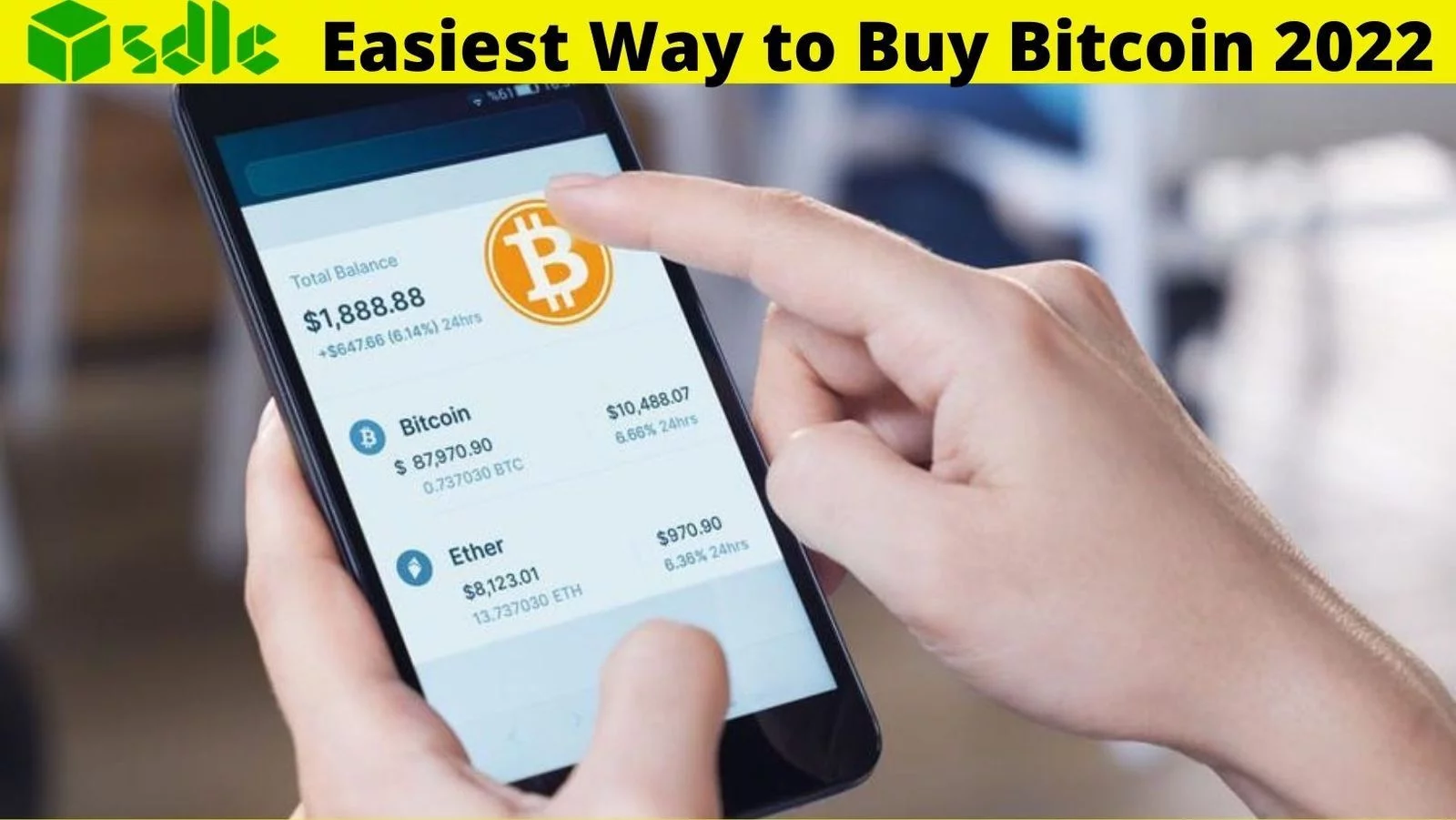
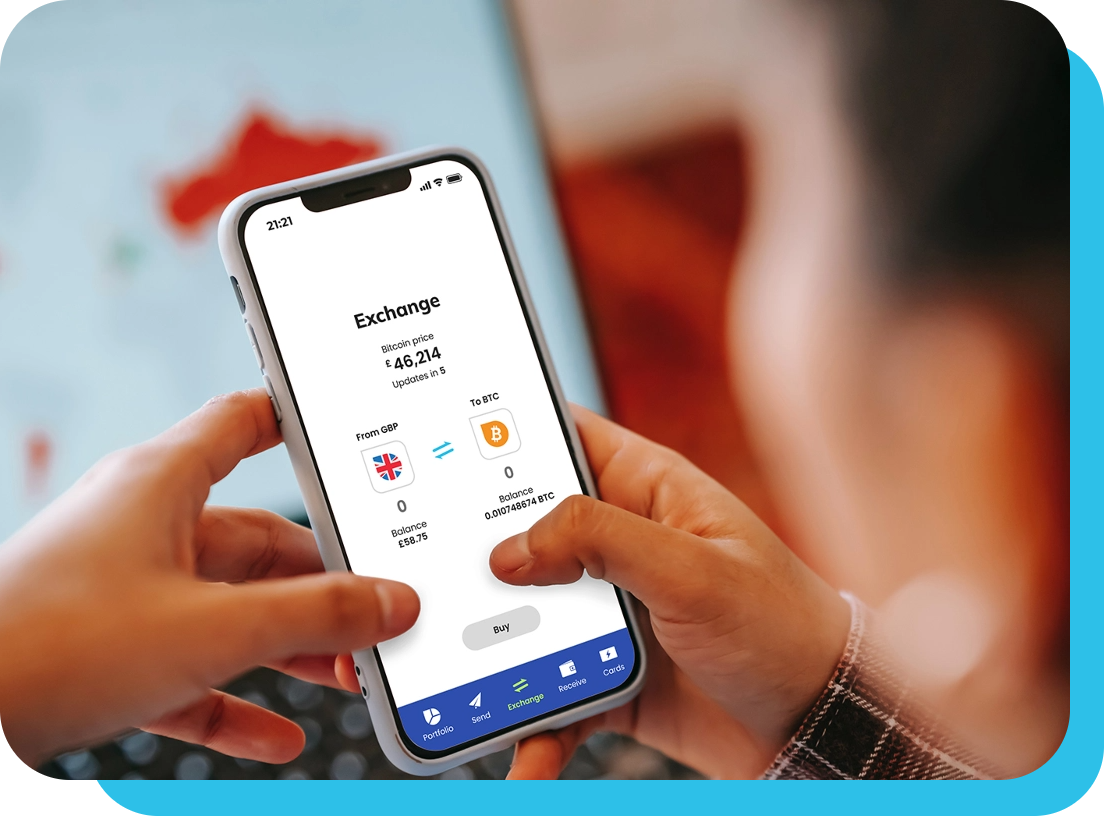
For most first-time buyers, centralized exchanges like Coinbase, Kraken, or Binance provide the most user-friendly experience. These platforms function similarly to online brokerage accounts used for stocks. They offer high liquidity, meaning you can buy or sell large amounts of Bitcoin instantly at the current market price. Furthermore, they provide a layer of familiarity, offering customer support and integrated mobile apps that simplify the purchasing process.
Peer-to-Peer (P2P) and Decentralized Options
For investors who prioritize privacy or are located in regions with limited banking infrastructure, Peer-to-Peer (P2P) platforms allow for direct transactions between individuals. While these offer more flexibility in payment methods (such as gift cards or localized bank transfers), they require a higher level of due diligence to avoid bad actors. On the other hand, Decentralized Exchanges (DEXs) allow for trading without a central intermediary, though these are typically used by more advanced investors who already possess some digital assets.
Analyzing Fees and Spread
Every financial transaction carries a cost, and Bitcoin is no exception. When choosing a platform, you must account for trading fees, withdrawal fees, and “the spread”—the difference between the buy and sell price. Some platforms offer “zero-fee” trading but compensate by having a wider spread, effectively making the Bitcoin more expensive. A savvy investor compares the “all-in” cost of a purchase to ensure they are not eroding their principal investment before the asset even has a chance to appreciate.
The Step-by-Step Process of Your First Purchase
Once you have selected a platform, the process of moving from fiat currency to Bitcoin involves several regulatory and technical steps. These steps are designed to protect the financial system and the investor.

Account Verification and KYC Compliance
Because Bitcoin involves significant capital movement, reputable exchanges must adhere to “Know Your Customer” (KYC) and “Anti-Money Laundering” (AML) regulations. This means you will need to provide government-issued identification, such as a passport or driver’s license, and potentially proof of address. While this may feel invasive compared to the anonymous ethos of early Bitcoin, it is a necessary component of modern financial security and ensures that your path to cashing out in the future remains legally clear.
Funding Your Account: Wire Transfers vs. Instant Buys
There are various ways to move money onto an exchange. Bank transfers (ACH in the US or SEPA in Europe) are generally the most cost-effective, though they can take a few business days to clear. Wire transfers are faster but often come with bank fees. Many platforms also offer “instant buys” using credit or debit cards. While convenient, these usually carry significantly higher fees (often 3% or more), which can immediately put your investment at a disadvantage. For serious investing, the patience of a bank transfer is usually rewarded with lower overhead.
Executing the Trade: Market vs. Limit Orders
When you are ready to buy, you will likely encounter two primary order types. A Market Order executes your trade immediately at the best available current price. This is ideal for those who want to own Bitcoin right now and are less concerned about minor price fluctuations. A Limit Order allows you to set a specific price at which you want to buy. If the price drops to your target, the trade executes automatically. This is a vital tool for the price-sensitive investor looking to optimize their entry point.
Secure Custody and Long-Term Asset Protection
In the world of personal finance, the security of your assets is paramount. Unlike a bank account, where the institution is responsible for the safety of your funds, Bitcoin allows for—and often requires—personal responsibility.
Hot Wallets vs. Cold Storage Solutions
When you buy Bitcoin on an exchange, the exchange technically holds the “keys” to that Bitcoin. This is known as custodial ownership. For long-term investors, it is often recommended to move assets to a private wallet. “Hot wallets” are software-based and connected to the internet, providing a balance of convenience and security. “Cold storage” (hardware wallets), however, are physical devices that keep your Bitcoin offline. Cold storage is widely considered the gold standard for protecting significant financial holdings from online hacks or exchange insolvencies.
Managing Your Private Keys and Seed Phrases
The most critical aspect of Bitcoin ownership is the “seed phrase”—a series of 12 to 24 words that acts as the master key to your funds. If you lose this phrase and your wallet device breaks, your investment is gone forever; there is no “forgot password” button in decentralized finance. Conversely, if someone else gains access to this phrase, they can steal your funds instantly. Treating your seed phrase with the same level of security as a physical gold bar or a title deed is essential for any digital asset investor.
Developing a Sustainable Investment Strategy
Buying Bitcoin is only the first step. Managing that investment over time requires a disciplined financial strategy to navigate the inherent market cycles of the crypto space.
Dollar-Cost Averaging (DCA) for Volatility Management
Because the price of Bitcoin can fluctuate significantly in a single day, “timing the market” is notoriously difficult and risky. Many successful investors employ a Dollar-Cost Averaging (DCA) strategy. This involves investing a fixed amount of money at regular intervals (e.g., $100 every month), regardless of the price. Over time, this averages out the purchase price and reduces the emotional stress of market volatility, turning Bitcoin into a passive, long-term wealth-building tool.
Tax Implications and Financial Reporting
Finally, an often-overlooked aspect of buying Bitcoin is the tax responsibility. In many jurisdictions, Bitcoin is treated as property rather than currency. This means that every time you sell BTC, or even use it to purchase a good or service, you may be triggering a capital gains tax event. Keeping meticulous records of your purchase price (cost basis) and the date of acquisition is vital for year-end financial reporting. Utilizing crypto-specific tax software can help automate this process, ensuring you remain compliant with local tax authorities while optimizing your after-tax returns.
By approaching Bitcoin with a focus on institutional-grade security, disciplined asset allocation, and regulatory compliance, investors can move beyond the hype and integrate this digital asset into a robust, forward-looking financial plan.
aViewFromTheCave is a participant in the Amazon Services LLC Associates Program, an affiliate advertising program designed to provide a means for sites to earn advertising fees by advertising and linking to Amazon.com. Amazon, the Amazon logo, AmazonSupply, and the AmazonSupply logo are trademarks of Amazon.com, Inc. or its affiliates. As an Amazon Associate we earn affiliate commissions from qualifying purchases.