
The year 2025 may seem distant, but for those involved in the civic and political landscape of Michigan, it represents a crucial period for local governance and community leadership. While 2024 was dominated by national presidential elections, the upcoming year will focus on a different, yet equally impactful, tier of political engagement: local elections. These contests, often overlooked in the broader national narrative, are where the foundational decisions affecting day-to-day life are made. From school board policies that shape educational outcomes to mayoral decisions that influence city services and economic development, the outcomes of 2025 elections will directly and profoundly shape the future of communities across Michigan.

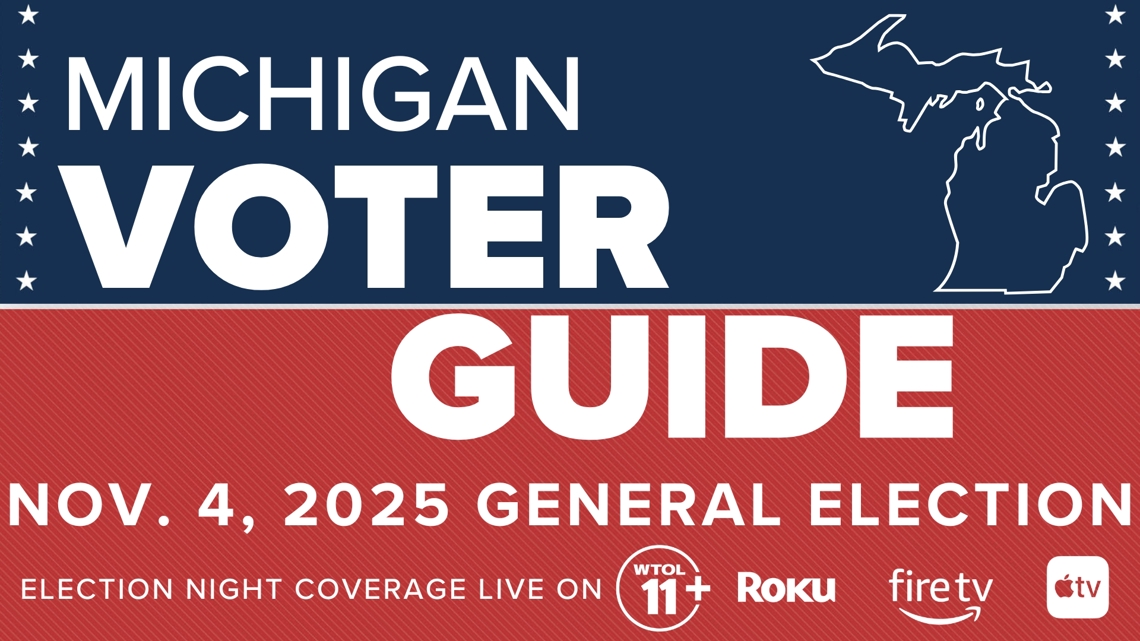
This article delves into the upcoming elections in Michigan for 2025, providing a comprehensive overview of what voters can expect. We will explore the types of offices up for election, the key areas where these elections will take place, and the importance of local participation in ensuring representative and effective governance. Understanding the electoral calendar for 2025 is not just about knowing dates; it’s about recognizing the opportunities for citizens to actively participate in shaping their local destinies.
The Landscape of Michigan’s 2025 Elections
Michigan’s electoral system is multi-layered, with various offices being contested at different times. While national and state-level elections typically occur in even-numbered years, odd-numbered years like 2025 are primarily dedicated to local elections. This focus allows communities to concentrate on issues pertinent to their immediate surroundings without the overshadowing influence of larger-scale political contests. The 2025 election cycle in Michigan will feature a diverse range of contests, from city halls to school districts, impacting the governance and service delivery within countless municipalities.
Municipal and County Offices
The most prominent elections in 2025 will undoubtedly be for municipal and county offices. These elected officials hold significant sway over the administration of local government. Mayors, city council members, township supervisors, and county commissioners are all integral to the functioning of communities. Their decisions impact a wide array of services, including public safety, infrastructure development, zoning regulations, parks and recreation, and local economic initiatives.
- Mayoral Races: In many cities and villages across Michigan, mayoral positions will be up for election. The mayor often serves as the chief executive of the municipality, responsible for overseeing city departments, proposing budgets, and acting as the public face of the city government. These races can be highly competitive, reflecting differing visions for the future of a community, from economic revitalization strategies to approaches to public services.
- City Council and Village Trustee Elections: City councils and village boards are the legislative bodies of their respective municipalities. They are responsible for passing ordinances, approving budgets, and providing oversight to municipal operations. The composition of these councils directly influences the direction of local policy. Elections for these positions are crucial for ensuring diverse representation and a range of perspectives in decision-making.
- County Board of Commissioners/Supervisors: Michigan counties are governed by elected boards of commissioners or supervisors, depending on the county’s charter. These bodies oversee county-wide services such as public health, law enforcement (sheriff’s departments), road maintenance, and certain judicial functions. County elections are vital for addressing issues that transcend individual municipal boundaries and require regional coordination.
School Board Elections
Education is a cornerstone of any community, and school board elections in 2025 will play a critical role in shaping the educational experience for Michigan’s youth. School boards are responsible for setting educational policies, approving budgets, hiring and evaluating superintendents, and ensuring that schools are meeting the needs of students and the community.
- District-Level Governance: School board members are elected to represent specific school districts. Their decisions have a direct impact on curriculum development, teacher hiring, school funding allocation, and the overall direction of educational programs. These elections often bring to the forefront debates about educational philosophies, resource management, and student well-being.
- Community Engagement in Education: School board elections offer a direct avenue for parents, educators, and community members to influence the quality and focus of local education. Issues such as standardized testing, special education services, school safety, and extracurricular activities are often at the heart of these campaigns. The outcomes can significantly affect the learning environment for thousands of students.
Special Districts and Other Local Offices
Beyond the more commonly known municipal and school district elections, Michigan utilizes special districts and other local offices to manage specific public services. These elections, while sometimes receiving less public attention, are equally important for the effective functioning of essential community services.
Park and Recreation Districts
Many communities in Michigan operate independent park and recreation departments, often governed by elected boards. These districts are responsible for the development, maintenance, and programming of public parks, recreational facilities, and community centers.
- Enhancing Quality of Life: Elected officials in these districts make decisions about park improvements, trail development, recreational programming, and the overall accessibility of public green spaces. Their work directly contributes to the health, well-being, and recreational opportunities available to residents.
Library Boards
Public libraries are vital community resources, and their governance is often overseen by elected library boards. These boards are responsible for setting library policy, approving budgets, and ensuring that the library provides relevant and accessible services to the community.
- Promoting Literacy and Access to Information: Elections for library boards can influence the types of materials acquired, the implementation of new technologies, and the expansion of programming, from early literacy initiatives to adult education workshops.
Other Special Purpose Districts
Michigan law allows for the creation of various special purpose districts to address specific needs, such as drainage districts, water authorities, or public transportation boards. Depending on local structures, some of these positions may be filled through elections.
- Targeted Service Delivery: These elections, while often more niche, are crucial for the targeted management and delivery of specialized public services that are essential for community infrastructure and well-being.
The Importance of Local Engagement in 2025
The significance of local elections in 2025 cannot be overstated. While national elections capture headlines, it is at the local level where policies are most directly felt by citizens. The individuals elected to city councils, school boards, and county commissions make decisions that affect the quality of schools, the safety of neighborhoods, the efficiency of public transportation, and the economic vitality of a town or city.
Direct Impact on Daily Life
- Public Services: From the responsiveness of your local police and fire departments to the maintenance of your roads and the quality of your drinking water, these services are directly influenced by the elected officials who manage municipal and county budgets and policies.
- Educational Outcomes: The decisions made by school board members directly impact the curriculum, resources, and opportunities available to students. These decisions shape the future workforce and the overall educational landscape of a community.
- Economic Development: Mayors and city councils often play a key role in attracting businesses, managing zoning, and implementing economic development strategies that can lead to job creation and community growth.
Fostering Civic Responsibility
Participating in local elections is a fundamental aspect of democratic engagement. It provides an opportunity for citizens to directly influence the direction of their communities and hold their elected officials accountable.
- Informed Voting: Understanding who is running and what their platforms are is crucial. Local races often involve candidates with deep ties to the community, whose ideas can be directly assessed against the needs and aspirations of their neighbors.
- Community Voice: Voting is the primary mechanism through which citizens can ensure their voices are heard on issues that matter most to them. It is an active expression of civic responsibility and a commitment to the betterment of one’s community.
Preparing for the 2025 Election Cycle
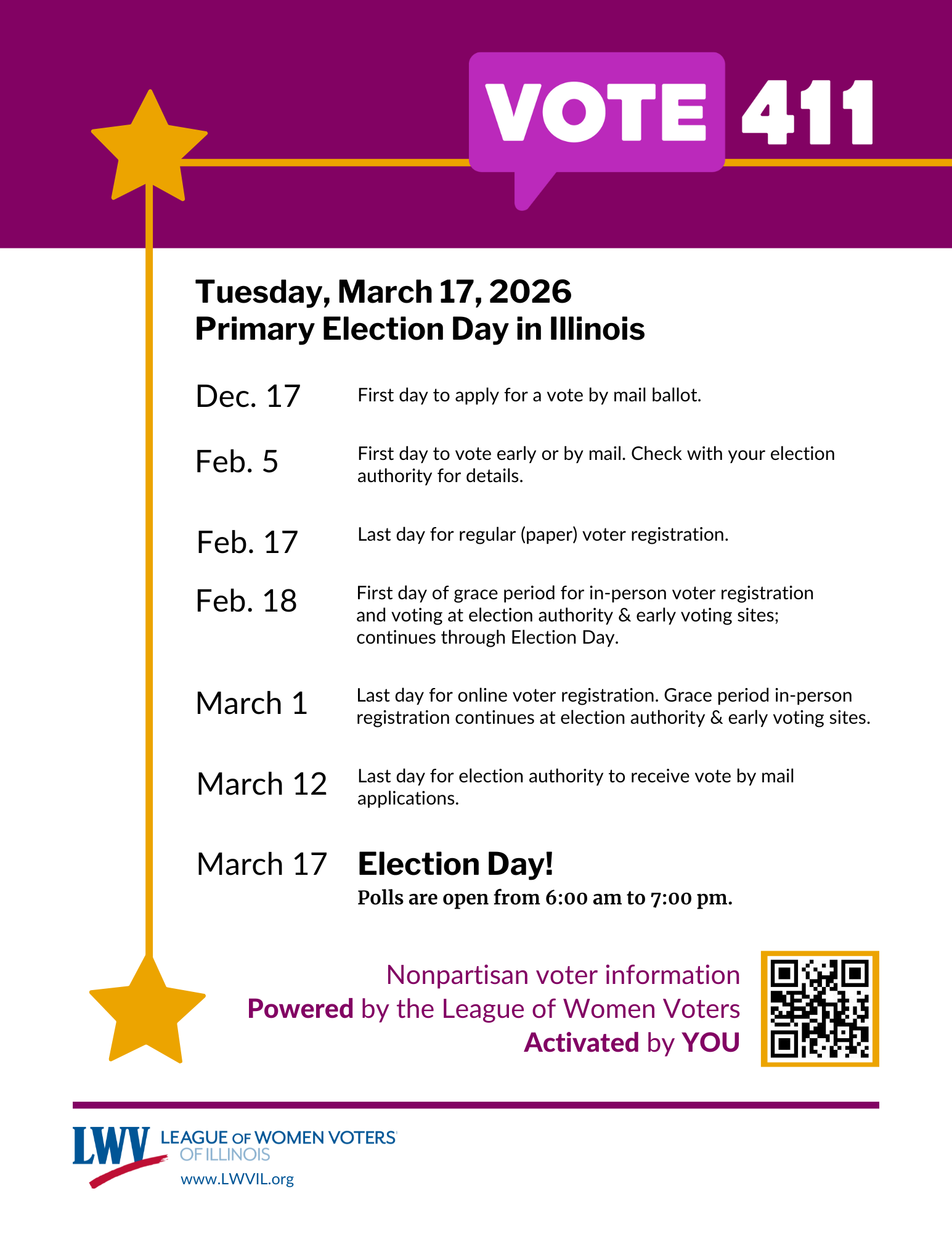
As 2025 approaches, Michigan residents are encouraged to stay informed about the specific election dates and deadlines in their local jurisdictions. Election offices across the state will be providing information on voter registration, polling locations, and the candidates running for office. Engaging with local news sources, attending candidate forums, and discussing issues with neighbors are all valuable ways to prepare for informed participation. The 2025 elections represent a critical opportunity for Michigan communities to elect leaders who will champion their interests and guide them toward a prosperous and vibrant future.
aViewFromTheCave is a participant in the Amazon Services LLC Associates Program, an affiliate advertising program designed to provide a means for sites to earn advertising fees by advertising and linking to Amazon.com. Amazon, the Amazon logo, AmazonSupply, and the AmazonSupply logo are trademarks of Amazon.com, Inc. or its affiliates. As an Amazon Associate we earn affiliate commissions from qualifying purchases.