
The papacy, an institution steeped in centuries of tradition and spiritual leadership, often evokes an image of solemn ceremonies and pronouncements. However, beneath the resplendent vestments and the hallowed halls of the Vatican, lies a remarkably demanding and multifaceted daily existence. Far from being a purely ceremonial role, the Pope’s day is a finely tuned orchestration of spiritual duties, administrative responsibilities, global engagement, and personal reflection, all undertaken with a unique blend of profound faith and strategic leadership. Understanding this daily rhythm offers a compelling insight into the operational heart of one of the world’s oldest and most influential organizations.
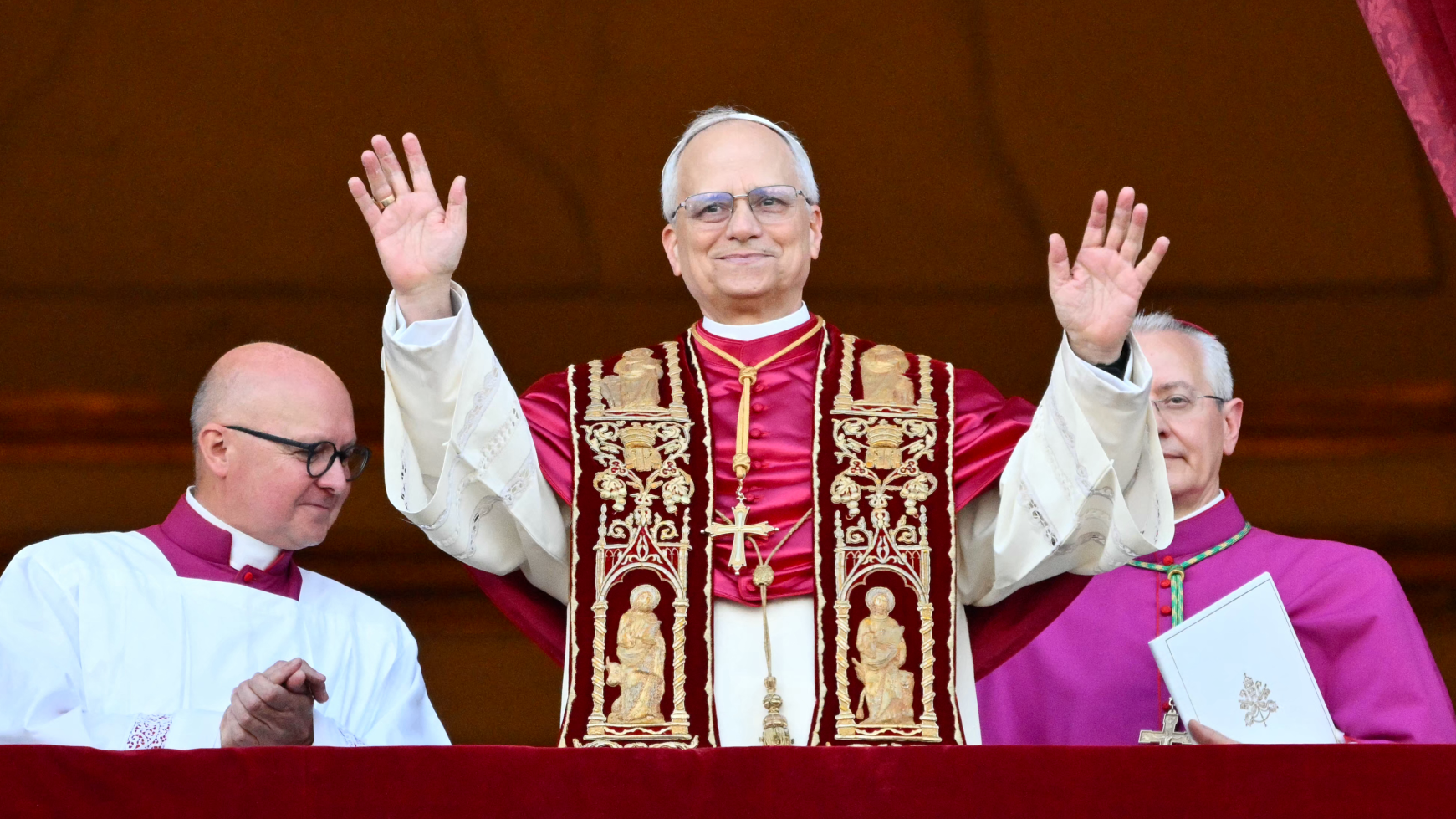
The Shepherd’s Morning: Prayer, Study, and the Seeds of Discernment
The day of the Pontiff begins long before the sun fully illuminates St. Peter’s Basilica. This early morning period is crucial for spiritual grounding and intellectual preparation, setting the tone for the complex responsibilities that lie ahead. It is a time dedicated to cultivating the inner life, which then informs every outward action and decision.
Early Morning Devotion and Personal Spiritual Discipline
The first hours of the Pope’s day are invariably dedicated to prayer. This is not merely a ritualistic observance but a deep, personal communion with God. It includes the recitation of the Liturgy of the Hours, private meditation, and Mass, often celebrated personally or with a small, intimate group. This personal spiritual discipline is the bedrock upon which his pontificate rests, providing the moral compass and divine guidance necessary for leading over a billion Catholics worldwide. The quietude of these early hours allows for introspection, a crucial element in discerning God’s will and reflecting on the challenges facing the Church and the world.
Study and Intellectual Preparation
Following his devotional practices, the Pope dedicates time to study and intellectual engagement. This involves staying abreast of current global events, theological developments, and pressing social issues. He likely reviews reports from Vatican dicasteries, reads international news outlets, and engages with scholarly works. This intellectual rigor is essential for formulating informed opinions and crafting effective pastoral letters, encyclicals, and addresses that resonate with contemporary audiences. The ability to synthesize complex information and apply theological principles to real-world problems is a hallmark of his preparatory time. This period also often involves reviewing significant documents and preparing for upcoming meetings and audiences.
The Pontiff’s Office: Navigating the Administrative Labyrinth of the Holy See
The papacy is not solely a spiritual office; it is also the administrative head of the Holy See, a sovereign entity with a complex bureaucracy. The Pope’s working day is heavily invested in overseeing this intricate network of departments and offices, ensuring its efficient operation and alignment with his vision for the Church.
Presiding Over Dicasteries and Key Vatican Departments
A significant portion of the Pope’s day is spent engaging with the various dicasteries – the Vatican’s ministries – that govern different aspects of the Church’s life. This can involve attending meetings with prefects, reviewing policy proposals, and offering guidance on matters ranging from evangelization and doctrine to justice, peace, and charitable works. He acts as the ultimate decision-maker, ensuring that the Church’s vast global operations are conducted with coherence and purpose. This administrative oversight requires a keen understanding of organizational management, human resources, and financial stewardship, all within the unique context of a religious institution.
Audiences and Diplomatic Engagements
The Pope’s schedule is punctuated by a constant stream of audiences. These range from formal meetings with heads of state and ambassadors to informal encounters with bishops, clergy, religious orders, and lay Catholic leaders from around the globe. Each audience is an opportunity for dialogue, consultation, and the exchange of ideas, fostering relationships and addressing specific concerns. Furthermore, the Holy See maintains diplomatic relations with numerous countries, and the Pope plays a central role in these engagements, often receiving diplomatic credentials or discussing matters of mutual interest. These interactions underscore the Pope’s role not just as a spiritual leader but also as a significant global player on the international stage.
Scriptural Reflection and Sermon Preparation
Beyond the administrative and diplomatic, the Pope is also a pastor. He dedicates time to preparing homilies for Masses he presides over, whether in St. Peter’s Basilica or during his apostolic journeys. This involves deep scriptural reflection, contextualizing ancient texts for modern relevance, and crafting messages that inspire faith, encourage ethical living, and offer spiritual guidance. The responsibility of feeding the spiritual flock weighs heavily, and this preparatory work is a vital component of his pastoral ministry.
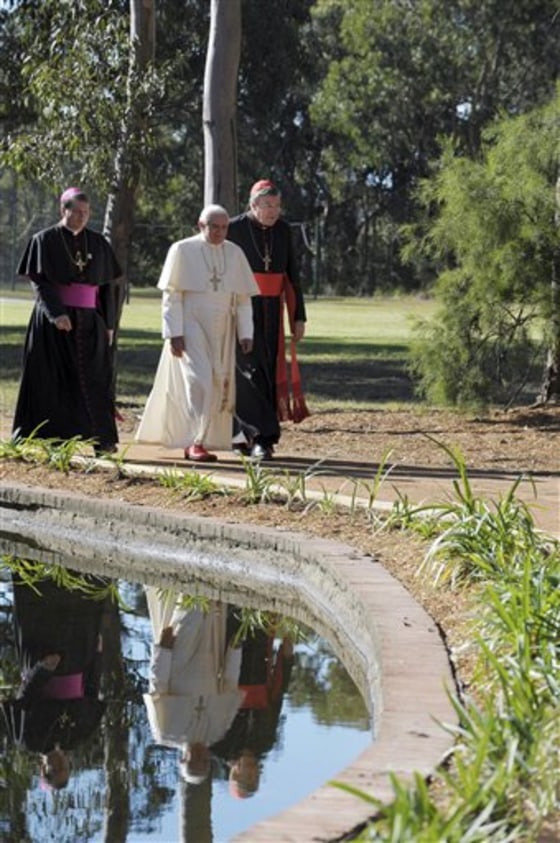
The Global Shepherd: Connecting with the World and Responding to its Needs
The Pope’s influence extends far beyond the Vatican walls. His daily activities are often geared towards connecting with the global Catholic community and responding to the pressing needs and challenges of the wider world. This involves a blend of communication, advocacy, and direct engagement.
Addressing Global Issues and Social Justice Concerns
The Pope is a vocal advocate for peace, human rights, and social justice. His day often includes reviewing reports on humanitarian crises, interfaith dialogue, environmental stewardship, and economic inequalities. He may engage in correspondence with world leaders, issue public statements, or authorize initiatives aimed at alleviating suffering and promoting a more just and equitable world. This commitment to addressing global issues reflects the Church’s mandate to serve humanity and be a voice for the marginalized.
Engaging with the Media and Public Communication
In the modern era, effective communication is paramount. The Pope’s team works to disseminate his messages and teachings to a global audience. This can involve preparing for interviews, reviewing official Vatican communications, and ensuring that his pronouncements are accessible and understood across diverse cultures and languages. The strategic use of media platforms allows him to reach millions, fostering dialogue and promoting the Gospel message in contemporary ways.
Apostolic Journeys and Pastoral Outreach
While not a daily occurrence, planning and preparing for apostolic journeys are often woven into the Pope’s routine. These trips are intensely demanding but offer invaluable opportunities for direct pastoral outreach, connecting with local churches, and addressing specific pastoral needs in different regions. The logistics, security, and theological preparation for these journeys require significant attention.
The Pontiff’s Evening: Reflection, Continued Work, and Personal Renewal
As the day draws to a close, the Pope’s work does not cease. The evening hours are typically reserved for continued reflection, further administrative tasks, and a necessary period of personal renewal before the cycle begins anew.
Reviewing the Day’s Events and Planning for Tomorrow
Evenings are often spent reviewing the day’s engagements, reflecting on key conversations, and planning for the schedule of the following day. This involves a meticulous organization of time and priorities to ensure that all crucial responsibilities are addressed. The sheer volume of decisions and interactions necessitates a structured approach to manage the immense workload.
Continued Study and Personal Reflection
The Pope may continue his study of theological texts, current affairs, or personal spiritual reading. This is a time for deeper contemplation, allowing for the integration of the day’s experiences and the ongoing refinement of his pastoral vision. The demanding nature of his role requires sustained intellectual and spiritual engagement.
Personal Time and Rest
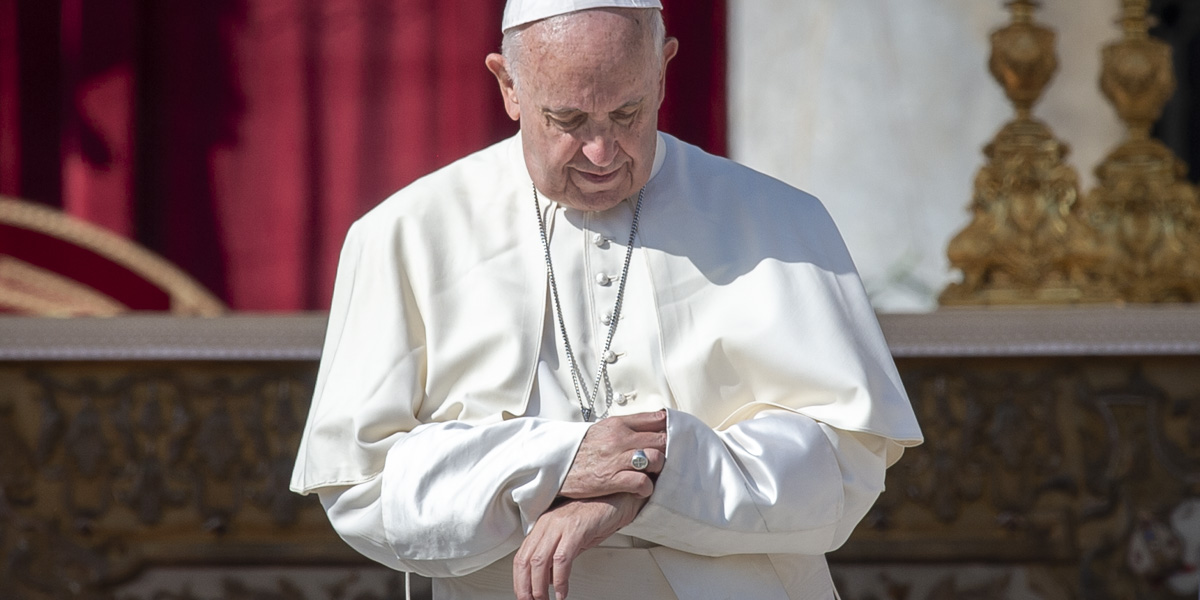
While the demands of the papacy are immense, the Pope also requires periods of rest and personal time. This might involve quiet contemplation, simple meals, or brief periods of personal interaction. Maintaining physical and spiritual well-being is crucial for sustaining the rigor of his office. The commitment to the Church is absolute, but personal renewal is an essential component for long-term effectiveness and resilience.
In conclusion, the Pope’s daily routine is a testament to an extraordinary blend of profound spirituality, astute administration, and global engagement. It is a life lived in constant service, demanding unwavering dedication, immense intellectual capacity, and a deep well of spiritual fortitude. From the quietude of early morning prayer to the strategic oversight of global affairs, the Pontiff’s day is a complex and vital undertaking, shaping the lives of millions and influencing the course of global dialogue.
aViewFromTheCave is a participant in the Amazon Services LLC Associates Program, an affiliate advertising program designed to provide a means for sites to earn advertising fees by advertising and linking to Amazon.com. Amazon, the Amazon logo, AmazonSupply, and the AmazonSupply logo are trademarks of Amazon.com, Inc. or its affiliates. As an Amazon Associate we earn affiliate commissions from qualifying purchases.