
The Bible is a rich tapestry of symbolism, and numbers often carry profound meaning beyond their literal value. Among these significant numerical figures, the number five stands out as a recurring and multifaceted symbol. While not as overtly prominent as seven or forty, its consistent appearance throughout scripture suggests a deliberate design, pointing towards core theological concepts. Understanding the biblical significance of the number five can unlock deeper layers of interpretation within various passages and provide a more nuanced appreciation of God’s communication through His Word.
This exploration delves into the multifaceted meaning of the number five in the Bible, examining its association with grace, God’s goodness, the five senses, the Pentateuch, and even the challenges and triumphs faced by humanity and Israel. By dissecting its occurrences and theological implications, we can gain a more profound insight into the divine narrative.

Grace and God’s Unmerited Favor
One of the most prominent interpretations of the number five in biblical symbolism is its connection to grace and God’s unmerited favor. This association stems from several key biblical narratives and theological concepts. Grace, by its very definition, is God’s undeserved kindness and love extended to humanity, a gift freely given rather than earned. The number five, appearing in contexts that highlight divine provision, rescue, and blessing, often underscores this aspect of God’s character.
The Provision of Divine Sustenance
Several instances in scripture link the number five to miraculous provisions that speak of God’s benevolent care. The most striking example is the feeding of the five thousand by Jesus. With just five loaves of bread and two fish, Jesus miraculously multiplied the food, feeding a multitude of men, women, and children. This event, recorded in all four Gospels (Matthew 14:13-21, Mark 6:30-44, Luke 9:10-17, John 6:1-14), is not merely a demonstration of Jesus’ power but a profound illustration of God’s abundant provision and His ability to bless beyond human limitations. The five loaves, seemingly meager, represent the small offerings humanity can bring, which God can transform into immeasurable blessings through His grace.
Similarly, the story of the Shunammite woman and her son in 2 Kings 4:42-44 also involves a small offering being multiplied. A man of Baal Shalisha brings Elisha “twenty loaves of barley and fresh grain in the ear,” and Elisha instructs him to give it to the hundred men, stating, “Give it to the people to eat. For this is what the Lord says: ‘They will eat, and there will be leftovers.'” While the specific number of loaves is twenty, this story echoes the theme of divine multiplication of limited resources, reinforcing the idea that God’s grace can bring abundance from scarcity. The five loaves in Jesus’ miracle serve as a potent symbol of this principle of grace-filled provision.
The Fivefold Ministry and Apostolic Foundations
The concept of grace is also intricately linked to the establishment and functioning of the Church. Ephesians 4:11-12 speaks of Christ giving apostles, prophets, evangelists, pastors, and teachers “for the equipping of the saints for the work of ministry, for the edifying of the body of Christ.” This “fivefold ministry” is seen as a divinely appointed structure, empowered by the Holy Spirit and operating under God’s grace to build up the Church. Each of these roles, while distinct, contributes to the overall growth and spiritual maturity of believers, a process facilitated by God’s ongoing grace. The presence of five distinct offices underscores the completeness and sufficiency of Christ’s provision for the Church’s leadership and development.
The Five Senses and Experiencing God’s Reality
Another significant interpretation of the number five relates to the five senses, representing humanity’s primary means of perceiving and interacting with the physical world. In a biblical context, these senses are often portrayed as channels through which individuals can experience God’s presence, understand His truths, and respond to His call. The number five, in this light, signifies the complete capacity of human perception, highlighting how God engages us through all our faculties.
Engaging with God Through Sensory Experience
Scripture frequently depicts individuals encountering God through their senses. Hearing God’s voice is a recurring theme, from Adam and Eve in the Garden to prophets receiving divine revelations. Seeing visions and experiencing miraculous events, such as the burning bush or the transfiguration, engages the sense of sight. Tasting the Passover lamb or the bread and wine of communion engages the sense of taste, symbolizing covenant and spiritual nourishment. Smelling the incense offered in the Tabernacle and Temple, or the aroma of sacrifices, connects to the sense of smell, representing worship and purification. Touching the resurrected Christ, as Mary Magdalene did, or experiencing His healing touch, involves the sense of touch, confirming His physical reality and His compassionate engagement with humanity.
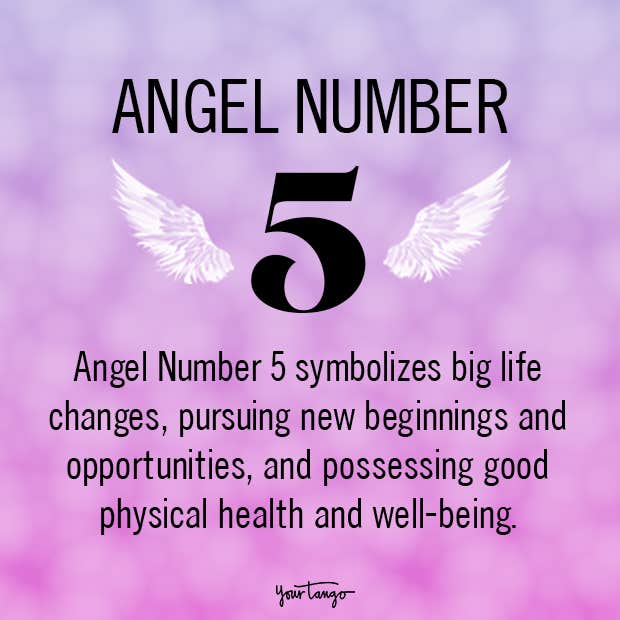
The number five, by encompassing these five senses, suggests that God desires a holistic engagement with us. He doesn’t merely speak to our minds but addresses our entire being, inviting us to perceive His truth and love through every avenue of our sensory experience. This understanding can encourage believers to be more attuned to the ways God is speaking to them in their daily lives, through the beauty of creation, the melodies of worship, the taste of shared meals, and the tangible acts of love experienced and expressed.
The Pentateuch: The Foundation of God’s Law and Covenant
The number five is also intrinsically linked to the Pentateuch, the first five books of the Old Testament: Genesis, Exodus, Leviticus, Numbers, and Deuteronomy. These books are foundational to Jewish and Christian faith, containing the creation narrative, the establishment of the Abrahamic covenant, the deliverance of Israel from Egypt, the giving of the Law at Mount Sinai, and the preparation for entry into the Promised Land. Their collective significance makes the number five a symbol of divine law, covenant, and the unfolding of God’s redemptive plan.
The Law as a Guide and Covenantal Bond
The Pentateuch, often referred to as the Torah, meaning “instruction” or “law,” lays out the principles by which God’s people were to live. The Ten Commandments, central to this law, are a prime example of divine instruction given for the well-being and spiritual health of the Israelites. The law, as presented in these five books, is not merely a set of rules but a covenantal bond between God and His people, outlining the terms of their relationship and the blessings that would follow obedience.
The repetition of five in relation to the Law and covenant emphasizes its enduring importance and its role as the bedrock of God’s dealings with humanity. The Mosaic Covenant, established through these books, served as a precursor to the New Covenant in Christ, highlighting the continuity of God’s redemptive purpose. The Pentateuch, therefore, stands as a testament to God’s commitment to His people and His desire to guide them into a life of righteousness and fellowship.
Five and the Challenges of Life: Trials and Perseverance
Beyond positive symbolism, the number five can also represent challenges, trials, and the human capacity for perseverance in the face of adversity. While not as universally recognized as its association with grace, certain biblical narratives suggest this interpretation. Often, these challenging encounters with the number five highlight God’s ultimate deliverance and the strength He provides His people.
The Five Stones of David
A poignant example of five in a context of overcoming adversity is the account of David and Goliath in 1 Samuel 17. David, a young shepherd boy, faced the formidable Philistine giant with only a sling and five smooth stones. He chose these five stones, and with divine intervention, struck down Goliath, saving Israel from imminent defeat. This narrative powerfully illustrates that even with seemingly limited resources, when coupled with faith and reliance on God, individuals can overcome insurmountable obstacles. The five stones symbolize the tools or means God provides, however humble, for us to face and conquer our giants.
The Five Plagues and God’s Judgment
While not a direct numerical pattern of “five,” the concept of judgment and divine discipline can be linked to instances where specific numbers of plagues or calamities are described. Though the ten plagues of Egypt are more widely known, specific instances of divine judgment or assessment can sometimes manifest in patterns that involve smaller numerical groupings. The idea here is not that five inherently means judgment, but that in the context of divine justice, it can represent a specific measure or a series of consequences. However, it’s crucial to note that this interpretation is less prominent and more contextual than the associations with grace or the Pentateuch. The emphasis remains on God’s ultimate sovereignty and His power to both discipline and redeem.

Conclusion: A Number Rich with Meaning
The number five in biblical symbolism is a testament to the richness and depth of God’s communication. It consistently points towards grace, divine provision, the fullness of human sensory experience, the foundational nature of the Law and covenant, and even the human capacity to overcome challenges with God’s help. Whether in the miraculous feeding of the multitudes, the divinely appointed ministry, the comprehensive understanding of God’s will through the Pentateuch, or the courage of David facing his giant, the number five serves as a recurring motif.
By recognizing these symbolic meanings, we can approach biblical texts with a greater appreciation for the intricate layers of interpretation that God has woven into His Word. The number five encourages us to look for God’s grace in unexpected places, to engage with Him holistically through all our senses, to understand the importance of His law and covenant, and to trust in His strength when facing life’s trials. It is a number that, in its quiet pervasiveness, speaks volumes about the character and purposes of our loving and sovereign God.
aViewFromTheCave is a participant in the Amazon Services LLC Associates Program, an affiliate advertising program designed to provide a means for sites to earn advertising fees by advertising and linking to Amazon.com. Amazon, the Amazon logo, AmazonSupply, and the AmazonSupply logo are trademarks of Amazon.com, Inc. or its affiliates. As an Amazon Associate we earn affiliate commissions from qualifying purchases.