
The Italian flag, a vibrant ensemble of green, white, and red, is far more than just a national symbol. It is a powerful emblem, a visual shorthand that encapsulates history, values, and a distinct cultural identity. For many, the immediate recognition of its simple yet striking vertical tricolor design evokes images of picturesque landscapes, rich heritage, and a passionate populace. But beyond its aesthetic appeal, understanding the “look” of the Italian flag involves delving into its design origins, its symbolic weight, and its enduring presence as a potent element of national branding.
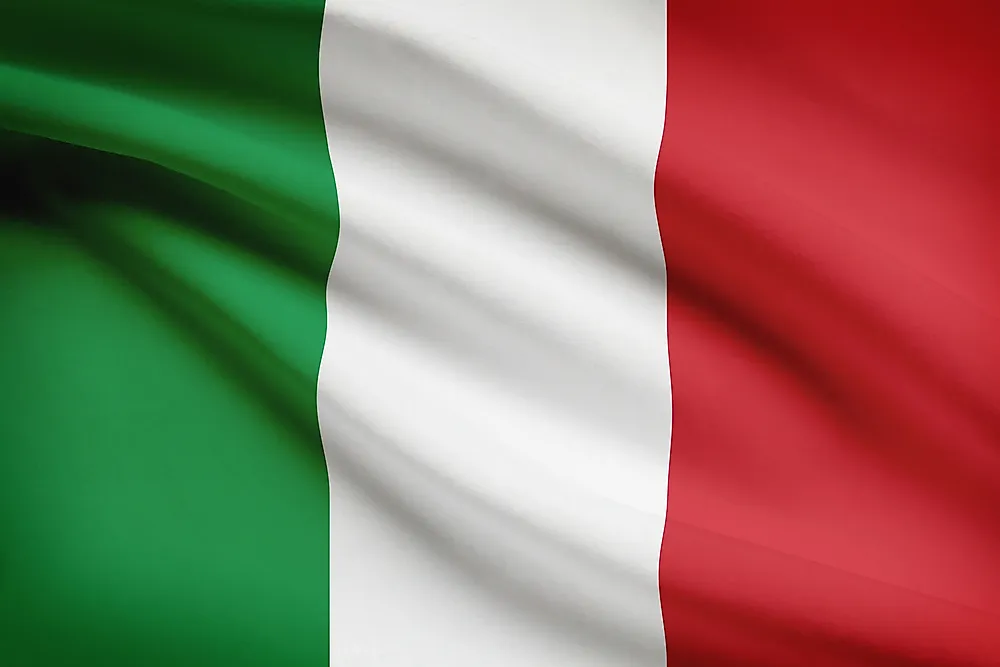
The Italian flag, officially known as the Tricolore, is a direct descendant of the French revolutionary tricolor, adopted by Napoleon’s Italian republics in the late 18th century. Its adoption as the national flag in the late 19th century, with variations in symbolism and precise shades over time, solidified its place as a cornerstone of Italian identity. In the realm of branding, such foundational visual elements are crucial. They are the bedrock upon which a nation builds its image, communicating a cohesive narrative to both its citizens and the global stage. The enduring power of the Italian flag lies in its simplicity, its boldness, and the consistent message it projects – a message of unity, aspiration, and national pride.
The Genesis and Evolution of the Tricolore
The visual blueprint of the Italian flag is deceptively straightforward: three equal vertical bands of green, white, and red. Yet, the journey to its current form is steeped in historical shifts and evolving political landscapes. Understanding this evolution provides a deeper appreciation for the “look” and its significance.
Early Inspirations and Revolutionary Roots
The direct lineage of the Italian flag can be traced back to the ideals of the French Revolution. In 1796, when Napoleon Bonaparte invaded Italy, he established several new republics that adopted flags inspired by the French tricolor. The Cispadane Republic, for instance, adopted a flag with horizontal stripes of green, white, and red, with a central emblem. This early experimentation laid the groundwork for what would become the iconic vertical arrangement. The colors themselves were not entirely new to Italian iconography, with red and white having been prominent in the Milanese flag, and green emerging as a symbol of liberty and the landscape. The adoption of these colors, particularly in a vertical orientation mimicking the French flag, was a deliberate political statement, aligning the nascent Italian republics with the revolutionary fervor sweeping across Europe. This initial adoption was not merely aesthetic; it was a declaration of new political ideals and a break from the old monarchies.
Consolidation and National Adoption
Following the Napoleonic era and the subsequent restoration of various Italian states, the tricolor flag continued to be used by liberal and nationalist movements. Its resurgence during the Risorgimento, the 19th-century unification movement, cemented its status as the undisputed symbol of a united Italy. King Victor Emmanuel II of Sardinia, who played a pivotal role in unification, adopted the tricolor, adding the coat of arms of the House of Savoy to the central white band. This addition signified the monarchy’s leadership in the nation-building process. Upon the proclamation of the Kingdom of Italy in 1861, the tricolor with the Savoyard arms became the official national flag. While the specific shade of the colors and the precise dimensions of the arms evolved over time, the core visual design of the green, white, and red vertical stripes remained constant. This period of consolidation was critical in establishing the flag not just as a political symbol but as a deeply ingrained part of the Italian national consciousness. The visual consistency, even with minor adjustments, helped foster a sense of continuity and shared identity.
The Symbolism Embedded in the Colors
While the visual appeal of the Italian flag is undeniable, its enduring power as a national brand is amplified by the rich symbolism attributed to its colors. These interpretations, though not always officially decreed, have become deeply ingrained in the Italian psyche and contribute significantly to its perceived identity. In the context of branding, understanding these layered meanings is crucial for communicating a comprehensive brand narrative.
Green: Hope, Landscape, and Liberty

The green band, positioned on the hoist side of the flag, is often interpreted as representing hope. This is a powerful emotion, signifying aspirations for the future, progress, and a brighter tomorrow. For a nation that has experienced periods of struggle and resurgence, the color green embodies the enduring spirit of optimism. Beyond hope, the green also directly evokes the stunning natural beauty of Italy. From the rolling vineyards of Tuscany to the lush Alpine meadows and the vibrant green of the countryside, the color is inextricably linked to the Italian landscape. This connection to the natural world imbues the flag with a sense of place and rootedness. Furthermore, in the context of its revolutionary origins, green was also associated with liberty, a key tenet of the Enlightenment ideals that inspired its initial adoption. This multi-faceted symbolism allows the green band to resonate on several levels, connecting the nation to its aspirations, its natural heritage, and its foundational political values.
White: Faith, Purity, and The Alps
The central white band holds its own distinct symbolic weight. It is frequently associated with faith, representing spiritual values and religious devotion, a cornerstone of Italian culture for centuries. This connection speaks to the deep-seated spiritual heritage of the nation, acknowledging the influence of the Catholic Church and the pervasive presence of religious traditions. Beyond its spiritual connotations, white also symbolizes purity and innocence, harkening back to ideals of unblemished character and moral integrity. This interpretation contributes to a perception of national virtue. Visually, white also offers a striking contrast, highlighting the vibrancy of the adjacent green and red. A more geographically literal interpretation links the white to the snow-capped peaks of the Alps, the majestic mountain range that forms Italy’s northern border. This interpretation grounds the flag in the physical geography of the nation, further reinforcing its connection to its homeland. The interplay of these meanings – faith, purity, and geographical reference – provides depth and complexity to the central band.
Red: Charity, Passion, and Bloodshed
The red band, on the fly side of the flag, is perhaps the most visceral in its symbolism. It is often seen as representing charity, embodying the spirit of goodwill, compassion, and altruism that is integral to Italian social fabric. This interpretation speaks to the warmth and generosity often associated with the Italian people and their communal traditions. Beyond charity, red is universally recognized as a color of passion, intensity, and love. This aligns perfectly with the vibrant and expressive nature often attributed to Italian culture, whether in art, music, or personal relationships. However, the red also carries a more somber yet crucial historical meaning: the bloodshed and sacrifices made during the struggles for unification and independence. This acknowledges the difficult and often violent path Italy took to become a unified nation, honoring the martyrs and heroes who fought for its freedom. The combination of these powerful, often contrasting, meanings – charity, passion, and sacrifice – makes the red band a potent reminder of both the nation’s spirit and its historical struggles.
The Italian Flag as a Powerful Branding Tool
In the contemporary world, flags transcend their historical and symbolic meanings to function as potent branding tools for nations. The Italian flag, with its distinctive design and rich cultural associations, is a prime example of how a visual emblem can powerfully communicate a nation’s identity on a global scale.
Consistency and Recognition in a Global Arena
The strength of the Italian flag as a brand lies in its unwavering consistency and immediate global recognition. Unlike corporate brands that may undergo periodic rebranding, the core visual identity of the Italian flag has remained remarkably stable for well over a century. This consistency breeds familiarity and trust. When seen at international events, on products, or in diplomatic contexts, the tricolor instantly signals “Italy.” This visual shorthand eliminates the need for extensive explanation, allowing for immediate association with a vast array of positive connotations. In the competitive landscape of global branding, this level of immediate recognition is invaluable. It acts as a silent ambassador, conveying a sense of history, culture, and national pride without uttering a single word. The simplicity of its design—three equal vertical bands—further enhances its memorability and ease of reproduction across various media, a critical factor in effective branding.
Evoking Cultural Associations and National Identity
The Italian flag does more than just identify a country; it evokes a cascade of powerful cultural associations. For many, the tricolor is synonymous with Italian excellence in fields as diverse as fashion, cuisine, automotive design, art, and cinema. The visual cue of the flag immediately brings to mind the creativity, craftsmanship, and passion that are hallmarks of Italian culture. This allows the flag to function as a “brand mark” for an entire nation, leveraging its rich cultural heritage to enhance its global appeal. When Italian products or services are marketed internationally, the presence of the flag or its colors can act as a powerful endorsement, suggesting quality, style, and authenticity. This is a sophisticated form of national branding, where the flag serves as the ultimate seal of approval, connecting the viewer to the perceived positive attributes of the nation. The inherent “brand equity” of Italy, built over centuries of cultural influence, is powerfully distilled and communicated through its iconic flag.
National Unity and Collective Identity
Beyond its external projection, the Italian flag serves a crucial internal function: fostering national unity and a collective sense of identity among its citizens. The tricolor is a constant reminder of shared history, common aspirations, and a unified future. It is displayed at national celebrations, sporting events, and moments of national pride, serving as a powerful unifier. In times of both triumph and adversity, the flag becomes a rallying point, a symbol of solidarity and resilience. For Italians, the flag is not merely a piece of cloth; it is a tangible representation of their shared heritage and their belonging to a distinct and proud nation. This sense of collective identity is a vital component of any successful national brand, fostering a sense of shared purpose and mutual understanding among the populace, which in turn strengthens its global presence and influence. The “look” of the Italian flag, therefore, is not just a design; it is an embodiment of a shared narrative and a powerful affirmation of collective existence.
aViewFromTheCave is a participant in the Amazon Services LLC Associates Program, an affiliate advertising program designed to provide a means for sites to earn advertising fees by advertising and linking to Amazon.com. Amazon, the Amazon logo, AmazonSupply, and the AmazonSupply logo are trademarks of Amazon.com, Inc. or its affiliates. As an Amazon Associate we earn affiliate commissions from qualifying purchases.