
In the ever-evolving landscape of personal branding, where authenticity, trust, and lasting impact are paramount, understanding the foundational principles that foster these qualities is crucial. While often discussed in spiritual or ethical contexts, the Bible offers a remarkably profound and practical framework for cultivating humility, a virtue that directly translates into a more robust, resonant, and respected personal brand. Far from being a sign of weakness, biblical humility is a strategic approach to self-awareness, interpersonal engagement, and influence that can elevate your professional identity and relationships. This exploration delves into the biblical perspective on humility and illuminates its indispensable role in crafting a compelling and enduring personal brand.
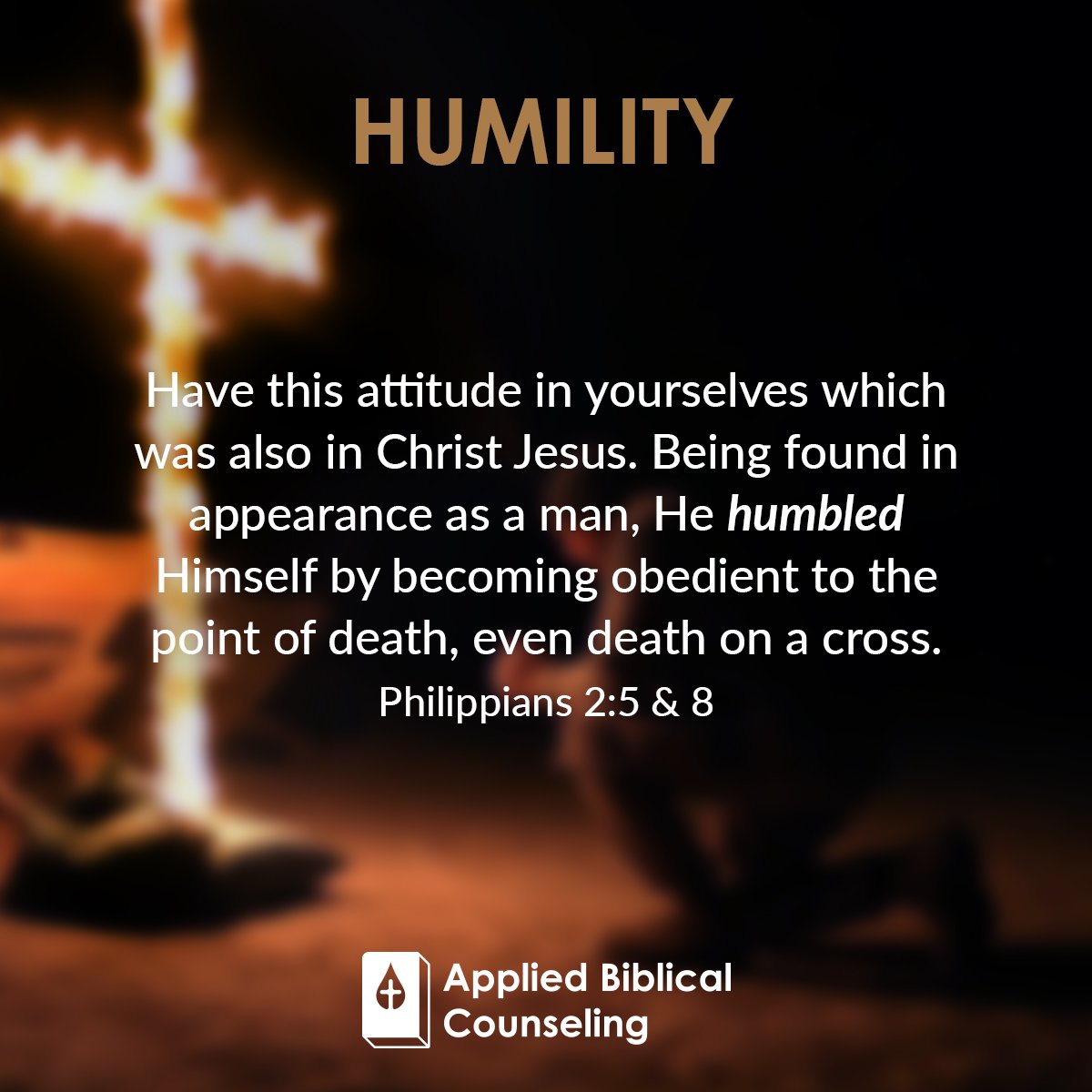
The Paradox of True Strength: Humility as a Foundation
The common perception of personal branding often leans towards showcasing confidence, expertise, and a degree of self-promotion. While these elements have their place, the Bible presents a compelling paradox: true strength and lasting influence are often rooted in a humble disposition. This isn’t about self-deprecation or timidity, but rather a clear-eyed understanding of one’s place, capabilities, and reliance on something greater than oneself. For personal branding, this translates into an authentic and grounded presence that resonates far more deeply than overt displays of ego.
Understanding the Biblical Definition of Humility
At its core, biblical humility is not about having a low opinion of oneself, but rather having a correct opinion of oneself in relation to God and others. It’s an absence of arrogance, pride, and self-importance. Key scriptures highlight this:
- Philippians 2:3-4: “Do nothing from selfish ambition or conceit, but in humility count others more significant than yourselves. Let each of you look not only to his own interests, but also to the interests of others.” This verse is a cornerstone. For a personal brand, it means shifting the focus from “what can I gain?” to “how can I serve?” or “how can I add value to others?” This selfless approach builds trust and positions you as a contributor rather than just a promoter.
- Proverbs 11:2: “When pride comes, then comes disgrace, but with the humble is wisdom.” Pride, in branding, can manifest as overconfidence, an unwillingness to admit mistakes, or an inability to learn. This leads to missteps and a damaged reputation. Humility, conversely, fosters an openness to feedback, a willingness to adapt, and a continuous learning mindset – all vital for a dynamic personal brand.
- Micah 6:8: “He has shown you, O man, what is good; and what does the LORD require of you but to do justice, and to love kindness, and to walk humbly with your God?” This emphasizes a holistic approach to life where humility is intrinsically linked to ethical conduct and compassionate action. In branding, it means aligning your professional actions and communication with integrity and a genuine concern for the well-being of your audience or clients.
Humility as a Catalyst for Growth and Learning
A humble individual is inherently teachable. They recognize that they don’t have all the answers and are open to acquiring new knowledge and skills. In the context of personal branding, this translates into continuous improvement and adaptability.
- Proverbs 15:33: “The fear of the LORD is the instruction of wisdom, and before honor is humility.” This suggests that true wisdom, which underpins a strong brand, begins with a foundational respect and a recognition of limitations. By approaching your personal brand development with a desire to learn and grow, rather than assuming you’ve arrived, you open yourself to valuable insights and opportunities.
- James 4:6: “But he gives more grace. Therefore it says, ‘God opposes the proud, but gives grace to the humble.'” This principle extends beyond the spiritual realm. In professional interactions, an arrogant stance often alienates people. A humble approach, however, invites connection and support. When you demonstrate an eagerness to learn from others and acknowledge their contributions, you build stronger networks and foster goodwill, which are essential for brand advocacy.
The Practical Application of Humility in Personal Branding
Understanding the biblical definition of humility is only the first step. The true power lies in its practical application to your personal brand. This involves conscious choices in how you present yourself, interact with others, and approach your professional endeavors.
Cultivating Authentic Self-Awareness
A humble personal brand is an authentic personal brand. This authenticity stems from a deep understanding of your strengths, weaknesses, values, and motivations – a process inherently linked to humility.

- 1 Samuel 15:17: “When you were small in your own eyes, were you not the head of the tribes of Israel?” This verse speaks to a time when Saul was humble and effective. It highlights how recognizing one’s limitations and not overinflating one’s importance can lead to better leadership and influence. For branding, this means avoiding the temptation to present a flawless facade. Instead, acknowledge your journey, your learning curves, and your genuine self. This vulnerability can be a powerful connector.
- Romans 12:3: “For by the grace given to me I say to everyone among you not to think of himself more highly than he ought to think, but to think soberly, each according to the measure of faith that God has assigned him.” This encourages a balanced self-assessment. Instead of boasting or minimizing, aim for a realistic appraisal. In branding, this translates to highlighting your genuine skills and accomplishments without exaggeration, and being honest about areas where you are still developing.
Building Trust Through Relational Humility
Effective personal branding is deeply relational. It’s about building connections, fostering rapport, and earning the trust of your audience, colleagues, and clients. Humility is the bedrock of these relationships.
- Proverbs 22:4: “The reward for humility and fear of the LORD is riches and honor and life.” This ancient wisdom underscores the long-term benefits of a humble approach. In a branding context, this “reward” manifests as loyalty, respect, and opportunities that arise from genuine connection. When you approach interactions with humility, seeking to understand and serve rather than to dominate or impress, you create an environment where trust can flourish.
- Ephesians 4:2: “With all humility and gentleness, with patience, bear with one another in love.” This calls for a posture of graciousness in our dealings with others. In professional settings, this means being patient with colleagues, respectful of differing opinions, and willing to extend grace. This relational humility is a powerful brand differentiator, making you someone people want to work with and collaborate with. It demonstrates that your success is not solely about individual achievement, but about contributing to a positive and supportive environment.
Leading with Service, Not Self-Interest
Biblical humility is intrinsically linked to a servant leadership model. This perspective shifts the focus from personal gain to the well-being and advancement of others.
- Mark 10:45: “For even the Son of Man did not come to be served, but to serve, and to give his life as a ransom for many.” Jesus’ example is the ultimate depiction of servant leadership. In personal branding, this means framing your expertise and offerings through the lens of how they benefit others. Instead of saying, “Hire me because I’m the best,” a servant-hearted brand might say, “I can help you achieve X by leveraging my skills in Y.” This service-oriented approach naturally builds goodwill and positions you as a valuable asset.
- 1 Peter 5:5-6: “Likewise, you who are younger, be subject to the elders. Clothe yourselves, all of you, with humility toward one another, for ‘God opposes the proud but gives grace to the humble.’ Humble yourselves, therefore, under God’s mighty hand, that he may lift you up in due time.” This passage speaks to a hierarchical context but the principle of submitting one’s own ego for the good of the collective is universal. In branding, this translates to recognizing the expertise of others, being willing to collaborate, and contributing to the success of your team or community. This selfless contribution elevates your brand far more than individualistic striving.
The Long-Term Impact of a Humble Personal Brand
In a world often characterized by rapid trends and superficial appearances, a personal brand built on biblical principles of humility offers enduring strength and authenticity. It’s not about being a doormat, but about possessing a quiet confidence rooted in self-awareness and a genuine desire to serve.
Navigating Challenges with Grace
The journey of building any personal brand is not without its challenges. Setbacks, criticism, and moments of doubt are inevitable. Humility equips you to navigate these with resilience and integrity.
- Psalm 131:1: “O LORD, my heart is not lifted up; my eyes are not haughty, nor do I aspire to great things for myself that are too wonderful for me.” This reflects a heart at rest, free from the restless ambition that can lead to burnout and disappointment. For a personal brand, this means understanding your place and trusting the process. When you are not driven by a desperate need for external validation, you can approach challenges with a calmer, more strategic mindset, learning from mistakes rather than being crushed by them.
- Proverbs 18:12: “Before destruction a man’s heart is proud, but humility comes before honor.” This reiterates the theme that pride often precedes downfall, while humility paves the way for genuine and lasting recognition. In the face of adversity, a humble brand can admit fault, seek solutions collaboratively, and emerge stronger and more respected.

The Unseen Influence of a Humble Presence
While overt self-promotion can garner short-term attention, the subtle yet profound influence of a humble personal brand often leads to deeper, more meaningful connections and a more significant long-term impact. People are drawn to those who are not constantly vying for the spotlight but who consistently offer value, demonstrate integrity, and treat others with respect. This quiet influence builds a loyal following and a strong, positive reputation that transcends fleeting trends.
In conclusion, the Bible’s teachings on humility offer a timeless and powerful blueprint for crafting a personal brand that is not only effective but also deeply meaningful and enduring. By embracing humility, you unlock authentic self-awareness, build unshakeable trust, and lead with a spirit of service, ultimately creating a personal brand that resonates with integrity and true influence.
aViewFromTheCave is a participant in the Amazon Services LLC Associates Program, an affiliate advertising program designed to provide a means for sites to earn advertising fees by advertising and linking to Amazon.com. Amazon, the Amazon logo, AmazonSupply, and the AmazonSupply logo are trademarks of Amazon.com, Inc. or its affiliates. As an Amazon Associate we earn affiliate commissions from qualifying purchases.