
The term “semi-formal attire” often evokes a sense of polite bewilderment. It sits in a sartorial no-man’s-land, neither as relaxed as casual wear nor as stringent as full formal dress. For many, deciphering its nuances can feel like navigating a minefield of social expectations and unwritten rules. Understanding what semi-formal attire truly entails is not merely about adhering to a dress code; it’s about projecting an appropriate level of polish and respect for the occasion, and by extension, the host and fellow attendees. This understanding is particularly relevant in professional settings, where it can signal professionalism, attention to detail, and an awareness of corporate culture. It’s a versatile dress code that bridges the gap between the everyday and the exceptionally grand, offering flexibility while demanding a degree of thoughtfulness.
Decoding the Semi-Formal Spectrum
Semi-formal, at its core, signifies an elevated yet not entirely rigid standard of dress. It implies a step up from everyday workwear or casual social gatherings, but falls short of the black-tie or white-tie expectations. This middle ground allows for a wider range of choices, making it both accessible and a potential source of confusion. The key to mastering semi-formal attire lies in understanding the underlying principles of presentation and context. It’s about looking put-together, polished, and appropriate for an event that warrants a touch more effort than usual. The “semi” prefix is crucial; it suggests a softened or partial adherence to formality, allowing for personal style to peek through while maintaining a respectful demeanor. This is where the art of dressing well truly comes into play, demanding a conscious decision about how one wants to be perceived.
For Men: Navigating the Modern Gentleman’s Wardrobe
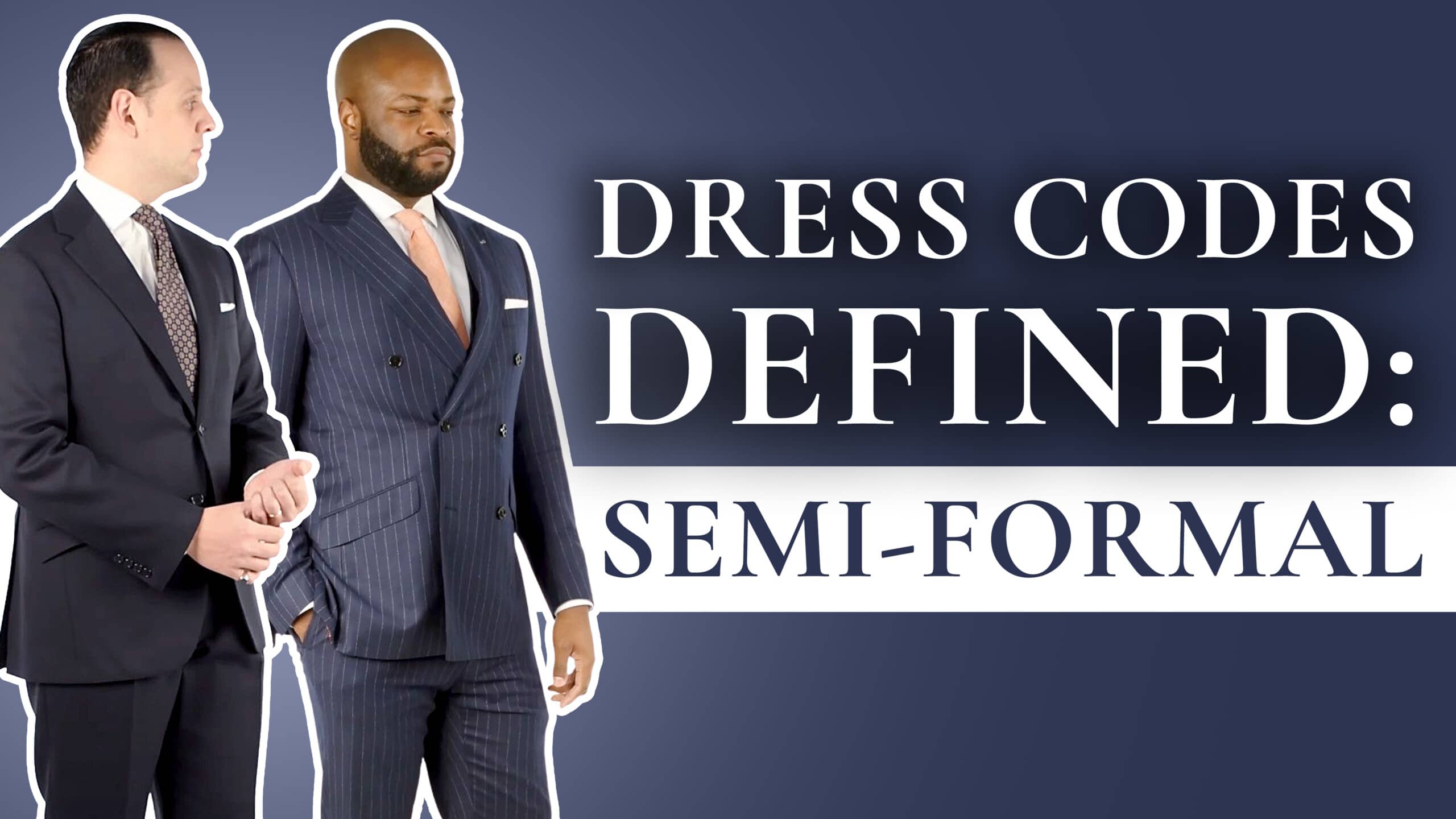
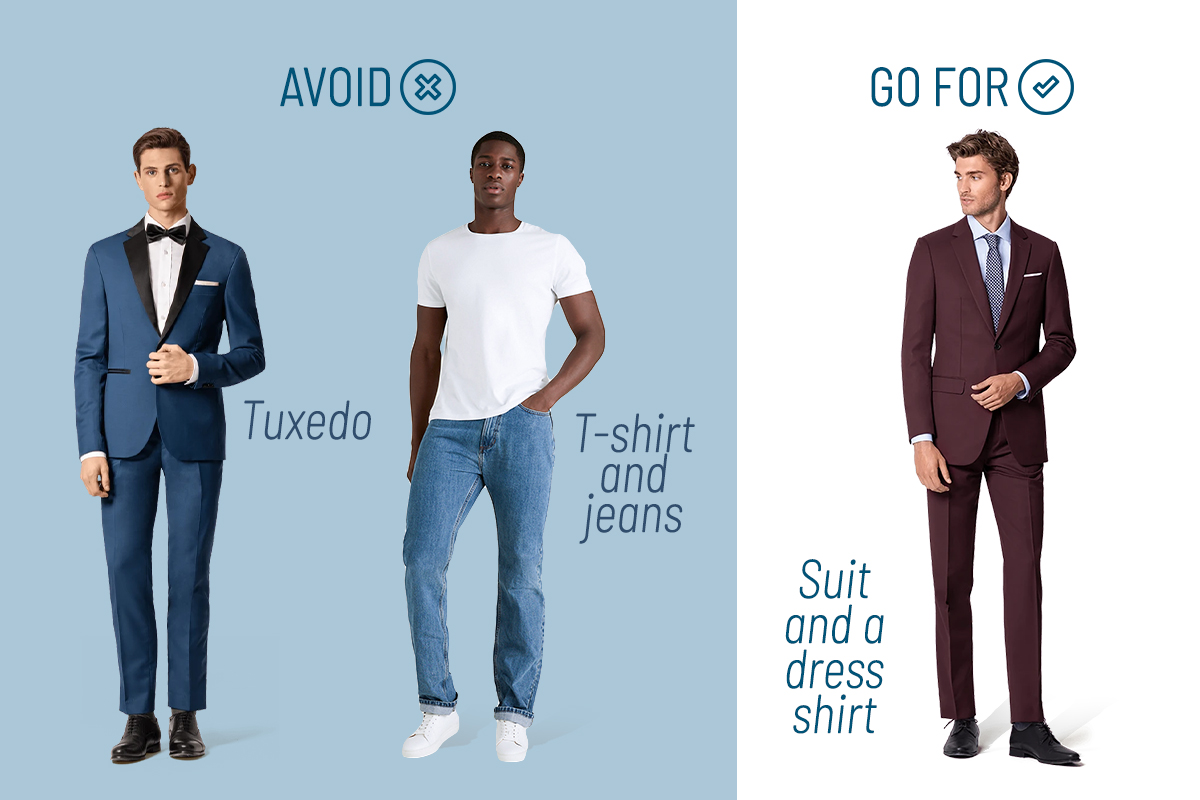
For men, semi-formal attire typically translates to a suit or a well-tailored blazer and trousers combination. The traditional interpretation often leans towards darker colors, such as navy, charcoal grey, or black, for suits. However, contemporary interpretations allow for more flexibility. A well-fitted suit is the cornerstone. It should be clean, pressed, and free of any signs of wear and tear. The shirt should be a crisp dress shirt, usually in a solid color like white, light blue, or a subtle pastel. While ties are generally expected, they don’t necessarily need to be overly ornate or loud. A conservative silk tie, perhaps with a subtle pattern or in a complementary color to the suit, is a safe and stylish choice.
Beyond the suit and tie, the choice of footwear is equally important. Polished leather dress shoes, such as Oxfords, Derbies, or loafers, are the standard. The color of the shoes should complement the suit – black shoes with black or grey suits, and brown shoes with navy or brown suits. Socks should also be chosen carefully, ideally matching the color of the trousers or shoes to create a seamless visual line. Accessories, while understated, can elevate the entire look. A classic watch, a tasteful pocket square, and perhaps a sophisticated belt can all contribute to a refined appearance. The overall aim is to present a polished, professional, and subtly sophisticated image that conveys confidence and attention to detail.
The Suit: A Foundation of Sophistication
The suit remains the most definitive element of men’s semi-formal attire. While a full three-piece suit (jacket, trousers, and waistcoat) can certainly be appropriate, a well-cut two-piece suit is perfectly acceptable. The fabric is also a consideration; wool or a wool blend is often preferred for its drape and texture. The fit is paramount. A suit that is too tight or too loose will detract from the overall impression. Shoulders should sit correctly, sleeves should end at the wrist bone, and trousers should have a clean break over the shoes. The lapels of the jacket should be proportionate to the wearer’s build.
The Shirt and Tie: Subtle Yet Significant Details
The dress shirt is the canvas upon which the rest of the outfit is built. A collared dress shirt, preferably made of cotton, is essential. While white and light blue are classic choices, other muted colors or subtle patterns can work, depending on the overall ensemble and the specific event. The tie, while often expected, can be a point of personal expression within the semi-formal framework. It should be made of a quality material like silk and should complement, rather than clash with, the suit and shirt. A tie that is too wide or too narrow for the lapel width can disrupt the visual harmony. Learning how to tie a neat and appropriate knot, such as a Four-in-Hand or a Half Windsor, is also a crucial skill.
Footwear and Accessories: The Finishing Touches

The shoes are often the most overlooked aspect of an outfit, yet they can make or break a semi-formal look. They must be clean, polished, and in good condition. The style should be classic and refined. Beyond shoes, thoughtful accessories can significantly enhance the overall presentation. A leather belt that matches the shoes is a simple but effective detail. A pocket square, whether silk or linen, can add a splash of color or texture. The key is to keep accessories understated; they should complement, not dominate, the outfit. A well-chosen watch, with a leather strap or a metallic band, is another excellent addition.
For Women: Embracing Elegance and Versatility
For women, semi-formal attire offers an even broader canvas for stylish expression, though it still requires careful consideration. The general rule of thumb is to dress elegantly and appropriately for the occasion without resorting to evening gowns. A knee-length or midi-length dress is a classic semi-formal choice. This could be a sophisticated sheath dress, an A-line dress, or a stylish wrap dress. The fabric and embellishments should be of good quality; think silks, crepes, or fine knits, rather than casual cottons or jerseys.
Alternatively, a skirt and top combination can also be perfectly suitable. A pencil skirt or an A-line skirt paired with a dressy blouse or a fine-knit sweater can create a chic and appropriate ensemble. Trousers can also be a part of a semi-formal look, provided they are tailored and made of a luxurious fabric. A well-cut pair of wide-leg trousers or elegant cigarette pants paired with a sophisticated top can be incredibly stylish. The key is the fabric, the fit, and the overall polish of the outfit. Jewelry and accessories play a significant role in elevating these looks. Statement necklaces, elegant earrings, stylish bracelets, and well-chosen handbags can all contribute to a polished and sophisticated appearance.
Dresses: The Epitome of Refined Style
Dresses are often the go-to for women attending semi-formal events. The length is crucial: typically falling to the knee, just below the knee, or to mid-calf. Cocktail dresses are a perfect example of semi-formal attire. They are designed to be elegant and stylish, suitable for evening events or more upscale daytime gatherings. The choice of fabric and embellishments should reflect the formality of the occasion. A dress with delicate lace detailing, subtle sequins, or a rich, flowing fabric can be an excellent choice. Avoid overly casual fabrics like denim or jersey, and steer clear of floor-length gowns unless specifically requested.
Separates: The Art of Sophisticated Combination
For those who prefer not to wear a dress, combining separates can be an equally effective way to achieve a semi-formal look. A well-tailored skirt, whether a pencil skirt, A-line, or pleated style, paired with an elegant blouse is a classic choice. The blouse should be made of a refined fabric like silk, satin, or a delicate chiffon, and can feature interesting details such as ruffles, bows, or elegant draping. Alternatively, a sophisticated sweater in a fine knit can be paired with a skirt for a slightly more relaxed yet still polished feel. Tailored trousers, in a luxurious fabric and a flattering cut, can also be a part of a semi-formal ensemble when paired with a dressy top or blouse.
Footwear and Accessories: The Elevating Elements
Accessories are where women can truly express their personal style within the semi-formal dress code. Shoes should be elegant and polished. Heels are common, ranging from classic pumps to strappy sandals, but elegant flats or dressy loafers can also be appropriate. The key is that they look intentional and complement the outfit. Jewelry can range from delicate and understated to more statement pieces, depending on the overall look and the nature of the event. A clutch or a small, elegant handbag is typically preferred over a large tote or casual purse. Scarves or wraps can also add a touch of sophistication and warmth.
Occasions and Context: Understanding the Unspoken Rules
The true meaning of semi-formal attire is deeply intertwined with the context of the event. While the guidelines provide a framework, the specific nature of the gathering will influence the precise interpretation. A semi-formal wedding might call for a slightly more dressed-up approach than a semi-formal business dinner. Similarly, the time of day and the season can also play a role. Daytime events often lean towards lighter colors and fabrics, while evening events might invite richer hues and more luxurious textures. It’s always advisable to consider the host’s intentions and the overall atmosphere they are trying to create. If in doubt, erring on the side of slightly more formal is generally safer than being underdressed. Observing what others are wearing, if possible, can also provide valuable insight. Ultimately, semi-formal attire is about striking a balance between elegance, comfort, and appropriateness, ensuring that one looks and feels their best while respecting the occasion.
aViewFromTheCave is a participant in the Amazon Services LLC Associates Program, an affiliate advertising program designed to provide a means for sites to earn advertising fees by advertising and linking to Amazon.com. Amazon, the Amazon logo, AmazonSupply, and the AmazonSupply logo are trademarks of Amazon.com, Inc. or its affiliates. As an Amazon Associate we earn affiliate commissions from qualifying purchases.