
In the world of publishing, the medium is often just as important as the message. When we ask, “What does mass market paperback mean?” we are not merely asking about the dimensions of a book or the quality of its paper. From a brand strategy perspective, the mass market paperback represents one of the most successful product tiering strategies in modern history. It is a masterclass in market segmentation, price positioning, and brand accessibility.
While a hardcover book might be viewed as a luxury good or a “prestige” brand asset, the mass market paperback is the “utility” version of the same intellectual property. It is designed for high-volume consumption, wide-reaching distribution, and maximum brand penetration. To understand this format is to understand how brands adapt their physical identity to meet the needs of different consumer demographics.

Defining the Mass Market Brand: Accessibility and Scale
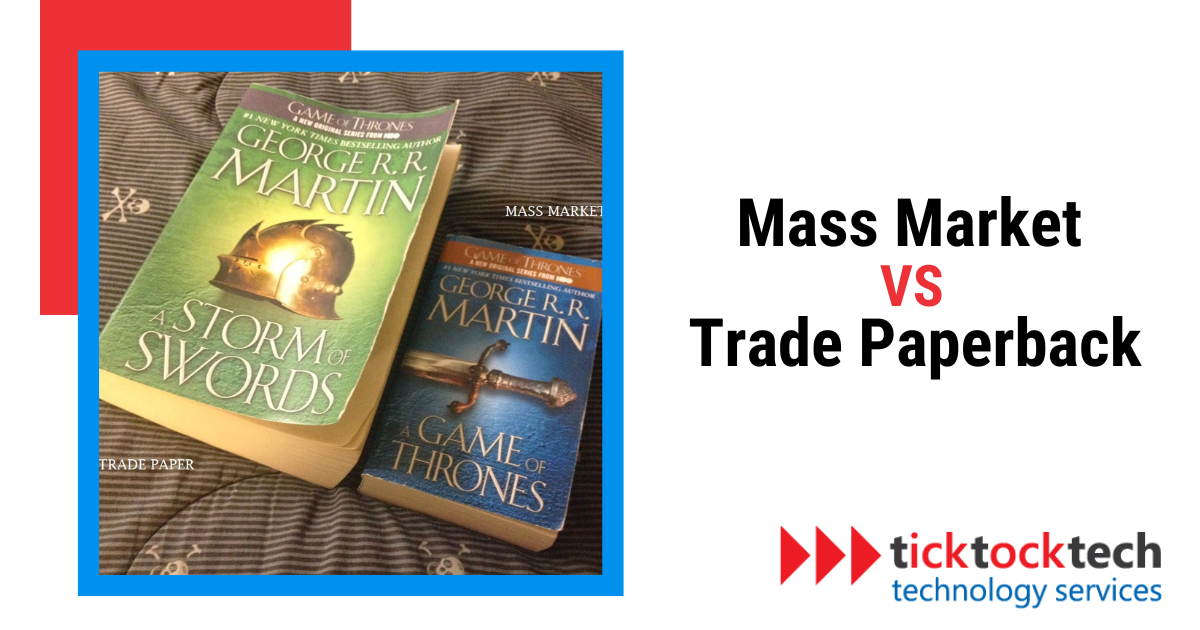
At its core, the mass market paperback is defined by its physical limitations, which serve a specific brand purpose. These books are typically smaller (approximately 4.25 by 7 inches), printed on lower-quality newsprint, and bound with glue that is designed for efficiency rather than archival longevity. However, within the niche of brand strategy, these are not “flaws”—they are strategic choices.
The Visual Identity of the “Pocket” Edition
The visual identity of a mass market paperback is built around the concept of portability. For decades, this format was synonymous with “Pocket Books.” The branding communicates a specific message to the consumer: This story can go anywhere you go. Unlike the bulky, heavy hardcover that demands a dedicated reading space, the mass market paperback is a brand of convenience. Its cover art is often louder and more visceral, designed to catch the eye of a distracted traveler in a crowded airport or a busy grocery store aisle. This “loud” branding is a necessity for products competing in high-traffic, non-traditional retail environments.
Positioning: Why Mass Market Isn’t “Low Quality”
In branding, there is a significant difference between “low quality” and “accessible.” A mass market paperback is an exercise in democratic branding. By stripping away the expensive cloth bindings and acid-free paper of the trade editions, publishers can lower the barrier to entry. This allows the author’s personal brand to reach the widest possible audience. In this context, the mass market format functions as a “loss leader” or a high-volume entry point that builds the “fandom” brand, which can later be monetized through more expensive editions or secondary media like film and television.
The Product Lifecycle: From Premium Hardcover to Mass Market Utility
Effective brand management often involves “windowing”—the practice of releasing a product in different formats at different price points over time. The mass market paperback plays a crucial role in the final stage of a book’s initial lifecycle, ensuring that the brand captures the “long tail” of the market.
Segmenting the Audience Through Format
When a major novel is first released, it usually arrives in hardcover. This is the “premium” brand experience, targeted at “early adopters” and “super-fans” who are willing to pay a premium price to be the first to own the product. After the initial buzz subsides, the “Trade Paperback” (a larger, higher-quality softcover) is often released to capture the middle-market consumers.
The mass market paperback is the final tier. It targets the “price-sensitive” consumer and the “casual browser.” By delaying the release of this cheaper format, publishers protect the brand’s perceived value during its peak popularity while ensuring that they don’t leave money on the table when the hype shifts to the mainstream.
The Role of Price in Brand Perception
Price is one of the strongest signals in brand strategy. A $30 hardcover signals “importance” and “intellectual investment.” A $7.99 mass market paperback signals “entertainment” and “disposability.” This shift in pricing changes the consumer’s psychological relationship with the product. When a book is priced as a mass market paperback, the consumer feels less “guilt” about damaging it or leaving it behind on a train. This disposability is a key brand attribute of the format—it encourages high-frequency consumption and rapid “churn,” which is essential for genres like romance, thriller, and sci-fi.
Distribution Strategy: Making the Brand Ubiquitous
One of the most defining characteristics of the mass market paperback is where it is sold. In brand strategy, distribution is often the difference between a niche product and a household name. The mass market paperback was engineered to exist outside the traditional “high-culture” ecosystem of independent bookstores.
Beyond the Bookstore: Grocery Stores and Airports
While trade paperbacks are primarily sold in dedicated bookstores, mass market paperbacks are designed for “non-traditional” retail channels. You will find them in wire racks at gas stations, in the checkout aisles of supermarkets, and in the “Best Sellers” kiosks at transit hubs. This distribution strategy is known as “ubiquity branding.” The goal is to make the product available at the exact moment the consumer feels the “need” for entertainment, regardless of whether they intended to go “book shopping.”
High-Churn Environments and Brand Loyalty
Because mass market paperbacks are sold in high-traffic areas, they rely heavily on genre branding. Consumers in an airport are often looking for a specific type of experience rather than a specific author. This is why mass market branding often emphasizes the genre (e.g., the “thriller” aesthetic) over the individual title. Over time, this builds brand loyalty toward a specific imprint or a prolific author who consistently delivers that “mass market” experience. The consistency of the format—knowing exactly how much the book weighs and how it feels in the hand—creates a sense of brand trust and reliability for the “heavy user” of genre fiction.
The Future of the Mass Market Format in a Digital Brand Landscape
As digital transformation reshapes the publishing industry, the “brand” of the mass market paperback is facing its greatest challenge. With the rise of e-books and digital audio, the traditional advantages of the mass market format—price and portability—are being disrupted.
Digital vs. Physical: The Branding of Convenience
For decades, the mass market paperback was the ultimate “mobile” reading device. Today, that brand space is occupied by the Kindle and the smartphone. In terms of brand strategy, the “Mass Market” niche is being split. The “convenience” seekers are moving to digital formats, where they can download a book instantly for a low price. This has forced the physical mass market paperback to evolve. We are seeing a shift where even “cheap” books are being branded with more care to justify their physical existence in a digital-first world.
Collectability and the Shift to “Special Editions”
Interestingly, as the mass market format declines in volume, we are seeing a “premiumization” of the paperback brand. Publishers are increasingly using “Trade Paperbacks” with high-quality finishes (like sprayed edges or foil stamping) because consumers who still buy physical books are looking for a “branded object” to display on a shelf, rather than a disposable piece of newsprint. The mass market paperback, once the king of the high-volume market, is now a nostalgic brand for some and a budget-critical necessity for others.

Conclusion: The Enduring Brand of the “Everyman” Book
What does mass market paperback mean? In the context of brand strategy, it means the democratization of information and storytelling. It is a format that prioritizes the “reach” of the brand over the “prestige” of the object. It is a reminder that a successful brand must be able to adapt its physical form to meet the economic and logistical needs of its audience.
While the rise of digital tools has changed the way we consume stories, the strategic principles behind the mass market paperback remain as relevant as ever. Whether it is a low-cost subscription tier for a software service or a budget-friendly line of consumer goods, the “mass market” philosophy—built on accessibility, strategic pricing, and ubiquitous distribution—remains a cornerstone of global brand strategy. The mass market paperback isn’t just a book; it’s a blueprint for how a brand can become a part of the everyday lives of millions.
aViewFromTheCave is a participant in the Amazon Services LLC Associates Program, an affiliate advertising program designed to provide a means for sites to earn advertising fees by advertising and linking to Amazon.com. Amazon, the Amazon logo, AmazonSupply, and the AmazonSupply logo are trademarks of Amazon.com, Inc. or its affiliates. As an Amazon Associate we earn affiliate commissions from qualifying purchases.