
The ubiquitous “No Caller ID” or “Unknown Caller” notification on our phone screens has become a familiar, and often unwelcome, sight. It sparks curiosity, apprehension, and a general sense of unease. What does this seemingly simple message truly signify? Is it a technical glitch, a deliberate privacy measure, or something more nefarious? Delving into the technological underpinnings and common uses of “No Caller ID” reveals a complex interplay of privacy, security, and communication protocols.
The Technical Underpinnings of “No Caller ID”
At its core, the “No Caller ID” designation stems from how telecommunication networks transmit caller information. When a call is made, various pieces of data are sent along with the voice signal, including the originating phone number. This system, known as Calling Line Identification (CLID), is designed to allow recipients to know who is contacting them. However, there are specific mechanisms and circumstances under which this information can be suppressed or intentionally withheld, leading to the “No Caller ID” display.
The Role of the Public Switched Telephone Network (PSTN)
The Public Switched Telephone Network (PSTN) is the traditional global network of telephone lines, fiber-optic cables, and related equipment that forms the backbone of most telephone communication. When a call is initiated from a traditional landline or a mobile phone using certain network configurations, the originating carrier is responsible for sending the caller ID information to the terminating carrier. This information, typically the phone number, is then passed to the recipient’s device for display.
However, the PSTN is not a monolithic entity. It’s a complex web of interconnected systems, and the seamless transmission of caller ID depends on several factors. Network congestion, the type of telephone service used (e.g., some VoIP providers might have different CLID handling), and even the specific routing of a call can sometimes lead to missing caller ID information, although this is less common for standard calls.
Signaling System No. 7 (SS7) and Caller ID Transmission
The technology that enables CLID transmission is largely governed by Signaling System No. 7 (SS7). SS7 is a set of telephony signaling protocols used to set up and manage telephone calls, as well as other services, across the global PSTN. When a call is placed, SS7 protocols are used to exchange information between telephone switches, including the caller’s number.
For CLID to be displayed, the originating switch needs to query a database for the caller’s number and then transmit this information to the destination switch via SS7 messages. If the originating switch cannot access this information, or if the network between the switches is configured not to pass it, the “No Caller ID” message will be sent. This can happen for several reasons, including legitimate privacy settings or specific technical configurations.
Mobile Network Capabilities and Caller ID Blocking
Mobile networks, while increasingly relying on IP-based technologies, still interface with the PSTN and have their own CLID management systems. Most mobile carriers offer subscribers the option to block their caller ID on a per-call basis or as a permanent setting. This is typically achieved through specific dialing codes entered before the number, or through settings within the phone’s call interface. When a user opts to block their caller ID, their mobile carrier instructs the network not to transmit the number, resulting in the “No Caller ID” display on the recipient’s phone. This feature is crucial for individuals who value their privacy and wish to make calls without revealing their number.
Legitimate Reasons for “No Caller ID”
While the mystique of “No Caller ID” can breed suspicion, it’s important to acknowledge the legitimate and commonplace reasons why a call might appear with a blocked number. These reasons often revolve around privacy, security, and specific business practices.
Personal Privacy and Confidentiality
For individuals, blocking caller ID is a fundamental tool for maintaining personal privacy. Whether it’s a doctor calling a patient, a lawyer speaking with a client, or simply someone who doesn’t want to share their personal number, blocking caller ID allows for discreet communication. In situations where the caller wants to ensure their number isn’t added to contact lists or isn’t easily traceable, this feature is invaluable. It provides a layer of control over personal information, empowering individuals to decide who sees their contact details.
Business and Professional Communications
Many businesses and professionals utilize caller ID blocking for legitimate operational reasons. For example:
- Customer Service and Support: Call centers often mask outgoing caller ID to prevent customers from directly contacting individual agents, ensuring that calls are managed through the central system. This also prevents customers from calling agents outside of business hours or from different departments.
- Sales and Telemarketing: While often viewed negatively, legitimate sales and telemarketing efforts may use blocked numbers to avoid being inundated with return calls from prospects who are not interested. It’s a strategy to manage outbound communication flow.
- Field Service and Repair Technicians: Technicians making house calls may block their numbers to protect their personal privacy and prevent unsolicited contact from customers outside of their scheduled service windows.
- Law Enforcement and Investigations: In certain law enforcement scenarios, investigators may use temporary burner phones or employ caller ID blocking to conduct surveillance or gather information without revealing their identity or department. This is a critical tool for operational security.
Emergency Services and Anonymity
In specific, though less common, circumstances, emergency services or individuals making emergency calls might utilize systems that obscure their identity. While most 911 calls transmit location data and often caller ID, there can be exceptions or specific protocols in place for certain types of emergency response where anonymity is a temporary requirement. This is typically managed by the emergency dispatch systems themselves, rather than the individual caller.
Potential Risks and Misuse of “No Caller ID”
Despite its legitimate uses, the anonymity afforded by “No Caller ID” also presents a fertile ground for malicious activities. The inability to identify the caller opens the door to various forms of fraud, harassment, and deception. Understanding these risks is crucial for protecting oneself from potential harm.
Scams and Fraudulent Calls
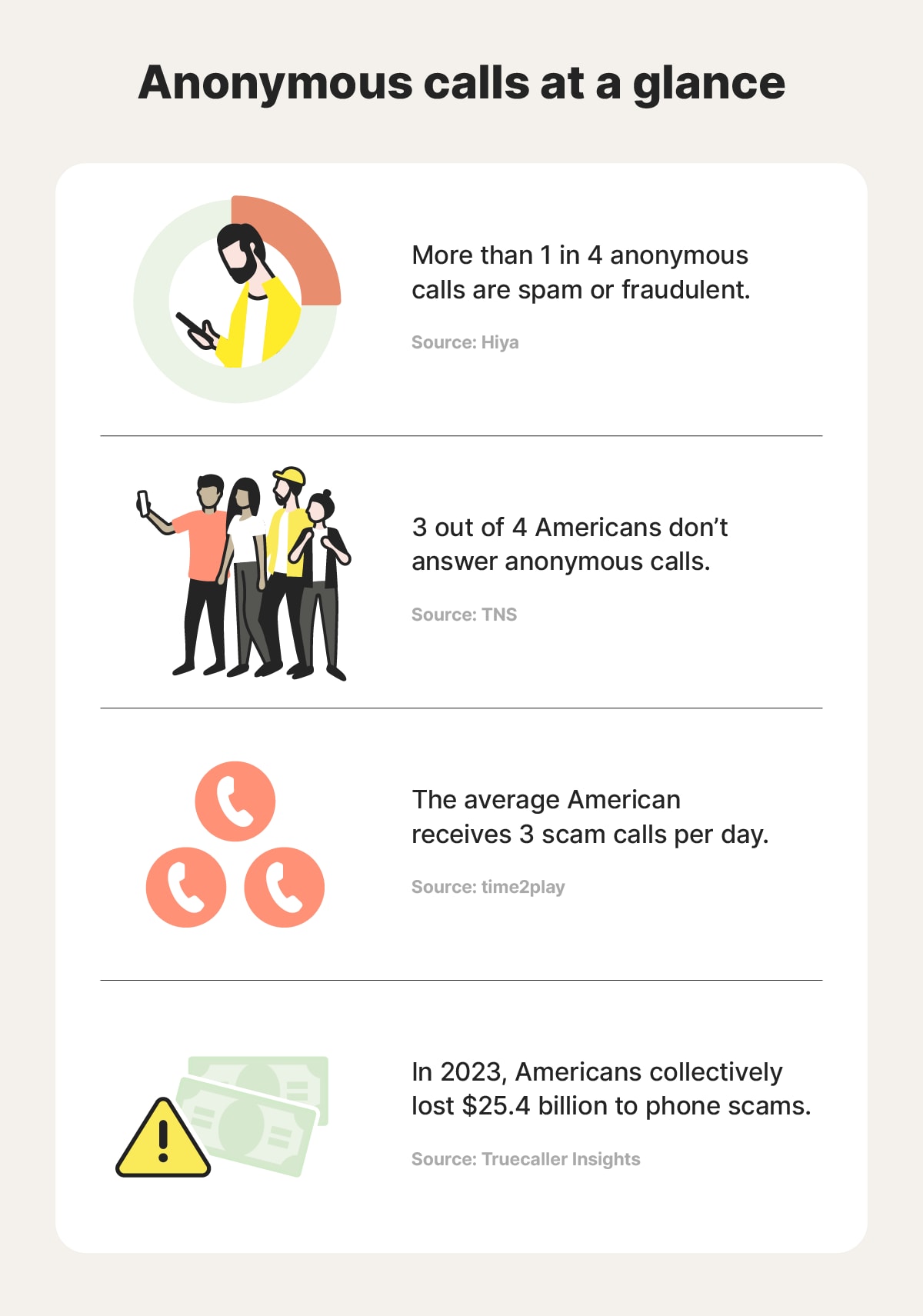
Scammers frequently leverage “No Caller ID” to prey on unsuspecting individuals. The lack of identifiable information makes it harder to trace the origin of the call and increases the likelihood of the recipient answering, as they might be curious or less wary of an unknown number. Common scams include:
- Phishing and Social Engineering: Calls pretending to be from legitimate organizations (banks, government agencies, tech support) ask for personal information like social security numbers, credit card details, or login credentials. The anonymity makes these impersonations more convincing.
- Impersonation Scams: Scammers might impersonate law enforcement, utility companies, or even family members in distress, demanding immediate payment or action to avoid dire consequences.
- Tech Support Scams: Calls claiming your computer is infected and offering to fix it for a fee, often leading to malware installation or theft of financial data.
- Lottery and Prize Scams: Promises of winning large sums of money, contingent on an upfront payment for “processing fees” or “taxes.”
The “No Caller ID” feature provides scammers with the confidence to operate with a lower risk of immediate identification and apprehension.
Harassment and Stalking
The ability to make anonymous calls can also be exploited for harassment and stalking. Individuals intent on causing distress or fear can use blocked numbers to make repeated unwanted calls, threats, or simply to intimidate the recipient without revealing their identity. This form of abuse can have a significant psychological impact on the victim, creating a constant sense of unease and vulnerability. Without caller ID, it becomes challenging for the victim to report the harassment effectively or to identify the perpetrator.
Spoofing and Deception
It’s important to note that “No Caller ID” is not the only method of obscuring a caller’s identity. Call spoofing is a technique where a caller deliberately falsifies the information transmitted to the recipient’s caller ID display. This can involve making a call appear to originate from a local number, a familiar business, or even a government agency, irrespective of the actual origin. While “No Caller ID” simply withholds the number, spoofing actively misrepresents it. Scammers often combine spoofing with deliberate blocking to create a more deceptive caller experience.
Strategies for Managing “No Caller ID” Calls
Given the dual nature of “No Caller ID” – its legitimate uses and potential for abuse – a balanced approach to managing these calls is essential. This involves understanding when to engage, when to disengage, and employing available technological tools to enhance security and privacy.
When to Answer and When to Ignore
The decision to answer a “No Caller ID” call often depends on the context and individual comfort level. Generally, it is advisable to exercise caution. If you are expecting a call from a service provider or a professional who might have privacy concerns, you might choose to answer. However, for unsolicited calls, a general rule of thumb is to let them go to voicemail. Legitimate callers will usually leave a message with their contact information.
- Listen to Voicemail: This is often the safest approach. If it’s an important call, the caller will leave a message detailing the purpose of their call and a verifiable way to contact them back.
- Be Wary of Urgency: Scammers often create a sense of urgency to pressure you into acting without thinking. If a call demands immediate action or payment, it’s a major red flag.
- Never Give Out Personal Information: Do not provide sensitive data such as your social security number, bank account details, or passwords to an unknown caller.
- Verify Independently: If a call claims to be from a known organization, hang up and find the official contact number for that organization through their website or a trusted source, and call them directly to verify the information.

Utilizing Phone Features and Apps
Modern smartphones and telecommunication services offer a range of features and third-party applications that can help manage and filter unwanted calls, including those with “No Caller ID.”
- Call Blocking: Most smartphones allow you to block specific numbers. While this is less effective for “No Caller ID” as it changes with each call, some systems allow blocking of “unknown” or “private” numbers.
- Spam Call Filters: Many operating systems have built-in spam detection and blocking capabilities. These filters can identify and flag or block calls from known spam numbers, and sometimes even identify patterns associated with “No Caller ID” scams.
- Third-Party Call Blocking Apps: Numerous apps are available that maintain extensive databases of spam and robocall numbers. These apps can provide real-time identification of suspected unwanted callers, even if their number is blocked, and can automatically block them. Examples include Truecaller, Nomorobo, and Hiya.
- Carrier Services: Some mobile carriers offer their own call screening or spam blocking services, often as an add-on or a feature within their network.
By understanding the technology behind “No Caller ID,” its legitimate uses, and the potential risks involved, individuals can navigate this aspect of modern communication with greater awareness and security, ensuring that their privacy is protected while remaining open to essential communications.
aViewFromTheCave is a participant in the Amazon Services LLC Associates Program, an affiliate advertising program designed to provide a means for sites to earn advertising fees by advertising and linking to Amazon.com. Amazon, the Amazon logo, AmazonSupply, and the AmazonSupply logo are trademarks of Amazon.com, Inc. or its affiliates. As an Amazon Associate we earn affiliate commissions from qualifying purchases.