
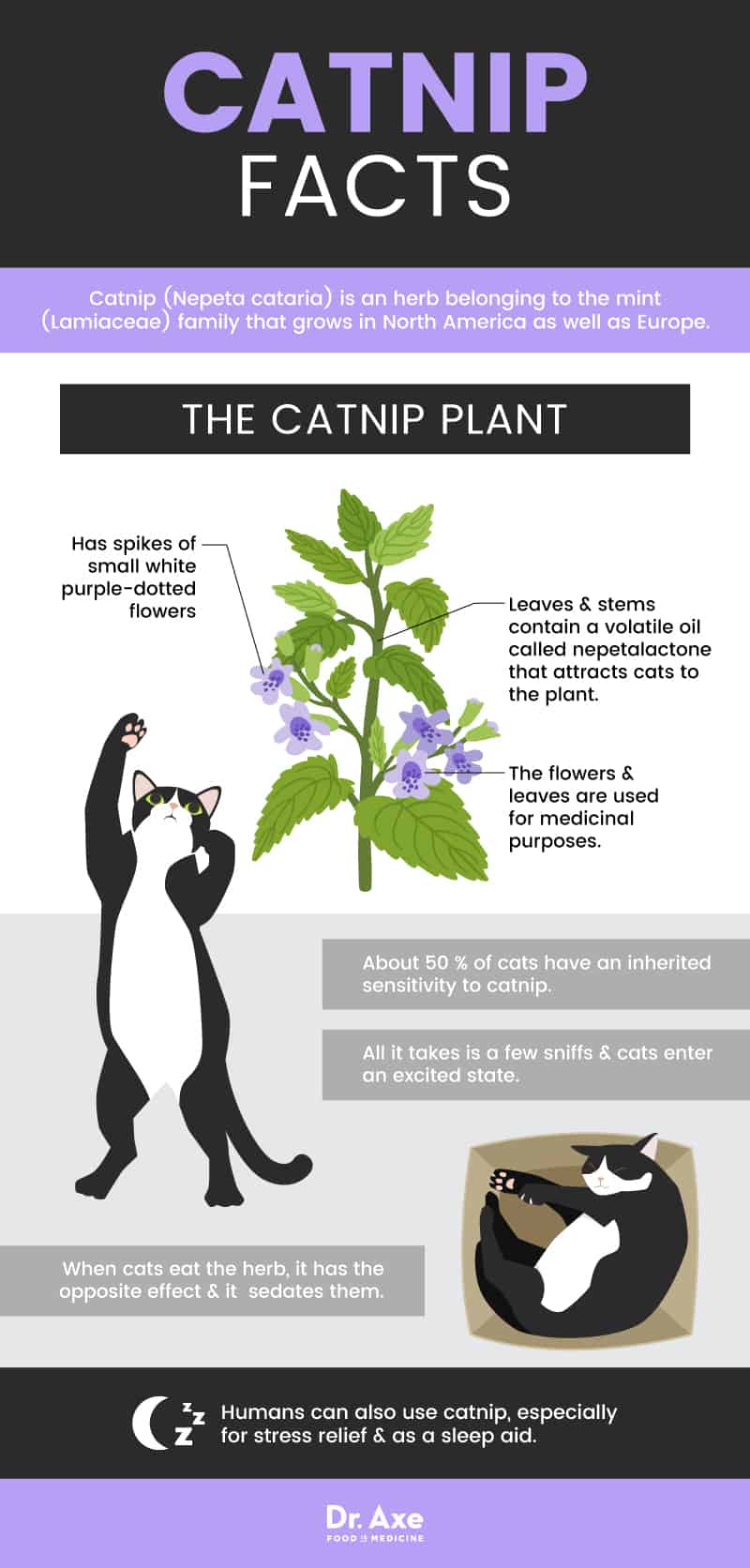
While the image of cats rolling ecstatically in a patch of catnip is universally recognized, the question of what this potent herb, Nepeta cataria, does to humans remains a subject of intrigue and scientific investigation. Far from being a mere feline aphrodisiac or a simple recreational plant, catnip contains a volatile organic compound, nepetalactone, that interacts with human physiology in ways that are less dramatic than its effects on cats, but nonetheless scientifically significant. This article delves into the research surrounding nepetalactone and its potential impacts on human well-being, exploring its historical uses, the biochemical pathways involved, and the emerging applications that leverage its unique properties.
The Biochemical Blueprint: Understanding Nepetalactone’s Mechanism of Action
The efficacy of catnip, both for felines and potentially for humans, lies in its primary active compound: nepetalactone. This monoterpene is a bicyclic structure, meaning it contains two fused rings, and it is the specific stereoisomers of nepetalactone that appear to influence its biological activity. In cats, nepetalactone is believed to mimic pheromones, binding to olfactory receptors in their nasal tissues, triggering a euphoric response. The scientific understanding of this interaction has been greatly advanced through analytical chemistry techniques, such as gas chromatography-mass spectrometry (GC-MS), which allows researchers to identify and quantify the different isomers of nepetalactone present in the plant. This advanced analytical instrumentation is crucial in understanding the precise chemical makeup of catnip extracts and correlating specific compounds with observed effects.
The Olfactory Connection: Beyond the Feline Senses
While the direct pheromone mimicry observed in cats is not directly replicated in humans, the human olfactory system still possesses the capacity to detect and respond to nepetalactone. Research suggests that humans can perceive the scent of catnip, albeit without the characteristic feline frenzy. The molecular structure of nepetalactone is key here. Its lipophilicity (affinity for fats) allows it to easily interact with the lipid bilayers of olfactory neuron membranes. When nepetalactone molecules bind to specific olfactory receptors in the human nasal cavity, they initiate a signaling cascade that is transmitted to the brain. However, the density and types of olfactory receptors, as well as the downstream neurological pathways, differ significantly between species. This means that while the initial binding event might occur, the subsequent interpretation and behavioral outcome are vastly different.
Pharmacological Pathways: Exploring Human Receptor Interactions
Beyond olfaction, emerging research has begun to explore whether nepetalactone might interact with other biological targets within the human body. While not as extensively studied as its feline counterparts, some pharmacological investigations have hinted at potential interactions with systems that regulate mood and pain perception. These studies often employ in vitro assays and computational modeling to predict how nepetalactone might bind to human receptors. For instance, some preliminary research has explored its potential interaction with cannabinoid receptors, the same receptors targeted by THC in cannabis. While these findings are far from conclusive and require extensive further validation, they highlight the potential for nepetalactone to exert subtle, non-psychoactive effects on human physiology. The application of bioinformatics tools plays a vital role in these early stages of drug discovery and understanding, helping researchers to predict potential receptor targets based on molecular structure.
Historical and Contemporary Human Applications of Catnip
Despite its renown for feline fascination, catnip has a long history of use in traditional human medicine, often for purposes unrelated to its effect on cats. This historical usage provides a rich context for understanding contemporary scientific inquiry. Early civilizations recognized catnip’s medicinal properties, employing it for a variety of ailments. The understanding of these traditional uses has been aided by ethnopharmacological research, which documents the medicinal knowledge of indigenous cultures.
Traditional Remedies: A Legacy of Herbalism
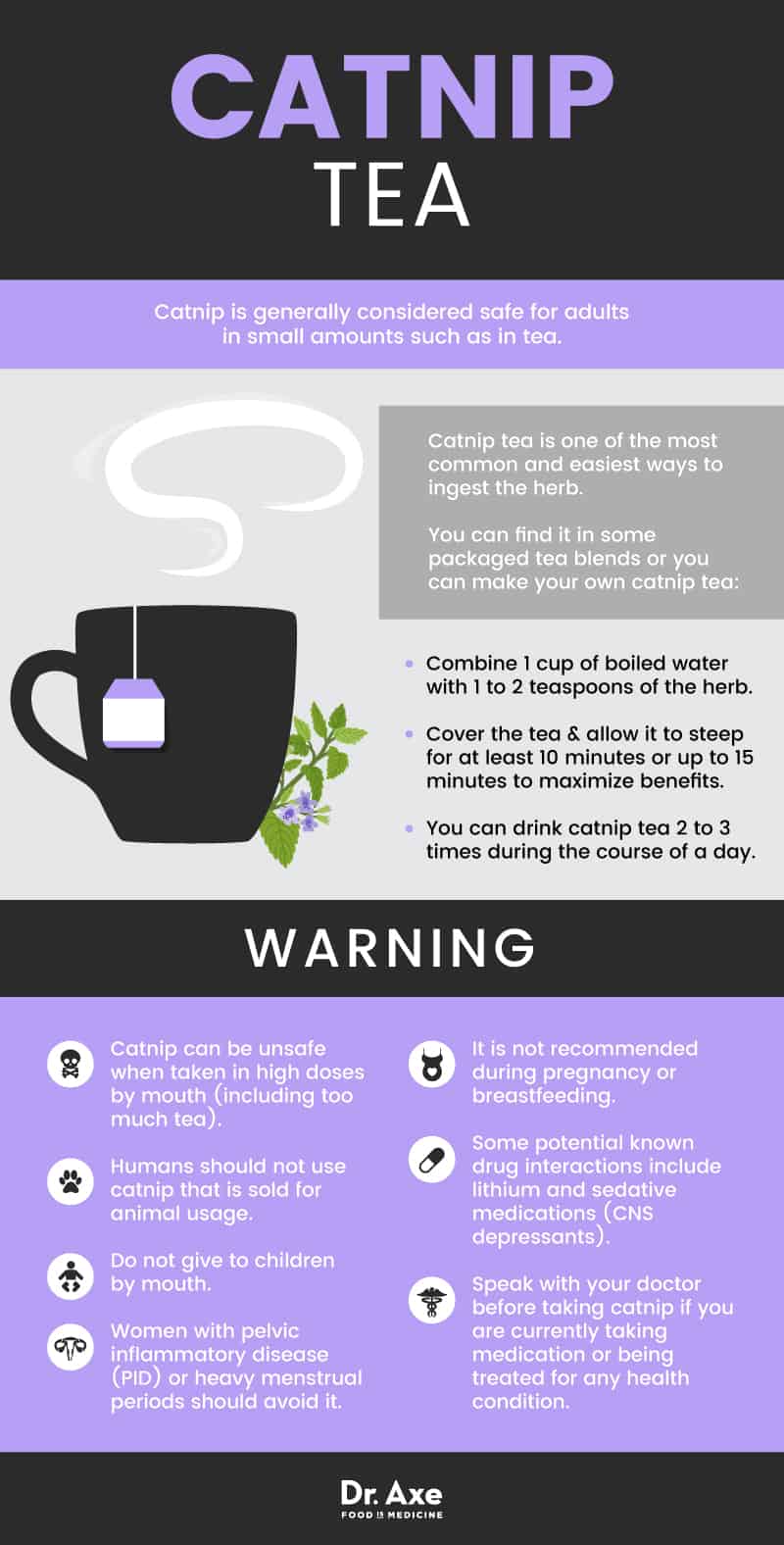
Historically, catnip was brewed into teas and tinctures for its perceived calming and digestive properties. It was commonly used as a mild sedative, to alleviate anxiety, and to treat gastrointestinal issues such as indigestion, gas, and cramps. This traditional application suggests that nepetalactone, or other compounds within the catnip plant, may possess bioactive compounds that interact with the human digestive and nervous systems. The development of herbal extraction techniques has allowed for the isolation and study of these compounds, moving beyond the traditional preparation of whole plant infusions. Modern scientific analysis can now pinpoint the specific chemical constituents responsible for these historical effects, moving from anecdotal evidence to evidence-based understanding.
Emerging Research and Potential Therapeutic Avenues
In recent years, scientific interest in the human applications of catnip has resurfaced, driven by a deeper understanding of its chemical composition and a growing appreciation for the therapeutic potential of natural compounds. While not a mainstream medical treatment, ongoing research is exploring specific areas where catnip derivatives might offer benefits.
Sleep and Anxiety Support: Leveraging Sedative Properties
The traditional use of catnip as a mild sedative has spurred scientific investigation into its potential to aid sleep and reduce anxiety. While the mechanism is not fully understood, it is theorized that compounds in catnip might interact with neurotransmitter systems in the brain, such as GABA, which plays a crucial role in calming the nervous system. Clinical trials, although still limited in scope, are being designed to objectively measure the effects of catnip extracts on sleep quality and anxiety levels. Data analysis software is essential for processing the results of these trials, identifying statistically significant trends and drawing meaningful conclusions.
Digestive Health: A Natural Approach to Gut Discomfort
The historical use of catnip for digestive ailments also continues to be an area of interest. Studies are exploring its potential as an antispasmodic and carminative agent, helping to relieve bloating and stomach cramps. This research involves biochemical assays to understand how nepetalactone and other constituents affect smooth muscle contractions in the digestive tract. The application of precision medicine principles, tailoring natural remedies based on individual biochemical profiles, could also be a future direction for understanding these effects.
Insect Repellent Properties: A Practical Application of Nepetalactone
Perhaps the most scientifically validated and practically applied human use of catnip in recent times is its efficacy as an insect repellent. Studies have shown that nepetalactone is significantly more effective at repelling mosquitoes than DEET, a common chemical repellent. This discovery has led to the development of natural insect repellent products that utilize catnip extracts. This area showcases a direct application of material science and chemical engineering, optimizing the delivery and longevity of nepetalactone as a repellent. The research and development of eco-friendly pest control solutions are a growing area within the tech industry, and catnip’s properties fit perfectly within this trend.
The Future of Catnip Research: Technological Advancements and Uncharted Territories
The exploration of what catnip does to humans is far from over. As scientific technology advances, our ability to unravel the intricate interactions between plant compounds and human physiology continues to expand. The future holds promise for a more nuanced understanding of nepetalactone and its potential benefits, driven by innovative research methodologies and interdisciplinary collaboration.
Advanced Analytical Techniques: Deeper Chemical Profiling
Future research will undoubtedly benefit from even more sophisticated analytical chemistry techniques. Innovations like ultra-high-performance liquid chromatography (UHPLC) and advanced mass spectrometry will allow for even more precise identification and quantification of all bioactive compounds within catnip, including rare isomers and trace elements that may contribute to its effects. This level of detail is crucial for understanding the complex synergistic effects of the plant’s constituents, moving beyond the focus solely on nepetalactone. Automated laboratory equipment will accelerate the pace of discovery, allowing for high-throughput screening of various catnip chemotypes.
Genomic and Proteomic Insights: Understanding Human Response at a Cellular Level
The integration of genomics and proteomics offers a powerful lens through which to examine human responses to catnip. By analyzing gene expression patterns and protein interactions in response to nepetalactone exposure, researchers can gain a deeper understanding of the cellular and molecular mechanisms at play. This could reveal previously unknown biological targets and pathways. Bioinformatics pipelines are essential for managing and interpreting the vast datasets generated by these studies, enabling the identification of biomarkers for catnip’s effects. This computational biology approach is revolutionizing how we study natural products and their impact on human health.

Novel Delivery Systems and Product Development: From Teas to Targeted Therapies
The translation of scientific findings into tangible human benefits hinges on the development of effective delivery systems. While traditional teas are a starting point, future research may focus on creating more targeted and bioavailable formulations of catnip compounds. This could involve nanotechnology, encapsulating active ingredients for improved absorption or controlled release, or exploring synthetic biology approaches to produce specific nepetalactone isomers more efficiently. The design and engineering of novel pharmaceutical delivery platforms will be key to unlocking the full therapeutic potential of catnip.
In conclusion, while catnip is famously associated with feline euphoria, its effects on humans are more subtle, complex, and scientifically intriguing. From its historical medicinal applications to its emerging role in natural repellents and potential sleep aids, the journey of understanding Nepeta cataria in human contexts is deeply intertwined with technological advancements in chemistry, biology, and data science. As research continues, propelled by ever-evolving technological tools, we may uncover even more profound insights into this common herb and its capacity to influence human well-being.
aViewFromTheCave is a participant in the Amazon Services LLC Associates Program, an affiliate advertising program designed to provide a means for sites to earn advertising fees by advertising and linking to Amazon.com. Amazon, the Amazon logo, AmazonSupply, and the AmazonSupply logo are trademarks of Amazon.com, Inc. or its affiliates. As an Amazon Associate we earn affiliate commissions from qualifying purchases.