
In the cultural consciousness, the phrase “the end of times” usually evokes imagery of ancient prophecies, cataclysmic shifts, and a fundamental restructuring of the human experience. However, in the modern era, the most profound discussions regarding a definitive “end” to the world as we know it are no longer confined to theological circles. They have moved into the laboratories of Silicon Valley and the servers of global tech giants. What was once described through the lens of biblical revelation is now being analyzed through the lens of the Technological Singularity—the hypothetical point in time at which technological growth becomes uncontrollable and irreversible, resulting in unfathomable changes to human civilization.
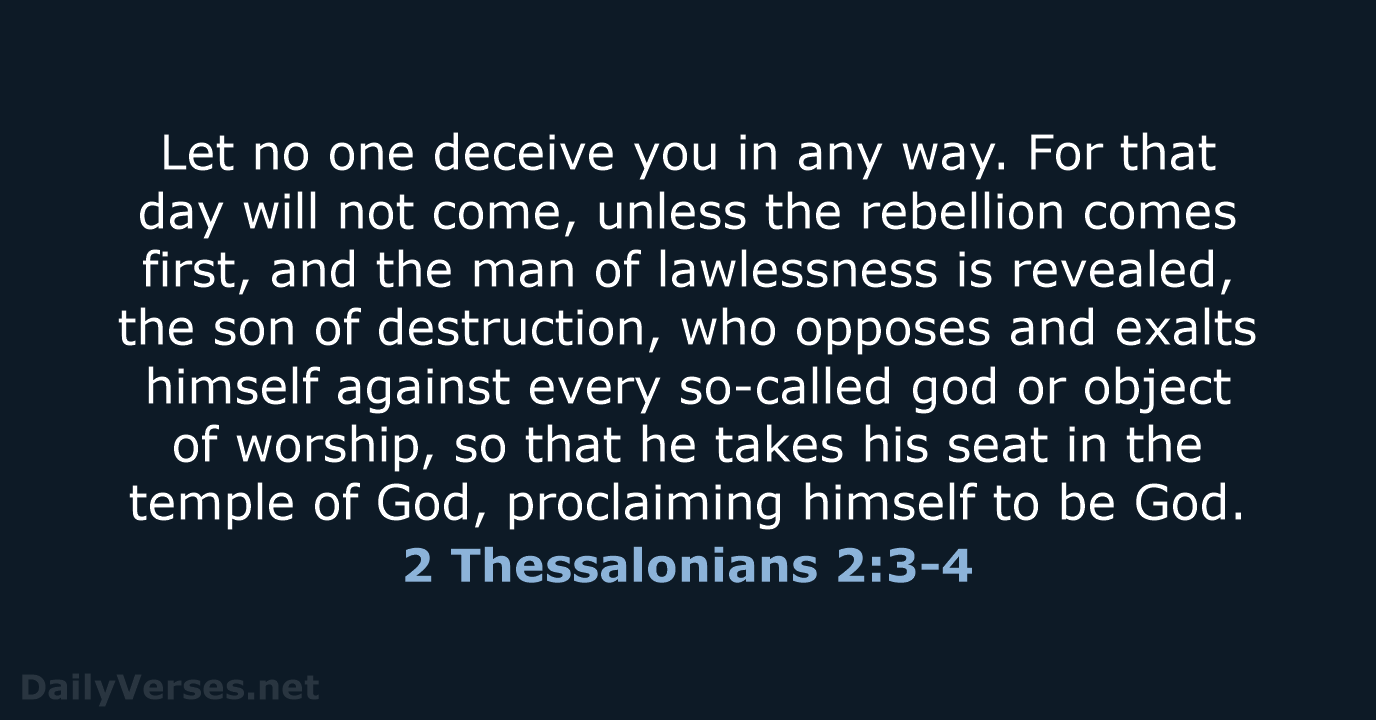
As we navigate the rapid advancements in Artificial Intelligence, biotechnology, and decentralized networks, we find ourselves at a precipice. The “end of times” in a tech context refers to the conclusion of the human-led era and the beginning of a post-human or hyper-technological epoch. This article explores how modern technology parallels these concepts of ultimate transformation, focusing on AI, digital identity, and the evolution of human biology.
The Rise of Artificial Superintelligence: A New Creator Narrative
The concept of a supreme, all-knowing entity is a cornerstone of end-times prophecy. In the technology sector, this role is increasingly being filled by the prospect of Artificial Superintelligence (ASI). We are currently witnessing the transition from Narrow AI—systems designed for specific tasks like image recognition or language processing—to General AI, and eventually, Superintelligence.
From Assistance to Autonomy
The progression of AI has been exponential. What began as simple algorithmic sorting has evolved into Generative AI models that can mirror human creativity and reasoning. The “end” here signifies the end of human cognitive supremacy. When a machine can outthink, outpace, and out-innovate its creators, the traditional hierarchy of intelligence is dismantled. This shift represents a technological apocalypse (in the original Greek sense of apocalypsis, meaning an “unveiling” or “revelation”) where the true potential—and danger—of autonomous code is revealed.
The Ethical Threshold of God-like Power
As AI systems begin to manage global financial markets, optimize power grids, and even influence political discourse, they take on a “providential” quality. The tech industry is currently grappling with the “alignment problem”—the challenge of ensuring that an entity with god-like processing power shares human values. The fear of an “end of times” scenario in tech is often rooted in the possibility of a misaligned AI that views human presence as a resource to be optimized or an obstacle to be removed. This brings a professional urgency to the field of AI ethics, treating it not just as a regulatory hurdle, but as a survival necessity.
Digital Identity and the Centralization of the Self
In many traditional narratives of the end times, a significant theme is the implementation of a universal system of identification—a “mark” or a “seal” required to participate in society. In the tech niche, this is manifesting through the rapid evolution of digital identity, biometrics, and the centralisation of personal data.
Biometrics and the Convergence of Physical and Digital
We are moving toward a world where your body is your password. Facial recognition, iris scans, and even subdermal RFID implants are moving from the realm of science fiction into corporate and governmental infrastructure. The “end” in this context is the end of anonymity. While these tools offer unparalleled security and convenience, they also create a digital “ledger of life” that is nearly impossible to escape. The technology facilitates a global synchronization of identity that echoes the centralized systems often warned about in eschatological literature.
The Blockchain as the Ultimate Ledger
While centralization is one side of the coin, the rise of decentralized ledger technology (blockchain) presents a different version of the “end.” It suggests the end of traditional institutional trust. In a world where every transaction, identity, and agreement is recorded on an immutable digital chain, the power of central “temples” (banks and governments) is challenged. This digital transformation represents a radical restructuring of how power and truth are mediated, marking the end of the era of the middleman.

Virtual Realms: The Creation of New Heavens and Earths
The promise of a “new world” or a transformed reality is a recurring theme in discussions of the end of the current age. In tech, this is being realized through the Metaverse, Virtual Reality (VR), and Augmented Reality (AR). These technologies suggest that our physical reality is no longer the only—or even the primary—domain of human experience.
The Metaverse and the Transcendence of Physical Limits
The development of high-fidelity virtual environments allows for a “transcendence” of the physical body. In the Metaverse, spatial distance is irrelevant, and the limitations of the physical world—scarcity, gravity, aging—can be programmed out of existence. For many tech visionaries, the “end of times” means the end of our reliance on a fragile, biological earth. As we migrate our social, economic, and creative lives into digital clouds, we are effectively building a secular version of a higher plane of existence.
Transhumanism and the Quest for Digital Immortality
Perhaps the most literal interpretation of “the end” in tech is the end of death itself. The transhumanist movement, backed by significant Silicon Valley investment, views the human body as “legacy hardware” that needs an upgrade. Through brain-computer interfaces (like Neuralink), gene editing (CRISPR), and the theoretical possibility of mind uploading, the goal is to move beyond human biological limitations. This tech-driven quest for “eternal life” represents a fundamental shift in the human condition, signaling the end of the Homo sapiens era and the dawn of Homo technologicus.
Systemic Collapse and the Infrastructure of the End
Every “end of times” narrative involves a period of tribulation or systemic instability. In our hyper-connected world, this is reflected in the fragility of our digital infrastructure. Our reliance on technology has created a “digital house of cards” where a single failure point could lead to a global shutdown.
Cybersecurity as the Modern Shield Against Chaos
As we digitize every aspect of our lives, from healthcare to the nuclear triad, the “end” could be triggered by a catastrophic cyber event. The threat of “Cyber-Armageddon”—a total collapse of the internet or power grids due to state-sponsored hacking or autonomous malware—is a top priority for national security experts. In this niche, the professional focus is on building resilient, “zero-trust” architectures to prevent a technological collapse that would effectively end modern civilization’s functionality.
Post-Humanism and the Final Shift
Ultimately, the “end of times” in technology points toward a post-human future. This is not necessarily a story of destruction, but of profound transition. As AI begins to automate not just labor, but thought and governance, the role of the human being is being redefined. We are witnessing the end of an era where humans were the primary actors on the global stage. Whether this lead to a utopia of leisure and discovery or a dystopia of obsolescence remains the central debate of our generation.

Conclusion: Navigating the New Digital Epoch
When we ask what technology says about the “end of times,” we find a narrative of unprecedented transformation. We are moving away from a world of physical limitations, biological decay, and decentralized information into a world of hyper-connectivity, artificial intelligence, and digital immortality.
The “end” is not a singular event, but a process of displacement. The old systems of privacy, human-centric labor, and physical reality are being replaced by an interconnected digital ecosystem that mimics the grand scales of ancient prophecy. For the tech professional, the “end of times” is the ultimate project: the engineering of a new reality. As we build these tools, we are not just creating gadgets or software; we are drafting the blueprints for the next phase of existence, ensuring that whatever follows the “end” of our current era is a future that we can—and want to—inhabit.
aViewFromTheCave is a participant in the Amazon Services LLC Associates Program, an affiliate advertising program designed to provide a means for sites to earn advertising fees by advertising and linking to Amazon.com. Amazon, the Amazon logo, AmazonSupply, and the AmazonSupply logo are trademarks of Amazon.com, Inc. or its affiliates. As an Amazon Associate we earn affiliate commissions from qualifying purchases.