
The silver screen has long been the cornerstone of global entertainment, yet for the modern consumer, the question “how much do movie tickets cost?” no longer has a simple answer. In the mid-20th century, a ticket was a nominal expense, often costing less than a gallon of gas. Today, a trip to the cinema is a calculated financial decision, influenced by geographic location, technological upgrades, and the shifting business models of global exhibition giants. Understanding the cost of movie tickets requires an analysis of personal finance, inflationary trends, and the complex economic relationship between studios and theater owners.
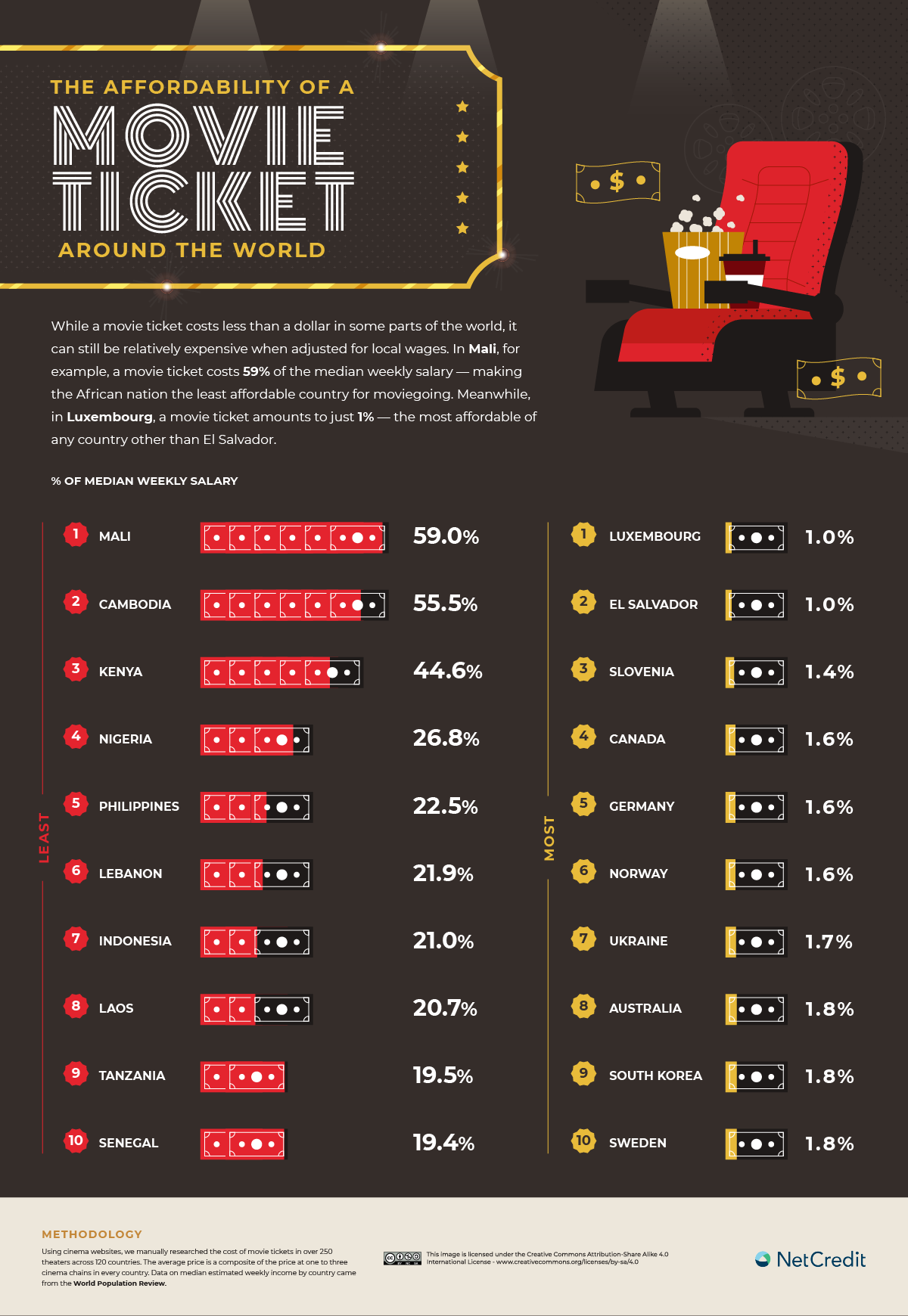
The Evolution of Ticket Pricing and Economic Trends
To understand current pricing, one must first look at the trajectory of the theater industry through a financial lens. For decades, movie tickets remained one of the most stable forms of discretionary spending. However, the last twenty years have seen a significant decoupling of ticket prices from standard inflation.
Historical Context and the Inflationary Gap
In the early 1970s, the average movie ticket in the United States cost approximately $1.50. Adjusted for general inflation, that would equate to roughly $11.00 today. While the national average for a standard ticket currently hovers around $10.50 to $12.00, this figure is deceptive. It does not account for the “premiumization” of the industry. When factoring in IMAX, 4DX, and “luxury” seating, the real-world cost for a weekend blockbuster often exceeds $20.00. This trend reflects a pivot in theater business strategy: moving from high-volume, low-margin sales to a model that prioritizes high-revenue “event” experiences.
Geographic Variance and Market Demographics
Price is heavily dictated by the cost of living and real estate in specific markets. A standard adult ticket at an AMC in Manhattan or Los Angeles can easily reach $18.00 before any premium upgrades. Conversely, a theater in a mid-sized Midwestern town might still charge $8.00 for the same screening. For the consumer, this means that “how much a ticket costs” is fundamentally tied to their local economy. From a business finance perspective, theaters in high-rent urban centers must inflate ticket prices to cover overhead costs that far exceed those of suburban or rural multiplexes.
The Business of the Big Screen: Why Costs Are Rising
For many moviegoers, the price at the box office feels like price gouging. However, an analysis of the internal financial structures of cinema chains reveals a more precarious reality. Theaters operate on razor-thin margins, with the majority of ticket revenue flowing back to the film studios.
The Studio vs. Theater Revenue Split
The primary driver of ticket prices is the licensing agreement between exhibitors (theaters) and distributors (studios). During the opening weeks of a major blockbuster, studios often demand upward of 60% to 70% of the total ticket revenue. This leaves the theater with a minimal share to cover labor, utilities, and mortgage payments. As a result, theaters are forced to raise the base price of tickets to ensure that the remaining 30% is enough to sustain operations. This also explains why the “concession stand” is the primary profit center for any cinema; while the theater loses most of the ticket money to Disney or Warner Bros., they keep nearly 85% of the profit from a $9.00 bucket of popcorn.
Operating Costs: From Projection Tech to HVAC
Maintaining a modern cinema is a capital-intensive endeavor. The transition from 35mm film to digital projection required massive capital expenditures, often funded through debt. Furthermore, the modern consumer demands luxury amenities—heated reclining seats, advanced Dolby Atmos sound systems, and climate-controlled environments. These upgrades carry high maintenance costs. For instance, a single high-end laser projector can cost over $100,000. These financial burdens are ultimately passed down to the consumer through “convenience fees” and “premium format surcharges,” which have become standard in the industry.
Optimization Strategies for the Consumer: Managing Personal Finance
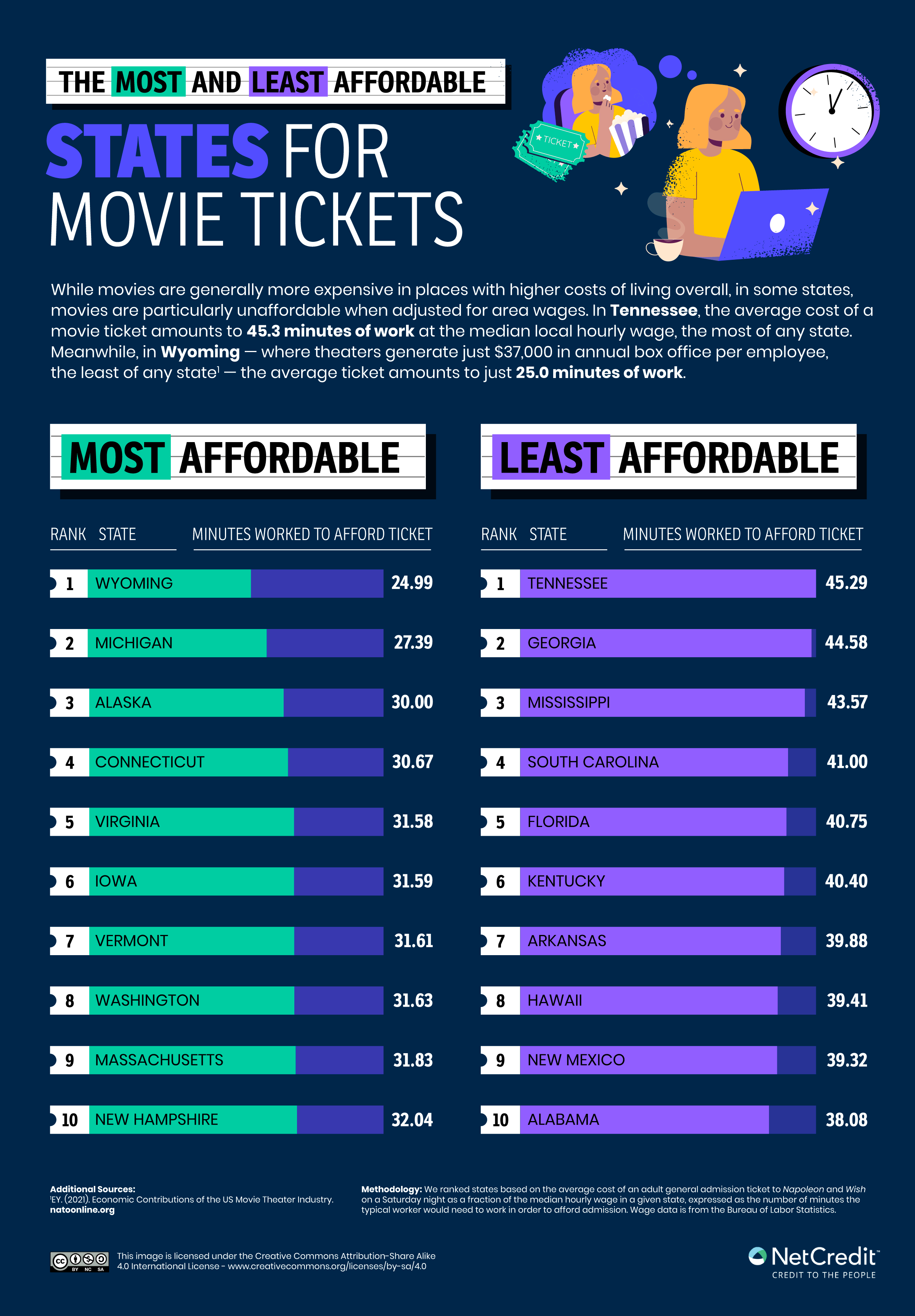
While the “sticker price” of a movie ticket can be daunting, the rise of the subscription economy has changed how savvy consumers manage their entertainment budgets. For frequent moviegoers, paying the “list price” for a ticket is often the least efficient way to spend their money.
The Subscription Model: AMC Stubs A-List vs. Regal Unlimited
The most significant shift in cinema finance has been the move toward recurring revenue. Subscription services like AMC Stubs A-List, Regal Unlimited, and Cinemark Movie Club have revolutionized personal budgeting for film lovers. For a fixed monthly fee—typically ranging from $20 to $25—users can see multiple movies per week.
- The Financial Break-Even: In high-cost markets like New York City, where a single ticket is $18, the subscription pays for itself in just two visits.
- Cash Flow Benefits: For the theater, these subscriptions provide predictable monthly cash flow, regardless of whether a blockbuster is currently in theaters. For the consumer, it stabilizes their monthly entertainment spend.
Hidden Savings: Matinees, Discount Tuesdays, and Third-Party Portals
For those who do not go to the cinema often enough to justify a subscription, there are several tactical ways to reduce the “per-ticket” cost.
- Discount Tuesdays: Most major chains offer significantly reduced prices (often 50% off) for loyalty members on Tuesdays.
- Matinee Pricing: Seeing a film before 4:00 PM can result in savings of 30% or more.
- Bulk Purchasing: Retailers like Costco and Sam’s Club often sell “movie packs”—bundles of two or four tickets at a discounted rate.
- Credit Card Rewards: Many high-tier credit cards categorize movie theaters under “Entertainment,” offering 3% to 5% cash back, effectively creating a permanent discount on every ticket purchased.
The Opportunity Cost: Cinema vs. Home Streaming
In the realm of personal finance, every dollar spent on a movie ticket is a dollar not spent elsewhere. This brings us to the concept of “Opportunity Cost.” With the proliferation of high-quality streaming services like Netflix, Max, and Disney+, the value proposition of the movie theater is under constant scrutiny.
Home Streaming vs. The Big Screen
A monthly subscription to a streaming service costs roughly the same as one single movie ticket. From a purely mathematical standpoint, streaming offers a vastly superior return on investment (ROI). However, the “Money” aspect of cinema isn’t just about the lowest price; it’s about the value of the experience. Consumers are increasingly viewing the cinema as a “luxury outing” rather than a routine habit. This shift in consumer behavior has forced theaters to justify their costs by offering technology and scale that cannot be replicated in a standard living room.
The Concession Stand Paradox
A significant part of the “cost” of a movie ticket is the auxiliary spending that follows. Economically, the movie theater utilizes a “Loss Leader” or “Low-Margin” entry strategy for the ticket, knowing that once the consumer is inside, they are a captive market for high-margin goods. For a family of four, the tickets might cost $60, but the snacks can easily add another $60. To optimize personal finance, many budget-conscious consumers have adopted the “ticket-only” approach, choosing to dine before or after the film to avoid the 800% markup on soda and corn.
Future Outlook: Dynamic Pricing and Market Shifts
As we look toward the future of the film industry, the way we calculate the cost of a ticket is likely to become even more complex. The industry is moving toward a “Dynamic Pricing” model, similar to that used by airlines and hotels.
The Impact of Blockbuster Surcharges
In recent years, chains like AMC have experimented with charging more for “premium” seats (middle of the theater) and “premium” films. During the opening weekend of a highly anticipated film like The Batman or Avatar: The Way of Water, tickets may be priced $1 to $2 higher than a standard drama. This is a classic supply-and-demand economic strategy. While it maximizes revenue for the theater, it requires consumers to be more vigilant about when and what they choose to watch.

The Shift to “Value-Added” Experiences
As standard screenings face stiff competition from 85-inch home televisions, the financial future of the theater lies in the “Premium Large Format” (PLF). Theaters are investing in ScreenX (270-degree viewing), 4DX (moving seats and environmental effects), and dine-in experiences. These formats allow theaters to charge $25 to $35 per ticket. For the consumer, the question of “how much do movie tickets cost” will eventually depend on whether they want a simple viewing or a full sensory event.
In conclusion, the cost of a movie ticket is a reflection of a complex economic ecosystem. It is influenced by the overhead of physical real estate, the aggressive revenue demands of Hollywood studios, and the inflationary pressures of the broader economy. However, through the use of subscription models, loyalty programs, and strategic timing, the modern consumer can still enjoy the magic of the cinema without compromising their financial health. Understanding these variables allows for more informed spending and a better appreciation for the value provided by the big screen.
aViewFromTheCave is a participant in the Amazon Services LLC Associates Program, an affiliate advertising program designed to provide a means for sites to earn advertising fees by advertising and linking to Amazon.com. Amazon, the Amazon logo, AmazonSupply, and the AmazonSupply logo are trademarks of Amazon.com, Inc. or its affiliates. As an Amazon Associate we earn affiliate commissions from qualifying purchases.