
The rhythmic hum of a well-functioning engine is one of the most reassuring sounds for any vehicle owner. However, a subtle shift in that symphony, a hesitation, a sudden lurch, or an unsettling whine, can quickly turn contentment into concern. Among the most perplexing and potentially costly issues a driver can encounter is a slipping transmission. It’s a phenomenon that doesn’t always announce itself with a catastrophic failure, but rather a series of nuanced — and often alarming — sensations. Understanding these feelings is the first step towards diagnosing a problem and preventing more significant damage.
This article delves into the sensory experience of a slipping transmission, exploring the tell-tale signs that a vehicle’s gearbox is no longer engaging gears with its usual precision. We will dissect the auditory, tactile, and even visual cues that can indicate this critical automotive issue, empowering you with the knowledge to recognize the problem and seek timely intervention.
Understanding the Mechanics of Transmission Slip
Before we can appreciate how a slipping transmission feels, it’s crucial to grasp why it slips. At its core, a transmission’s job is to transfer power from the engine to the wheels, adjusting the gear ratios to optimize performance for various speeds and loads. When a transmission slips, it means that the components responsible for engaging and holding these gears are no longer creating a solid, direct connection. Instead, there’s a degree of uncontrolled slippage occurring between rotating parts.
The Role of Friction and Fluid Pressure
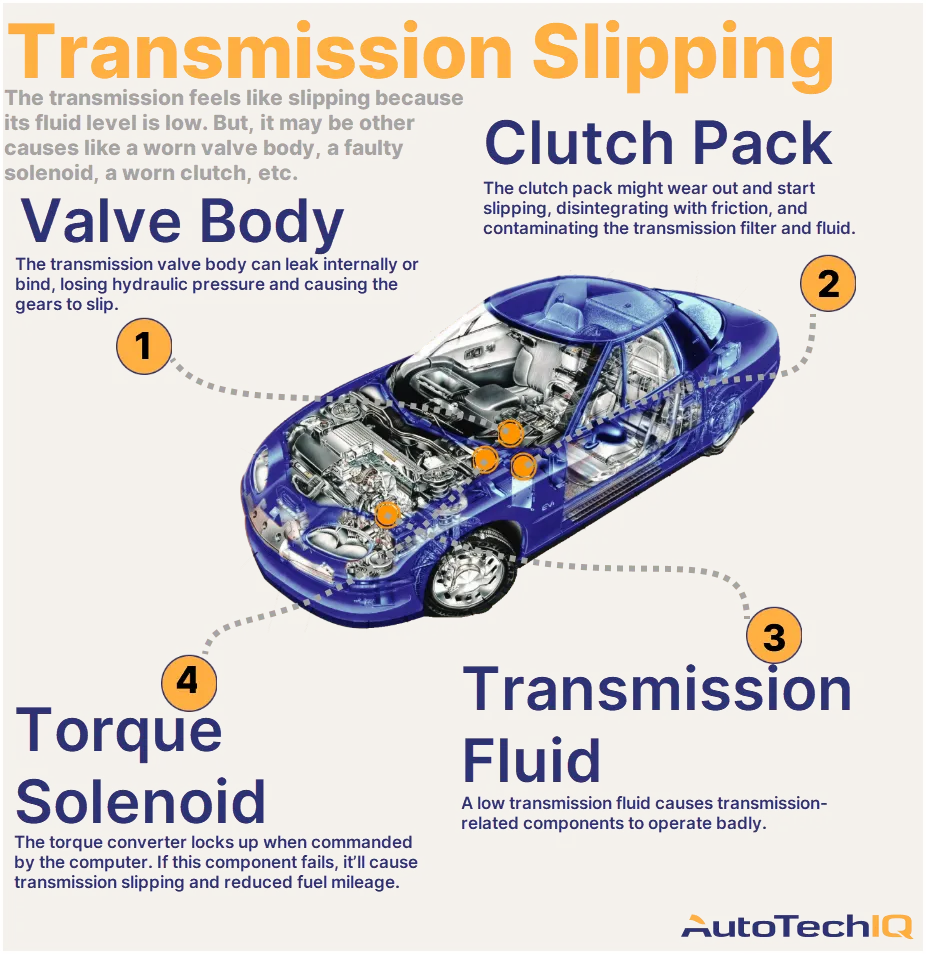
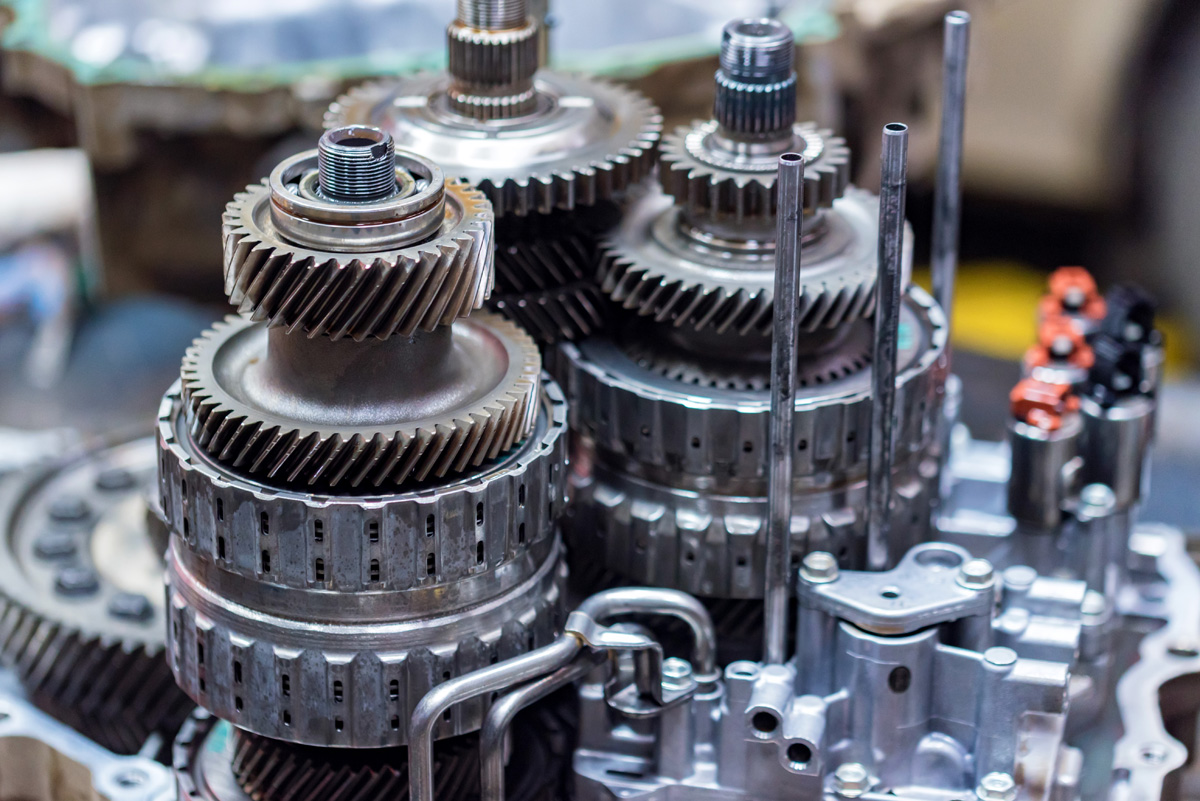
The primary mechanism for engaging gears in most automatic transmissions relies on a complex interplay of friction materials (like clutch plates and bands) and hydraulic fluid pressure. When you shift gears, the transmission’s control unit directs fluid to activate specific hydraulic circuits. These circuits, in turn, push pistons that apply pressure to friction discs. These discs grip metal plates, effectively locking the desired gear ratio into place.
- Friction Materials: Over time and with use, the friction materials within a transmission can wear down. This is akin to brake pads on a car – they are designed to be a consumable component. As they wear, they lose their ability to create the necessary grip, leading to slippage.
- Hydraulic System: The transmission fluid is the lifeblood of an automatic gearbox. It not only lubricates and cools but also acts as the hydraulic medium that enables gear changes. Low fluid levels, a clogged filter, a failing pump, or leaks in the system can all lead to insufficient hydraulic pressure. Without adequate pressure, the clutches and bands cannot be applied firmly enough to prevent slippage.
- Torque Converter Issues: In automatic transmissions, the torque converter is a fluid coupling that connects the engine to the transmission. It can also be a source of slippage if its internal components are damaged or if the fluid within it is compromised. A failing torque converter can cause symptoms that mimic transmission slip.
The Consequences of Disengagement
When slippage occurs, the engine’s rotational speed becomes disconnected, at least partially, from the wheels’ rotational speed. This disconnect results in a loss of power transfer, directly impacting the vehicle’s acceleration and responsiveness. It’s like trying to turn a doorknob with greasy hands – you can spin the knob, but the latch doesn’t engage properly.
The Tangible Sensations of a Slipping Transmission
The “feeling” of a slipping transmission is a multi-sensory experience, often a combination of what you hear, what you feel through the steering wheel and pedals, and how the vehicle behaves on the road. Recognizing these distinct sensations is critical for early diagnosis.
Hesitation and Delayed Engagement
One of the most common and immediate indicators is a noticeable delay when shifting into gear, especially from a standstill or when changing from reverse to drive.
- “Clunk” or “Thud”: Instead of a smooth engagement, you might experience a distinct clunk or thud as the transmission eventually locks into gear. This is the sound and feel of components jarring into place rather than meshing gracefully.
- “Hesitation Before Movement”: When you release the brake pedal after selecting drive or reverse, the vehicle might not move immediately. There’s a pregnant pause, followed by a sudden, sometimes jerky, lurch forward or backward. This hesitation is the transmission struggling to find and maintain its grip on the selected gear.
- “Rolling Back on an Incline”: In manual transmissions, a slipping clutch causes the vehicle to roll backward on an incline when trying to set off. While automatic transmissions are less prone to this specific scenario, a severely slipping automatic might exhibit similar tendencies, failing to hold the vehicle stationary on even a slight incline.
Loss of Power and Unresponsiveness
When the transmission is slipping, it’s fundamentally failing to deliver the engine’s power to the wheels efficiently. This translates into a noticeable lack of acceleration and a sluggish response to throttle inputs.
- “Engine Revs but Car Doesn’t Go”: This is perhaps the most classic symptom. You press the accelerator, the engine RPMs climb significantly, but the vehicle’s speed increases only marginally, or not at all. The engine sounds like it’s working hard, but the power isn’t reaching the road. It feels like the car is in neutral, even though a gear is engaged.
- “Struggling to Accelerate”: Merging into traffic or going uphill becomes a challenge. The car feels underpowered, taking an unusually long time to reach the desired speed. The engine might be roaring, but the progress is frustratingly slow.
- “Inability to Maintain Speed”: On the highway, you might find yourself flooring the accelerator and still not being able to maintain your speed, especially on inclines. The transmission seems unable to keep up with the demands, constantly slipping and failing to hold the appropriate gear.
Shifting Irregularities and Inconsistent Performance
A slipping transmission rarely behaves consistently. The problem can manifest differently from one shift to the next, creating a sense of unpredictability.
- “Harsh or Rough Shifting”: Gear changes, both upshifts and downshifts, might become rough, jerky, or accompanied by a noticeable shudder. Instead of a smooth transition, you feel a jolt as the gear is engaged.
- “Delayed Upshifts”: The transmission might hold onto a lower gear for too long before shifting up, causing the engine to rev higher than necessary. Conversely, it might shift up too early, leading to a lack of power when you need it.
- “Downshifting Issues”: The transmission might be reluctant to downshift when you need it, for example, when decelerating or preparing to overtake. This can leave you without the necessary power or engine braking.
- “Erratic Behavior”: At times, the transmission might feel perfectly normal, only to exhibit slipping symptoms moments later. This unpredictability is a hallmark of a developing transmission problem.
Auditory Cues: Listening for Trouble
Beyond the tactile sensations, a slipping transmission often broadcasts its distress through distinct noises that are different from the normal operational sounds of a vehicle. Paying close attention to these auditory clues can provide an early warning.
Whining and Whirring Noises
These are often indicative of issues within the transmission’s internal components, particularly the gears and bearings.
- “High-Pitched Whine”: A persistent, high-pitched whine that changes with engine RPM, and often becomes more pronounced when accelerating or decelerating, can signal worn bearings or damaged gear teeth within the transmission. This sound can sometimes be mistaken for differential noise, but its correlation with gear engagement and engine load is key.
- “Whirring Sound”: A general whirring or humming sound, especially when the vehicle is in motion and the transmission is under load, can suggest that components are not meshing correctly or that there’s excessive friction due to low fluid or worn parts.
Grinding and Rattling
These are more aggressive sounds and often indicate more severe mechanical issues.
- “Grinding Noise”: A metallic grinding sound, particularly when attempting to shift or when the transmission is struggling to engage a gear, is a serious warning sign. This suggests that metal-on-metal contact is occurring, likely due to severely worn gears or damaged synchronizers (in manual transmissions).
- “Rattling or Clattering”: A loose or damaged internal component could produce a rattling or clattering sound. This might be more intermittent but is a clear indication that something is mechanically unsound within the transmission.
Unusual Hum and Buzzing
Sometimes, the issue isn’t a loud noise but a subtle, persistent hum or buzz.
- “Abnormal Hum When Accelerating”: A humming sound that appears or intensifies when you accelerate, and doesn’t sound like normal engine noise, could be related to the transmission. This might be caused by internal friction or a problem with the transmission fluid pump.
- “Buzzing During Gear Changes”: A brief buzzing sensation or sound during a gear change, even if the shift is otherwise smooth, can indicate a minor issue with the hydraulic control system or the engagement of certain components.
Visual and Other Indicators: Beyond Feel and Sound
While feeling and hearing are primary, other observations can complement the diagnosis of a slipping transmission.
Dashboard Warning Lights
Modern vehicles are equipped with sophisticated diagnostic systems. A slipping transmission will almost certainly trigger a warning light.
- “Check Engine Light”: This is the most common warning light. The engine control unit (ECU) monitors various parameters, including transmission performance. If it detects anomalies, such as inconsistent speed ratios or prolonged slippage, it will illuminate the check engine light.
- “Transmission Warning Light”: Some vehicles have a dedicated transmission warning light, often an icon resembling a gear with an exclamation mark or the word “Transmission.” This light specifically points to an issue within the gearbox.
- “Overdrive (O/D) Off Light Flashing”: In some vehicles, particularly older ones, a flashing O/D Off light can indicate transmission trouble.
Performance Issues Related to Transmission
Beyond direct slipping sensations, other performance anomalies can be linked to transmission problems.
- “Decreased Fuel Economy”: A slipping transmission is inherently inefficient. The engine has to work harder to achieve the same road speed, leading to a noticeable drop in fuel mileage.
- “Overheating Transmission Fluid”: A slipping transmission generates excessive heat due to increased friction. If you notice a burning smell, especially after driving, or if your vehicle has a transmission temperature gauge that reads unusually high, it could be a symptom of slippage.
- “Leaking Transmission Fluid”: Low transmission fluid levels are a common cause of slipping. If you see reddish or brownish fluid under your car, it’s a strong indicator of a leak, which needs immediate attention.
Conclusion: Proactive Recognition is Key
The feeling of a slipping transmission is not a single, easily defined sensation but a constellation of anomalies – a hesitating surge, a loss of power, unsettling noises, and dashboard warnings. These indicators, whether subtle or pronounced, are the transmission’s way of signaling that something is amiss. Ignoring these signs is a gamble that often leads to more extensive and costly repairs. By understanding the mechanics behind transmission slip and diligently paying attention to the sensory feedback your vehicle provides, you can empower yourself to recognize the problem early, seek professional diagnosis, and ultimately preserve the health and longevity of your vehicle’s most complex and vital system. Early intervention is not just about saving money; it’s about ensuring safety and reliability on the road.
aViewFromTheCave is a participant in the Amazon Services LLC Associates Program, an affiliate advertising program designed to provide a means for sites to earn advertising fees by advertising and linking to Amazon.com. Amazon, the Amazon logo, AmazonSupply, and the AmazonSupply logo are trademarks of Amazon.com, Inc. or its affiliates. As an Amazon Associate we earn affiliate commissions from qualifying purchases.