
The term “Cadillac converter” is a bit of a misnomer. While it might sound like a premium, exclusive component, it actually refers to a critical piece of automotive technology: the catalytic converter. This unassuming metal cylinder, hidden beneath most vehicles, plays a vital role in reducing harmful emissions released into the atmosphere. For those curious about the inner workings of their car, understanding what a catalytic converter looks like, and more importantly, what it does, offers a glimpse into sophisticated engineering designed to protect our environment.
The term “Cadillac converter” likely originates from a colloquialism, perhaps implying a high-quality or standard-setting catalytic converter, much like the prestigious Cadillac brand is associated with luxury and innovation. However, the fundamental design and function of a catalytic converter are universal across most modern internal combustion engine vehicles, regardless of make or model.
The Exterior: A Shielded Cylinder
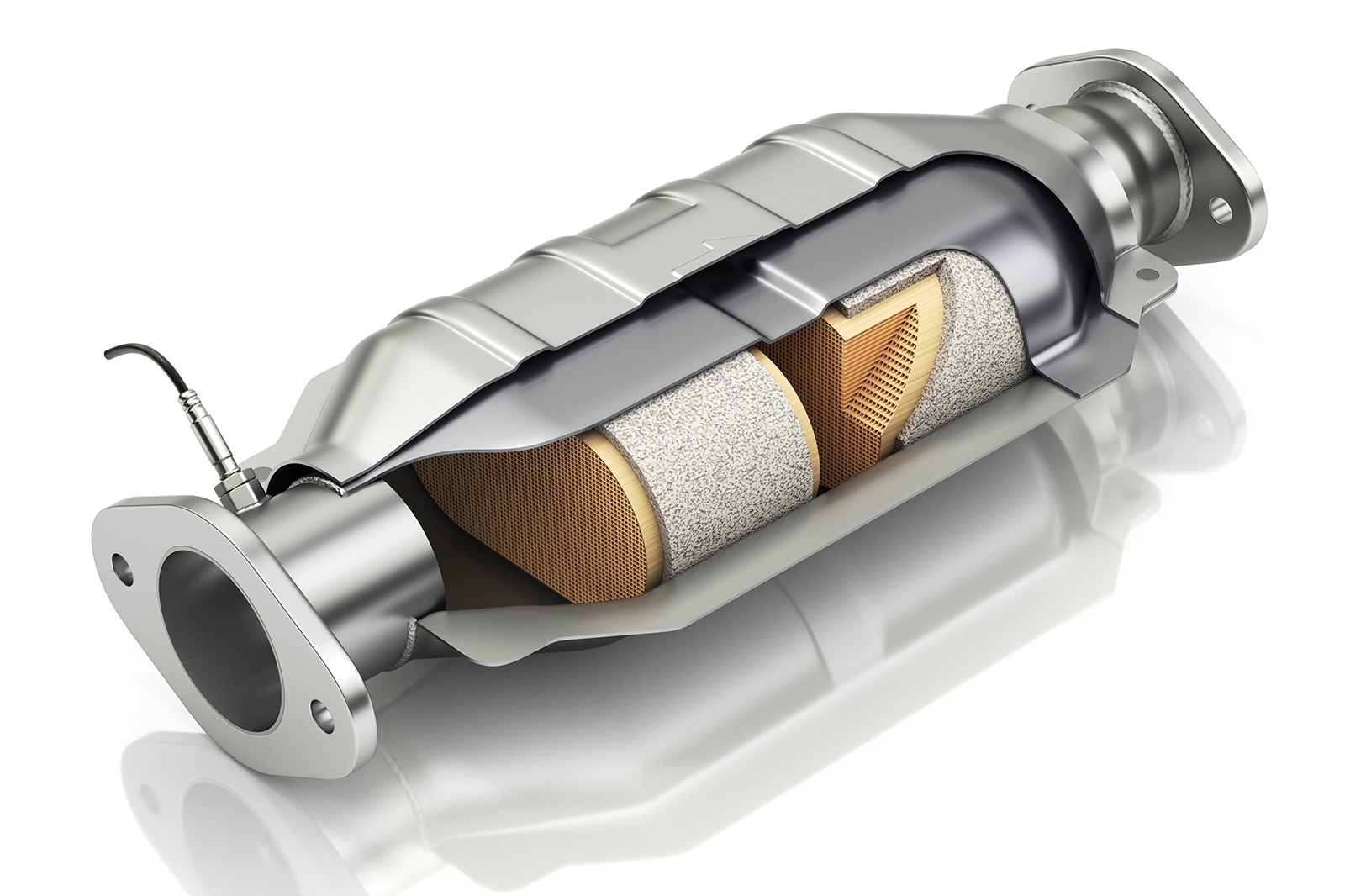
At first glance, a catalytic converter is not particularly striking. It typically appears as a stainless steel or aluminized steel casing, roughly the size of a large soup can or a small thermos, though its dimensions can vary depending on the vehicle’s engine size and configuration. This outer shell is crucial for protecting the delicate internal components from road debris, extreme temperatures, and physical impact.
Material and Construction
The casing is almost universally made from corrosion-resistant metals like stainless steel. This choice of material is driven by the harsh operating environment it endures. The exhaust system operates at high temperatures, and the constant exposure to exhaust gases, moisture, and road salt can quickly degrade less robust materials. The steel casing is robustly constructed to withstand these challenges, ensuring the longevity of the converter.
Shape and Placement
The shape is generally cylindrical, often with two distinct end sections where the exhaust pipes connect. These connections are typically made with clamp-on fittings or welded joints, ensuring a secure and leak-free seal for the exhaust gases to flow through. The converter is positioned within the exhaust system, usually located between the exhaust manifold (where the exhaust gases first exit the engine) and the muffler (which reduces noise). Its placement is strategic, allowing it to receive the hot exhaust gases as soon as possible after they leave the engine, maximizing its operational efficiency.
Heat Shields and Insulation
Many catalytic converters are also equipped with heat shields. These are often thin metal plates, typically made of stamped steel, that surround the main casing. Their purpose is to prevent the extremely high temperatures generated within the converter from damaging surrounding components, such as the vehicle’s undercarriage, fuel lines, or brake lines, and to protect technicians working on the vehicle. Sometimes, a layer of insulating material might be present between the converter and the heat shield to further manage heat dissipation.
The Interior: A Honeycomb of Chemical Conversion
The true marvel of a catalytic converter lies not in its external appearance, but in its intricate internal structure. This is where the magic of emission control happens. The outer shell acts as a protective housing for a ceramic or metallic honeycomb structure, which is the active component responsible for chemical reactions that neutralize harmful pollutants.
The Substrate: Honeycomb Structure
The core of the catalytic converter is a substrate, most commonly made of cordierite ceramic. This material is chosen for its ability to withstand high temperatures and its intricate honeycomb design. The honeycomb structure is composed of thousands of tiny, parallel channels that run the length of the converter. This design maximizes the surface area exposed to the exhaust gases. A larger surface area means more contact between the pollutants and the catalytic materials coating the channels, leading to more efficient conversion.
Alternative Substrates
While ceramic is the most common, some high-performance or specialized applications might utilize a metallic substrate, often made of a corrugated stainless steel foil. Metallic substrates offer better thermal conductivity and can be more durable against physical shock, though they are generally more expensive.
The Washcoat
The ceramic or metallic substrate is coated with a “washcoat.” This is typically a porous layer of aluminum oxide (alumina). The washcoat’s primary function is to further increase the surface area available for the precious metals to be dispersed. Imagine spreading a thin layer of paint onto a surface; the washcoat essentially makes the surface rougher and more porous, creating countless microscopic nooks and crannies for the active catalysts to adhere to. This dramatically increases the effective surface area by hundreds or even thousands of times compared to the smooth substrate alone.
Precious Metal Catalysts
Dispersed within the washcoat are tiny particles of precious metals. These are the true catalysts, facilitating the chemical reactions that break down harmful pollutants. The most common precious metals used are:

- Platinum (Pt): Primarily used to oxidize carbon monoxide (CO) and unburned hydrocarbons (HC).
- Palladium (Pd): Also used for oxidation of CO and HC, often in combination with platinum.
- Rhodium (Rh): Crucially important for reducing nitrogen oxides (NOx) into harmless nitrogen gas (N2).
These metals are incredibly effective even in minuscule quantities, which is why they are so valuable. The exhaust gases flow through the countless channels of the honeycomb, coming into intimate contact with these precious metals, which then promote the necessary chemical transformations.
How it Works: The Science of Emission Control
The catalytic converter is a complex chemical reactor. It operates on the principle of catalysis, where specific substances (the precious metals) speed up chemical reactions without being consumed themselves. For the converter to function effectively, it needs to operate within a specific temperature range, typically between 400°C and 800°C (750°F and 1500°F). This is why modern vehicles often have oxygen sensors before and after the converter to monitor exhaust gas composition and adjust the air-fuel mixture for optimal performance.
The Three-Way Catalyst
Most modern gasoline-powered vehicles utilize a “three-way catalytic converter.” This name signifies its ability to perform three crucial reduction/oxidation reactions simultaneously:
-
Reduction of Nitrogen Oxides (NOx): Rhodium acts as the primary catalyst for this reaction. It strips oxygen atoms from nitrogen oxides, converting them into harmless nitrogen gas (N2) and releasing oxygen.
- Example Reaction (simplified): 2NOx → xO2 + N2
-
Oxidation of Carbon Monoxide (CO): Platinum and palladium catalyze the reaction of carbon monoxide with oxygen to form carbon dioxide (CO2).
- Example Reaction (simplified): 2CO + O2 → 2CO2
-
Oxidation of Unburned Hydrocarbons (HC): Platinum and palladium also oxidize unburned fuel (hydrocarbons) with oxygen, converting them into carbon dioxide (CO2) and water (H2O).
- Example Reaction (simplified): CxHy + (x + y/4)O2 → xCO2 + (y/2)H2O
The precise chemical reactions are complex and depend on the specific air-fuel ratio controlled by the engine’s management system. An optimal air-fuel ratio, known as stoichiometric, is crucial for all three reactions to occur efficiently. This is where the oxygen sensors play a critical role, providing feedback to the engine control unit (ECU) to maintain this precise balance.
The Role of Temperature and Air-Fuel Ratio
Without sufficient heat, the chemical reactions within the converter will not occur. This is why catalytic converters are generally ineffective during the initial startup phase of an engine, as the exhaust gases are not yet hot enough. Once the engine reaches its operating temperature, the exhaust gases heat the converter, and it begins its work.
Similarly, the air-fuel mixture is paramount. If the mixture is too rich (excess fuel), there won’t be enough oxygen for oxidation reactions. If the mixture is too lean (excess air), it can lead to overheating and damage to the converter. Modern vehicle emission control systems are sophisticated enough to maintain the ideal air-fuel ratio for maximum catalytic efficiency.
Signs of a Failing Converter and Modern Advancements
A failing catalytic converter can manifest in several ways, often signaling that a replacement is imminent. Recognizing these signs can prevent further damage to your vehicle and ensure compliance with emissions regulations.
Common Failure Symptoms
- Check Engine Light: This is the most common indicator. The vehicle’s onboard diagnostics system detects inefficiencies or malfunctions in the emission control system and illuminates the “Check Engine” light.
- Reduced Engine Performance: A clogged or failing converter can restrict exhaust flow, leading to a noticeable decrease in engine power and acceleration. The engine might feel sluggish or struggle to gain speed.
- Unusual Smells: A rich smell of sulfur (like rotten eggs) can indicate that the converter is overheating and breaking down the sulfur compounds in the fuel.
- Engine Misfires or Rough Idling: When the converter is not functioning properly, it can affect the engine’s ability to run smoothly, leading to misfires or a rough idle.
- Failed Emissions Tests: In regions with mandatory emissions testing, a faulty converter will almost certainly result in a failed test.
The Value of Precious Metals and Recycling
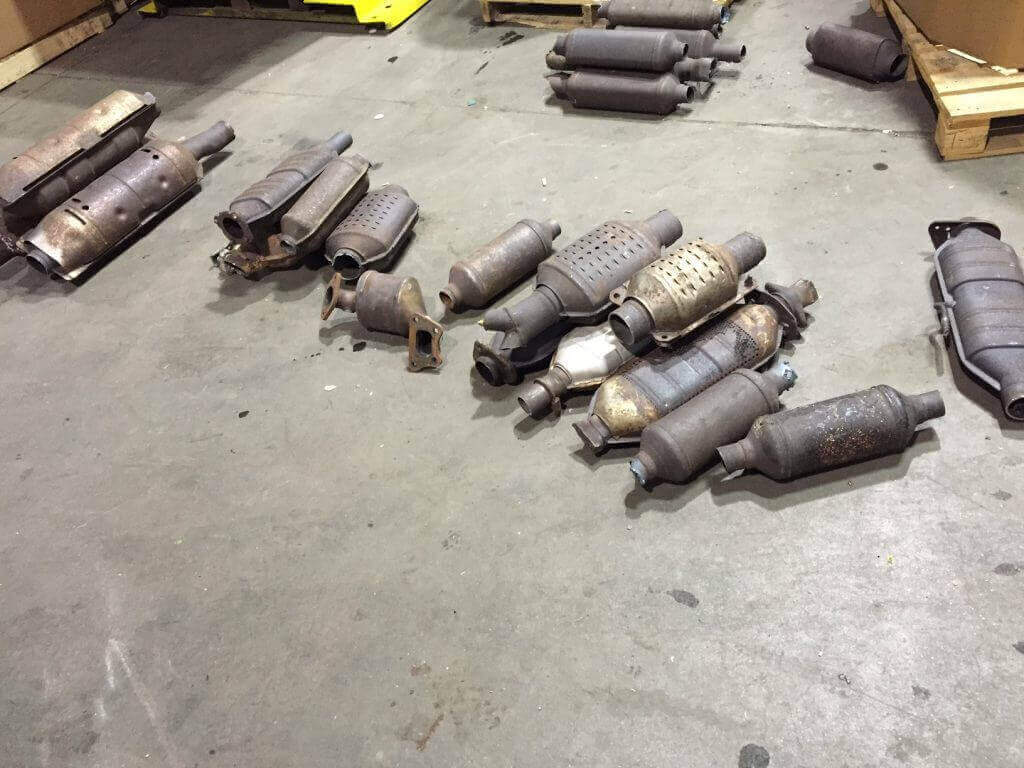
The presence of platinum, palladium, and rhodium makes catalytic converters valuable commodities. This, unfortunately, also makes them targets for theft. The economic value of these metals, combined with the environmental imperative to reduce pollution, has also driven the development of robust recycling programs for spent catalytic converters. When a converter is replaced, it’s often sent to specialized recyclers who carefully extract the precious metals, reducing the need for mining new resources and further contributing to environmental sustainability.
Future of Emission Control
While catalytic converters have been incredibly effective in reducing vehicle emissions for decades, the automotive industry continues to innovate. The ongoing shift towards electric vehicles (EVs) will eventually phase out the need for internal combustion engines and, consequently, catalytic converters. However, for the foreseeable future, these essential components will remain a critical part of ensuring cleaner air from traditional vehicles. Research also continues into alternative catalyst materials and designs that may offer even greater efficiency or a reduced reliance on precious metals.
In conclusion, while the term “Cadillac converter” might evoke a sense of luxury, the reality is a technologically advanced component focused on environmental protection. Its unassuming exterior conceals a sophisticated internal structure designed to chemically neutralize harmful exhaust gases, a testament to engineering ingenuity in the pursuit of a cleaner planet. Understanding its appearance and function offers a deeper appreciation for the complex systems that keep our vehicles running efficiently and responsibly.
aViewFromTheCave is a participant in the Amazon Services LLC Associates Program, an affiliate advertising program designed to provide a means for sites to earn advertising fees by advertising and linking to Amazon.com. Amazon, the Amazon logo, AmazonSupply, and the AmazonSupply logo are trademarks of Amazon.com, Inc. or its affiliates. As an Amazon Associate we earn affiliate commissions from qualifying purchases.