
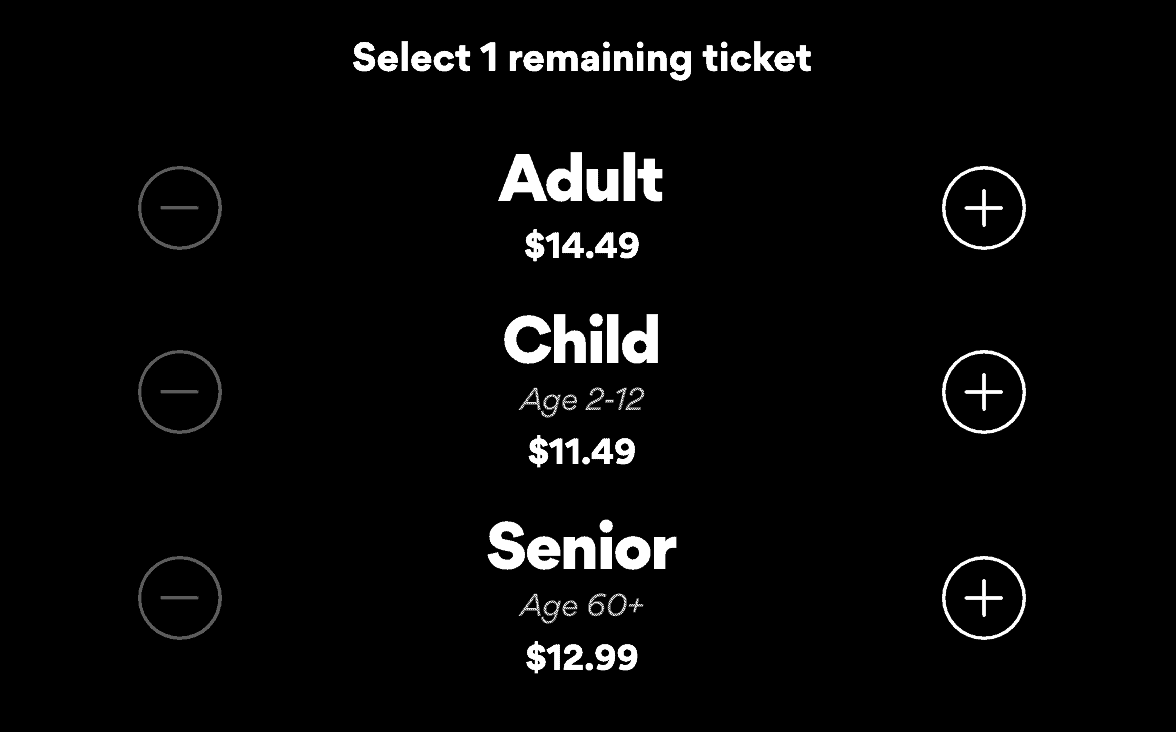
In the landscape of modern personal finance, the “entertainment” category often represents one of the most volatile variables in a household budget. Among the various choices for out-of-home leisure, the cinema remains a cornerstone of American culture. However, the days of the flat-rate five-dollar ticket are long gone. Today, the question of “how much are AMC tickets” does not have a single answer; rather, it is determined by a complex matrix of geographic location, viewing technology, timing, and loyalty status.
For the financially conscious consumer, understanding the economics behind AMC’s pricing model is essential for maintaining a balanced budget without sacrificing the cinematic experience. This guide analyzes the financial structures of AMC Theatres, providing a deep dive into ticket costs, membership ROI, and strategic spending habits.

Understanding the Variable Cost Structure of Modern Cinema
The primary reason ticket prices vary so significantly is the shift from a commodity-based pricing model to a value-based one. AMC, as the largest theater chain globally, employs sophisticated pricing strategies that reflect the “premiumization” of the movie-going experience.
Base Pricing vs. Premium Format Surcharges
A standard 2D digital ticket at AMC typically ranges from $10.00 to $18.00, depending heavily on the market. However, the financial complexity begins with premium large formats (PLF). AMC has invested heavily in IMAX, Dolby Cinema, and Prime at AMC.
From a financial perspective, these formats represent a “luxury tier” of consumption. An IMAX or Dolby Cinema ticket often carries a surcharge of $5.00 to $10.00 over the base price. While the nominal cost increases, the consumer must weigh the “utility per dollar.” For a visual spectacle like a sci-fi epic, the $25 investment may offer a higher subjective ROI than a $15 ticket for a standard comedy where the advanced audio-visual technology adds little value.
The Impact of Geographic Location on Ticket Inflation
Real estate and operational costs vary wildly across the United States, and AMC’s pricing reflects this economic reality. A ticket at the AMC Empire 25 in Times Square, New York, will naturally command a premium—often exceeding $20 for a standard showtime—due to high overhead and massive demand. Conversely, an AMC in a suburban Midwestern town may offer the same film for $11.00. When budgeting for travel or relocation, it is important to recognize that “entertainment inflation” is highly localized.
Matinee vs. Prime Time: Timing Your Purchase for Maximum Savings
One of the simplest financial tools at a consumer’s disposal is “temporal arbitrage”—choosing to consume at a time when demand (and therefore price) is lower. AMC typically offers matinee pricing for shows before 4:00 PM, often providing a 25% to 30% discount compared to evening rates. For a family of four, transitioning from an evening screening to a matinee can result in a direct saving of nearly $40, which can then be reallocated to savings or other financial goals.
The Economics of Membership: Is AMC Stubs A-List a Sound Investment?
For the frequent moviegoer, the most significant financial decision is whether to subscribe to AMC Stubs A-List. This is a classic “subscription economy” model that trades a fixed monthly cost for variable usage.
Calculating the Break-Even Point
The A-List program costs between $19.95 and $24.95 per month (plus tax), depending on your state. This subscription allows for up to three movies per week in any format, including IMAX and Dolby Cinema.
To determine the ROI, one must perform a simple break-even analysis. If the average premium ticket in your area is $22.00, the subscription pays for itself with a single movie per month. If you primarily watch standard 2D films at $14.00, the break-even point is two movies. For the “power user” who sees three movies a week, the cost per movie can drop to less than $2.00, representing an extraordinary transfer of value from the corporation to the consumer.
Comparing A-List to Traditional Pay-Per-View Models
When evaluating A-List, it is vital to compare it against alternative digital delivery systems. While a “Premium Video on Demand” (PVOD) rental at home often costs $19.99, it provides a one-time viewing for a household. For a single individual, the AMC A-List model offers a much lower cost-per-unit of entertainment. However, for a large family, the subscription model becomes less efficient unless every member is a heavy user, as the cumulative monthly fees can quickly exceed $100.
Indirect Savings: Reward Points and Convenience Fee Waivers
Beyond the tickets themselves, the A-List and Premiere tiers of AMC Stubs offer “soft” financial benefits. These include the waiver of online ticketing fees (usually $1.50 to $2.00 per ticket) and the accumulation of reward points ($5 back for every $50 spent). For a consumer who purchases tickets online frequently, the fee waivers alone can account for $20–$30 in annual savings, effectively discounting the cost of the membership itself.
Strategic Consumer Hacks for Reducing Movie-Going Expenses
Effective financial management requires looking beyond the sticker price to find hidden avenues for cost reduction. AMC offers several programmed discounts that, when used strategically, can significantly lower the “Total Cost of Ownership” of a night at the movies.
Discount Tuesdays and Promotional Windows
The “AMC Discount Tuesday” is perhaps the most effective tool for the budget-conscious. For members of the (free) AMC Stubs Insider program, tickets are often available at a significantly reduced flat rate (frequently around $6.00 to $7.00, though this varies by location). By shifting one’s viewing habits to Tuesdays, a consumer can reduce their annual entertainment expenditure by over 50% without reducing the frequency of their outings.
Leveraging Third-Party Financial Tools and Gift Card Arbitrage
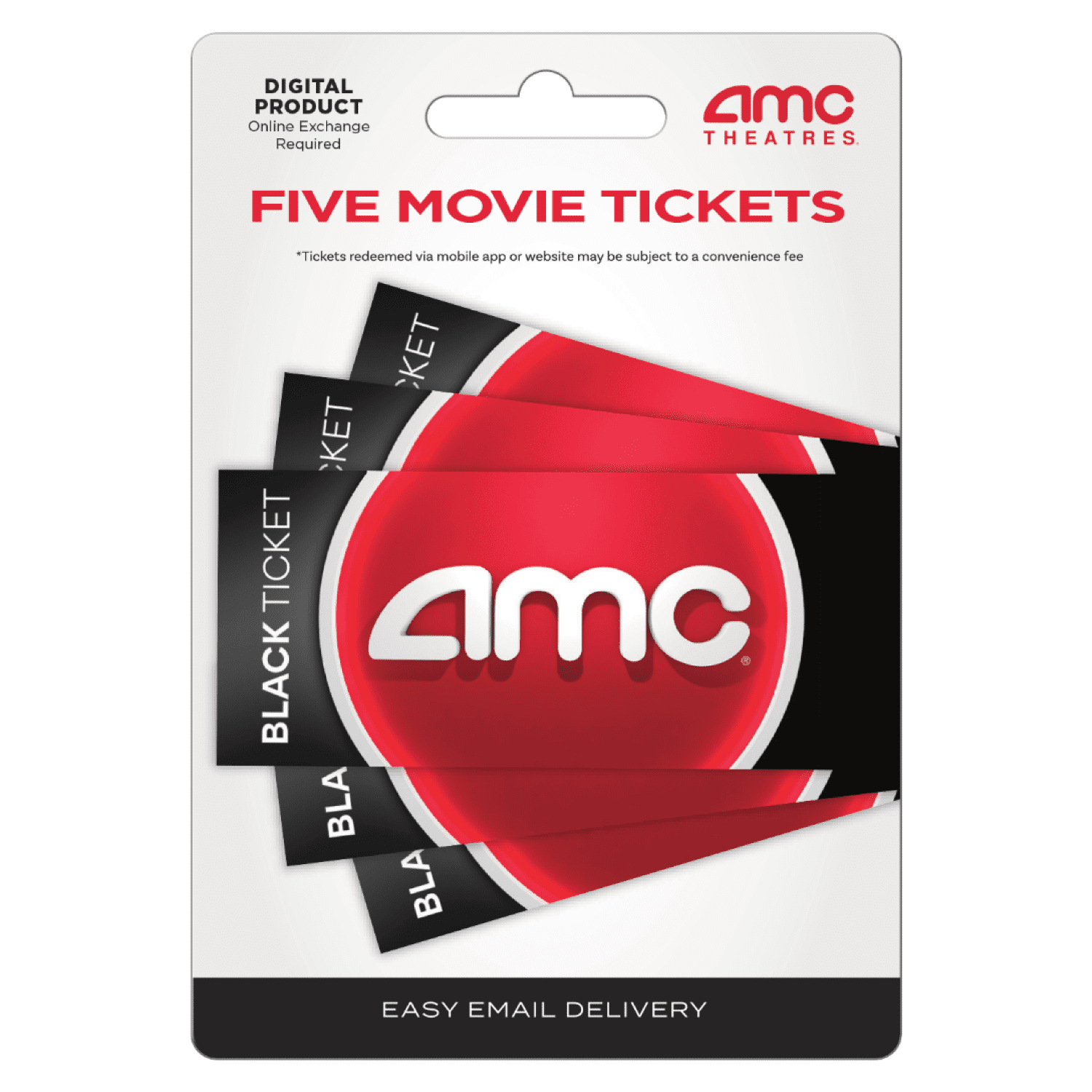
A sophisticated approach to cinema budgeting involves the use of “gift card arbitrage.” Wholesale clubs like Costco or Sam’s Club frequently sell AMC gift cards at a discount—for example, a $100 gift card pack for $75 or $80. By purchasing these, the consumer secures an immediate 20-25% discount on all future ticket and concession purchases. Additionally, using a credit card that offers “Entertainment” as a high-percentage cash-back category can further shave 3-5% off the total cost.
The Hidden Costs: Budgeting for Concessions and “The Experience”
The true “ticket price” is often eclipsed by the cost of concessions, which carry some of the highest profit margins in the retail world. From a personal finance perspective, the $8.00 popcorn and $7.00 soda represent a significant leak in discretionary spending. To maximize the value of the ticket, consumers should treat concessions as an occasional luxury rather than a mandatory attachment. Utilizing the AMC Stubs rewards for “free” upgrades or birthday rewards is a savvy way to enjoy the experience without the high-margin markup.
The Future of Dynamic Pricing in the Film Industry
As we look forward, the cost of AMC tickets is likely to become even more fluid. The company has experimented with “Sightline at AMC,” a tiered pricing model based on seat location within the auditorium.
How Supply and Demand Influence Blockbuster Pricing
AMC has begun implementing “surge pricing” or premium pricing for blockbuster opening weekends. For example, a ticket for a highly anticipated Marvel film may cost $1.00 to $2.00 more during its first three days than it would two weeks later. This is a standard economic principle of supply and demand. For the disciplined investor or budgeter, waiting just ten days to see a film can result in both a cheaper ticket and a more comfortable, less crowded environment.
The Shift Toward Experience-Based Valuation
The financial trend in the theater industry is moving away from “buying a seat” toward “buying an experience.” As AMC continues to upgrade theaters with heated recliners and improved technology, base prices will likely continue to climb. The consumer’s role is to determine where their personal “value ceiling” lies.
In conclusion, while the answer to “how much are AMC tickets” varies, the ability to control that cost remains in the hands of the consumer. By leveraging membership programs, timing their visits, and using third-party financial strategies, moviegoers can enjoy the silver screen while keeping their personal finances firmly in the black. Cinema is an investment in culture and relaxation; like any investment, it requires a strategic approach to yield the best possible return.
aViewFromTheCave is a participant in the Amazon Services LLC Associates Program, an affiliate advertising program designed to provide a means for sites to earn advertising fees by advertising and linking to Amazon.com. Amazon, the Amazon logo, AmazonSupply, and the AmazonSupply logo are trademarks of Amazon.com, Inc. or its affiliates. As an Amazon Associate we earn affiliate commissions from qualifying purchases.