
In the competitive landscape of global commerce, symbols often speak louder than slogans. Among the most potent of these symbols is the white flower. While a botanist might see a reproductive organ of a plant and a florist might see a wedding staple, a brand strategist sees a sophisticated tool for communicating values of purity, luxury, and transparency. In the context of brand identity, “what white flowers mean” transcends traditional floral arrangements; it represents a specific psychological positioning that seeks to establish trust and evoke an aspirational lifestyle.

Understanding the semiotics of white flowers allows companies to tap into a universal language of elegance. From the high-fashion runways of Paris to the minimalist packaging of Silicon Valley tech giants, the white flower serves as a visual shorthand for a “clean” brand promise. This article explores how modern brands leverage the meaning of white flowers to build corporate identity, influence consumer behavior, and navigate the delicate balance between tradition and innovation.
The Psychology of Color and Form: Why Brands Choose the White Flower Motif
To understand the strategic application of white flowers, one must first deconstruct the psychological impact of the color white combined with organic, floral shapes. In marketing, white is rarely seen as an absence of color; rather, it is viewed as a canvas of infinite possibility. It signifies clarity, modernization, and sterile perfection. When this is merged with the “flower”—a symbol of nature, growth, and fragility—the result is a powerful brand asset that suggests “refined nature.”
Simplicity as a Luxury Signal
In the premium market, “less is more” is a foundational principle. Brands that utilize white floral motifs, such as lilies, camellias, or jasmine, are often signaling a departure from the “noise” of mass-market consumerism. A white flower communicates that the brand does not need to shout with neon colors or aggressive typography to be noticed. Instead, it relies on the inherent beauty of its core product. This minimalist approach reduces cognitive load for the consumer, creating an immediate association with high-end boutiques and exclusive experiences. For a brand, a white flower means “essentialism”—the idea that every element of the product is intentional and of the highest quality.
Transparency and Trust in Corporate Identity
In an era where consumers are increasingly skeptical of “greenwashing” and corporate obfuscation, the white flower has emerged as a symbol of “clean” business practices. In the skincare and wellness industries, particularly, white flowers like the daisy or the lotus are used to denote hypoallergenic formulas and ethical sourcing. Here, the meaning of the white flower shifts from mere aesthetics to a “clean label” promise. It tells the customer that the brand has nothing to hide. By adopting this motif, companies align themselves with the “Clean Beauty” or “Ethical Consumerism” movements, using the flower’s perceived purity to validate their own corporate social responsibility (CSR) initiatives.
Case Studies: Iconic Brands Utilizing Floral Minimalism
The strategic use of white flowers is best illustrated by looking at market leaders who have successfully integrated these symbols into their long-term brand equity. These companies do not use floral imagery as a seasonal trend; they use it as a cornerstone of their visual narrative.
Chanel and the Camellia: A Legacy of Sophistication
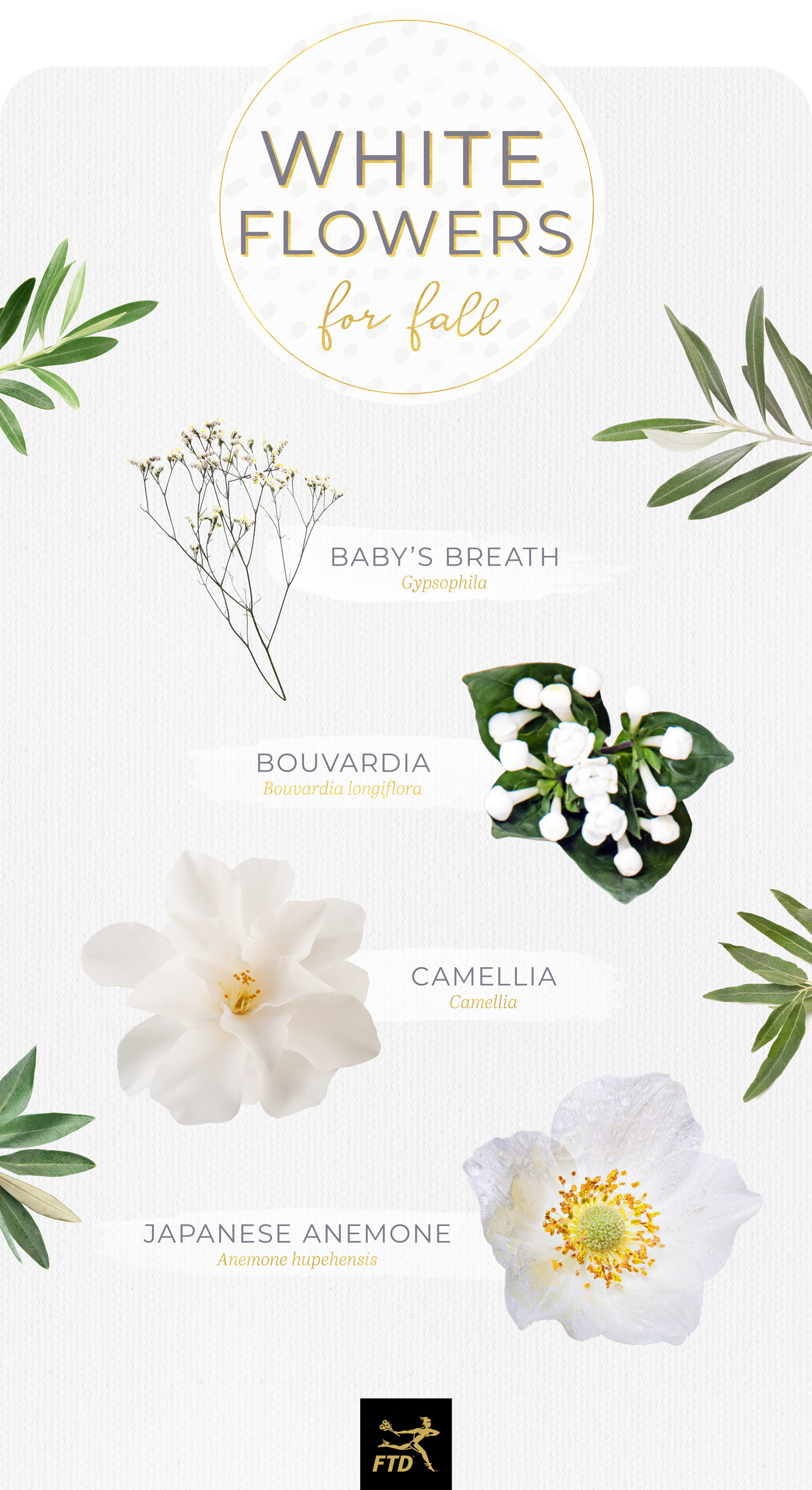
Perhaps no brand is more synonymous with the white flower than Chanel. The white camellia was Coco Chanel’s favorite bloom, and it has since become an indelible part of the house’s corporate identity. In this context, the white flower means “timelessness.” It appears on packaging, as brooches, and integrated into textile patterns. Strategically, the camellia serves as a bridge between the brand’s historical roots and its contemporary relevance. It provides a sense of continuity. When a customer sees the white camellia, they are not just looking at a flower; they are looking at a century of fashion authority. This is a masterclass in how a simple botanical symbol can be transformed into a valuable trademark that enhances perceived brand value.

Wellness and Skincare: Using Botanicals to Signal Safety
Brands like Kiehl’s, Origins, and various “indie” apothecary labels frequently use white floral sketches or scents to define their market position. In this sector, the white flower often represents the “Science of Nature.” For example, the use of white jasmine or edelweiss in branding suggests that the product is both potent (derived from nature) and safe (represented by the color white). This dual messaging is critical for brands that operate at the intersection of dermatology and holistic wellness. The white flower helps these brands avoid the “crunchy” or unscientific stigma sometimes associated with herbal medicine, instead positioning them as sophisticated, lab-verified solutions.
Strategic Implementation: Incorporating Floral Symbols into Personal and Corporate Branding
For entrepreneurs and brand managers, the decision to use white floral imagery must be a calculated one. It is not enough to simply choose a “pretty” icon; the symbol must align with the brand’s core pillars and the demographic it intends to serve.
Visual Consistency across Digital Touchpoints
In the digital age, a brand’s visual identity must be scalable. The white flower is particularly effective for digital branding because of its high contrast and legibility. Whether it is a favicon, an Instagram profile picture, or a website header, the clean lines of a white floral motif stand out against the cluttered interfaces of social media. Strategically, using white floral imagery in digital marketing can help create a “digital sanctuary” for the user. When a brand’s feed is filled with airy, white-dominated floral photography, it provides a sensory break for the consumer, making them more likely to linger on the content and associate the brand with a sense of peace and order.
Navigating Cultural Nuance in Global Markets
While white flowers generally symbolize purity in Western markets, brand strategists must be wary of cultural variations when expanding globally. In many Eastern cultures, particularly in parts of China and Japan, certain white flowers—like the white chrysanthemum—are traditionally associated with mourning and funerals. A brand that fails to recognize this nuance risks a significant PR backlash. Therefore, the “meaning” of white flowers in a global brand strategy must be localized. A professional branding firm will research the specific botanical varieties that resonate positively in target regions, ensuring that the symbol of “purity” does not inadvertently become a symbol of “loss.”
The Future of Organic Branding: Beyond the Physical Flower
As we move further into a digital-first economy, the meaning of white flowers in branding is evolving. We are seeing a shift from literal representations to abstract, “floral-inspired” minimalism that prioritizes the feeling of a white flower over its physical image.
Sustainable Messaging and the “Clean” Aesthetic
The future of brand strategy lies in sustainability. As companies move toward circular economies, the white flower is being repurposed to represent “biodegradability” and “zero waste.” A brand that uses a stylized, white floral logo in 2024 is often signaling its commitment to a future where industry and nature coexist without friction. This “clean” aesthetic is no longer just about the product inside the box; it is about the impact of the box itself. The white flower has become the mascot for the “Quiet Luxury” movement—a trend where wealth is signaled through understated, high-quality, and environmentally conscious choices rather than overt displays of logos.
Conclusion: The Strategic Power of a Simple Bloom
In conclusion, when we ask “what do white flowers mean” in the professional world of branding and marketing, the answer is multi-faceted. They are a tool for psychological anchoring, a signal of luxury, a promise of transparency, and a bridge across cultural histories. For a brand, adopting the white flower is a commitment to an identity of clarity and high standards.
Whether you are a startup looking to establish trust in a crowded market or an established corporation seeking to refresh your identity, the white flower offers a timeless solution. It reminds us that in a world of complex algorithms and rapid technological change, the most effective way to connect with the human psyche is often through the simplest, most enduring symbols of the natural world. By understanding and harnessing the meaning of the white flower, brands can cultivate an image that is not only beautiful but strategically sound and commercially resilient.
aViewFromTheCave is a participant in the Amazon Services LLC Associates Program, an affiliate advertising program designed to provide a means for sites to earn advertising fees by advertising and linking to Amazon.com. Amazon, the Amazon logo, AmazonSupply, and the AmazonSupply logo are trademarks of Amazon.com, Inc. or its affiliates. As an Amazon Associate we earn affiliate commissions from qualifying purchases.