
In the rapidly evolving landscape of independent game development, “REPO” has emerged as a standout title that blends high-stakes extraction mechanics with atmospheric horror. At the heart of its gameplay loop is a singular, enigmatic resource: the Energy Crystal. For players navigating the claustrophobic corridors of the game’s industrial environments, understanding the technical utility of these crystals is not just a matter of curiosity—it is the difference between a successful extraction and a catastrophic system failure. This article explores the multifaceted roles that Energy Crystals play within the software architecture of REPO, examining how they function as power sources, currency, and strategic catalysts.

The Technical Architecture of Energy Crystals
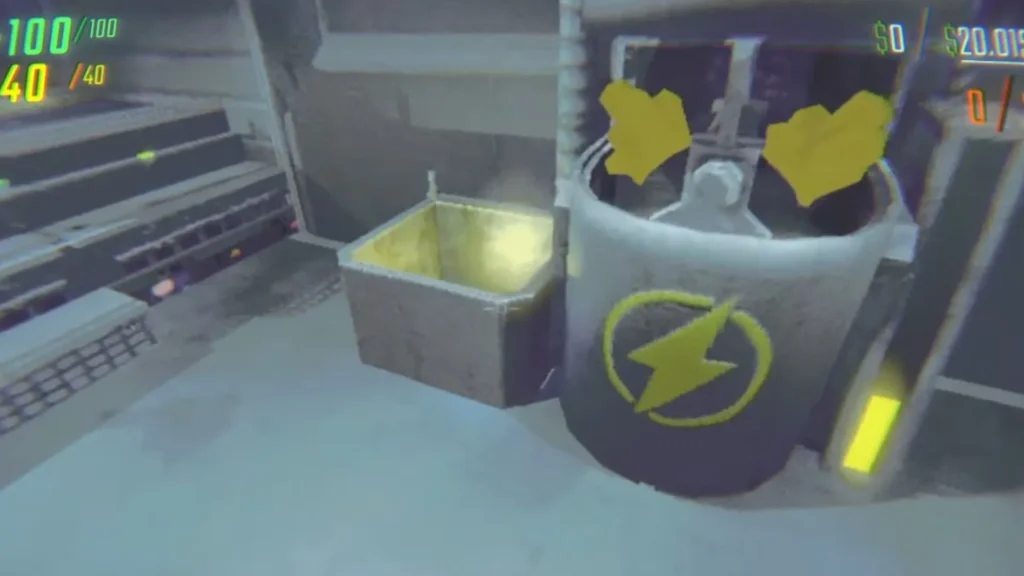
Within the digital framework of REPO, Energy Crystals are not merely aesthetic collectibles; they function as the primary fuel for the player’s survival infrastructure. From a technical standpoint, the game treats these crystals as dynamic power cells that interact with various environmental “sockets.” Understanding their core functionality requires a breakdown of how they influence the game state.
Powering the Infrastructure: The Core Mechanic
The primary function of an Energy Crystal is to restore power to defunct machinery. Throughout the game’s procedurally generated levels, players encounter powered-down elevators, locked security doors, and inactive workstations. These elements are hard-coded to remain non-functional until an Energy Crystal is inserted into a localized power port.
This interaction is a classic example of “key-and-lock” software design, but with a twist of resource management. Once a crystal is used to power a terminal, it is often consumed or “locked” into that system, forcing the player to choose between opening a new path or saving the resource for a high-value extraction later. This creates a compelling technical tension where the player must audit their available energy resources against the environmental obstacles ahead.
The Lifecycle of a Crystal: From Discovery to Depletion
Energy Crystals exist in various states of charge, which is reflected in their visual shaders and UI indicators. A “Full” crystal provides maximum wattage to a system, while a “Depleted” or “Flickering” crystal might only grant temporary access or power a sub-system with limited efficiency.
The game’s engine tracks the “decay rate” of these crystals once they are removed from their containment units. This technical detail adds a layer of urgency to the gameplay; the longer a player holds a crystal without utilizing it or securing it in their inventory, the less effective it becomes. This “resource degradation” mechanic ensures that players remain mobile and proactive, preventing the stagnant gameplay often seen in traditional survival titles.
Strategic Integration: How Crystals Affect Resource Management
In the “Tech” niche of game design, the concept of “economy balance” is paramount. REPO utilizes Energy Crystals to balance its difficulty curve. They are the bridge between the player’s current inventory and their potential upgrades. Beyond just opening doors, crystals act as the literal and figurative currency of the game’s technological ecosystem.
The Conversion Economy: Crystals as Currency
In many “REPO” sessions, players will find more crystals than they need for immediate environmental progression. These surplus items can be processed at the central “Repository” hub. Technically, the game converts the stored energy of the crystal into a digital currency known as “Watts” or “Credits,” depending on the specific patch version.
This conversion process is vital for the meta-progression of the game. Players use these credits to purchase software upgrades for their HUD, improve the battery life of their scanning tools, or upgrade the physical durability of their extraction suits. The Energy Crystal, therefore, serves as the fundamental unit of value that powers the player’s long-term growth.
Risk vs. Reward: The Inventory Weight Mechanic
From a software design perspective, inventory management is a core challenge in extraction games. In REPO, Energy Crystals occupy significant “slots” or “weight units” within the player’s digital backpack. This forces a strategic trade-off: do you carry a high-yield Energy Crystal that could power a massive endgame gate, or do you fill those slots with smaller, more immediate survival tools?
The weight of the crystal also affects the player’s movement speed and stamina consumption—a technical variable known as the “Encumbrance Modifier.” By making the crystals physically “heavy” within the game’s physics engine, the developers ensure that every discovery of a crystal is met with a tactical calculation.
Optimizing the Repository: Advanced Techniques for Crystal Utilization
For veteran players of REPO, the basic use of crystals is only the beginning. The game features several hidden interactions and “tech” maneuvers that allow players to maximize the utility of every joule stored within these crystalline structures.
Overclocking Systems and Emergency Power
One of the more advanced technical features in REPO is the ability to “overclock” certain terminals. By inserting multiple Energy Crystals into a single power array, players can trigger an “Overload State.” This state temporarily boosts the performance of local tech—for example, making a defensive turret fire faster or causing a scanning station to reveal a larger portion of the map.
However, this is a high-risk maneuver. The software is programmed to handle overloads by eventually burning out the terminal, rendering it permanently useless after the timer expires. Mastering this “overclocking” tech is essential for high-level players who need to clear difficult rooms quickly before an enemy encounter escalates.
Synergizing with Character Mods
As players progress, they gain access to “Crystal Siphon” mods. These are software enhancements that can be installed on the player’s gear. A Siphon mod allows the player to draw a small amount of charge from a held crystal to replenish their personal flashlight or oxygen scrubbers.
This creates a synergy between the player’s external resources and their internal stats. Instead of seeing crystals only as environmental keys, the player begins to see them as “portable batteries” that can sustain them through long expeditions in dark, unpowered zones.
Future Tech: The Evolutionary Roadmap of REPO’s Mechanics
As an ongoing software project, REPO is frequently updated with new features that expand the role of Energy Crystals. The developers have hinted at a more complex “Elemental Crystal” system in future builds, which will introduce even more technical depth to the game’s resource loop.
Procedural Generation and Crystal Scarcity
The game’s AI-driven procedural generation system determines the placement of crystals based on the player’s current success rate. If the game detects that a player is “over-leveled” or carrying too much wealth, it may dynamically reduce the spawn rate of high-tier Energy Crystals. This “Dynamic Difficulty Adjustment” (DDA) ensures that the tension remains high.
In future updates, this DDA is expected to become even more granular. We may see “Corrupted Crystals” that offer high power output but introduce “glitches” into the player’s HUD, such as visual artifacts or false-positive enemy pings. This would represent a sophisticated blending of lore and technical performance issues used as a gameplay mechanic.
Community Feedback and Software Balancing
The developers of REPO maintain an active dialogue with the community regarding the “meta” of Energy Crystals. Data analytics from thousands of runs show how often crystals are used versus how often they are sold. This data drives the balancing patches. For instance, if players are hoarding crystals too frequently, the devs might increase the “leaking” rate of unshielded crystals in the next software update.
This iterative process is a hallmark of modern tech-focused game development. The Energy Crystal is not a static object; it is a variable in a complex equation that is constantly being solved and re-solved by the developers to provide the most engaging experience possible.

Conclusion: The Heart of the Machine
In conclusion, Energy Crystals in REPO are far more than simple power-ups. They are the central pillar of the game’s technical design, acting as a bridge between the environmental puzzles, the economic progression, and the survival mechanics. They represent a sophisticated implementation of resource management that forces players to engage with the game’s systems on multiple levels—from inventory physics to high-level strategic planning.
Whether you are using a crystal to jump-start a rusted elevator or selling it to upgrade your digital interface, these glowing shards are the lifeblood of the REPO experience. As the game continues to evolve, the technical role of these crystals will likely expand, offering even more ways for players to interact with the dark, industrial world the developers have created. Understanding “what the energy crystals do” is the first step toward mastering the machine that is REPO.
aViewFromTheCave is a participant in the Amazon Services LLC Associates Program, an affiliate advertising program designed to provide a means for sites to earn advertising fees by advertising and linking to Amazon.com. Amazon, the Amazon logo, AmazonSupply, and the AmazonSupply logo are trademarks of Amazon.com, Inc. or its affiliates. As an Amazon Associate we earn affiliate commissions from qualifying purchases.