
In the vast, interconnected ecosystem of the modern internet, a specific type of inhabitant moves silently through the shadows of source codes and server logs. Much like their biological counterparts, “digital rodents”—the bots, crawlers, and automated scripts that permeate the web—are industrious, ubiquitous, and driven by an insatiable hunger. But what exactly do these digital rodents “eat”? In the realm of technology, their diet isn’t composed of grains or proteins, but of raw data, bandwidth, and computational cycles.
Understanding the consumption patterns of these automated agents is critical for developers, cybersecurity experts, and business strategists. As we move deeper into an era defined by Artificial Intelligence (AI) and Big Data, the appetite of these digital scavengers has grown exponentially, reshaping how we build infrastructure and protect digital assets.
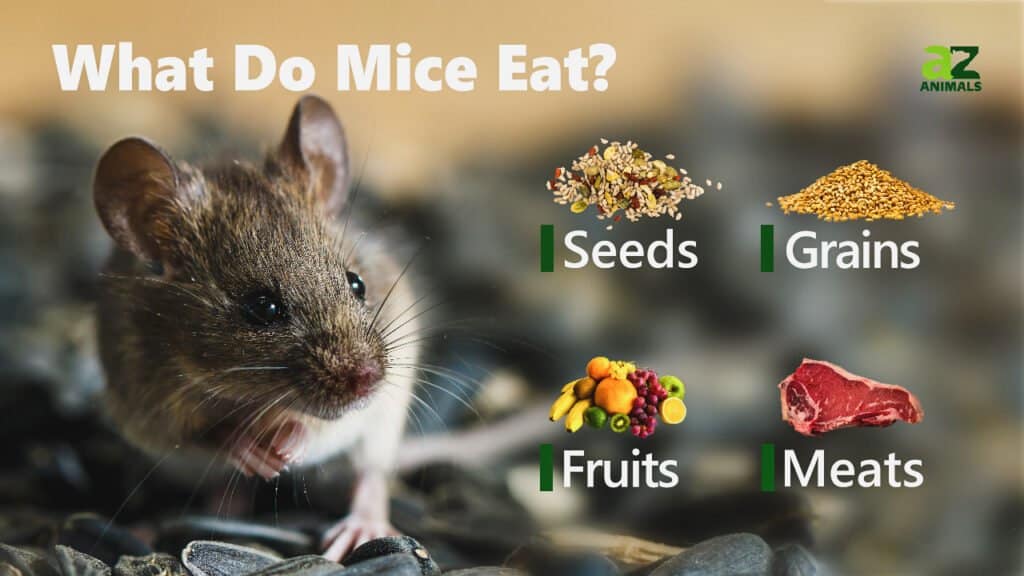
The Anatomy of a Digital Rodent: Defining Web Crawlers and Bots
Before we can analyze their diet, we must understand the species. Digital rodents are essentially software applications programmed to perform repetitive tasks at a scale and speed that humans cannot match. While some are beneficial—such as search engine spiders that index the web—others are designed for more specialized or even malicious purposes.
From Search Engines to Specialized Scrapers
The most well-known “rodents” are the crawlers deployed by search giants like Google and Bing. These agents navigate the web by following links, “consuming” the content of pages to build a searchable map of the internet. However, the ecosystem has diversified. Today, we see a rise in specialized scrapers: bots designed to monitor price changes on e-commerce sites, aggregate news headlines, or even “glean” social media sentiment for hedge funds. These specialized agents are more targeted in their foraging, looking for specific data points rather than general content.
The Hardware Requirements of Automated Scripts
Just as a biological rodent requires a physical environment to thrive, digital rodents need hardware to run. This “habitat” usually consists of high-performance servers or distributed cloud environments. The “metabolism” of a bot is measured in CPU usage and RAM. A simple Python script running a Beautiful Soup library might be a “mouse,” requiring minimal resources, while a massive distributed scraping operation using headless browsers like Selenium or Playwright is a “giant rat,” consuming significant memory and processing power to render JavaScript and mimic human behavior.
The Primary Diet: Structured and Unstructured Data
If data is the food of the digital age, then digital rodents are the primary consumers. Their diet is categorized into two main types: structured and unstructured data. The efficiency with which a bot can digest this information determines its success in the digital hierarchy.
Consuming Metadata for SEO and Market Intelligence
Metadata is the “fiber” of the digital diet—it provides the essential structure that allows bots to understand what they are looking at. SEO bots focus heavily on header tags (H1, H2), meta descriptions, and alt-text for images. By “eating” this metadata, search engines determine the relevance and authority of a website. In a commercial context, market intelligence bots consume pricing data and inventory levels. For example, a travel aggregator bot will constantly “nibble” at airline APIs and HTML tables to ensure that the prices displayed to the end-user are current.
The Role of Big Data in Training AI Models
Perhaps the most significant shift in the digital diet has been the rise of Large Language Models (LLMs). Bots like GPTBot “feed” on massive swaths of the internet to train neural networks. This is not just selective scavenging; it is a wholesale consumption of human knowledge. These “super-rodents” consume everything from technical forums and academic papers to blog posts and comment sections. The goal is to ingest enough linguistic patterns to replicate human-like communication. This massive consumption of “unstructured data” (raw text, images, and video) is what fuels the generative AI revolution.
Energy and Infrastructure: The Physical Resources Fueling Automation
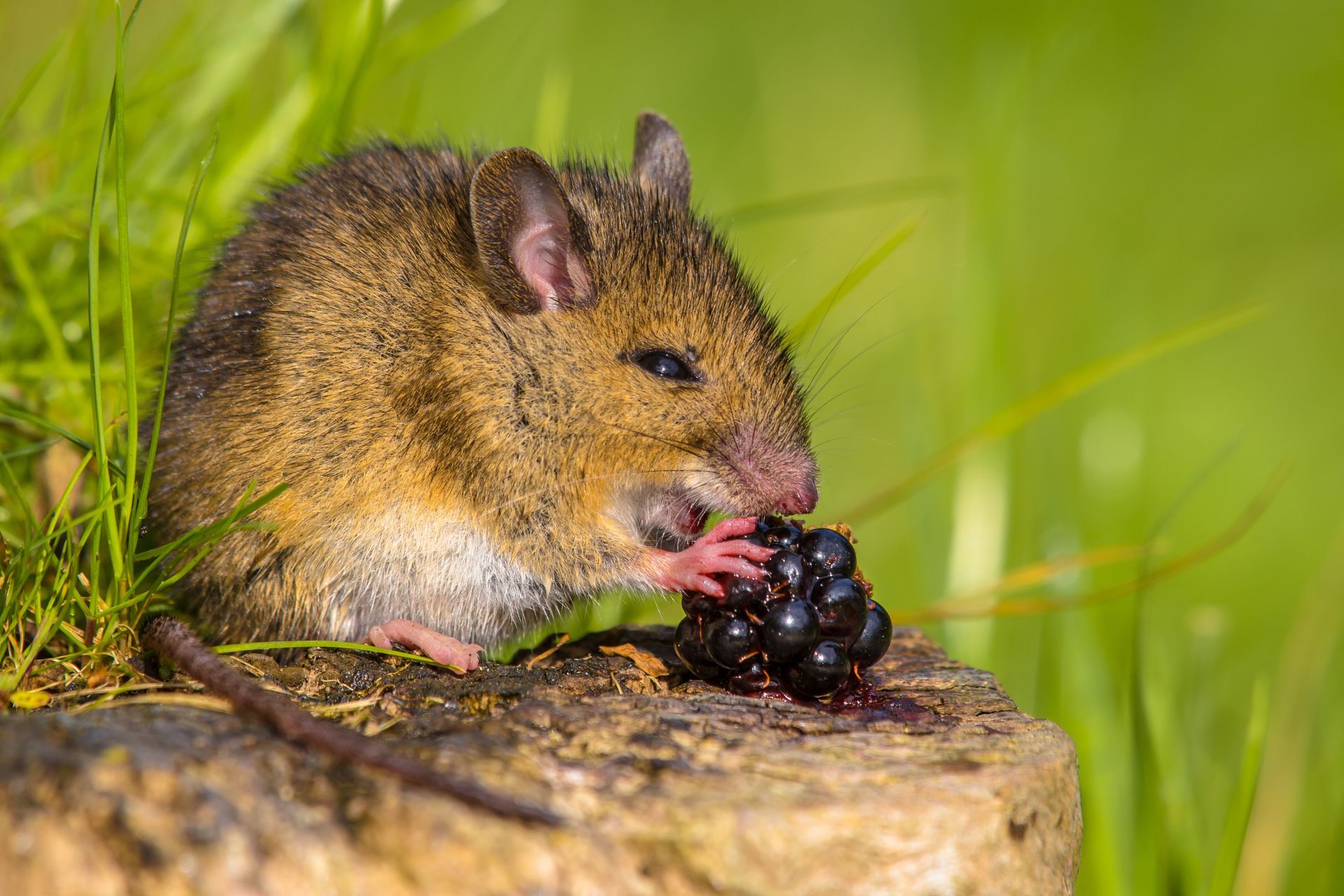
While data is the “food,” energy and infrastructure are the “water and air” that keep digital rodents alive. The act of “eating” data is not free; it carries a physical and financial cost that impacts the global tech landscape.
Cloud Computing Costs and Resource Allocation
Most modern bot operations do not live on a single desktop; they reside in the cloud. Services like AWS, Google Cloud, and Azure provide the “nesting grounds” for these scripts. The cost of running these operations is a significant factor in a tech company’s budget. High-frequency scrapers consume massive amounts of egress bandwidth—the data leaving a server—which can lead to exorbitant monthly bills. For businesses, managing the “feeding habits” of their own bots involves a delicate balance of optimizing code to reduce server load while maintaining data accuracy.
The Environmental Impact of Constant Data Harvesting
We must also consider the environmental “carbon footprint” of these digital rodents. Data centers are notorious energy consumers, and a significant portion of their traffic is automated. When thousands of bots simultaneously crawl a website, they force the target server to work harder, consuming more electricity and requiring more cooling. The “diet” of digital rodents, therefore, has real-world consequences, contributing to the growing energy demands of the global IT sector. Sustainable tech practices are now focusing on making these bots more “energy-efficient” by reducing redundant crawls and using more streamlined data-fetching protocols.
Defensive Nutrition: How Cybersecurity Evolves to ‘Starve’ Malicious Bots
In the natural world, prey develops defenses to avoid being eaten. In the tech world, websites develop “anti-bot” measures to starve malicious or unwanted digital rodents of the data they seek. This ongoing “cat-and-mouse” game is a cornerstone of modern digital security.
CAPTCHAs and Rate Limiting as Dietary Restrictors
One of the most common ways to “starve” a bot is through rate limiting. By restricting the number of requests a single IP address can make in a given timeframe, a server effectively limits how much a digital rodent can eat. If the bot tries to consume too much too fast, it is “choked” off from the source. Similarly, CAPTCHAs act as a physical barrier that only humans can navigate (theoretically). These tools are designed to make the “cost” of data consumption so high that the bot’s operator eventually gives up or runs out of resources.
Behavioral Analytics: Identifying the Digital Pests
Advanced cybersecurity suites now use behavioral analytics to distinguish between a “friendly” rodent (like a search engine) and a “pest” (like a credential-stuffing bot). These systems monitor the way an agent moves through a site. Does it move with the erratic precision of a script, or the slow, multi-tasking nature of a human? By identifying the “foraging patterns” of bots, security systems can implement “tarpitting”—a technique that intentionally slows down the server response to a bot, making the data scraping process agonizingly slow and resource-heavy for the attacker.
The Future of the Ecosystem: Synthetic Data and Autonomous Agents
As the internet evolves, so too will the diet of its digital rodents. We are moving toward a more autonomous web where bots don’t just consume data—they create it, leading to a complex feedback loop.
Self-Sustaining Algorithms and Recursive Learning
The next generation of digital rodents will likely “feed” on synthetic data—data generated by other AI models. This creates a recursive ecosystem where bots are trained on the output of previous bots. While this allows for rapid scaling, it also risks “model collapse,” where the quality of the data degrades over time. For tech leaders, the challenge will be ensuring that the “diet” of these autonomous agents remains high-quality and grounded in real-world facts, rather than a self-reinforcing loop of digital noise.
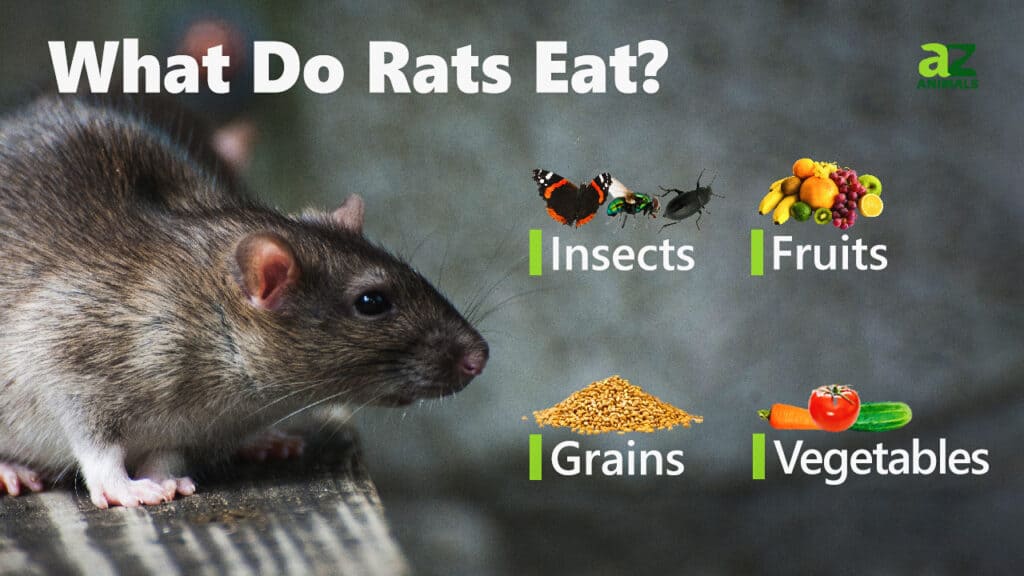
The Rise of Personal AI Agents
In the near future, every individual may have their own “personal rodent”—a localized AI bot that scavenges the web on their behalf to find the best deals, summarize news, or manage schedules. These agents will be highly sophisticated, consuming data in a way that is tailored specifically to the user’s needs. The tech industry is currently racing to build the infrastructure that will support billions of these micro-agents, potentially leading to a web that is more automated than ever before.
In conclusion, the question of “what do rodents eat” in the context of technology reveals a complex infrastructure of data consumption, energy usage, and security maneuvers. From the simple crawlers of the early web to the sophisticated AI-driven scrapers of today, digital rodents are the unseen engines driving the information economy. By understanding their diet, we can better build, protect, and navigate the digital world of tomorrow.
aViewFromTheCave is a participant in the Amazon Services LLC Associates Program, an affiliate advertising program designed to provide a means for sites to earn advertising fees by advertising and linking to Amazon.com. Amazon, the Amazon logo, AmazonSupply, and the AmazonSupply logo are trademarks of Amazon.com, Inc. or its affiliates. As an Amazon Associate we earn affiliate commissions from qualifying purchases.