
The timeless question of a baby’s eye color has captivated expectant parents for generations. While traditionally rooted in the mysteries of genetics and parental intuition, the advent of sophisticated technological tools and advancements in genetic science is now offering a more nuanced and data-driven approach to this fascinating inquiry. Gone are the days of pure speculation; today, we can delve into the genetic blueprint to gain remarkable insights into the probabilities of our child’s future traits, including the captivating hue of their eyes. This article explores the intersection of genetic technology and parental curiosity, examining how innovative tools are demystifying the science behind eye color inheritance and providing parents with increasingly accurate predictions.

The Genetic Foundation of Eye Color: Beyond Simple Inheritance
For a long time, the understanding of eye color inheritance was simplified to a basic Mendelian model, suggesting dominant and recessive genes played a straightforward role. However, modern genetic research has unveiled a far more complex and intricate picture. Eye color is not determined by a single gene but by the interplay of multiple genes, each contributing to the production, transport, and storage of melanin, the pigment responsible for color in the iris. Understanding these genetic underpinnings is the first step in appreciating how technology can leverage this knowledge.
The Melanin Matrix: Understanding Pigmentation
The primary pigment influencing eye color is melanin. Specifically, two types are crucial: eumelanin (brown and black pigment) and pheomelanin (red and yellow pigment). The amount and distribution of eumelanin in the iris stroma are the main determinants of eye color. Brown eyes have a high concentration of eumelanin, while blue eyes have very little. Green and hazel eyes represent intermediate levels and variations in melanin distribution and other pigments.
Polygenic Inheritance: The Multi-Gene Symphony
Eye color is a classic example of polygenic inheritance, meaning it’s influenced by multiple genes. While the OCA2 gene is often cited as a major player, acting as a switch for melanin production, several other genes, including HERC2, TYR, TYRP1, SLC24A4, and SLC45A2, also contribute significantly. The HERC2 gene, in particular, regulates the expression of OCA2, demonstrating that the interaction between genes is as important as the genes themselves. This complexity means that predicting eye color isn’t as simple as combining parental eye colors. A child can inherit a combination of alleles from both parents, leading to a wide spectrum of possibilities, and sometimes, outcomes that might seem surprising based on dominant/recessive assumptions.
The Role of Alleles and Genotypes
Each gene exists in different versions called alleles. For each gene influencing eye color, an individual inherits two alleles, one from each parent. The combination of these alleles (the genotype) determines the expressed trait (the phenotype). For instance, within the OCA2 gene, certain alleles are associated with higher melanin production, leading to darker eyes, while others are linked to lower production, resulting in lighter eyes. The intricate dance of these alleles across multiple genes creates the vast diversity of human eye colors we observe.
Technological Advancements in Genetic Prediction
The leap from understanding genetic principles to practically predicting traits like eye color has been facilitated by rapid advancements in genetic sequencing and data analysis technologies. These innovations have moved genetic testing from specialized laboratories to more accessible platforms, empowering individuals and researchers alike.
DNA Sequencing: Reading the Blueprint
At the heart of modern genetic prediction lies DNA sequencing technology. Technologies like next-generation sequencing (NGS) allow scientists to rapidly and affordably read the entire genetic code of an individual. For eye color prediction, this means analyzing the specific alleles present at the key genes known to influence pigmentation. By sequencing the DNA of expectant parents, it’s possible to identify the alleles they carry for these crucial genes.
Genetic Testing Kits: Consumer-Level Insights
In recent years, direct-to-consumer (DTC) genetic testing kits have become increasingly popular. Companies utilize advanced sequencing and genotyping technologies to analyze specific markers in an individual’s DNA. For expecting parents, these kits can offer insights into various heritable traits, including eye color. The process typically involves submitting a saliva sample, which is then processed in a lab. The resulting genetic data is analyzed using sophisticated algorithms trained on vast datasets of genetic information and observed traits.
Predictive Algorithms and Big Data
The accuracy of these technological predictions hinges on powerful algorithms and the analysis of massive datasets. Researchers have compiled extensive databases linking specific genetic variations (genotypes) to observed traits (phenotypes) across diverse populations. When a parent’s genetic data is analyzed, these algorithms compare their allele combinations against these databases to calculate the probability of different eye color outcomes for their child. Machine learning techniques are continuously refining these algorithms, improving their predictive power as more data becomes available.
Utilizing Technology for Eye Color Prediction: Methods and Limitations
While technology offers unprecedented insights, it’s crucial to approach eye color prediction with a balanced understanding of its capabilities and inherent limitations. The journey from DNA to prediction involves sophisticated analysis, but nature still holds a degree of beautiful unpredictability.
Direct-to-Consumer Genetic Tests
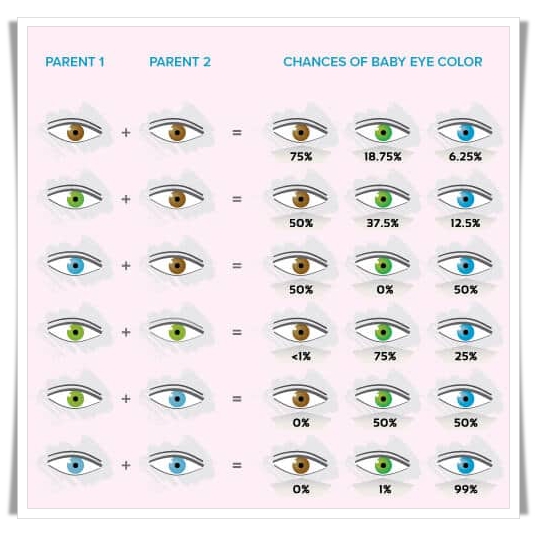
Many DTC genetic testing companies now offer ancestry and trait reports, which often include eye color prediction. These services typically focus on a set of well-established genetic markers associated with eye color. By analyzing these markers, the tests provide a probability distribution for various eye colors (e.g., a 70% chance of brown eyes, a 20% chance of blue, etc.). The accuracy has improved over time, moving beyond simple dominance models to account for the polygenic nature of the trait.
Genetic Counseling and Clinical Applications
For a more in-depth and personalized understanding, consulting with a genetic counselor or utilizing clinical genetic testing services can be beneficial. These professionals can guide expectant parents through the process of understanding their own genetic makeup and how it might influence their child’s traits. Clinical-grade genetic testing often involves a more comprehensive analysis of the genome and can be integrated with other genetic health screenings. While the primary goal is often health-related, insights into observable traits like eye color can be a supplementary outcome.
Understanding Probabilities, Not Certainties
It is paramount to understand that current technology provides probabilities, not definitive certainties, for eye color. Genetic inheritance is a complex interplay, and even with advanced analysis, there are always factors that can contribute to variation. The algorithms are based on statistical likelihoods derived from large population studies. This means that while the technology can significantly narrow down the possibilities and highlight the most probable outcomes, a rare combination of genetic influences or spontaneous genetic mutations could still lead to an unexpected result.
Limitations and Future Potential
Despite the advancements, limitations persist. The genetic basis of all eye color variations is not yet fully understood, especially for rarer shades or nuanced expressions. Furthermore, environmental factors, though less influential on eye color than genetics, can sometimes play a minor role in pigment development during early life. Future research aims to identify more genes and understand their complex interactions better, which will undoubtedly lead to even more precise predictive models. The continuous evolution of bioinformatics and AI will further refine these predictive capabilities.
Embracing the Journey of Parenthood with Technological Insights
The ability to explore the genetic predispositions of your future child, including their potential eye color, marks a significant shift in how we approach pregnancy and early parenthood. Technology has transformed a domain once governed solely by genetic lottery and anecdotal evidence into one where informed curiosity can be indulged with data-driven insights.
Informed Curiosity and Parental Bonding
For expectant parents, understanding the probabilities of their child’s eye color can be an engaging and bonding experience. It offers a unique way to connect with the science of genetics and to anticipate specific physical characteristics. While the ultimate surprise of a newborn’s appearance is a cherished part of parenthood, having access to these technological insights can add another layer of fascination and engagement to the pregnancy journey. It allows for a more active participation in understanding the biological marvel that is human development.
Managing Expectations and Celebrating Diversity
It’s crucial to use these technological insights responsibly. The primary purpose should not be to dictate or rigidly define expectations, but rather to foster understanding and celebrate the incredible diversity of human genetics. Whether the technology predicts blue eyes, brown eyes, or something in between, each outcome is a testament to the unique genetic inheritance of the child. The beauty of a baby lies in their entirety, and eye color is just one fascinating facet of their individual identity.

The Future of Trait Prediction Technology
As genetic technology continues its rapid ascent, we can anticipate even more sophisticated tools for predicting a wider range of traits. From hair color and height to predispositions for certain aptitudes, the future holds the promise of deeper genetic understanding. This evolving landscape will empower individuals with greater knowledge about their own genetic makeup and that of their future offspring, fostering a more informed and engaged approach to life and legacy. The journey to understanding our genetic heritage is ongoing, and with each technological stride, we unlock new possibilities for insight and connection.
aViewFromTheCave is a participant in the Amazon Services LLC Associates Program, an affiliate advertising program designed to provide a means for sites to earn advertising fees by advertising and linking to Amazon.com. Amazon, the Amazon logo, AmazonSupply, and the AmazonSupply logo are trademarks of Amazon.com, Inc. or its affiliates. As an Amazon Associate we earn affiliate commissions from qualifying purchases.