
The human experience is a tapestry woven with threads of joy, sorrow, triumph, and loss. Among the most profound and universally understood of these experiences is grief. While often associated with the death of a loved one, grief is a complex emotional response to any significant loss, whether it be a job, a relationship, a dream, or even a major life transition. Understanding the stages of grief, as first conceptualized by Elisabeth Kübler-Ross and later expanded upon, is not merely an academic exercise. It is an essential tool for navigating personal and professional challenges, fostering resilience, and building a more authentic and empathetic brand.

In the realm of personal and corporate branding, authenticity and emotional intelligence are paramount. How we respond to adversity, how we process loss, and how we communicate through difficult times significantly shape our perception and the trust others place in us. This article will delve into the widely recognized seven stages of grief, not as rigid, linear steps, but as a framework to understand the multifaceted journey of emotional processing. We will explore how recognizing these stages can enhance self-awareness, strengthen leadership, and ultimately contribute to a more robust and compassionate brand.
Understanding the Nuances of the Grief Journey
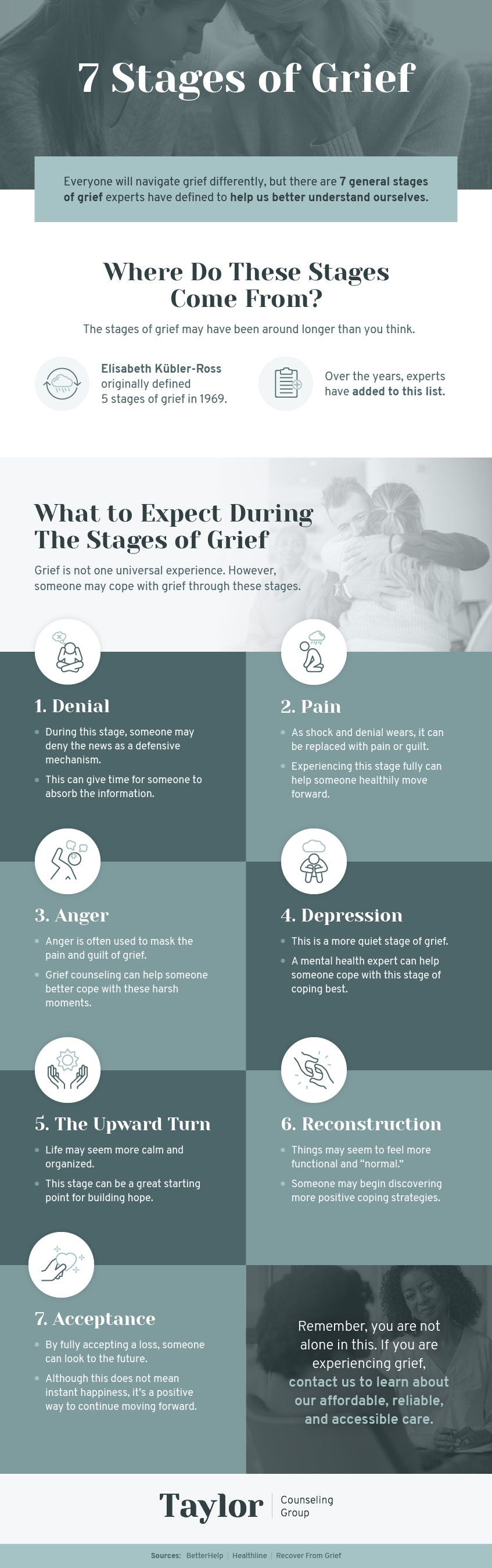
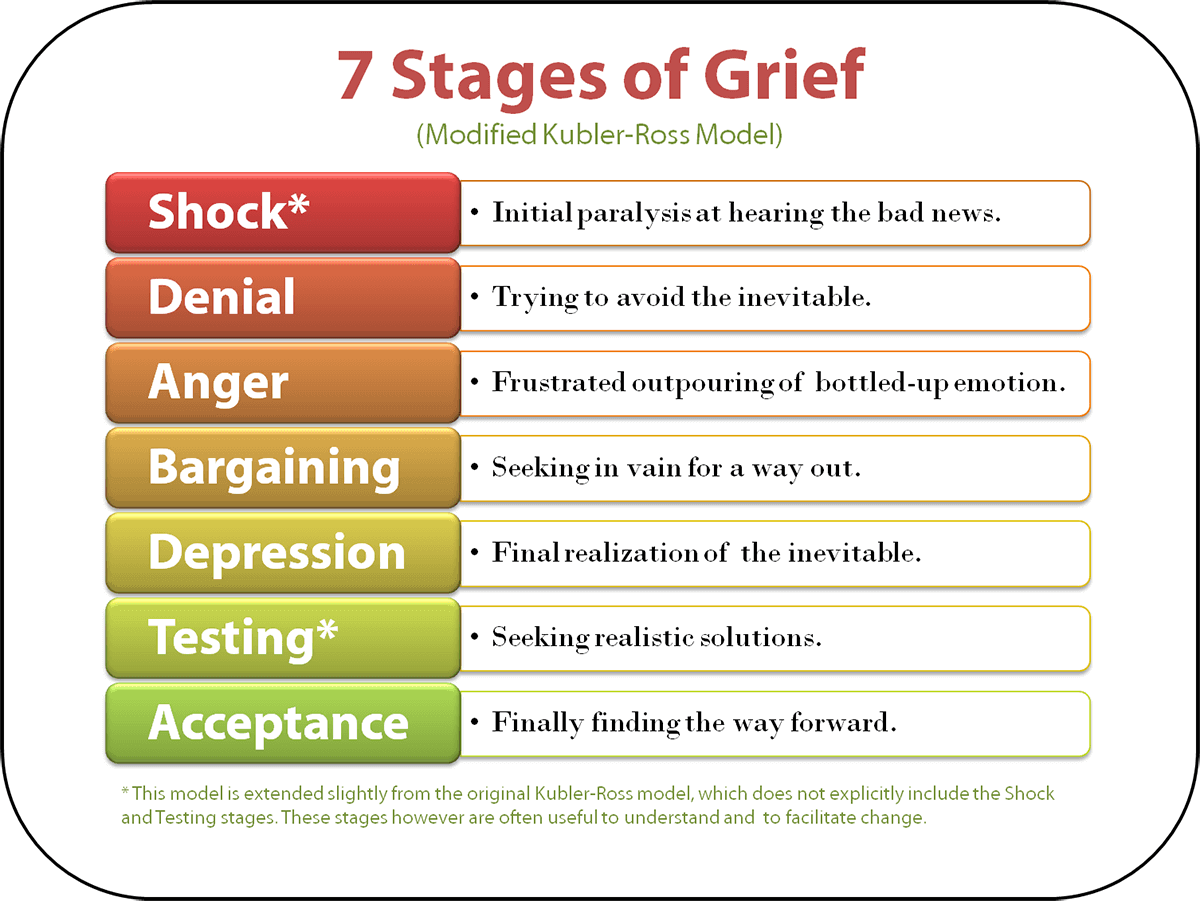
While the original Kübler-Ross model identified five stages (denial, anger, bargaining, depression, and acceptance), subsequent research and therapeutic understanding have expanded this to seven. It’s crucial to remember that this is not a prescriptive checklist. Individuals may experience these stages in a different order, skip stages, or revisit them multiple times. The intensity and duration of each stage also vary greatly from person to person and from loss to loss.
The Initial Shock: Disbelief and Numbness
The initial phase of grief often involves a sense of shock and disbelief. The reality of the loss is so overwhelming that the mind struggles to process it. This stage serves as a protective mechanism, buffering the immediate emotional impact.
Denial: The Unacceptability of Reality
Denial is a common initial reaction. It’s the mind’s way of saying, “This can’t be happening.” This isn’t necessarily a conscious effort to deceive oneself, but rather an involuntary defense mechanism. In a professional context, this might manifest as a reluctance to acknowledge a project’s failure, a market shift, or the departure of a key team member. It’s a temporary reprieve from the painful truth, allowing individuals to slowly begin to absorb the reality of their situation. The goal here is not to remain in denial, but to eventually allow the truth to surface.
Shock and Numbness: The Emotional Void
Following or alongside denial, individuals may experience profound shock and numbness. Emotions can feel dulled, and there might be a sense of detachment from oneself and the surrounding world. This is a state of emotional paralysis, where the full weight of the loss has not yet been felt. In a professional setting, this can look like a leader appearing stoic or detached in the face of significant setbacks, or a team struggling to react to unexpected news. This period, while disorienting, is a crucial step in preventing complete emotional overwhelm.
The Emotional Upheaval: Confronting the Pain
As the initial shock begins to subside, the raw emotions associated with grief start to surface. This is often the most challenging and turbulent period, as individuals confront the full reality of their loss.
Anger: The Frustration and Injustice
Anger is a natural and often powerful emotion experienced during grief. It can be directed at oneself, others, the situation, or even a higher power. This anger stems from a sense of injustice, frustration, and the sheer unfairness of the loss. For a brand, this might translate into frustration with competitors, perceived market unfairness, or even internal team dynamics that feel obstructed or blamed. Understanding this anger is key; it’s a sign that the individual or organization is beginning to engage with the loss, even if in a combative way. The energy of anger, when channeled constructively, can be a catalyst for change and problem-solving.
Bargaining: The “What Ifs” and Hopes for Reversal
Bargaining is characterized by a desire to regain control or reverse the loss. Individuals may find themselves replaying past events, wondering, “What if I had done this differently?” or making promises in an attempt to negotiate a different outcome. In a business context, this might involve exploring every conceivable option to salvage a failing venture or trying to re-negotiate terms that are no longer feasible. This stage, while often filled with wistful thinking, can also be a period of intense problem-solving and creative exploration. It signifies a deep desire for the loss not to be permanent, pushing individuals to exhaust all possibilities.
Depression: The Weight of Reality
As bargaining fades and the full impact of the loss becomes undeniable, a profound sense of sadness and despair can set in. This is not necessarily clinical depression, but a natural response to the reality of what has been lost. There may be feelings of emptiness, hopelessness, and a lack of motivation. For a brand, this might be reflected in a period of reduced productivity, a loss of enthusiasm among team members, or a dimming of the brand’s usual vibrancy. This stage is vital for processing the depth of the loss and acknowledging its significance. It’s a time for introspection and for allowing oneself to feel the weight of the situation.
Moving Towards Resolution: Rebuilding and Rediscovery
While the emotional upheaval of grief is intense, the journey doesn’t end in despair. Gradually, individuals begin to find ways to cope, adapt, and ultimately move forward.
Testing: The Re-engagement with Life
The “testing” phase, sometimes referred to as experimentation or reorganization, is where individuals begin to cautiously re-engage with life and explore new ways of living or working without what has been lost. This might involve trying out new strategies, testing boundaries, and seeing what feels manageable. In a brand context, this is the period of innovation, of exploring new markets, developing new products, or refining existing strategies. It’s a phase of practical problem-solving, where lessons learned from the previous stages are applied to create a path forward. It signifies a willingness to try again and to see what is possible.
Acceptance: Embracing the New Reality
Acceptance is not about being “okay” with the loss, but about acknowledging its reality and learning to live with it. It’s about understanding that life has changed and finding a way to move forward with this new understanding. This stage involves integrating the loss into one’s life narrative and finding a sense of peace. For a brand, acceptance means acknowledging market shifts, evolving customer needs, or past failures without dwelling on them, and using that knowledge to inform future decisions. It’s about embracing the present reality and building a future from it. This is where resilience truly takes root, allowing for continued growth and development.
The Impact of Grief Stages on Brand Identity and Leadership
Understanding the seven stages of grief has profound implications for both personal and corporate branding, particularly for leaders. How effectively leaders navigate their own grief, and how they support those within their organization who are grieving, directly impacts brand perception, employee morale, and overall organizational resilience.
Enhancing Personal Branding Through Emotional Intelligence
A strong personal brand is built on authenticity, trustworthiness, and genuine connection. Acknowledging and navigating grief with emotional intelligence allows individuals to demonstrate vulnerability, empathy, and resilience – all qualities that resonate deeply with audiences and stakeholders.
Vulnerability as Strength: Sharing one’s journey through grief, when appropriate and handled with care, can be a powerful act of vulnerability that fosters deeper connection. It humanizes leaders and brands, making them more relatable and approachable. This authenticity can build trust and loyalty in a way that polished, impenetrable personas cannot.
Resilience as a Brand Trait: Demonstrating resilience in the face of loss is a powerful message. It shows that challenges can be overcome, that setbacks are not insurmountable, and that there is strength in moving forward. This trait becomes a core component of a brand’s narrative, inspiring confidence and demonstrating adaptability.
Empathetic Communication: Understanding the grief journey allows leaders to communicate with greater empathy. Whether addressing team members facing personal loss, navigating organizational change, or responding to public crises, this understanding enables more sensitive and supportive messaging, crucial for maintaining a positive brand image and fostering a supportive work environment.
Building Resilient Corporate Brands Through Supportive Leadership
At a corporate level, the impact of grief extends beyond individual experiences. Organizational changes, market disruptions, and unexpected crises can all trigger collective grief responses within a company. Leaders who understand these dynamics can foster environments of support and build more resilient brands.
Fostering Psychological Safety: When leaders openly acknowledge the reality of loss and create space for emotional processing, they contribute to a culture of psychological safety. This allows employees to feel secure in expressing their feelings, seeking support, and ultimately contributing more fully to the organization. A brand that prioritizes its people’s well-being is a brand that is perceived as ethical and sustainable.
Navigating Organizational Transitions: Major organizational shifts, such as mergers, acquisitions, or significant layoffs, can evoke profound grief among employees. Leaders who are attuned to the stages of grief can proactively manage these transitions with greater sensitivity, implementing strategies to support staff through the upheaval. This not only mitigates negative impacts but can also strengthen the brand by demonstrating responsible and humane leadership.
Learning from Adversity: The stages of grief offer a framework for learning from challenging experiences. By analyzing how the organization and its individuals have navigated loss, leaders can identify areas of strength and weakness, informing future strategies and building a more robust, adaptable, and ultimately, more resilient brand identity that can weather future storms.
In conclusion, the seven stages of grief, while rooted in personal emotional processing, offer invaluable insights for anyone seeking to build and maintain a strong, authentic, and resilient brand. By understanding the ebb and flow of loss, individuals and organizations can cultivate greater empathy, demonstrate true resilience, and foster deeper connections, ultimately shaping a brand that is not only successful but also deeply human and enduring.
aViewFromTheCave is a participant in the Amazon Services LLC Associates Program, an affiliate advertising program designed to provide a means for sites to earn advertising fees by advertising and linking to Amazon.com. Amazon, the Amazon logo, AmazonSupply, and the AmazonSupply logo are trademarks of Amazon.com, Inc. or its affiliates. As an Amazon Associate we earn affiliate commissions from qualifying purchases.