
Halloween, a holiday celebrated globally, is more than just costumes and candy. It’s a rich tapestry woven with traditions, stories, and a distinct visual identity. Central to this identity are its signature colors: orange, black, and increasingly, purple and green. These hues are not arbitrary; they are powerful branding elements that have evolved over time to evoke specific emotions, communicate meaning, and solidify Halloween’s unique place in our cultural calendar. Understanding these colors isn’t just about appreciating aesthetics; it’s about recognizing the psychology and branding strategy that makes Halloween instantly recognizable and deeply resonant.

The Foundation: Orange and Black – The Quintessential Halloween Palette
The dominant colors of Halloween, orange and black, are deeply rooted in the holiday’s history and symbolism. Their enduring presence is a testament to their effectiveness as branding elements, creating an immediate and powerful association with the season.
The Symbolism of Orange: From Harvest to Haunting
Orange, in its vibrant, earthy tones, is inextricably linked to the autumn harvest. Historically, Halloween’s origins can be traced back to ancient Celtic festivals like Samhain, which marked the end of summer and the harvest season. The bounty of crops, the changing leaves, and the shortening days all contributed to the significance of orange. Pumpkins, a quintessential symbol of Halloween, are naturally orange, further cementing this connection.
Beyond the harvest, orange also carries connotations of warmth, energy, and even a playful spookiness. It’s a color that naturally draws the eye, making it highly effective in marketing and decoration. In branding, orange can represent enthusiasm, creativity, and a sense of festivity. For Halloween, it conjures images of glowing jack-o’-lanterns illuminating the crisp night air, the warmth of gathering indoors, and the general excitement of the holiday. It’s the color of transition, signaling the shift from the bright days of summer to the longer, darker nights of winter, a duality that perfectly mirrors the nature of Halloween itself – a celebration that bridges the light and the dark.
The Dominance of Black: The Night and the Mysterious Unknown
Black, on the other hand, represents the nocturnal aspect of Halloween and the inherent mystery associated with the holiday. It is the color of the night sky, the darkness that conceals unseen entities, and the void from which superstitions and ghost stories emerge. In branding, black often signifies elegance, power, and sophistication. However, in the context of Halloween, it takes on a more primal and evocative role.
Black is the canvas upon which the eerie and the supernatural are painted. It amplifies the impact of other colors, making the vibrant orange pop even more. It creates a sense of depth, unease, and anticipation. Think of the silhouette of a witch against a moonlit sky, the darkness of a haunted house, or the ominous shadows that play tricks on the eyes. Black taps into our primal fears and our fascination with the unknown. It also serves as a versatile backdrop, allowing for the stark contrast needed to highlight other festive elements. Its presence signifies the departure from the mundane and the embrace of the fantastical, the spooky, and the macabre.
The Evolution of the Palette: Purple and Green – Expanding the Halloween Narrative
While orange and black form the core of Halloween’s visual identity, the introduction and increasing prominence of purple and green have added new layers of meaning and expanded the holiday’s branding potential. These colors, while not as historically entrenched, have become integral to the modern Halloween aesthetic.
The Allure of Purple: Magic, Mysticism, and the Otherworldly
Purple has long been associated with royalty, luxury, and spirituality. In the context of Halloween, it lends a sense of magic, mysticism, and the otherworldly. It evokes images of potions brewing, enchantments being cast, and the ethereal presence of ghosts and spirits. Purple sits at the intersection of the warm and cool spectrum, giving it a unique ability to feel both inviting and mysterious.
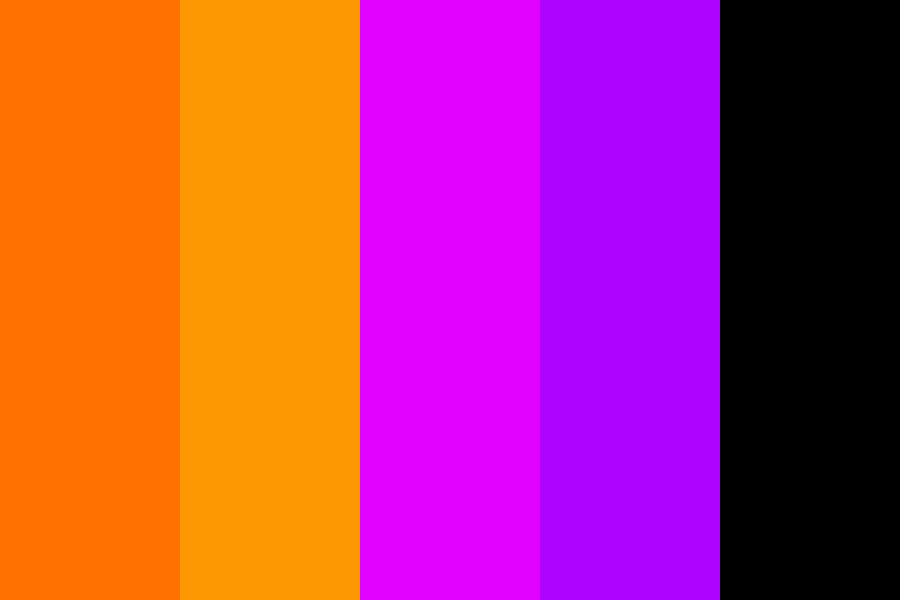
From a branding perspective, purple can suggest creativity, imagination, and a touch of the forbidden. It’s a color that encourages a sense of wonder and intrigue. Think of the swirling fog in a gothic tale, the shimmer of a sorcerer’s spell, or the vibrant hues of a mystical creature. Purple allows Halloween to transcend simple spookiness and venture into realms of fantasy and enchantment. It’s a color that appeals to a sense of escapism and the desire to explore the extraordinary. Its presence in Halloween branding often signifies a more sophisticated, magical, or even whimsical interpretation of the holiday, moving beyond just the scary to embrace the fantastical.
The Eerie Charm of Green: Decay, Enchantment, and the Monstrous
Green, particularly in its darker, more muted, or fluorescent shades, brings a different kind of unsettling energy to Halloween. It can symbolize decay, poison, and the grotesque, evoking images of slime, warts, and otherworldly creatures. However, it also carries associations with nature, particularly in its more untamed and mysterious forms, like a dark, phosphorescent swamp.
In branding, green can create a sense of unease, illness, or unnatural transformation. It’s the color of the witch’s brew, the monster’s skin, or the eerie glow of something unnatural emanating from the shadows. Lighter, more vibrant greens can also suggest enchantment and a playful, albeit slightly sinister, magic. It’s a color that can be both repulsive and captivating. The dual nature of green allows it to embody both the revulsion of decay and the allure of potent, potentially dangerous, magic. It adds a visceral element to Halloween, tapping into our discomfort with the unnatural and the decaying, while also providing a visual hook for fantastical creatures and magical elements.
Strategic Color Application: Branding Halloween’s Experience
The effectiveness of Halloween’s color palette lies not just in the individual colors themselves, but in how they are strategically combined and applied to create a cohesive and impactful brand experience. This is where the psychology of color meets the art of branding.
Contrast and Complementarity: Making the Brand Pop
The most striking aspect of Halloween’s branding is the powerful contrast created by pairing orange and black. This high contrast is incredibly effective in grabbing attention and creating a memorable visual identity. Black acts as a grounding force, while orange provides vibrancy and excitement. This combination is inherently festive and slightly alarming, perfectly capturing the dual nature of the holiday.
Furthermore, the addition of purple and green introduces complementary and analogous color relationships that enrich the overall aesthetic. Purple, when paired with orange, creates a rich, mystical feel. Green, especially a toxic or phosphorescent shade, can be juxtaposed with black for a truly eerie effect, or with orange for a jarring, unnatural combination. These strategic pairings ensure that the Halloween brand remains dynamic and adaptable, appealing to a wide range of emotional responses. This careful consideration of color relationships allows the brand to evoke specific moods and themes, from the lighthearted fun of trick-or-treating to the spine-chilling terror of a haunted attraction.
Evoking Emotion and Setting the Scene: The Psychology of Halloween Hues
Colors are powerful triggers of emotion, and Halloween’s palette is meticulously designed to elicit a specific set of feelings. Orange ignites feelings of warmth, excitement, and anticipation, while also reminding us of the cozy comforts of autumn. Black taps into our sense of mystery, fear, and the thrill of the unknown. Purple adds a layer of enchantment and wonder, inviting us into a world of fantasy and magic. Green, in its various shades, can evoke unease, fascination, or a sense of the bizarre and unnatural.
By understanding and strategically deploying these colors, brands – from individual decorators to large entertainment companies – can effectively communicate the essence of Halloween. Whether it’s a pumpkin patch, a costume shop, a haunted house, or a themed party, the consistent and intentional use of these colors creates an immediate brand recognition and sets the desired emotional tone, preparing consumers for the experience they are about to have. This emotional resonance is a cornerstone of successful brand building, ensuring that the holiday, and the businesses that celebrate it, leave a lasting impression.

Conclusion: The Enduring Power of Halloween’s Color Branding
The colors of Halloween are far more than just a festive aesthetic; they are a sophisticated branding strategy that has evolved over time, leveraging color psychology to create a universally recognized and deeply impactful experience. From the foundational partnership of orange and black, rooted in harvest and darkness, to the enriched narrative brought by purple and green, symbolizing magic and the monstrous, these hues work in concert to define the holiday’s unique identity.
The strategic application of contrast, complementarity, and emotional resonance ensures that Halloween’s color palette remains potent and adaptable. It allows for the creation of diverse experiences, from the lighthearted to the terrifying, all while maintaining a core brand recognition. As the holiday continues to evolve, its colors will undoubtedly remain at the forefront, a testament to their enduring power in shaping our perceptions and amplifying the spirit of Halloween. Understanding these colors is understanding the visual language of a beloved global celebration, a language that speaks volumes about tradition, mystery, and the thrill of the season.
aViewFromTheCave is a participant in the Amazon Services LLC Associates Program, an affiliate advertising program designed to provide a means for sites to earn advertising fees by advertising and linking to Amazon.com. Amazon, the Amazon logo, AmazonSupply, and the AmazonSupply logo are trademarks of Amazon.com, Inc. or its affiliates. As an Amazon Associate we earn affiliate commissions from qualifying purchases.