
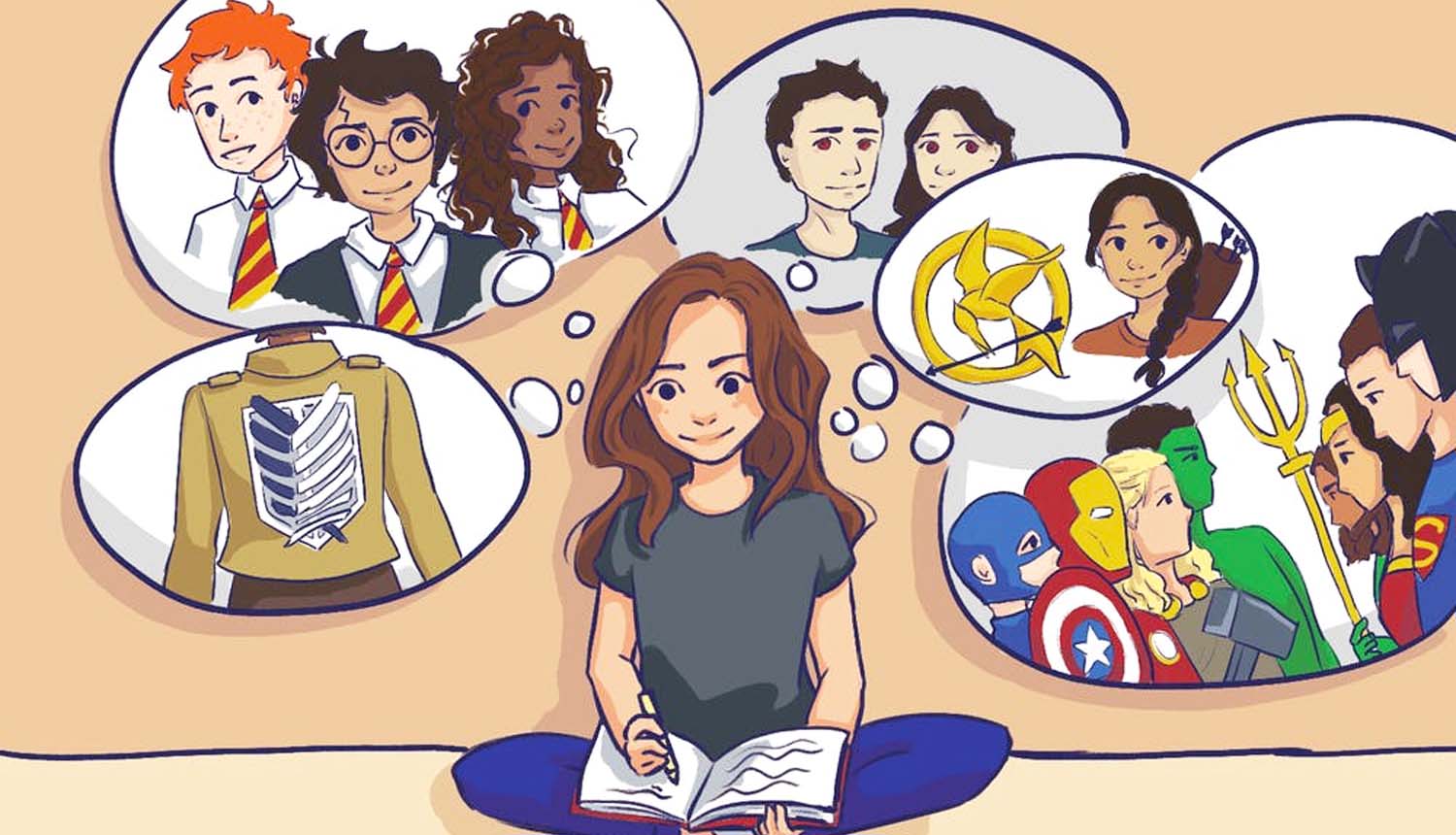
Fanfiction, often abbreviated as fanfic, is a phenomenon that has exploded in popularity in the digital age, yet its roots stretch back much further. At its core, fanfiction is the act of taking existing characters, settings, and plotlines from established fictional works – be they books, movies, TV shows, video games, or even real people (in the case of “RPS” or Real Person Slash) – and creating entirely new stories with them. It’s a powerful demonstration of creative engagement, where fans not only consume stories but actively participate in their expansion and reinterpretation.
While often associated with the internet and online communities, the impulse to write new stories based on beloved characters isn’t new. Early examples can be found in Homer’s epics, where poets would often retell myths with their own interpretations. More modern precursors include fan letters and zines (self-published magazines) that circulated among enthusiasts of science fiction, fantasy, and popular television shows long before the advent of the internet. The digital age, however, has democratized and amplified fanfiction writing, providing platforms like Archive of Our Own (AO3), FanFiction.net, and Wattpad, which allow millions of creators to share their work instantly with a global audience.

This article will delve into the multifaceted world of fanfiction, exploring its technological underpinnings, its role in fostering digital communities, and its surprising economic implications.
The Digital Ecosystem of Fanfiction Creation and Distribution
The proliferation of fanfiction is inextricably linked to advancements in digital technology and the rise of the internet. These technologies have not only made it easier to write and share stories but have also fostered vibrant communities around these creative endeavors.
Platforms and Accessibility: The Internet as a Creative Canvas
The internet has been the single most significant factor in the modern fanfiction boom. Before the widespread adoption of the internet, fanfiction was often a more clandestine and difficult endeavor. Writers would painstakingly mail zines, or share their work through word-of-mouth or small, localized fan clubs. The digital revolution changed all of this by offering:
- Centralized Archives: Websites like Archive of Our Own (AO3), FanFiction.net, and Wattpad serve as vast digital libraries for fanfiction. AO3, in particular, is renowned for its robust tagging system, user-friendly interface, and commitment to being a non-profit, creator-owned platform. These sites allow authors to upload their stories, categorize them by fandom, genre, and specific tropes, and make them accessible to readers worldwide.
- Ease of Uploading and Discovery: Digital platforms remove the logistical barriers of traditional publishing. Anyone with an internet connection can create an account, write, and publish their work. Sophisticated search and filtering tools on these platforms enable readers to discover stories based on specific characters, relationships, plot elements, or even emotional tones. This level of discoverability was virtually impossible in the pre-internet era.
- Real-time Interaction and Feedback: The internet facilitates immediate feedback through comments and kudos (a form of “liking” or appreciation). This direct interaction between authors and readers is crucial for fanfiction writers. It provides encouragement, constructive criticism, and a sense of community, all of which can fuel further creativity. Authors can see which stories resonate with audiences, which prompts engagement, and learn from their peers.
- Cross-Platform Accessibility: Modern fanfiction is accessible on a wide range of devices – laptops, tablets, and smartphones. This ubiquity means that readers can access stories anytime, anywhere, contributing to the constant consumption and creation cycle that defines fanfiction culture. The rise of mobile apps for some platforms further enhances this accessibility, turning downtime into reading opportunities.
Digital Tools for the Modern Fanfic Creator
Beyond the platforms themselves, a suite of digital tools has emerged to support fanfiction writers in their creative process. These tools leverage technology to streamline writing, editing, and even research.
- Word Processors and Writing Software: While basic word processors like Microsoft Word and Google Docs are staples, more specialized writing software is also utilized. Programs like Scrivener are popular for their ability to organize complex projects, allowing writers to break down long fanfics into chapters, scenes, and notes. They also offer features for research integration and manuscript formatting.
- Grammar and Style Checkers: Tools like Grammarly, ProWritingAid, and the built-in checkers in word processors are invaluable for fanfiction writers. They help identify grammatical errors, spelling mistakes, stylistic inconsistencies, and even suggest improvements for clarity and flow. For writers whose first language may not be English, these tools can be particularly empowering, helping them to communicate their stories effectively.
- Online Research Tools: The depth and breadth of information available online are critical for fanfiction writers aiming for accuracy or specific details within their chosen fandom. Wiki pages dedicated to specific franchises, fan forums, and even official databases provide a wealth of material. Search engines are indispensable for fact-checking, exploring character backstories, or understanding the nuances of a fictional world.
- AI-Assisted Writing Tools: Emerging AI writing assistants, while still in their nascent stages for creative fiction, are beginning to be explored by some fanfiction writers. These tools can assist with brainstorming plot ideas, generating dialogue prompts, or even suggesting alternative phrasing. However, the ethical considerations and creative control aspects of AI in fanfiction are subjects of ongoing discussion within the community. The core of fanfiction remains the human element of passion and personal interpretation, which AI, at present, cannot replicate.
- Organizational Tools: Beyond writing software, general productivity tools like Trello, Notion, or simple spreadsheets are used by dedicated fanfiction authors to manage their writing schedules, track story progress, plan complex plotlines, and keep character notes organized.
The technological landscape has, therefore, transformed fanfiction from a niche hobby into a global, accessible, and dynamic creative pursuit. It has empowered countless individuals to express their passion for existing stories by contributing their own unique visions.
Community and Collaboration: The Social Fabric of Fanfiction
While the technological infrastructure of fanfiction is vital, its true essence lies in the vibrant, interconnected communities that form around shared fandoms and creative expression. These digital spaces foster collaboration, mentorship, and a powerful sense of belonging.

Online Fandoms as Social Hubs
The internet has enabled the formation of massive, geographically dispersed fandoms that coalesce around shared interests. Within these fandoms, fanfiction serves as a central pillar of engagement.
- Shared Passion and Connection: Fanfiction is born from a deep appreciation for existing works. This shared passion acts as an immediate common ground, allowing individuals from diverse backgrounds to connect. Online forums, social media groups (like Tumblr, Reddit, and Twitter), and dedicated fandom wikis serve as meeting points where fans discuss canon, speculate about future plotlines, and share their creative works.
- The Role of Fandom Wikis and Lore Compilations: For many fanfiction writers, comprehensive fan wikis are indispensable resources. These collaboratively edited encyclopedias document every aspect of a fictional universe – character histories, plot summaries, world-building details, and even trivia. They provide writers with a readily accessible repository of information, ensuring a degree of accuracy and consistency within their fanworks, especially when dealing with complex or long-running franchises.
- Discussion Boards and Comment Sections: The comment sections on fanfiction archives and dedicated discussion boards are more than just places for readers to leave feedback. They are active spaces for debate, analysis, and the building of relationships. Readers might discuss character motivations, plot holes, or their favorite interpretations. Authors often engage with these comments, fostering a dialogue that can inspire future writing and refine their understanding of their audience.
- Social Media as a Catalyst: Platforms like Tumblr, Twitter, and Instagram have become powerful engines for fanfiction promotion and community building. Hashtags allow writers to tag their works by fandom, characters, or tropes, making them discoverable. Fan artists often collaborate with fanfiction writers, creating artwork inspired by specific stories, further amplifying reach and engagement. Viral trends and “fan wars” (discussions or debates about different interpretations of canon) also contribute to the dynamic nature of these online communities.
Collaborative Creation and Cross-Pollination
The interconnected nature of online fandoms encourages a spirit of collaboration and mutual inspiration, pushing the boundaries of fan-created content.
- Beta Readers and Editors: A crucial element of the fanfiction community is the practice of beta reading. Beta readers are volunteers who read a draft of a fanfiction story and provide feedback on plot, characterization, pacing, grammar, and spelling. This collaborative editing process is invaluable, helping authors to polish their work before wider publication. Many beta readers are themselves writers, offering their expertise to others.
- Podfics and Fan Vids: Technology has also enabled new forms of collaborative fan creation. “Podfics” are audio recordings of fanfiction, often read by talented voice actors within the community. “Fan vids” are compilations of clips from the source material, edited together with music to tell a story or evoke a particular emotion, often inspired by fanfiction narratives. These collaborations demonstrate how fan creations can evolve and intersect across different media.
- Prompt Exchanges and Challenges: To stimulate creativity and encourage writing, many fan communities organize prompt exchanges and writing challenges. Authors can submit prompts (ideas for stories), and other writers can claim these prompts to create their own fanfiction. These challenges, often themed around specific holidays, characters, or events, foster a sense of collective effort and provide writers with structured opportunities to explore new ideas.
- Building Original Content from Fan Works: While the focus is on existing IP, the skills honed through fanfiction writing – character development, plot construction, dialogue writing, and world-building – often translate to original content creation. Many published authors and screenwriters began their careers writing fanfiction, using it as a safe space to experiment and develop their craft. The fanfiction ecosystem, therefore, acts as an informal incubator for emerging creative talent.
The social fabric of fanfiction, woven together by technology and shared passion, is a testament to the power of community in fostering creativity and connection.
The Economic Undercurrents: Monetization and the Creator Economy
While fanfiction is largely a non-commercial endeavor driven by passion, its sheer scale and engagement have begun to create subtle yet significant economic ripples and illuminate aspects of the burgeoning creator economy.
The “Non-Commercial” Ethos and Its Implications
Historically, fanfiction has operated under a strong non-commercial ethos. The creation and distribution of fanfiction have traditionally been free, driven by the desire to share creativity and engage with beloved characters. This has led to:
- Copyright Considerations: Fanfiction writers generally do not seek to profit from their work, acknowledging that the original characters and settings belong to their copyright holders. This respect for intellectual property is a cornerstone of the fanfiction community, distinguishing it from plagiarism or unauthorized commercial exploitation.
- Focus on Creative Expression: The absence of direct financial pressure allows fanfiction writers to explore a vast array of themes, genres, and character dynamics that might not be commercially viable in traditional publishing. This freedom leads to immense creative diversity, from deeply emotional character studies to elaborate plot expansions and humorous reinterpretations.
- Community-Driven Value: The value derived from fanfiction is primarily intrinsic – the joy of creation, the connection with other fans, and the satisfaction of seeing beloved characters explored in new ways. This intrinsic value has fostered incredibly loyal and engaged communities, which are a significant asset in themselves.
Emerging Monetization Avenues and the Creator Economy
Despite the non-commercial foundation, the immense popularity and engagement surrounding fanfiction have naturally led to discussions and experimentation with monetization, mirroring broader trends in the creator economy.
- Donations and Patronage: Many fanfiction writers, particularly those with a substantial following, utilize platforms like Ko-fi or Patreon. These allow readers to voluntarily donate small amounts of money to support their favorite authors. This is not a transactional purchase of content but rather a direct donation to support the creator’s efforts, often in exchange for behind-the-scenes content, early access to chapters, or personalized acknowledgments.
- Commissions and Custom Content: Some fanfiction writers offer commissioned stories for a fee. This involves a reader requesting a specific story be written based on their ideas, within the boundaries of the original IP. This is a more direct form of payment for custom creative work and is usually transparently communicated as a service offered by the writer.
- Transition to Original Fiction: Perhaps the most significant economic impact of fanfiction lies in its role as a stepping stone to original content creation. Many successful authors and screenwriters honed their skills by writing fanfiction. The experience gained in character development, plot structuring, and engaging an audience can be directly applied to their own original works. This transition is often facilitated by the transferable skills and built-in audience that fanfiction can provide. Publishers and agents are increasingly recognizing the talent pool within the fanfiction community.
- Merchandise and Community-Driven Initiatives: In some instances, fan communities have organized to create merchandise (like fan art prints or t-shirts) related to popular fanfiction stories or specific fandoms, with proceeds often reinvested back into the community or shared among the creators. This is a more collective form of economic activity, driven by the shared appreciation for the creative output.
- The “Fanfic Economy” of Time and Attention: While not directly monetary, the “economy” of fanfiction is heavily influenced by the investment of creators’ time and readers’ attention. The success of a fanfic is often measured in kudos, comments, and hits, which represent the author’s return on investment of creative effort. This digital currency of engagement is highly valued within the community and can be a significant motivator for continued creation.
The economic landscape of fanfiction is evolving. While the core remains a passion-driven, non-commercial pursuit, the rise of platforms and community expectations have opened up avenues for creators to be supported and for their skills to be recognized, contributing to the broader narrative of the digital creator economy.
aViewFromTheCave is a participant in the Amazon Services LLC Associates Program, an affiliate advertising program designed to provide a means for sites to earn advertising fees by advertising and linking to Amazon.com. Amazon, the Amazon logo, AmazonSupply, and the AmazonSupply logo are trademarks of Amazon.com, Inc. or its affiliates. As an Amazon Associate we earn affiliate commissions from qualifying purchases.