
Cellular shades, also known by various names such as honeycomb shades or cellular blinds, represent a significant evolution in window treatment technology, offering a blend of aesthetic appeal, superior insulation, and practical functionality. While at first glance they might appear to be just another type of blind, a deeper dive into their construction and the underlying principles reveals a sophisticated design engineered for optimal performance. This article will explore the intricate world of cellular shades, demystifying their construction, highlighting their technological advantages, and examining their impact on energy efficiency and interior design from a purely technological perspective.
The Anatomy of Efficiency: Understanding Cellular Shade Construction
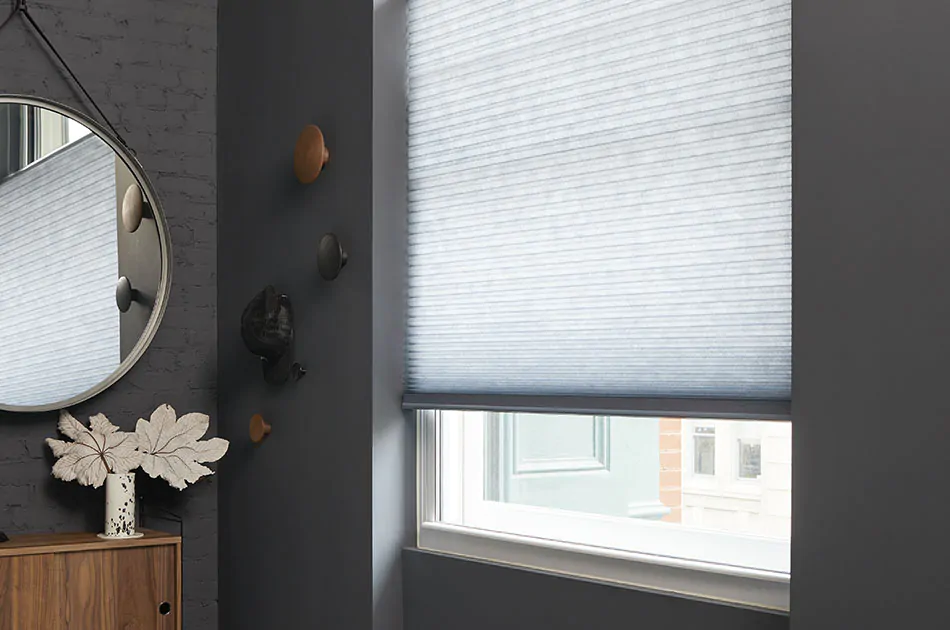
The defining characteristic of cellular shades lies in their unique honeycomb-like structure. Unlike traditional flat blinds or even pleated shades, cellular shades are meticulously crafted from a single piece of fabric that is folded into a series of air-filled cells. This origami-like construction is not merely for visual interest; it is the fundamental innovation that drives their superior insulating properties.
The Hexagonal Cell Design
The hexagonal shape of the cells is paramount to their function. This geometric configuration creates a highly stable and robust structure capable of trapping air effectively. Imagine a honeycomb in nature – its hexagonal cells are incredibly strong for their weight and efficient in their use of space. Cellular shades leverage this same principle. When viewed from the side, the shade presents a series of parallel cells, reminiscent of a honeycomb. These cells are typically stacked closely together, creating a dense matrix of insulating pockets. The number of cells can vary, with single-cell, double-cell, and even triple-cell constructions available. Generally, the more cells a shade has, the greater its insulating capability and its ability to block light and sound.
Material Science and Fabric Choices
The materials used in the fabrication of cellular shades are crucial to their overall performance. The fabric itself is usually a non-woven polyester or a composite material. These materials are chosen for their durability, ability to hold their shape, and their inherent insulating qualities. The way the fabric is treated and finished also plays a role. Some fabrics are coated to enhance their light-filtering or room-darkening capabilities, while others are designed to reflect solar heat. The pleating process, which forms the cells, is achieved through advanced manufacturing techniques that ensure precise and consistent folding, maintaining the integrity of the air pockets.
Operating Systems: Integrating Technology for Ease of Use
The technology behind cellular shades extends beyond their fabric structure to encompass their operating systems. Over the years, these systems have evolved to offer a range of options, from manual control to fully automated solutions. This technological integration aims to enhance user convenience, safety, and the overall aesthetic appeal of the window treatment.
Corded and Cordless Mechanisms
The most basic operating system is the traditional corded mechanism. This involves a cleat on the side of the window frame to which a cord is attached. Pulling the cord raises or lowers the shade. While functional, corded systems can pose a safety hazard for children and pets, leading to the development of cordless options. Cordless cellular shades have become increasingly popular due to their sleek design and enhanced safety features. These systems typically employ a spring-loaded mechanism or a lift system that allows the user to simply pull down on the bottom rail to lower the shade and gently push up to raise it. The internal spring tension holds the shade at any desired height.
Motorization and Smart Home Integration
The pinnacle of cellular shade technology lies in their motorization and integration with smart home systems. These advanced systems allow users to control their shades remotely via a smartphone app, a dedicated remote control, or even through voice commands using virtual assistants like Amazon Alexa or Google Assistant. Motorized cellular shades can be programmed to open and close at specific times of the day, optimizing natural light and energy savings. This level of automation aligns with the growing trend towards connected homes and intelligent building management. The motors are typically discreetly integrated into the headrail, maintaining the clean lines of the shade. The technology behind these systems involves wireless communication protocols (such as Wi-Fi or Bluetooth) and sophisticated control boards that manage the motor’s operation.
The Science of Insulation: Cellular Shades as Energy Savers
The primary technological advantage of cellular shades is their remarkable ability to insulate. This stems directly from their unique construction, which creates a barrier against heat transfer, thereby reducing energy consumption and enhancing indoor comfort.
Trapping Air for Thermal Performance
The hexagonal cells within the shade act as miniature thermal barriers. Each cell traps a pocket of air, which is a poor conductor of heat. When the outside temperature is cold, the trapped air resists the transfer of heat from the warmer interior to the colder exterior. Conversely, on a hot day, the air pockets impede the flow of heat from the hot exterior into the cool interior. This buffering effect significantly reduces the amount of energy required to maintain a comfortable indoor temperature.
Reducing Heat Transfer: Conduction, Convection, and Radiation
Cellular shades combat heat transfer through all three primary mechanisms: conduction, convection, and radiation.
- Conduction: The fabric itself has some inherent insulating properties, but the primary benefit comes from the trapped air. Air has a much lower thermal conductivity than solid materials, significantly slowing down heat transfer by direct contact.
- Convection: The cellular structure prevents the free circulation of air. In a flat window covering, air can move easily, carrying heat with it. The enclosed cells of a cellular shade significantly restrict this convective airflow, further enhancing their insulating capabilities.
- Radiation: Certain cellular shades can be manufactured with special coatings or reflective materials on the inner surfaces of the cells. These coatings are designed to reflect radiant heat. In the summer, they reflect solar radiation away from the window, and in the winter, they reflect the interior heat back into the room, minimizing heat loss. This multi-faceted approach to blocking heat transfer makes cellular shades a highly effective energy-saving solution.
Light Control and UV Protection: Beyond Insulation
While insulation is a key technological benefit, cellular shades also excel in their ability to control light and protect interiors from harmful ultraviolet (UV) radiation. The variety of fabrics and opacities available allows for tailored light management solutions.
Opacities: From Sheer to Blackout
Cellular shades are available in a spectrum of opacities, each offering distinct levels of light filtration and privacy.
- Sheer: These fabrics allow a significant amount of natural light to filter through, providing a soft, diffused illumination while offering a moderate degree of privacy. They are ideal for living areas where a bright, airy feel is desired.
- Light Filtering: These shades block direct sunlight and reduce glare, while still allowing a good amount of ambient light to enter the room. They are a popular choice for bedrooms and offices, offering a balance between light and privacy.
- Room Darkening: These fabrics significantly reduce the amount of light entering a room, creating a more subdued atmosphere. They are excellent for media rooms or bedrooms where a darker environment is preferred for sleeping.
- Blackout: These are the most opaque option, capable of blocking nearly all incoming light. Blackout cellular shades are essential for environments that require complete darkness, such as nurseries, home theaters, or for individuals with light sensitivity.
The technological aspect here lies in the weaving and treatment of the fabric. Advanced weaving techniques create dense structures for room-darkening and blackout effects, while specialized coatings can enhance these properties.
UV Blocking Capabilities
Most cellular shade fabrics offer excellent UV protection, blocking up to 99% of harmful UV rays. This is a critical technological feature that protects interior furnishings, flooring, and artwork from fading and damage caused by prolonged exposure to sunlight. The UV-blocking properties are typically inherent to the fabric composition or achieved through specific coatings applied during the manufacturing process. This aspect of cellular shade technology directly contributes to the longevity and preservation of interior aesthetics.
Design and Application: The Technological Integration in Interior Spaces
Cellular shades are not just functional; they are also a sophisticated design element that can enhance the aesthetic and technological integration of any interior space. Their clean lines, minimalist profile, and versatile operating systems make them suitable for a wide range of architectural styles and applications.
Minimalist Aesthetics and Clean Lines
The inherent structure of cellular shades lends itself to a modern and minimalist aesthetic. When raised, they collapse into a very small stack at the top of the window, creating an unobstructed view and a clean, uncluttered appearance. This compact profile is a testament to the efficiency of their design. The absence of visible cords (in cordless and motorized versions) further contributes to this sleek look, making them an ideal choice for contemporary interiors where form and function are equally important.
Versatility in Window Shapes and Sizes
The flexibility of cellular shade manufacturing allows them to be custom-made for virtually any window shape or size. This includes standard rectangular windows, as well as uniquely shaped windows such as arches, skylights, and corner windows. The ability to conform to complex window geometries is a significant technological advantage, ensuring that even non-standard architectural features can be treated with effective insulation and light control.
Applications in Smart Homes and Energy-Efficient Buildings
The integration of cellular shades into smart home ecosystems and energy-efficient building designs is a rapidly growing area. Their ability to be automated and programmed to respond to environmental conditions (such as sunlight intensity or temperature) makes them a key component of intelligent building management.
- Automated Light and Temperature Regulation: Motorized cellular shades can be linked to smart thermostats and light sensors. For example, they can automatically lower during the hottest parts of the day to reduce solar heat gain and then raise in the evening to allow residual heat to escape, or vice versa depending on the season.
- Energy Auditing and Performance Monitoring: In commercial or advanced residential settings, the performance of cellular shades can be monitored as part of a building’s overall energy management system. Data on their effectiveness in reducing heating and cooling loads can be collected, providing insights for further optimization.
- Accessibility and Comfort: For individuals with mobility challenges or those who simply desire greater convenience, motorized cellular shades offer a technological solution that enhances comfort and accessibility. The ability to control window treatments with a simple voice command or a tap on a screen eliminates the need for manual operation.
In conclusion, cellular shades are a technologically advanced window treatment solution that offers a compelling combination of insulation, light control, UV protection, and aesthetic versatility. Their honeycomb structure, coupled with evolving operating systems and smart home integration capabilities, positions them as a key innovation in the pursuit of energy efficiency and modern interior design. They represent a smart investment in comfort, savings, and the preservation of your living spaces.
aViewFromTheCave is a participant in the Amazon Services LLC Associates Program, an affiliate advertising program designed to provide a means for sites to earn advertising fees by advertising and linking to Amazon.com. Amazon, the Amazon logo, AmazonSupply, and the AmazonSupply logo are trademarks of Amazon.com, Inc. or its affiliates. As an Amazon Associate we earn affiliate commissions from qualifying purchases.