
The image of the angel, a celestial messenger often depicted with feathered wings and a serene, human-like form, is deeply ingrained in our collective consciousness. Yet, this familiar iconography is a relatively modern interpretation, a product of artistic evolution and cultural shifts. To understand “what angels really looked like,” we must journey back to the earliest textual and visual representations, tracing their transformation through millennia of human imagination and interpretation. This exploration, however, is not merely an academic exercise in art history or theology. In the digital age, these ancient concepts are being re-examined and re-imagined with unprecedented tools, offering a unique lens through which to understand their enduring appeal and the underlying human desires they represent.
The Primordial Vision: Early Textual Descriptions and Their Ambiguities
The earliest accounts of angelic beings, found in ancient Near Eastern texts and the foundational scriptures of Judaism and Christianity, offer a far more complex and often unsettling picture than the gentle cherubs of Renaissance art. These descriptions are not concerned with aesthetic beauty in the human sense; rather, they emphasize overwhelming power, otherworldliness, and a divine aura that would inspire awe and terror.
The “Living Creatures” of Ezekiel
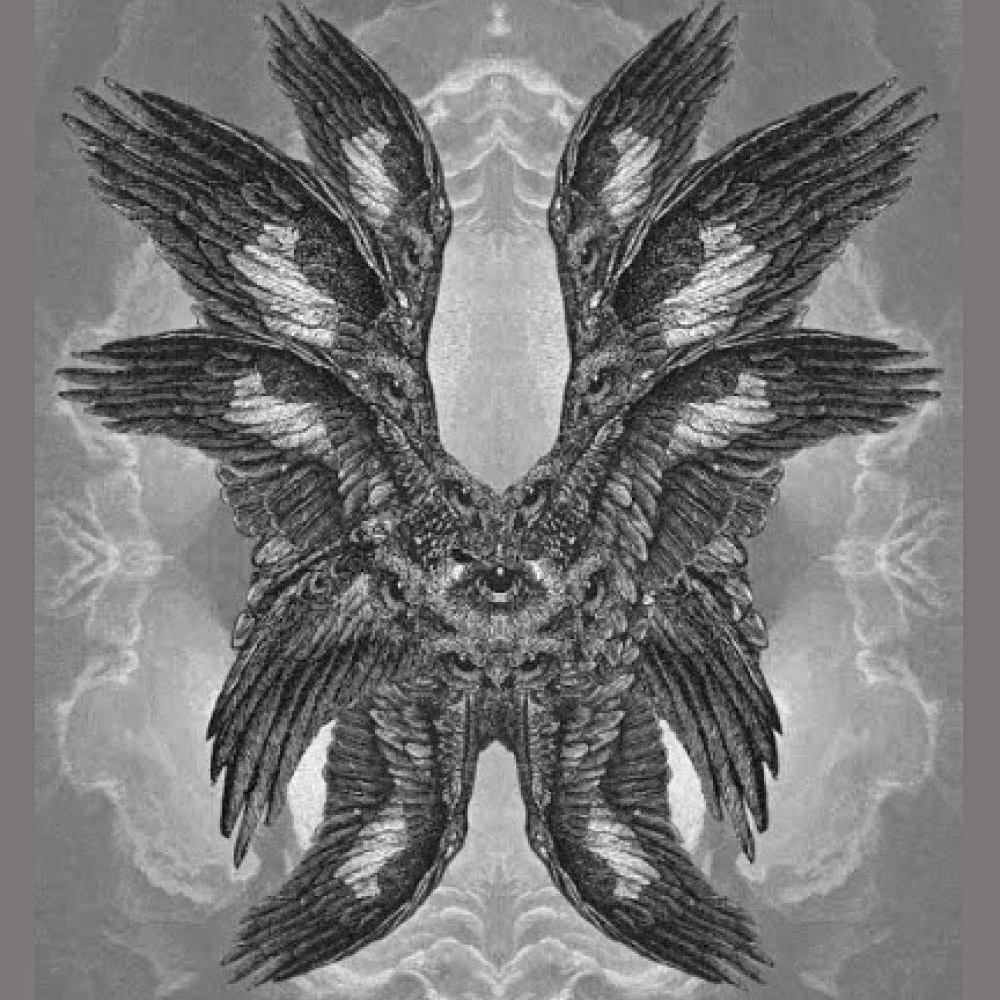
Perhaps the most striking and detailed early description comes from the prophet Ezekiel. His visions of divine chariots and celestial beings are populated by creatures that defy easy categorization. He describes four living creatures, each with four faces: that of a man, a lion, an ox, and an eagle. They possess multiple wings, not for gentle flight, but for rapid movement and to cover their bodies. Their feet are like those of a calf, and their bodies shimmer like polished bronze. Most importantly, these beings are described as having eyes all around, both on their faces and on their wings, suggesting omnipresence and a constant, unblinking awareness. This vision is not of comforting guides, but of formidable, awe-inspiring entities intimately connected to the divine throne.
The Seraphim and Cherubim: Guardians of the Divine
Other early biblical texts introduce the Seraphim and Cherubim. The Seraphim, mentioned in Isaiah’s vision, are serpentine beings with six wings: two to cover their faces, two to cover their feet, and two for flight. They are depicted as intensely active, crying out “Holy, holy, holy is the Lord Almighty.” Their primary role appears to be the purification and worship of God. The Cherubim, found in earlier narratives like Genesis and later in Ezekiel, are often depicted as guardians. In the Garden of Eden, they are stationed to prevent humanity’s return after the Fall. Their forms are varied in early traditions, sometimes described as winged creatures, at other times more abstract representations of divine presence. The key is their function as protectors of sacred spaces and divine mysteries.
The Celestial Host: A Multifaceted Divine Retinue
Beyond specific types of angelic beings, the concept of a “host” or army of heaven is prevalent. These beings are not individualistic entities but part of a grand, organized divine retinue. Their descriptions often focus on their collective power and their role in carrying out God’s will. They are messengers, warriors, and attendants to the divine. The ambiguity in these early texts allows for a wide range of interpretations, but a common thread is their alienness, their overwhelming presence, and their direct connection to the divine.
The Greco-Roman Influence: Sculpting Serenity and Humanizing the Divine
As Christianity spread throughout the Roman Empire, it encountered a rich artistic and philosophical tradition. The visual language of classical antiquity began to profoundly influence how angelic beings were depicted, gradually leading to a more anthropomorphic and aesthetically pleasing representation.
The Idealized Human Form: Echoes of Greek Sculpture
The classical Greek emphasis on the idealized human form, with its perfect proportions and serene beauty, provided a powerful template for angelic representation. Artists, trained in this tradition, began to imbue their angels with the grace and dignity of Greek gods and heroes. The muscularity of Apollo or the noble bearing of Zeus could be subtly adapted to depict celestial messengers. This shift moved away from the terrifying and alien toward the relatable and aspirational.
The Introduction of Wings: A Practical Necessity for Messengers
While some earlier texts alluded to wings, their widespread adoption as a defining feature solidified during this period. The concept of the angel as a messenger—a divine emissary traversing the heavens to communicate with humanity—necessitated a visual cue for flight. The natural form of bird wings, readily understood within the visual lexicon of the Roman world, became the standard. These wings were often depicted as grand and majestic, adding to the celestial aura without necessarily resorting to the monstrous.
The Evolution of the Halo: Symbol of Divine Light

The halo, or nimbus, also became a common attribute, evolving from earlier symbols of radiant crowns or solar discs. It served to visually distinguish divine or sacred beings from mortals, signifying their connection to heavenly light and spiritual authority. The evolution of the halo from a simple circle to more elaborate forms reflects the growing complexity of theological and artistic expression.
The Renaissance and Beyond: The Angel as an Emblem of Divine Love and Beauty
The Renaissance marked a golden age for the artistic depiction of angels, solidifying many of the visual tropes we recognize today. This era saw angels not just as powerful intermediaries or messengers, but as embodiments of divine love, beauty, and grace, often rendered with exquisite detail and emotional depth.
The Serene, Humanized Messenger: Raphael and Leonardo
Masters like Raphael and Leonardo da Vinci elevated the angelic image to new heights of idealized humanism. Raphael’s putti, the cherubic figures that often adorn his works, are plump, playful, and full of life, representing a more approachable aspect of the divine. His archangels, like Michael and Gabriel, are depicted as noble warriors and serene heralds, their human features imbued with celestial dignity. Leonardo da Vinci, with his keen understanding of anatomy and light, rendered angels with a lifelike quality, their expressions conveying profound emotion and spiritual presence.
The Embellishment of Attributes: Symbols of Role and Power
During the Renaissance and into the Baroque period, angelic iconography became richer with symbolic attributes that denoted their specific roles and powers. Angels became associated with specific saints, wielding swords (St. Michael), trumpets (Gabriel announcing the Last Judgment), or lilies (Gabriel announcing the Annunciation). Their clothing evolved to reflect the fashion of the time, albeit often in idealized or heavenly hues, further grounding them in human experience while maintaining their otherworldly status.
The Rise of the “Cute” Angel: A Shift in Perception
The popularization of cherubs and putti, often depicted as childlike and playful, marked a significant shift in the perception of angels. This trend, fueled by popular prints and devotional art, made angels more accessible and endearing, transforming them from awe-inspiring, potentially terrifying beings into symbols of innocence, protection, and divine love. This is the image that has largely dominated popular culture, often overshadowing the more complex and varied early representations.
The Digital Reimagining: AI, Algorithms, and the Modern Angel
In the 21st century, our understanding and representation of angels are undergoing another profound transformation, driven by the capabilities of technology. Artificial intelligence, generative art, and advanced digital modeling are allowing us to explore the concept of angelic beings in ways previously unimaginable.
Generative AI: Unlocking Algorithmic Imagination
Tools like Midjourney, DALL-E, and Stable Diffusion are empowering artists and enthusiasts to create unique and often breathtaking visual interpretations of angels. By inputting textual prompts, users can guide AI models to generate images that blend established iconography with entirely novel concepts. We can ask for “a cyberpunk angel with circuits for wings,” “a cubist seraphim,” or “an angel depicted in the style of ancient Egyptian art.” These algorithms, trained on vast datasets of historical art and imagery, can produce results that are both deeply familiar and startlingly new, pushing the boundaries of what an angel can “look like.”
Reinterpreting Ancient Descriptions Through Modern Lenses
AI is also proving invaluable in reinterpreting those often-enigmatic early descriptions. Imagine feeding the detailed account of Ezekiel’s living creatures into an advanced rendering engine. The AI could generate multiple, plausible visual interpretations of beings with four faces, multiple wings, and eyes all around, creating dynamic and even disturbing representations that are more faithful to the original text than any human artist has historically achieved. This technology allows us to explore the uncanny and the sublime, moving beyond the purely aesthetic to embrace the raw power and alienness of these primordial visions.

The Personalization of the Divine: Angels as Digital Avatars
Furthermore, digital technologies allow for a profound personalization of the divine. In virtual worlds and augmented reality, angels can be created as avatars, customized to reflect an individual’s perception of divine protection or guidance. This is not just about aesthetics; it’s about creating digital companions or symbols that resonate on a deeply personal level. The “angel” becomes less a universal icon and more a unique manifestation of spiritual or emotional needs, brought to life through code and pixels. This digital renaissance of angelic representation, while rooted in ancient lore, is ultimately a testament to the enduring human desire to connect with the transcendent, expressed through the ever-evolving palette of our technological capabilities.
aViewFromTheCave is a participant in the Amazon Services LLC Associates Program, an affiliate advertising program designed to provide a means for sites to earn advertising fees by advertising and linking to Amazon.com. Amazon, the Amazon logo, AmazonSupply, and the AmazonSupply logo are trademarks of Amazon.com, Inc. or its affiliates. As an Amazon Associate we earn affiliate commissions from qualifying purchases.