
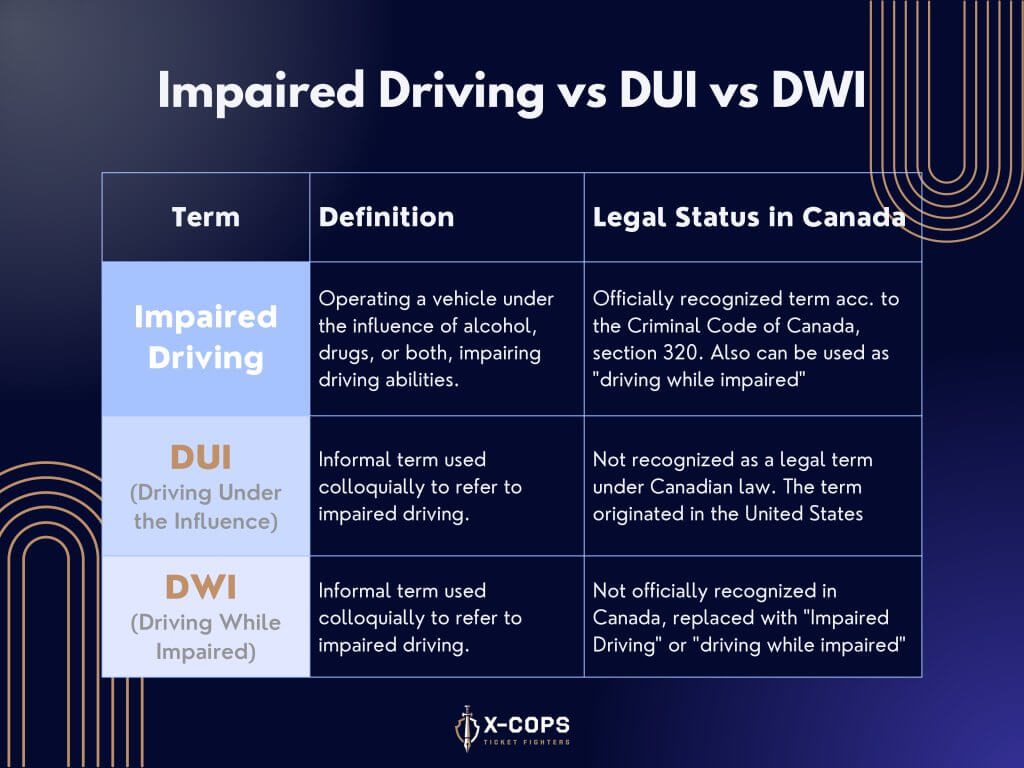
While the terms “DUI” and “DWI” are often used interchangeably in everyday conversation, and both refer to the serious offense of operating a vehicle while impaired, they are not universally the same. Understanding the nuances between these acronyms is crucial, not just for legal awareness, but also for comprehending the underlying legal frameworks that aim to ensure public safety on our roadways. This distinction, while seemingly minor, can have significant implications for how a charge is filed, prosecuted, and ultimately, what penalties are imposed.
The core concept behind both DUI and DWI is the impairment of a driver’s ability to safely operate a motor vehicle. However, the specific definitions, the substances that can lead to impairment, and the thresholds for what constitutes impairment can vary significantly from one jurisdiction to another. This variation is often rooted in historical legislative intent, evolving scientific understanding of impairment, and the specific legal traditions of each state or country. Ultimately, both offenses serve as critical components of traffic law designed to prevent the devastating consequences of drunk and drugged driving.

The Legal Landscape: Defining DUI and DWI
The fundamental difference between DUI and DWI lies in the specific legal definitions and the scope of impairment they cover. While both prohibit driving under the influence of intoxicating substances, the terminology itself can indicate a subtle, or sometimes significant, shift in the nature of the alleged offense.
Driving Under the Influence (DUI): A Broader Scope of Impairment
“Driving Under the Influence,” or DUI, is generally understood as a broader term encompassing impairment from a wider range of substances. This often includes alcohol, but also extends to any drug that affects a person’s mental or physical faculties, rendering them incapable of driving safely. The key here is the influence of the substance, implying that even a measurable level of impairment that doesn’t necessarily exceed a legal blood alcohol concentration (BAC) limit could be grounds for a DUI charge if it demonstrably affects driving ability.
In many jurisdictions, DUI encompasses not only prescription medications and over-the-counter drugs but also illegal substances. The prosecution in a DUI case often needs to prove that the driver’s ability to operate the vehicle was actually impaired by the substance, rather than solely relying on a specific BAC threshold. This can involve a combination of factors, including observations by law enforcement officers (erratic driving, slurred speech, glassy eyes), performance on field sobriety tests, and chemical test results. The emphasis is on the driver’s compromised mental and physical condition, regardless of the specific substance.
Driving While Intoxicated (DWI): Focus on Alcohol or Specific Substance Thresholds
“Driving While Intoxicated,” or DWI, often carries a more specific connotation, frequently focusing on the presence of alcohol or a specific controlled substance above a legally defined threshold. In many states that use the term DWI, the prosecution might primarily rely on exceeding the legal BAC limit for alcohol. For instance, in many U.S. states, a BAC of 0.08% or higher is per se evidence of intoxication, meaning that exceeding this limit automatically constitutes a DWI offense, regardless of whether other observable signs of impairment are present.
However, the term DWI is not exclusively limited to alcohol in all jurisdictions. Some states use DWI to cover impairment by other drugs as well, often with specific per se limits for certain controlled substances or their metabolites. The critical distinction here, when it exists, is the emphasis on a quantifiable level of impairment, often tied to a specific BAC or the presence of a prohibited amount of a drug in the system. This can make the prosecution’s burden of proof in some DWI cases more straightforward, as exceeding a set limit can be sufficient to secure a conviction.
Jurisdictional Variations: The State-by-State Landscape
The most significant factor in determining the difference between DUI and DWI is the specific laws enacted by each state or jurisdiction. There is no single, federal definition that applies nationwide, leading to a patchwork of terminology and legal definitions across the United States and other countries.
State-Specific Terminology and Definitions
Many states use only one term, either DUI or DWI, to cover all offenses related to impaired driving. For example, California uses “driving under the influence” (DUI) to cover impairment by alcohol or drugs. Conversely, Texas uses “driving while intoxicated” (DWI) for alcohol impairment and “driving while under the influence” (DUI) for minors operating a vehicle. This can be a source of confusion for individuals who are not familiar with the specific laws of the state in which they are driving.
Furthermore, some states employ multiple terms to differentiate between offenses or levels of impairment. For instance, some might use “Operating While Under the Influence” (OUI) or “Operating While Visibly Impaired” (OWVI). These variations often reflect legislative intent to distinguish between driving with a BAC above a certain limit (e.g., a “per se” offense) and driving while demonstrably impaired, even if the BAC is below the legal limit. Understanding these nuances is paramount, as the specific charge can impact the potential penalties and legal defenses available.
The Impact of BAC Limits and Per Se Offenses
The establishment of Blood Alcohol Concentration (BAC) limits is a cornerstone of impaired driving laws. In the United States, the standard legal BAC limit for drivers 21 years and older is 0.08%. However, this limit can be lower for commercial drivers (0.04%) and drivers under 21 (often 0.00% or a very low tolerance). A “per se” offense means that if a driver’s BAC is at or above the legal limit, they are considered to be driving illegally, regardless of whether their driving was demonstrably impaired.
Jurisdictions that primarily use the term DWI may lean more heavily on these per se BAC limits as the primary basis for prosecution. Conversely, states that predominantly use DUI might have statutes that allow for prosecution based on a finding of actual impairment, even if the BAC is below the per se limit. This can involve a more subjective assessment by law enforcement, but it also allows for charges against individuals impaired by drugs that may not have established per se limits or whose impairment is not solely measurable by BAC. The interaction between terminology and BAC limits is a critical element in understanding the legal landscape of impaired driving.
Beyond Alcohol: Impairment by Drugs and Other Substances
While alcohol has historically been the primary focus of impaired driving laws, the understanding of impairment has evolved significantly to encompass a wide array of intoxicating substances, including prescription medications, over-the-counter drugs, and illicit substances. The distinction between DUI and DWI can sometimes, though not always, reflect how these other substances are addressed in the law.
Prescription and Over-the-Counter Medications
Many prescription and even over-the-counter medications can impair driving ability. Antihistamines, sedatives, certain pain relievers, and medications for anxiety or depression can all affect reaction time, judgment, and coordination. In jurisdictions that use the term DUI, impairment by such medications is often clearly covered under the umbrella of “driving under the influence.” The key is whether the medication, when taken as prescribed or even misused, compromises the driver’s safety.
For DWI offenses, the approach can vary. Some states may have specific laws addressing driving under the influence of certain prescription drugs, while others might rely on general impairment statutes. The challenge often lies in establishing clear per se limits for these substances, as their effects can be highly individual. Law enforcement often relies on observable signs of impairment and drug recognition expert (DRE) evaluations to build a case when drug impairment is suspected.
Illicit Drugs and Their Impact on Driving
The presence of illegal drugs in a driver’s system is unequivocally grounds for a charge related to impaired driving. Whether termed DUI or DWI, operating a vehicle while under the influence of marijuana, cocaine, methamphetamine, opioids, or any other illicit substance is a serious offense. The legal framework for addressing illicit drug impairment often involves detecting the presence of these substances in blood or urine samples and correlating their presence with actual impairment.
In many jurisdictions, there are no specific per se limits for most illicit drugs, meaning that a driver can be charged if they are found to be impaired by the drug, regardless of the exact quantity detected. This places a greater emphasis on the officer’s observations, field sobriety tests, and expert testimony regarding the drug’s effects on driving ability. The evolving nature of drug use and detection methods continues to shape how laws are written and enforced in this critical area of public safety.
Consequences and Legal Ramifications
Regardless of whether a charge is filed as a DUI or DWI, the consequences of operating a vehicle while impaired are severe and far-reaching. These can include significant fines, license suspension or revocation, mandatory jail time, and the installation of an ignition interlock device. Beyond these immediate legal penalties, a conviction can also lead to increased insurance premiums, difficulty finding employment, and a lasting criminal record.
Penalties and Sentencing Variations
The specific penalties associated with DUI and DWI offenses can vary considerably from one jurisdiction to another and often depend on factors such as the driver’s BAC, whether there were any prior offenses, and if there were any aggravating circumstances (e.g., causing an accident, having a child in the vehicle). First-time offenses typically carry less severe penalties than repeat offenses. However, even a first-time conviction can result in a substantial impact on an individual’s life.
Sentencing can range from community service and probation for minor offenses to lengthy prison sentences for more egregious cases, especially those involving fatalities or serious injuries. The legal terminology used—DUI versus DWI—can sometimes influence the specific statutes under which a person is charged and, consequently, the range of potential penalties available to the court.

The Importance of Legal Counsel
Given the complexities of impaired driving laws and the significant consequences of a conviction, seeking legal counsel from an attorney experienced in DUI/DWI defense is highly recommended. An attorney can thoroughly review the details of the case, explain the specific charges, and advise on the best course of action. They can challenge the evidence, negotiate with the prosecution, and represent the individual in court to achieve the most favorable outcome possible. Understanding the distinction between DUI and DWI is the first step in navigating this challenging legal territory.
aViewFromTheCave is a participant in the Amazon Services LLC Associates Program, an affiliate advertising program designed to provide a means for sites to earn advertising fees by advertising and linking to Amazon.com. Amazon, the Amazon logo, AmazonSupply, and the AmazonSupply logo are trademarks of Amazon.com, Inc. or its affiliates. As an Amazon Associate we earn affiliate commissions from qualifying purchases.