
In the vast and often intimidating world of wine, sweetness is a frequently misunderstood, yet crucial, characteristic that dictates enjoyment and pairing. While many associate “sweet” with simple dessert wines, the reality is far more nuanced. Understanding the spectrum of sweetness in wine is not just about personal preference; it’s about making informed choices, enhancing dining experiences, and navigating the wine market with confidence. This exploration delves into the science behind sweetness, the categories of sweet wines, and how to identify and appreciate them, all through the lens of smart consumption and informed purchasing – a critical aspect of personal finance.
The Sweetness Spectrum: More Than Just Sugar
The perception of sweetness in wine is a complex interplay of residual sugar, acidity, alcohol, and other flavor compounds. It’s not a simple binary of “sweet” or “dry.” Instead, it exists on a continuum, and what one person perceives as sweet, another might find perfectly balanced.
Residual Sugar: The Foundation of Sweetness
At its core, wine sweetness is determined by residual sugar (RS). This is the sugar left over after the yeast has finished its work during fermentation. Yeast consumes sugar to produce alcohol and carbon dioxide. If the fermentation is stopped prematurely, or if the grape varietal naturally has high sugar content and the yeast cannot convert all of it, residual sugar remains.
- Dry Wines: Typically contain less than 4 grams per liter (g/L) of RS. Some extremely dry wines can have as little as 1 g/L.
- Off-Dry Wines: Contain between 4 and 12 g/L of RS. These wines have a noticeable, but not overpowering, sweetness.
- Medium-Sweet Wines: Range from 12 to 45 g/L of RS. The sweetness is more pronounced, but still balanced by acidity.
- Sweet Wines (Dessert Wines): Generally contain more than 45 g/L of RS. These are the wines most people immediately associate with sweetness, offering rich, often syrupy, flavors.
Acidity: The Balancing Act
Acidity is the unsung hero of sweet wines. Without sufficient acidity, a wine with high residual sugar would taste cloying and one-dimensional. Acidity provides brightness, lifts the palate, and creates a refreshing counterpoint to the sweetness. Think of it like a squeeze of lemon on a rich dessert – it cuts through the richness and makes it more enjoyable. The higher the acidity, the less sweet a wine might appear, even with a significant amount of residual sugar. This is why a German Riesling with 50 g/L of RS can feel less sweet than a Moscato with 30 g/L if the Riesling has higher acidity.
Alcohol and Other Flavor Compounds
Alcohol itself can contribute to the perception of sweetness, particularly at higher levels. A warmer climate might lead to grapes with higher natural sugar, resulting in wines with higher alcohol and a perception of richness that can be mistaken for sweetness. Furthermore, aromatic compounds in certain grape varietals, like the floral and fruity notes of Muscat or Gewürztraminer, can contribute to a sensation of sweetness, even if the actual residual sugar level isn’t exceptionally high.
Navigating the Tiers of Sweetness: From Off-Dry to Luscious
The world of sweet wine is diverse, catering to different palates and occasions. Understanding these categories is key to making smart purchasing decisions and avoiding misaligned expectations.
Off-Dry and Medium-Sweet Whites: Versatile Companions
These wines offer a subtle touch of sweetness that makes them incredibly versatile and approachable. They are often the gateway to appreciating sweeter styles for those who typically prefer drier options.
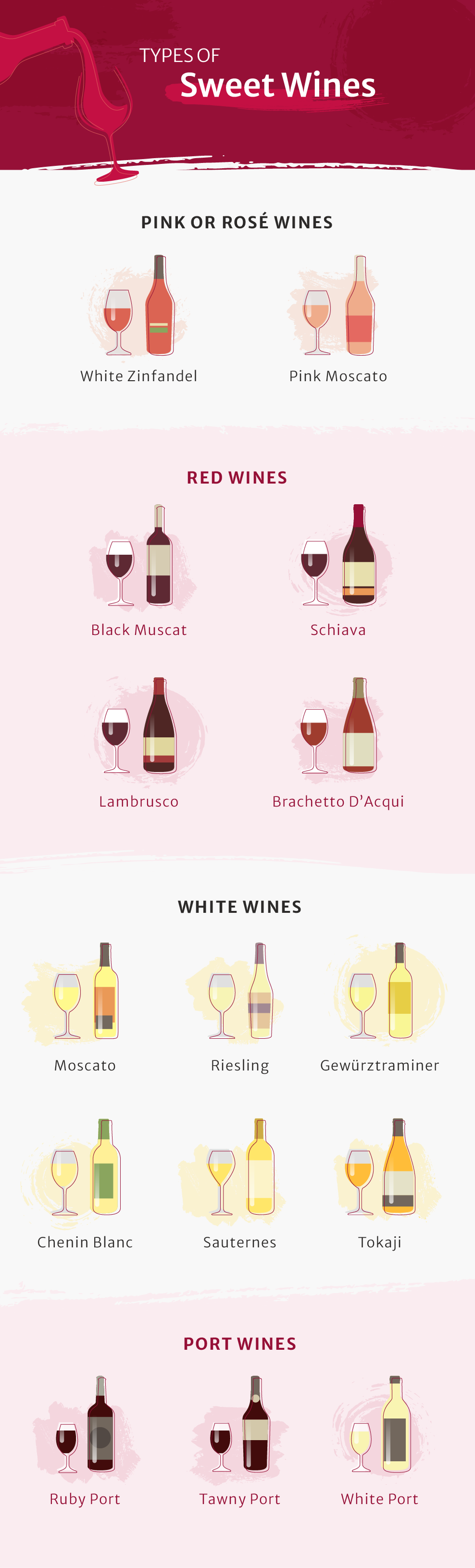
- Riesling (German & Alsatian): While Riesling can range from bone dry to lusciously sweet, many popular German bottlings are labeled Kabinett or Spätlese, which are typically off-dry to medium-sweet. These wines are characterized by vibrant acidity, notes of green apple, peach, and sometimes a hint of minerality. They are fantastic with spicy Asian cuisine, pork dishes, and even lighter poultry.
- Gewürztraminer: Known for its intensely aromatic profile, Gewürztraminer often exhibits notes of lychee, rose petals, ginger, and tropical fruits. Even when not particularly high in residual sugar, its aromatic intensity can give the impression of sweetness. It pairs beautifully with rich, flavorful dishes like duck, strongly spiced curries, and even pungent cheeses.
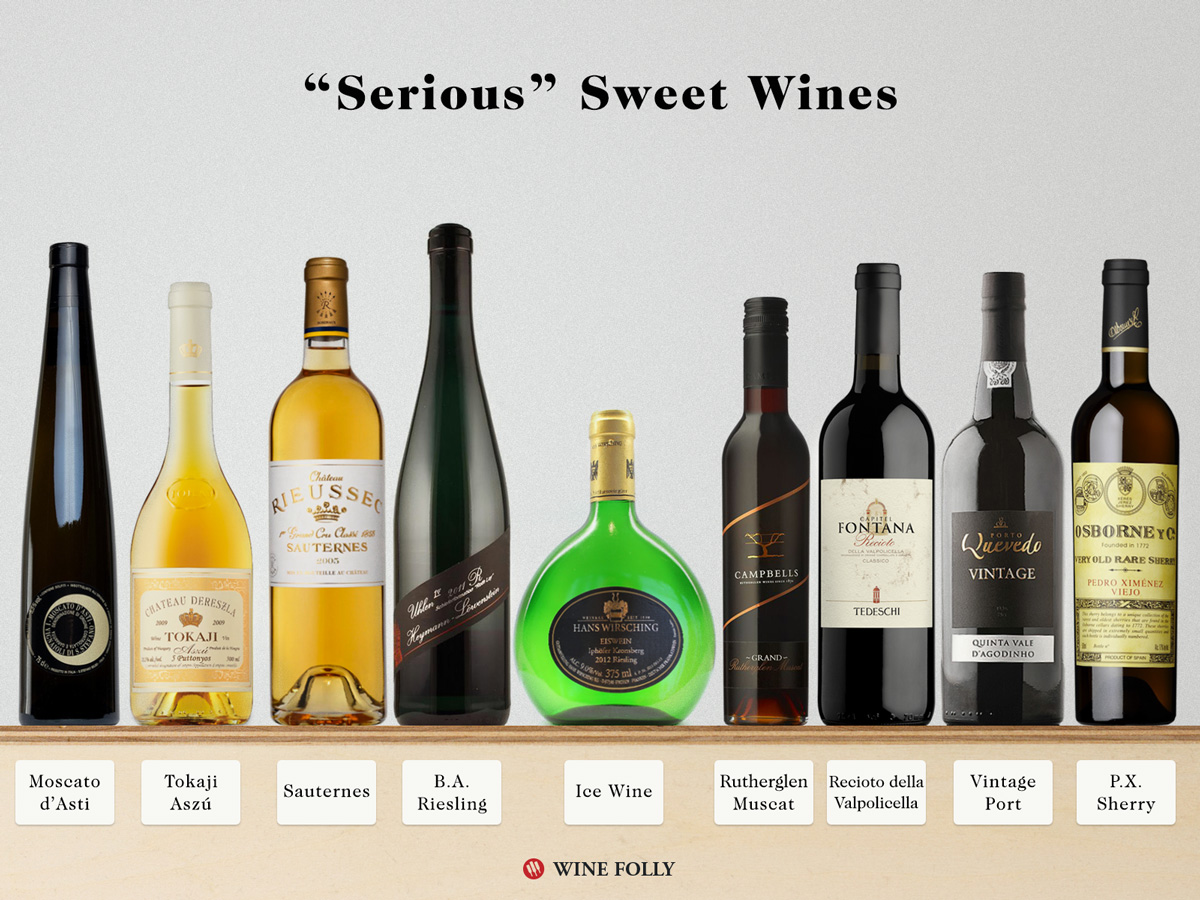
- Moscato (Muscat Blanc à Petits Grains): Perhaps one of the most recognizable sweet wines, Moscato d’Asti from Italy is a lightly sparkling, low-alcohol wine with pronounced sweetness and fruity notes of peach, apricot, and honeysuckle. It’s perfect as an aperitif or with light, fruity desserts and is an excellent choice for those new to sweet wines due to its accessible profile and lower price point.
- Chenin Blanc (Loire Valley, France): In appellations like Vouvray and Savennières, Chenin Blanc can be found in various styles, including off-dry to medium-sweet. These wines offer honeyed notes, baked apple, and a characteristic lanolin texture, all underpinned by bracing acidity. They are excellent with roasted chicken, seafood with creamy sauces, and even richer cheeses.
Dessert Wines: The Indulgent Finale
These are the wines that truly embrace sweetness, offering rich, complex flavors designed to be savored after a meal, often with dessert or on their own. Their production methods are as varied as their flavors.
- Port Wine (Portugal): A fortified wine from the Douro Valley, Port is known for its rich, fruity character, high alcohol content, and significant sweetness.
- Ruby Port: Young, fruity, and vibrant, with notes of ripe berries.
- Tawny Port: Aged for longer periods in wood, developing nutty, caramel, and dried fruit flavors.
- Vintage Port: Considered the pinnacle, made from exceptional years and aged for decades, offering immense complexity and longevity.
Port is a classic pairing for chocolate, strong cheeses, and rich fruit tarts.
- Sherry (Spain): While many Sherries are dry, some styles, particularly those labeled Pedro Ximénez (PX), are intensely sweet. PX Sherry is made from sun-dried Pedro Ximénez grapes, resulting in a viscous, dark wine with profound flavors of raisins, figs, dates, molasses, and chocolate. It’s a dessert in a glass and can be enjoyed on its own or with dark chocolate, crème brûlée, or even blue cheese.
- Sauternes (Bordeaux, France): This legendary dessert wine is made from Sémillon, Sauvignon Blanc, and Muscadelle grapes affected by Botrytis cinerea, or “noble rot.” This fungus dehydrates the grapes, concentrating their sugars, acids, and flavors. Sauternes are characterized by notes of honey, apricot, marmalade, and exotic spices, with a luscious, balanced profile. They are famously paired with foie gras, but also complement fruit tarts and creamy desserts.
- Ice Wine (Eiswein/Vidal): Produced in colder climates, Ice Wine is made from grapes that are naturally frozen on the vine. The freezing process concentrates the sugars and acids as the water content is reduced. This results in incredibly sweet and intensely flavored wines with notes of tropical fruits, honey, and citrus. It’s a luxurious treat, often paired with fruit-based desserts, particularly those with tropical notes.
- Late Harvest Wines: These wines are made from grapes that are left on the vine longer than usual, allowing them to accumulate higher sugar levels. The specific characteristics vary by grape varietal and region, but they generally offer a more concentrated fruit profile and noticeable sweetness, often balanced by good acidity.
Smart Wine Shopping: Maximizing Value and Enjoyment
Understanding wine sweetness isn’t just an academic pursuit; it has direct implications for your budget and overall satisfaction. Making informed choices can lead to greater enjoyment without overspending.
Reading the Label: Decoding Clues to Sweetness
While the term “sweet” isn’t always explicitly stated on the label, there are several cues to look for:
- Grape Varietal: Certain grapes are inherently more prone to producing sweet wines (e.g., Muscat, Riesling, Gewürztraminer).
- Region: Certain regions are famous for their sweet wines (e.g., Mosel and Rheingau in Germany for Riesling, Sauternes in Bordeaux, Douro Valley for Port).
- Designations: Look for terms like “Late Harvest,” “Noble Rot,” “Ice Wine,” “Passito” (Italian for dried grape), or specific designations like “Spätlese” or “Auslese” for German Riesling (which indicate increasing levels of sweetness). For Port, “Late Bottled Vintage” or “Vintage” suggests richer, sweeter styles.
- Alcohol Content: While not a definitive indicator, very low alcohol content (e.g., 5-7% ABV) in a wine that isn’t sparkling often suggests significant residual sugar. Conversely, high alcohol (14%+ ABV) in a non-fortified wine can sometimes be an indicator of grapes with high natural sugar that were fermented dry.
- “Sweet” vs. “Dessert” vs. “Off-Dry”: While some labels might explicitly use these terms, they can be subjective. Rely on the other indicators.
Budget-Conscious Sweet Wine Choices
- Moscato d’Asti: Generally offers excellent value for money, providing delightful sweetness and effervescence without a hefty price tag.
- Australian Riesling: Many Australian Rieslings offer a spectrum of sweetness and acidity at very accessible price points, often providing a more approachable alternative to German counterparts.
- Local Sweet Wines: Explore wineries in your region; many produce excellent late harvest or fruit wines that can be both delicious and affordable.
- Bulk Buy Dessert Wines: If you enjoy a particular style like Port or Sherry, buying a slightly larger format bottle when on sale can offer better per-ounce value.
- Consider “Second Wines” or Lesser-Known Producers: Just as with any wine, exploring wines from less famous appellations or “second labels” from renowned producers can yield hidden gems at lower prices.

Pairing for Perfection: Enhancing Your Culinary Experience
Sweet wines are not just for dessert. Strategic pairing can elevate both the wine and the food.
- Sweetness with Spice: Off-dry wines like Riesling or Gewürztraminer are ideal for counteracting the heat of spicy dishes. The sweetness cools the palate, while the acidity cuts through richness.
- Sweetness with Salt: Salty foods, such as blue cheese or cured meats, find a perfect foil in sweet wines. The saltiness enhances the fruitiness of the wine, while the sweetness balances the salt.
- Sweetness with Acidity: When pairing with acidic foods like vinaigrette-based salads or citrus-marinated dishes, choose a wine with equal or greater acidity to avoid the wine tasting flat.
- Sweetness with Sweet: The golden rule of dessert wine pairing is that the wine should be sweeter than the dessert. If the dessert is sweeter, the wine will taste sour and bitter. Fruit tarts, cakes, and pastries are classic companions for dessert wines.
By demystifying the concept of sweetness in wine and understanding the diverse options available, consumers can approach the wine aisle with greater confidence. This knowledge not only enhances personal enjoyment but also represents a smart financial strategy, allowing you to discover delicious and satisfying wines that fit your budget and your palate. Whether you’re a novice or an experienced enthusiast, there’s a sweet wine out there waiting to be discovered, offering a world of flavor and sensory delight.
aViewFromTheCave is a participant in the Amazon Services LLC Associates Program, an affiliate advertising program designed to provide a means for sites to earn advertising fees by advertising and linking to Amazon.com. Amazon, the Amazon logo, AmazonSupply, and the AmazonSupply logo are trademarks of Amazon.com, Inc. or its affiliates. As an Amazon Associate we earn affiliate commissions from qualifying purchases.