
Injera. The very word conjures images of communal dining, vibrant stews, and a uniquely tangy, spongy flatbread that forms the edible foundation of Ethiopian and Eritrean culinary traditions. More than just a staple, injera is an edible emblem, a culinary cornerstone that carries with it a rich tapestry of history, culture, and, crucially, a distinct brand identity. Understanding the flour used for injera is not merely a matter of culinary curiosity; it’s an exploration into the very essence of what makes this bread, and by extension, Ethiopian cuisine, so globally recognizable and cherished. The choice of flour is not an arbitrary one; it is a deliberate and historical decision that shapes the flavor, texture, and cultural significance, thus defining its indelible brand.
The Singular Star: Teff as the Cornerstone of Injera’s Brand
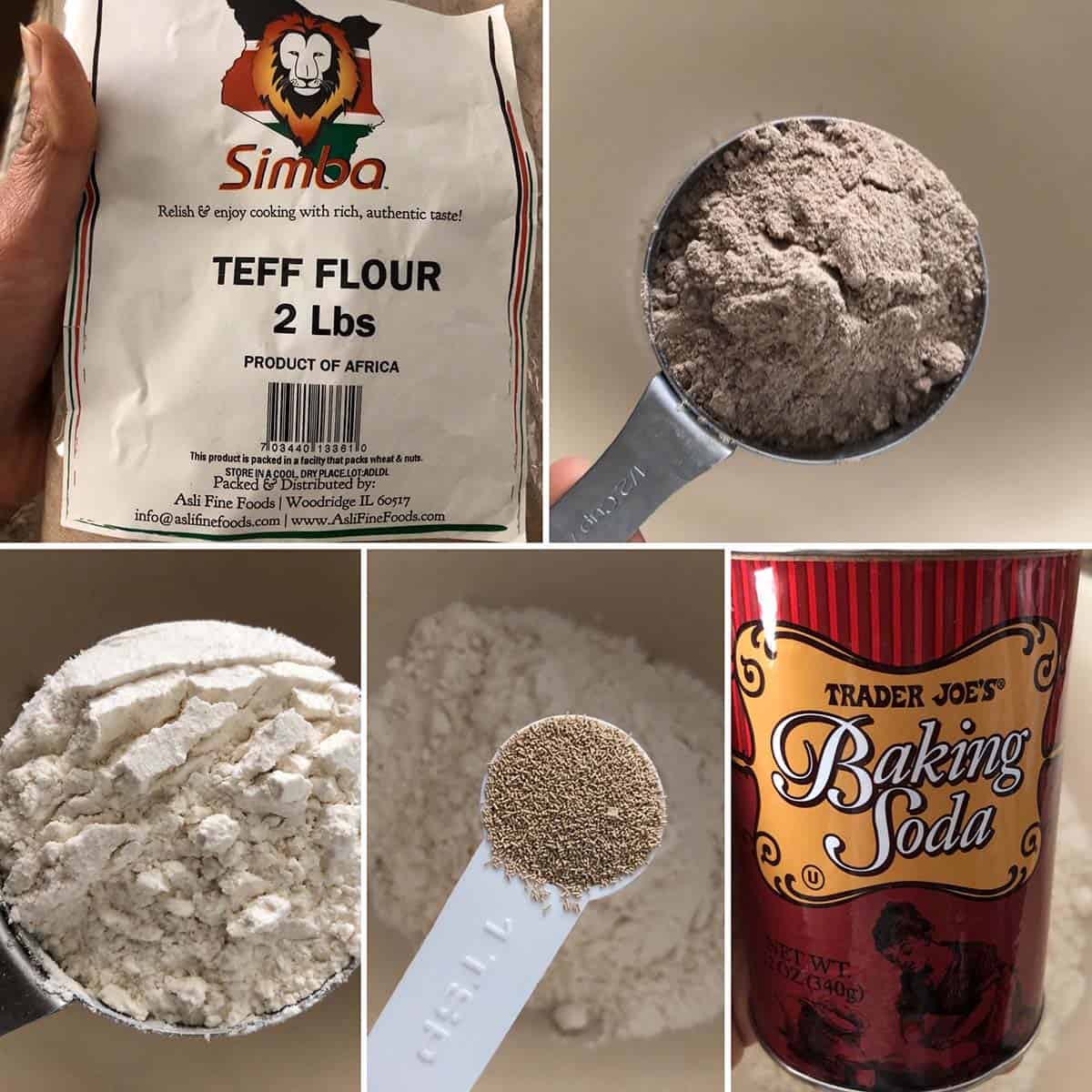
At the heart of injera’s unique character lies a single, ancient grain: teff. This tiny, nutrient-rich cereal, native to Ethiopia, is the undisputed protagonist in the injera narrative. Its prominence is so profound that one cannot discuss injera without invoking teff. This singular reliance on teff is a critical element in establishing the strong and distinct brand of injera as a unique culinary offering.
Teff’s Distinctive Profile: Crafting a Unique Flavor and Texture
Teff’s genetic makeup and milling properties contribute directly to injera’s iconic sensory attributes. Unlike wheat, teff has a very small grain size, which influences its fermentation process and the resulting texture.
-
Fermentation and the Tangy Aroma: A hallmark of injera is its characteristic slightly sour or tangy flavor. This is not an accidental byproduct but a deliberate result of the fermentation of teff flour. Teff flour is typically mixed with water and left to ferment for several days. During this process, lactic acid bacteria naturally present in the flour and the environment break down carbohydrates, producing lactic acid. This fermentation imbues injera with its signature tang, a flavor profile that is both complex and deeply satisfying. This unique tang is a key differentiator, a signature note that instantly signals “injera” to those familiar with it, bolstering its brand recognition.
-
The Spongy, Porous Structure: The fine grind of teff flour, combined with its gluten-free nature, allows for the creation of a uniquely spongy and porous texture. This texture is not just aesthetically pleasing with its characteristic “eyes” or bubbles that form during cooking; it’s functionally crucial. The holes and crevices are perfectly designed to absorb the flavorful sauces and stews that are served alongside injera, ensuring that every bite is a harmonious blend of bread and accompaniment. This textural characteristic is a vital part of injera’s brand promise – a promise of a complete and immersive dining experience.
-
Nutritional Prowess as a Brand Differentiator: Beyond its sensory appeal, teff boasts an impressive nutritional profile that further strengthens its brand appeal. It is a complete protein, meaning it contains all nine essential amino acids, a rarity among plant-based foods. Teff is also exceptionally rich in iron, calcium, and fiber. This inherent nutritional density not only appeals to health-conscious consumers but also positions injera as a wholesome and nourishing food, adding another layer of value to its brand identity. In a global market increasingly focused on health and wellness, teff’s nutritional accolades provide a significant competitive advantage.
Beyond the Ideal: Variations and the Evolution of Injera’s Brand
While teff is the undisputed king, the journey of injera and its flour is not without its complexities and adaptations. Economic factors, availability, and evolving culinary landscapes have led to variations, each contributing to a nuanced understanding of injera’s brand.
The Role of Blends: Expanding Reach and Accessibility
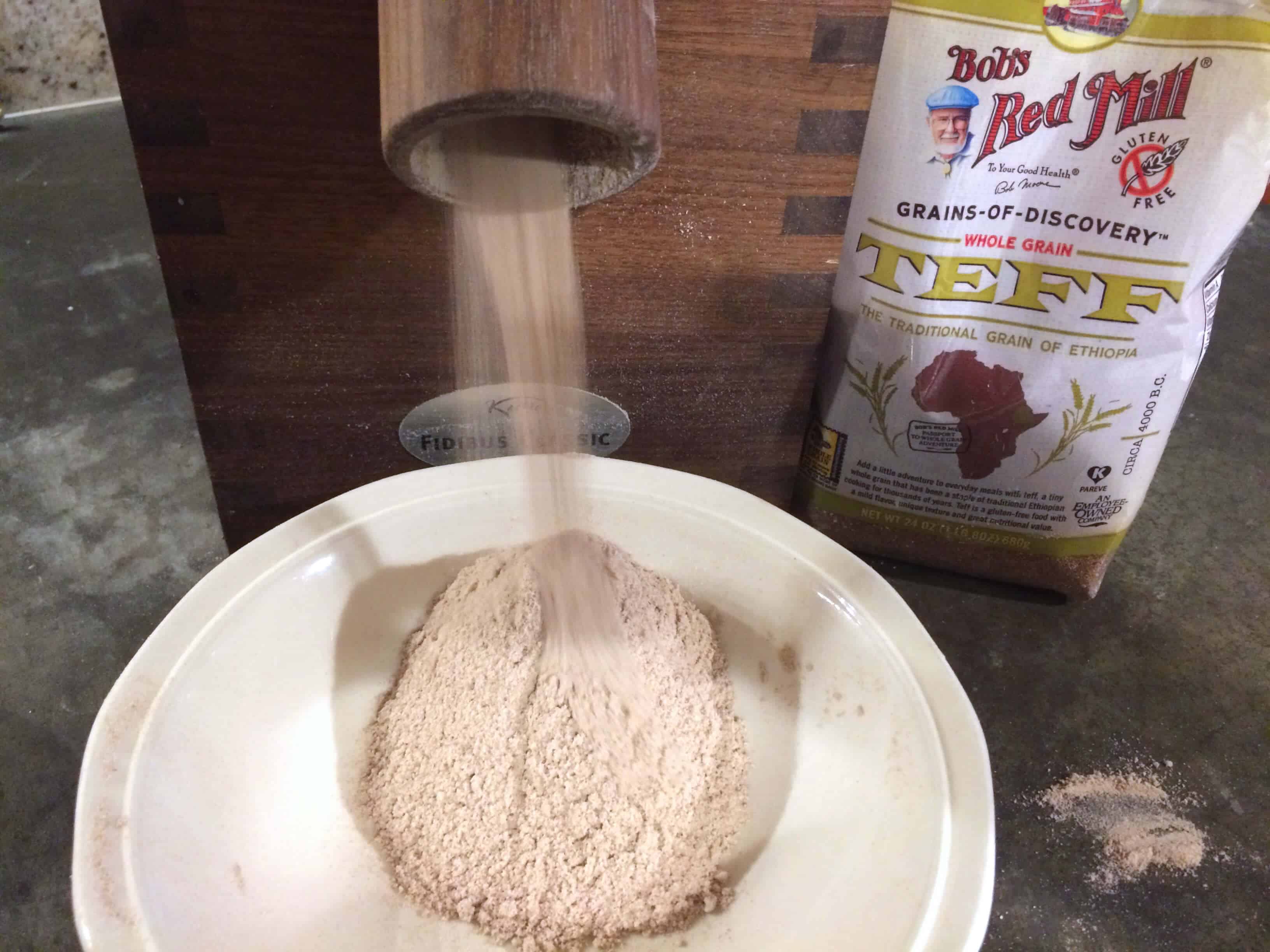
In some regions and for various practical reasons, teff flour is sometimes blended with other flours. This practice, while deviating from the purist ideal, speaks to the adaptability and enduring appeal of injera as a culinary concept.
-
Economic Considerations and Accessibility: Teff can be a relatively expensive grain, especially outside of its traditional growing regions. Blending it with more readily available and affordable flours like wheat, sorghum, or barley can make injera more accessible to a wider population. This strategic blending can be seen as a brand extension strategy, allowing the core injera experience to reach new markets and demographics without completely sacrificing its defining characteristics.
-
Impact on Texture and Flavor: Blending inevitably alters the texture and flavor profile of injera. Wheat flour, for example, contains gluten, which can lead to a chewier, less porous bread. Sorghum and barley can impart different flavors and textures. These variations are important to acknowledge. While purists might argue these blends dilute the authentic brand, they also represent a pragmatic evolution, ensuring the continued enjoyment and cultural transmission of injera. The challenge for brands utilizing blends lies in maintaining enough of the teff essence to retain the core identity while benefiting from the practical advantages of the blend.
-
Preserving the “Spirit” of Injera: The success of blended injera lies in the ability to retain the spirit of the original. This often means ensuring that the teff component remains significant enough to provide the characteristic tang and spongy texture, even if other flours contribute to the overall structure and mouthfeel. It’s a delicate balance, akin to a brand maintaining its core values while innovating to stay relevant.
The Global Brand Appeal of Injera: More Than Just Ingredients
The story of the flour used for injera is intrinsically linked to its global appeal as a cultural and culinary ambassador. The distinctive characteristics derived from teff contribute to a powerful and memorable brand experience that transcends geographical boundaries.
Authenticity and Heritage: The Foundation of Injera’s Brand Equity
Injera’s reliance on teff is a powerful testament to its authenticity and deep-rooted heritage. This connection to tradition is a significant contributor to its brand equity.
-
A Culinary Legacy: The cultivation and use of teff for injera have been passed down through generations. This long-standing tradition imbues injera with a sense of history and cultural significance that resonates with consumers. In an era where provenance and authenticity are highly valued, this historical depth is a powerful marketing asset.
-
Sensory Signatures as Brand Markers: The unique tang, the spongy texture, and the distinctive aroma are not merely culinary attributes; they are sensory signatures that act as powerful brand markers. For anyone who has experienced authentic injera, these sensory cues instantly evoke memories and emotions associated with Ethiopian culture and cuisine. This strong sensory association is a hallmark of successful brands, creating a unique and enduring impression.

Injera in the Global Marketplace: Navigating Brand Perception
As injera gains popularity worldwide, understanding its flour composition becomes crucial for restaurateurs, food producers, and consumers alike. Managing and communicating the brand of injera effectively in a global marketplace requires clarity and appreciation for its core components.
-
Educating Consumers: For many outside of Ethiopia and Eritrea, injera and teff are unfamiliar concepts. Educating consumers about the unique properties of teff and the traditional fermentation process is vital for building appreciation and understanding of injera’s brand value. This involves more than just listing ingredients; it’s about telling the story behind them.
-
Maintaining Quality and Consistency: For businesses looking to capitalize on injera’s growing popularity, maintaining the quality and consistency of the product is paramount to preserving its brand integrity. Whether using pure teff or carefully crafted blends, ensuring that the resulting injera embodies the expected characteristics is key to building trust and loyalty with consumers. This involves understanding the nuances of teff sourcing, milling, and fermentation processes.
-
The Future of Injera’s Brand: As dietary trends evolve and global palates expand, the future of injera’s brand appears bright. Its unique nutritional profile, its cultural significance, and its distinctive sensory attributes position it as a compelling and desirable culinary offering. The continued exploration and understanding of the flour – primarily teff, with its rich history and remarkable properties – will undoubtedly continue to shape and solidify injera’s place as a beloved and iconic global brand. The story of the flour is, in essence, the story of the brand itself.