
The arrival of a new baby is a joyous, albeit overwhelming, time. Amidst the whirlwind of sleepless nights and endless cuddles, the seemingly simple task of packing a nappy bag can become a surprisingly complex financial undertaking. What appears to be a mere collection of baby essentials is, in fact, a microcosm of a new family’s budget, requiring strategic planning and mindful expenditure. This guide will explore what to pack in your nappy bag, not just in terms of necessity, but through the lens of smart financial management, ensuring you are prepared without overspending and can invest wisely in your child’s future.
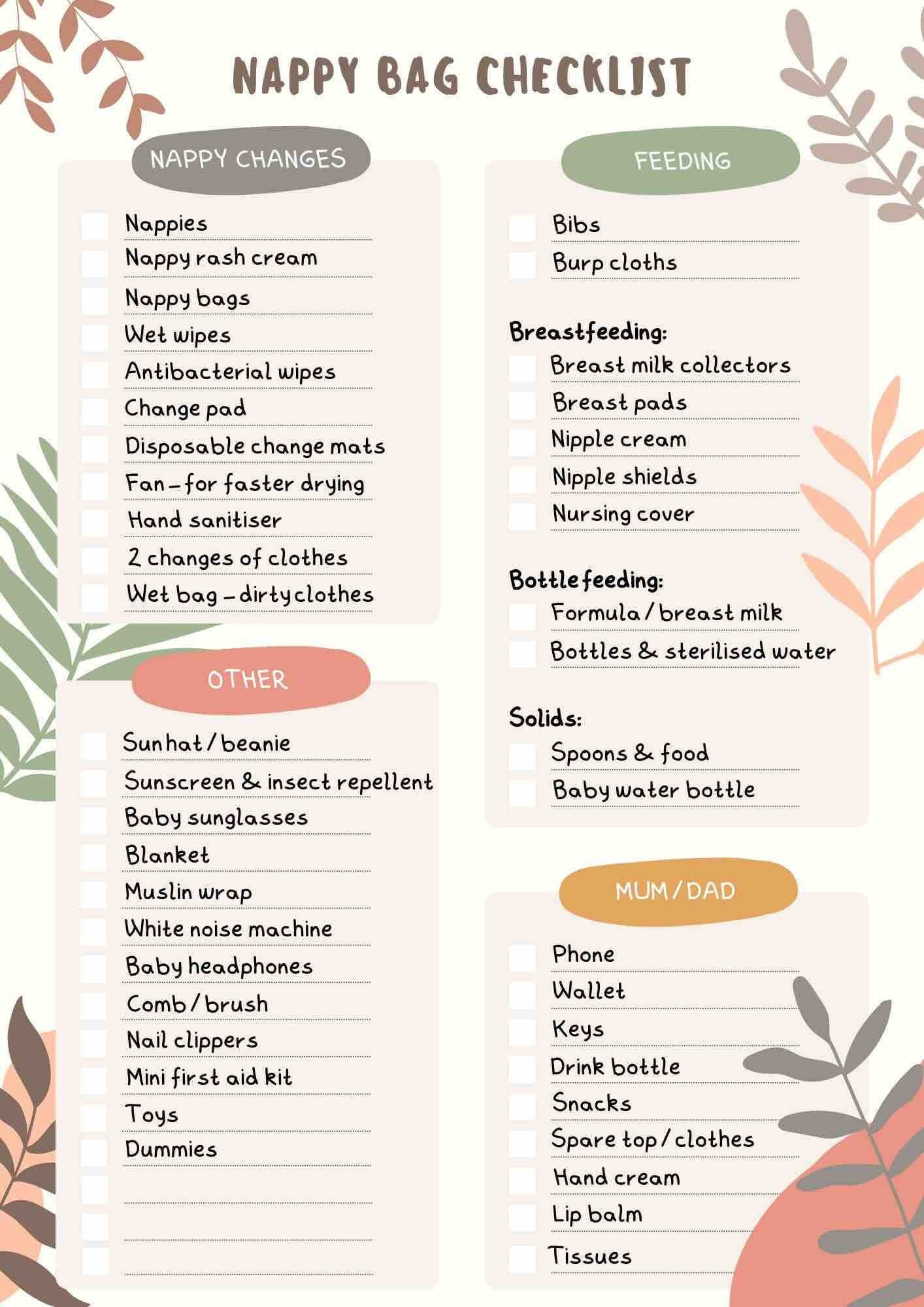
Strategic Stockpiling: The Foundation of a Financially Sound Nappy Bag
The nappy bag is not just a portable storage unit; it’s a financial tool. By approaching its contents with a strategic mindset, new parents can avoid impulse purchases, identify cost-effective alternatives, and ensure they are only investing in what truly provides value. This section delves into the core components of a nappy bag, emphasizing the financial considerations behind each choice.
Diapering Decisions: Maximizing Value and Minimizing Waste
The most frequent and arguably most significant recurring expense associated with a nappy bag is diapers. The sheer volume required in the early months can be daunting. However, strategic choices here can lead to substantial savings.
Diaper Type: Cost-Benefit Analysis of Disposable vs. Reusable
When it comes to diapers, parents face a fundamental choice: disposables or reusables (cloth diapers). Each has its own financial implications, and understanding these is crucial for long-term budgeting.
-
Disposable Diapers: The upfront cost per diaper is generally higher than for a single use of a reusable diaper. However, the convenience factor is undeniable for many parents, especially those with demanding work schedules or limited access to washing facilities. The true cost of disposables lies in their ongoing, cumulative expenditure. Researching different brands and comparing per-diaper costs is essential. Many brands offer bulk discounts, subscription services, or loyalty programs that can reduce the unit price. Furthermore, looking for store-brand options, which are often significantly cheaper than name brands without a substantial drop in quality, can be a wise move. Consider the absorbency and fit to minimize blowouts and leaks, which can lead to additional clothing changes and thus more laundry costs, even with disposables.
-
Reusable Diapers: While the initial investment in a stash of reusable diapers can be considerable, the long-term savings are often significant. A typical newborn might go through 8-12 diapers a day, translating to thousands of diapers in their first year. The cost of purchasing a sufficient number of reusable diapers upfront, along with accessories like wet bags and a diaper pail, can be a barrier for some. However, when amortized over two to three years (or even longer if used for subsequent children), the per-use cost plummets. It’s important to factor in the cost of increased laundry – detergent, water, and electricity. However, many parents find that by washing diapers in conjunction with their regular laundry loads, the incremental cost is minimal. The market for reusable diapers has expanded considerably, offering a variety of styles and materials, from all-in-ones to prefolds and covers. Understanding the different types and their washing requirements is key to maximizing their cost-effectiveness.
Diaper Accessories: Essential Investments, Not Extravagances
Beyond the diapers themselves, a few key accessories are indispensable.
-
Wipes: Similar to diapers, wipes are a recurring expense. Buying in bulk is almost always more economical. Consider the sensitivity of your baby’s skin; some budget brands may contain irritants that necessitate the purchase of more expensive “sensitive” formulations. Alternatively, reusable cloth wipes, which can be washed and reused, offer a significant long-term cost saving, albeit with an initial investment and the added task of washing. A small spray bottle of water or a diluted, natural cleaning solution can be used with cloth wipes, further reducing expenditure.
-
Nappy Cream/Barrier Protection: While a small tub of nappy cream might seem like a minor purchase, the frequency of use can add up. Look for multi-packs or larger tubs if you have a frequent nappy changer. Consider ingredients; some premium brands are significantly more expensive. Opting for simpler formulations with fewer artificial fragrances and dyes can be both healthier for your baby and more budget-friendly. Keeping a small, travel-sized container in the nappy bag can prevent the need to purchase an emergency tub at a higher price from a convenience store.
Feeding Fundamentals: Smart Choices for On-the-Go Nourishment
Whether you are breastfeeding or formula-feeding, managing feeding supplies in your nappy bag involves planning to ensure your baby is nourished while being mindful of costs and waste.
Breastfeeding Essentials: Efficient and Economical
For breastfeeding mothers, the nappy bag might contain a few key items to facilitate feeding away from home.
-
Nursing Cover: While not strictly essential for every situation, a nursing cover can provide discretion and comfort. Investing in one versatile, well-made cover that can be used in various settings is more economical than purchasing multiple flimsy alternatives. Many can double as a scarf or stroller cover, increasing their value.
-
Breast Pump & Storage: If pumping, the cost of the pump itself is a significant one-time investment. Choosing a reliable, efficient model that meets your needs is crucial. For storage, investing in a reusable set of breast milk storage bags or bottles, rather than disposable ones, offers long-term savings and is more environmentally friendly.
-
Snacks for Mom: Breastfeeding burns calories. Packing your own snacks – fruit, nuts, or energy bars – is significantly cheaper than buying them on the go. This is a direct investment in your own well-being, which indirectly impacts your baby.
Formula Feeding: Practicality and Preparedness
For formula-feeding parents, the nappy bag requires a slightly different set of considerations.
-
Formula: While you’ll likely have larger containers at home, having a small, travel-sized container of formula or pre-portioned formula in individual packets is essential for outings. Buying in bulk or opting for store-brand formula can significantly reduce costs. Always check expiration dates to avoid waste.
-
Bottles & Nipples: Having one or two clean, ready-to-use bottles is critical. Investing in a good quality, durable bottle that is easy to clean can reduce replacements. While novelty bottles might appeal, sticking to functional designs often proves more cost-effective in the long run. Consider how many bottles you realistically need for a typical outing to avoid carrying unnecessary weight and to ensure you don’t have to purchase an emergency bottle at inflated prices.
-
Water & Sterilization: If preparing formula on the go, having a thermos of pre-boiled hot water (cooled to the correct temperature) is a practical and cost-effective solution, negating the need to find a place to heat water. For those using ready-to-feed formula, ensure you have enough for the duration of your outing.
Comfort & Care: Essential Investments in Well-being
Beyond the core needs of diapering and feeding, a few items contribute to your baby’s comfort and safety. These should be viewed as investments in preventing minor issues from becoming major expenses.
Clothing & Changing Essentials: Preparedness Prevents Costly Replacements
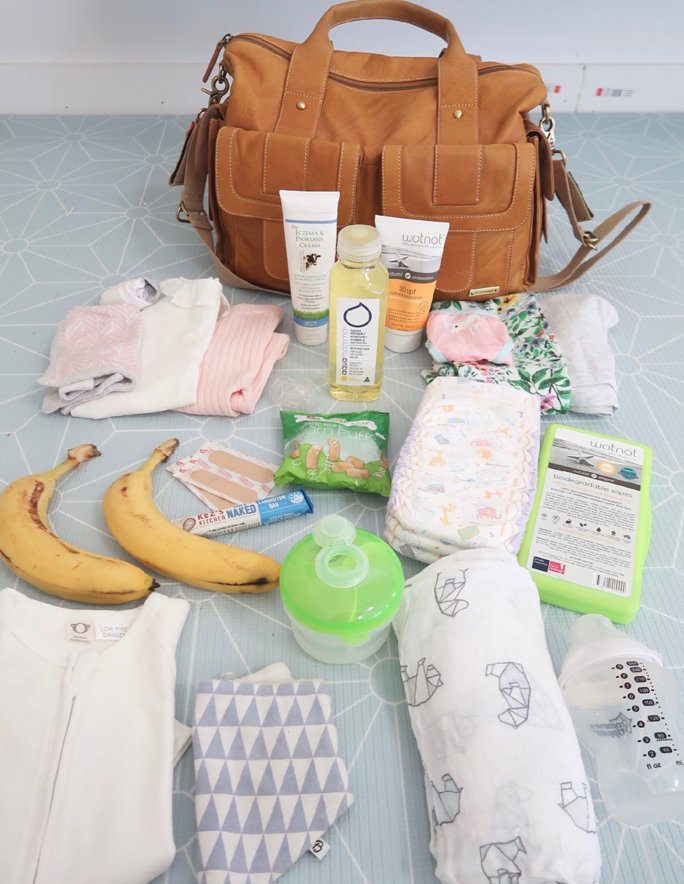
Unexpected messes are a certainty with babies. Being prepared can save you from buying new clothes or paying for emergency laundry services.
-
Spare Outfit: A fundamental item. Opt for versatile, easy-to-wash staples like bodysuits and comfortable trousers. Buying multi-packs or looking for sales on essential baby clothing is a sound financial strategy. Consider gender-neutral colours if you plan to use the outfit for future children.
-
Burp Cloths: Essential for protecting your clothing and your baby’s. Investing in a set of absorbent, durable burp cloths is more cost-effective than constantly washing shirts or buying disposable alternatives.
-
Small Blanket: A lightweight, versatile blanket can serve multiple purposes – warmth, shade, or even a clean surface for changing. Investing in one that is durable and easy to clean offers lasting value.
Health & Safety: Proactive Measures for Peace of Mind
While less frequent than diaper changes, having a few health and safety items readily available can prevent minor inconveniences from escalating into costly problems.
-
First-Aid Basics: A small, travel-sized first-aid kit containing essentials like antiseptic wipes, plasters (band-aids), and any necessary personal medications for the child. Purchasing these items as a kit or in small quantities can be more economical than buying larger versions that may expire before use.
-
Pacifier/Comfort Item: If your baby uses a pacifier or a specific comfort item, always have a spare in the nappy bag. Losing the primary one can lead to an emergency purchase at a premium price. Investing in a pacifier clip can also prevent loss and subsequent expense.
Beyond the Basics: Smart Investments in Convenience and Long-Term Value
Once the fundamental essentials are covered, consider a few “nice-to-have” items that can enhance your outings and offer long-term value, provided they align with your budget and needs.
Entertainment & Engagement: Frugal Fun and Developmental Focus
While not strictly a financial necessity, a few carefully chosen items can keep your baby content and engaged, making outings more pleasant for everyone.
Age-Appropriate Toys: Stimulate Without Overspending
-
Small, Durable Toys: A single, well-chosen toy that offers sensory stimulation and is easy to clean can be more beneficial than a bag full of cheap, breakable toys. Look for toys made from sustainable materials or those that have a developmental benefit, such as encouraging fine motor skills or sensory exploration. Second-hand toys in excellent condition can also be a financially savvy option.
-
Teething Rings: If your baby is teething, a reliable teething ring is a must. Investing in a BPA-free, durable option that can be chilled can provide significant relief and prevent your baby from chewing on less hygienic items, potentially saving on dental issues down the line.
Practical Additions for the Savvy Parent: Cost-Effective Solutions
Certain practical items can make life easier, and choosing them wisely can prevent unnecessary expenditure.
Organization and Maintenance: Streamlining Your Routine
-
Nappy Bag Organizer Inserts: While the nappy bag itself can be an investment, a good quality organizer insert can maximize its utility. This helps you locate items quickly, preventing you from rummaging and potentially overlooking essentials, thus avoiding last-minute purchases.
-
Disinfectant Wipes/Hand Sanitizer: Crucial for hygiene when out and about. Buying larger bottles and decanting into smaller travel-sized containers is a cost-effective approach. Look for gentle, baby-friendly formulations.
-
Plastic Bags: A small supply of reusable or disposable plastic bags can be invaluable for soiled clothing or diapers. Investing in a set of wet bags made from waterproof material is a more sustainable and ultimately more cost-effective option than continually buying disposable bags.
The Financial Future of Your Nappy Bag: A Long-Term Perspective
Packing your nappy bag is a recurring task, but the principles behind its contents should be viewed with a long-term financial perspective. This isn’t just about the immediate outing; it’s about building financial habits that will serve your family well as your child grows.
Smart Shopping Habits: Avoiding Impulse Buys and Maximizing Discounts
The allure of “baby boutiques” and the constant stream of new, often expensive, products can be a financial pitfall for new parents.
-
Research and Compare: Before purchasing any item, take the time to research its price across different retailers and brands. Online reviews can also provide insights into the durability and value for money of a product.
-
Utilize Discounts and Loyalty Programs: Sign up for email lists from your favourite baby stores to be notified of sales and promotions. Many retailers offer loyalty programs that reward repeat customers with discounts or exclusive offers.
-
Second-Hand Savings: Don’t underestimate the value of high-quality second-hand baby items. Many parents sell gently used clothing, strollers, and even some gear in excellent condition. Websites and local buy-and-sell groups can be treasure troves for budget-conscious parents. Thoroughly inspect any second-hand items for safety and wear.
-
DIY and Homemade Alternatives: For some items, such as simple burp cloths or even some natural baby care products, DIY solutions can be significantly cheaper and equally effective. This requires a small investment in materials and time, but the savings can be substantial.
Investing in Your Child’s Future: The True Value of Preparedness
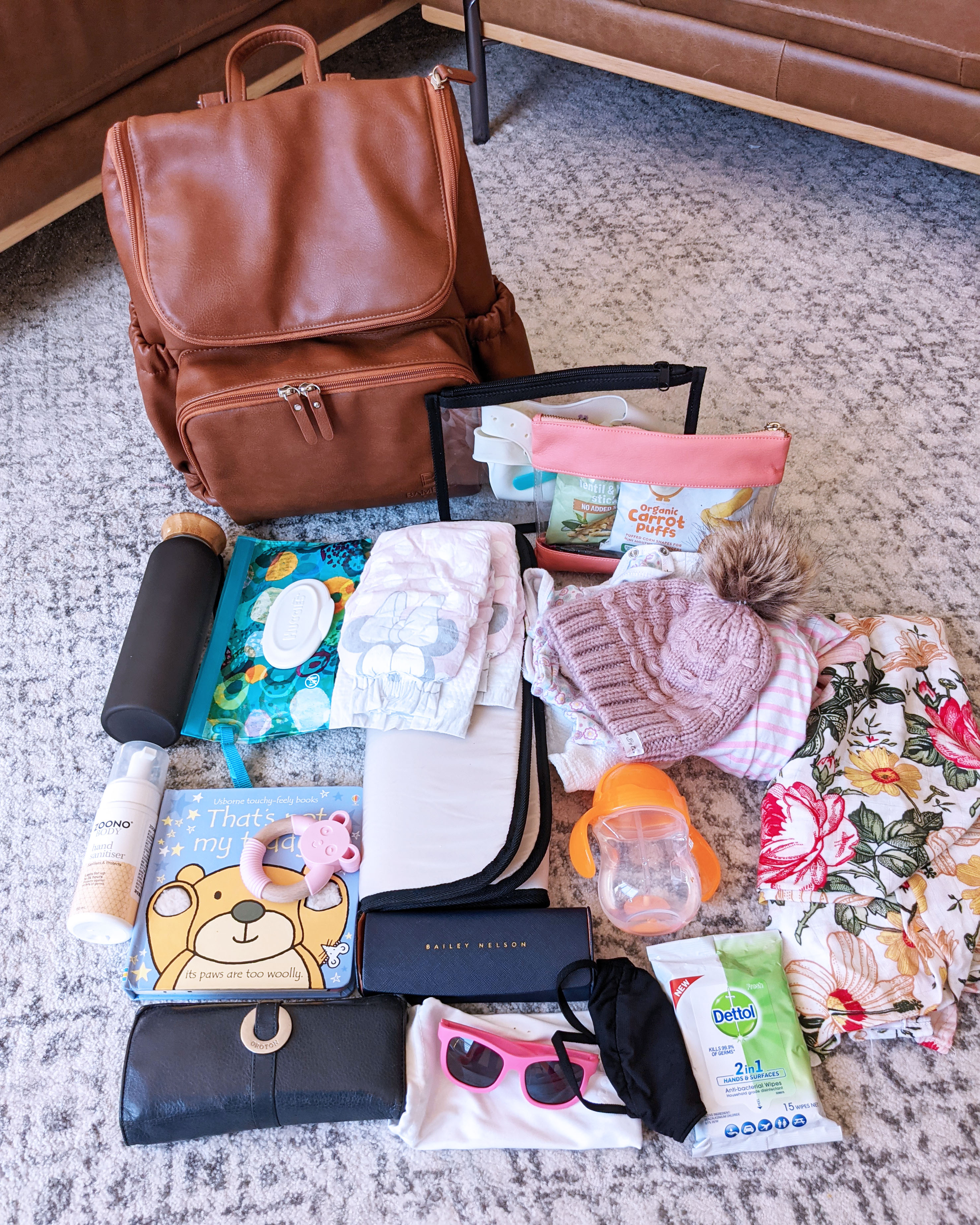
The contents of your nappy bag, while seemingly mundane, represent an initial step in a lifelong journey of providing for your child. By making financially sound choices today, you are not only managing your current expenses but also freeing up resources to invest in your child’s future. This could mean saving for their education, investing in their health and well-being, or simply having the financial flexibility to navigate the unexpected challenges that parenthood inevitably brings. A well-packed nappy bag, assembled with a financially conscious mind, is a testament to smart planning and a solid foundation for your growing family.
aViewFromTheCave is a participant in the Amazon Services LLC Associates Program, an affiliate advertising program designed to provide a means for sites to earn advertising fees by advertising and linking to Amazon.com. Amazon, the Amazon logo, AmazonSupply, and the AmazonSupply logo are trademarks of Amazon.com, Inc. or its affiliates. As an Amazon Associate we earn affiliate commissions from qualifying purchases.